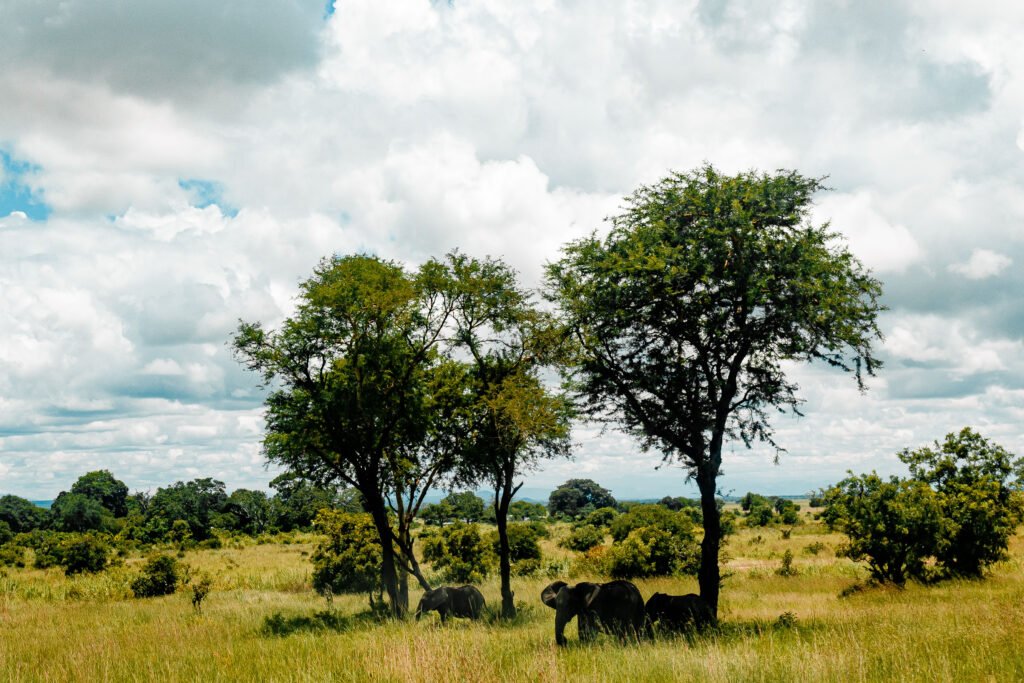
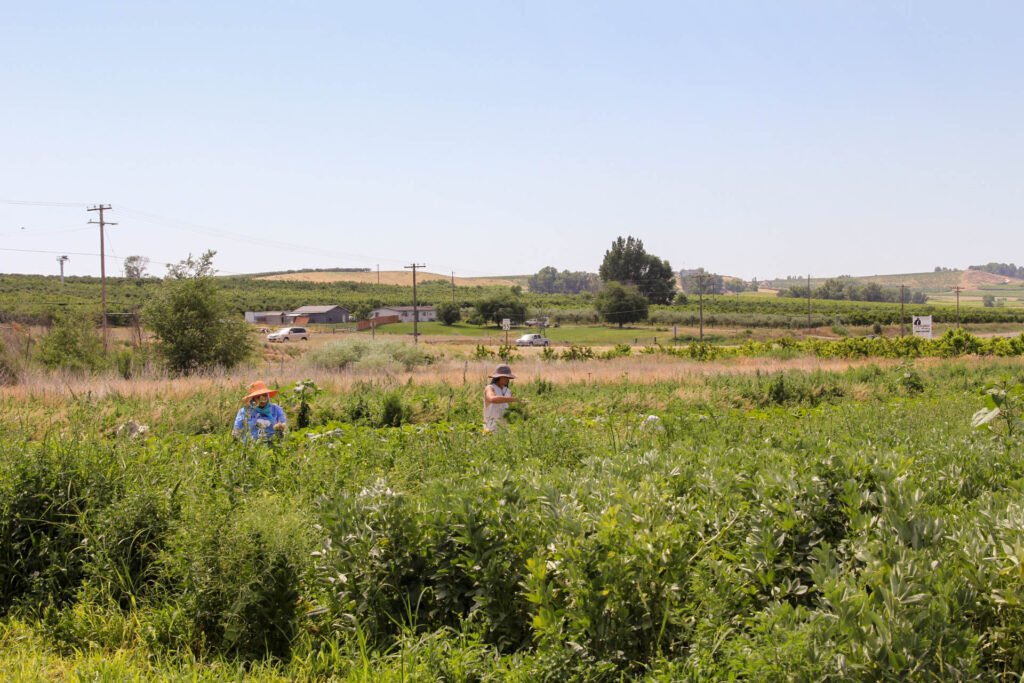
A habitat is the place where an organism or a community of organisms lives, encompassing both the surrounding living conditions and the nonliving features, such as climate, terrain, and water, that make that place suitable for the species found there. The term covers everything from a single tree hollow used by a nesting bird to
Habitat Read More »
A habitat is the place where an organism or community lives, including both the living conditions and the nonliving features that make it suitable.
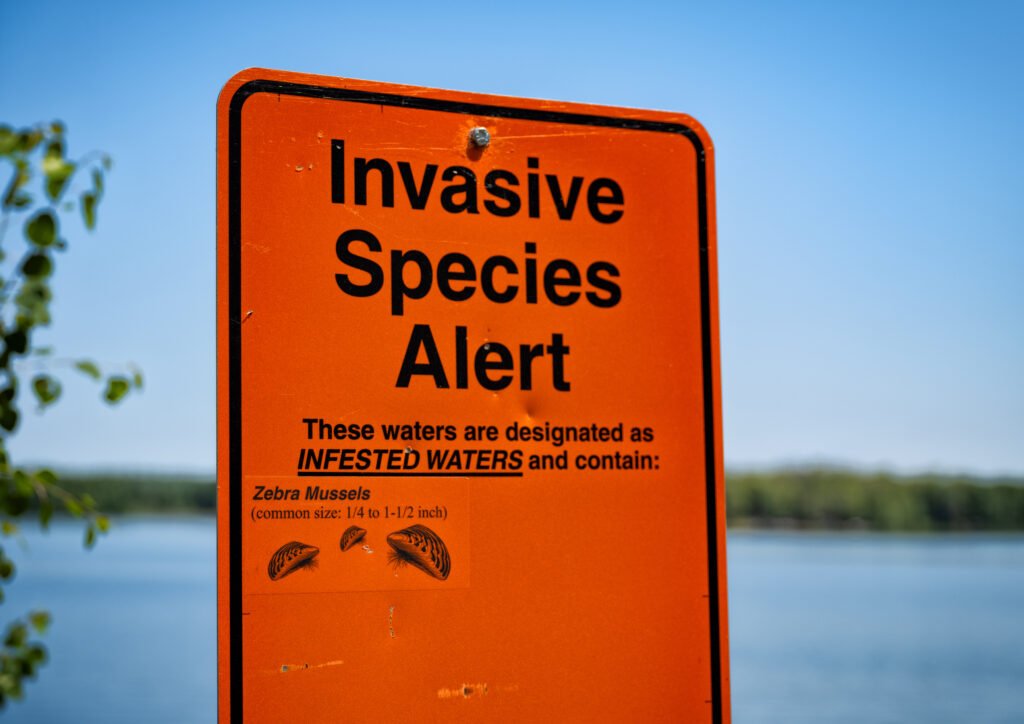
In simple terms An invasive species is an organism living outside its native range that causes ecological or economic harm in its new environment. [2] The harm is the part that matters. Without it, the species is simply non-native. That distinction is not a technicality. Many non-native species are welcome: tomatoes and chili peppers came
Invasive species Read More »
An invasive species is a plant, animal or microbe that is not native to an area and causes harm there.
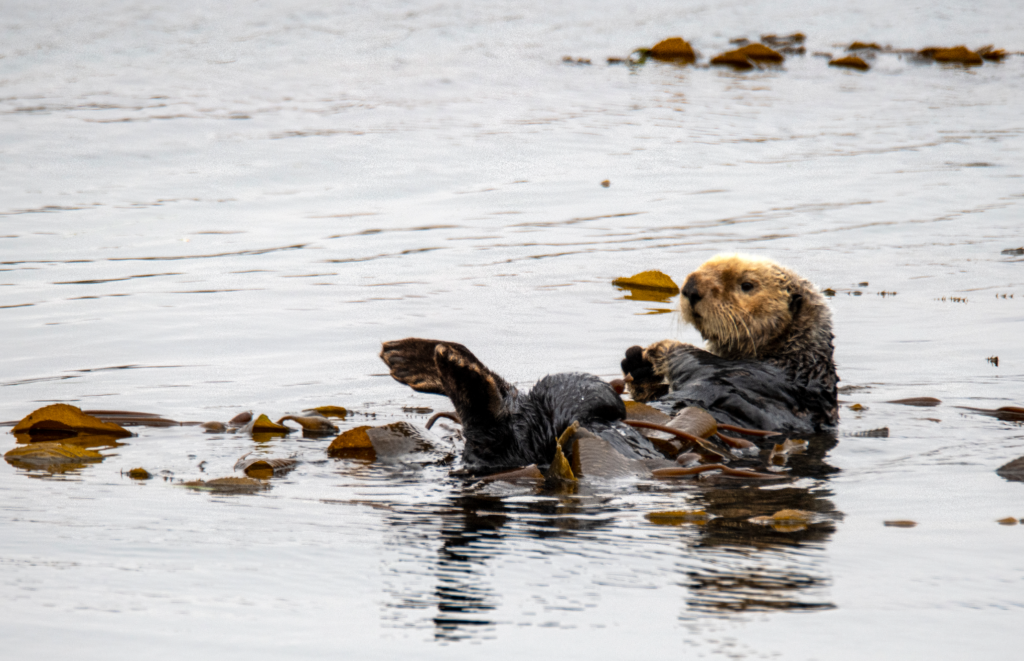
A keystone species is an organism whose presence has a disproportionately large effect on the structure and stability of its ecological community, relative to how abundant it actually is. Removing a keystone species can set off a chain of changes that reshapes an entire community, even though the species itself may be neither the largest
Keystone species Read More »
A keystone species is an organism whose ecological impact far outweighs its abundance, often holding an entire community's structure together.
In simple terms Methane is the simplest hydrocarbon: one carbon atom bonded to four hydrogen atoms, written CH4. It is colorless and has no smell of its own, so gas suppliers add one. It is the main ingredient of natural gas. It is also a greenhouse gas, meaning it traps heat that would otherwise leave
Methane Read More »
Methane is a colorless gas, the main component of natural gas, and the second largest human-driven contributor to global warming after carbon dioxide.
In simple terms The monarch butterfly is a migratory butterfly native to North America, famous for an extraordinary multigenerational migration that can span thousands of miles between its summer breeding grounds and its winter shelter. [1] How it works Each year, monarch butterflies in eastern North America travel up to around 3,000 miles to reach
Monarch butterfly Read More »
The monarch butterfly is a migratory butterfly native to North America, famous for a multigenerational migration that can span thousands of miles.
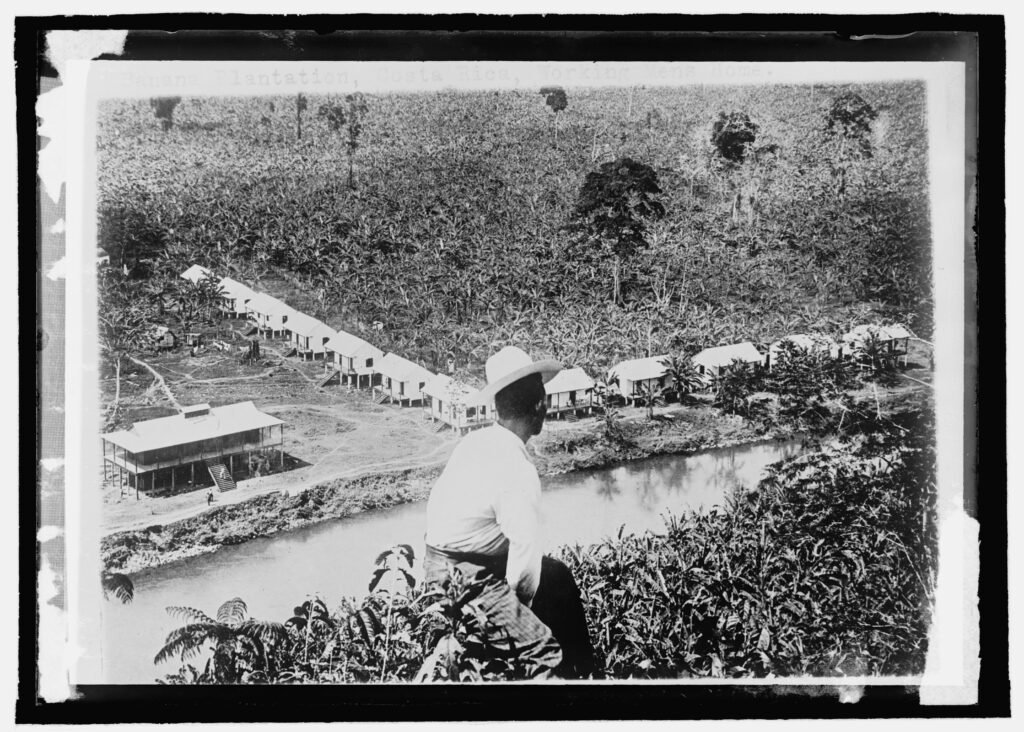
Monoculture is the agricultural practice of growing a single crop species, or in some cases a single genetically similar variety of that crop, across a large area of land, often over many consecutive growing seasons. It stands in contrast to polyculture and crop rotation, which deliberately grow multiple species together or alternate different crops on
Monoculture Read More »
Growing a single crop species or variety across a large area, efficient but vulnerable to pests and disease due to genetic uniformity.
Nuclear power is electricity generated from the heat released by nuclear fission, the splitting of heavy atomic nuclei, typically uranium-235, inside a reactor. That heat boils water into steam, which drives a turbine connected to a generator, the same basic mechanical principle used in a coal or gas plant, except the heat source is a
Nuclear power Read More »
Electricity generated from the heat of controlled nuclear fission, supplying about 9% of global electricity.
In simple terms Ocean acidification is the ongoing decrease in the pH of the ocean, meaning the water is becoming gradually more acidic, caused mainly by seawater absorbing carbon dioxide from the atmosphere. [1] It is a direct chemical consequence of rising carbon dioxide levels, separate from the warming that the same gas also causes.
Ocean acidification Read More »
Ocean acidification is the ongoing decrease in the pH of the ocean, caused mainly by seawater absorbing carbon dioxide from the atmosphere.
Organic farming is a method of growing crops and raising livestock that avoids most synthetic fertilizers, pesticides, growth hormones, and genetically modified organisms, relying instead on practices such as crop rotation, composting, and biological pest control to maintain soil fertility and manage pests. The term carries a specific legal meaning in most major markets, where
Organic farming Read More »
Organic farming grows crops and raises livestock while avoiding most synthetic fertilizers, pesticides, and genetically modified inputs.
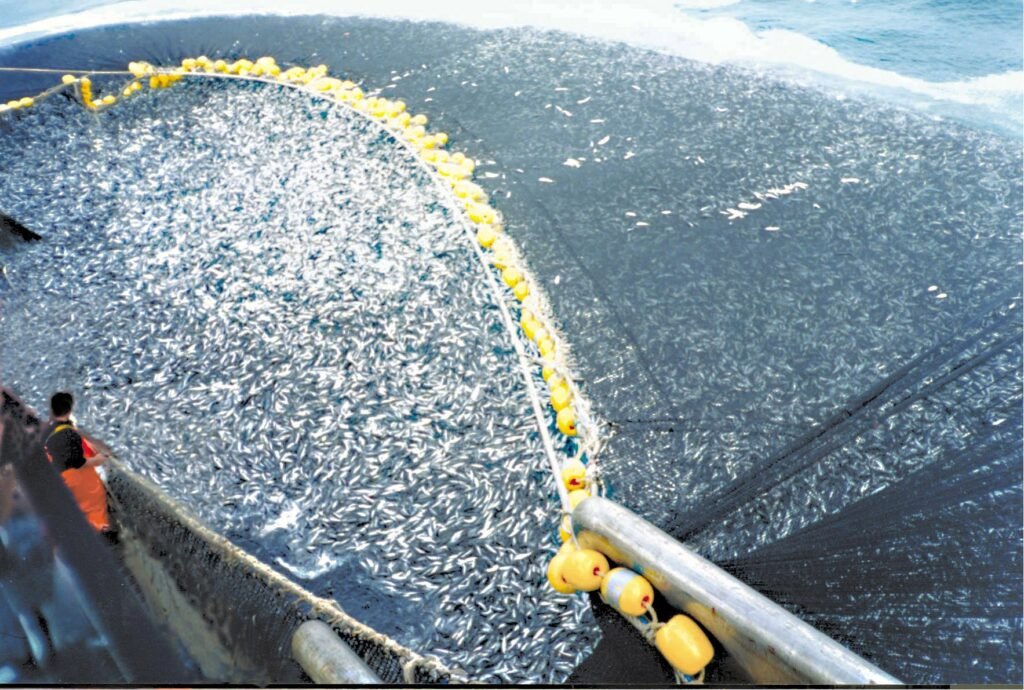
Overfishing is the harvesting of fish or other seafood from a body of water faster than the population can reproduce and replenish itself, so that the stock’s size and productivity decline over time. It is one of the most direct ways human activity can reshape an entire marine or freshwater ecosystem, since removing large numbers
Overfishing Read More »
Overfishing is harvesting fish faster than a stock can reproduce, causing its population and productivity to decline over time.