An endangered species is a species of plant or animal facing a very high risk of extinction in the wild in the near future. The term has a precise technical meaning in conservation science, defined by specific population and range criteria, in addition to its looser everyday use to describe any species considered at risk.
Endangered species Read More »
An endangered species is a species facing a very high risk of extinction in the wild, as classified by the IUCN Red List and national laws.
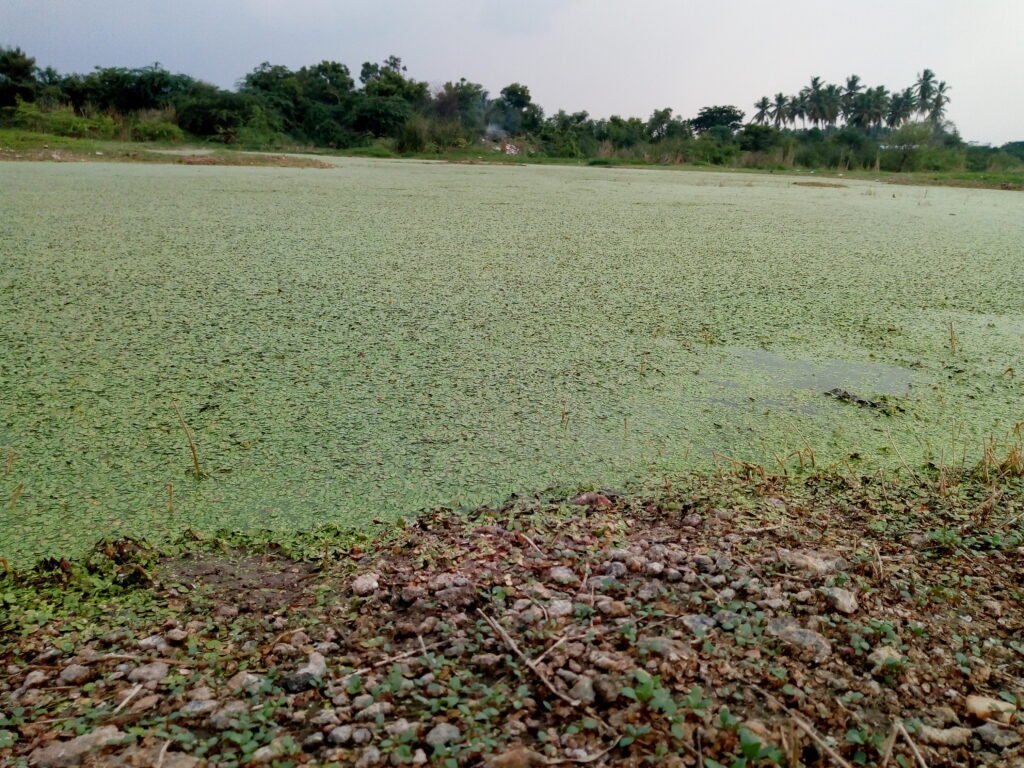
In simple terms Eutrophication is what happens when a body of water receives far more nutrients than it can absorb, mainly nitrogen and phosphorus, and answers with heavy growth of algae. Both nutrients belong in water naturally and support the algae and plants that feed fish, shellfish and smaller organisms. [1] The trouble is quantity,
Eutrophication Read More »
Eutrophication is the enrichment of water by excess nutrients, mainly nitrogen and phosphorus, which triggers heavy algae growth and oxygen loss.
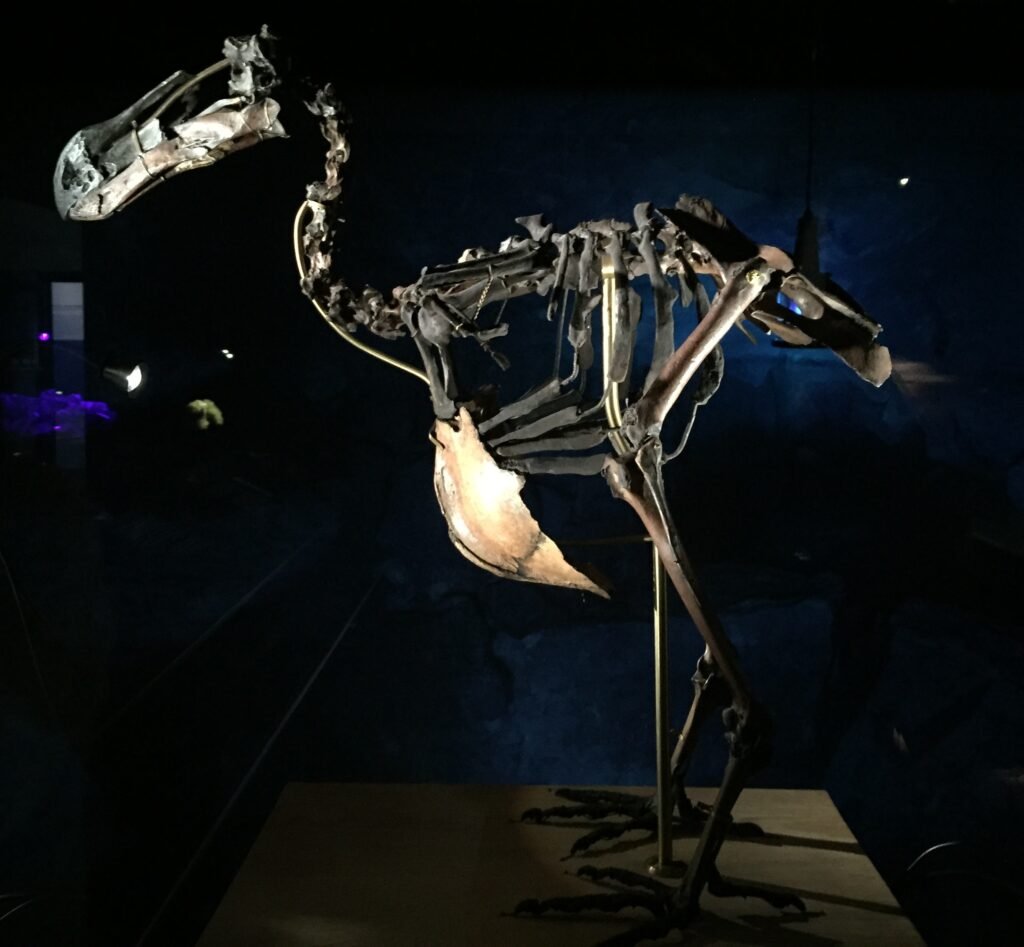
Extinction is the complete disappearance of a species, meaning no living members of it remain anywhere on Earth. It is, in one sense, as old as life itself: species have been going extinct and new ones arising for as long as evolution has operated, and extinction is generally considered a normal, ongoing part of that
Extinction Read More »
Extinction is the complete disappearance of a species, with no living members remaining anywhere on Earth.
A food chain is the sequence by which energy and matter, in the form of food, pass from one organism to the next. Each organism in the sequence depends on the one before it, starting with a producer that captures energy directly from its environment and ending with the top predator or decomposer that closes
Food chain Read More »
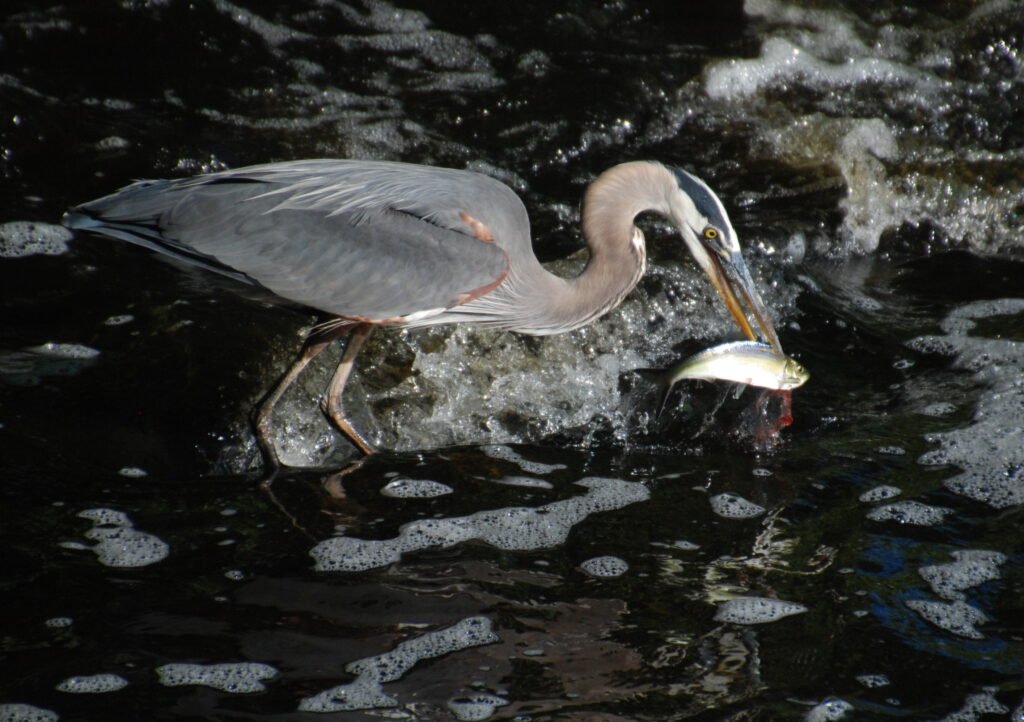
A food chain is the linear sequence of organisms through which energy and matter pass as one feeds on another, from producer to top consumer.
A food web is a map of who eats whom in an ecosystem, showing how energy and nutrients pass from one organism to the next. Unlike a food chain, which traces a single path from a producer to a top predator, a food web links together every food chain in a community, capturing the overlapping,
Food web Read More »
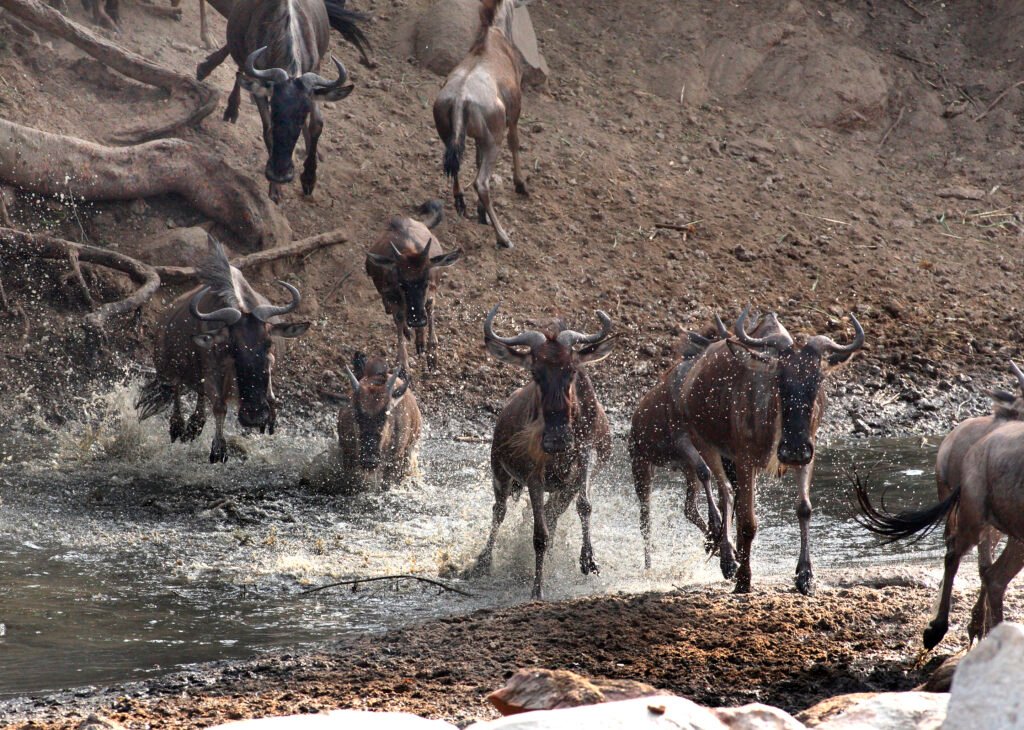
A food web is a network of interconnected feeding relationships showing how energy and nutrients move among producers, consumers, and decomposers in an ecosystem.
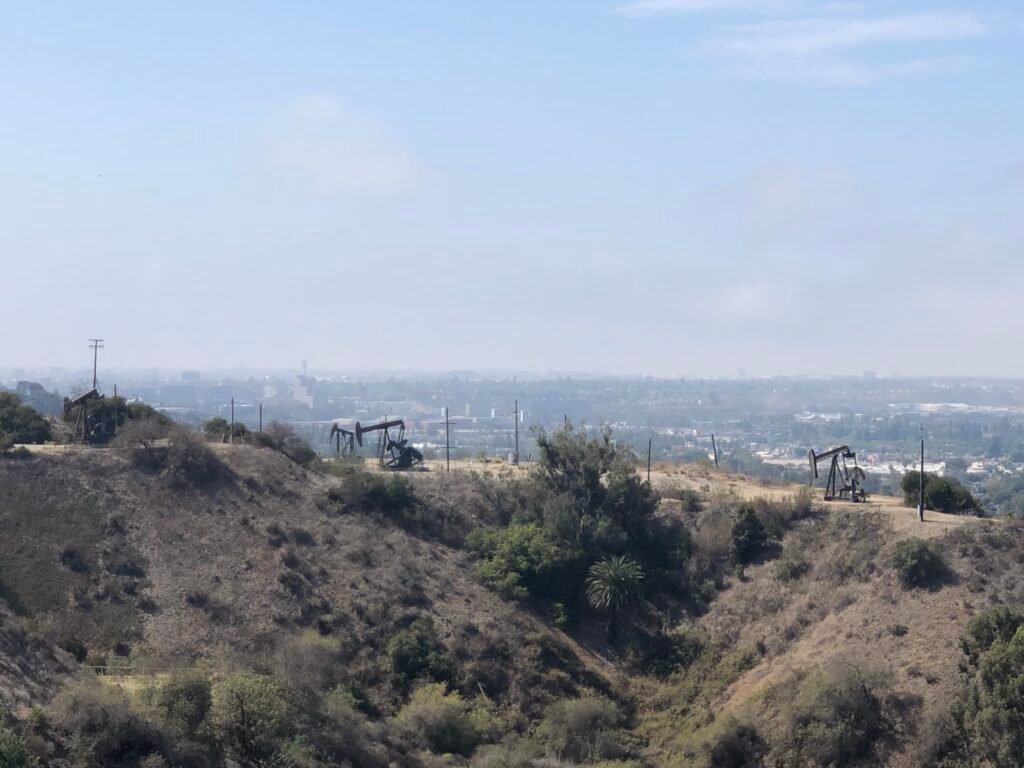
A fossil fuel is a hydrocarbon-rich fuel, chiefly coal, oil, and natural gas, formed from the remains of ancient plants and marine organisms buried and transformed by heat and pressure over millions of years. Burning a fossil fuel releases the chemical energy stored in that ancient organic matter, which is why fossil fuels have powered
Fossil fuel Read More »
A fossil fuel is a hydrocarbon fuel such as coal, oil, or natural gas, formed from ancient organic matter and burned to release stored chemical energy.
A genetically modified organism, or GMO, is a plant, animal, or microorganism whose genetic material has been altered using laboratory techniques, typically to introduce a specific trait such as pest resistance, herbicide tolerance, or improved nutritional content, in a more targeted and often faster way than conventional selective breeding allows. While humans have altered the
Genetically modified organism Read More »
A genetically modified organism (GMO) has had its genetic material altered using laboratory techniques, typically to introduce a specific trait.
In simple terms The giant panda is a bear native to central China, instantly recognizable by its black-and-white coat, that feeds almost entirely on bamboo despite belonging to a family of animals built to eat meat. [1] How it works Giant pandas live in a handful of mountain forest regions in central China, primarily in
Giant panda Read More »
The giant panda is a bear native to central China, easily recognized by its black-and-white coat, that feeds almost entirely on bamboo.
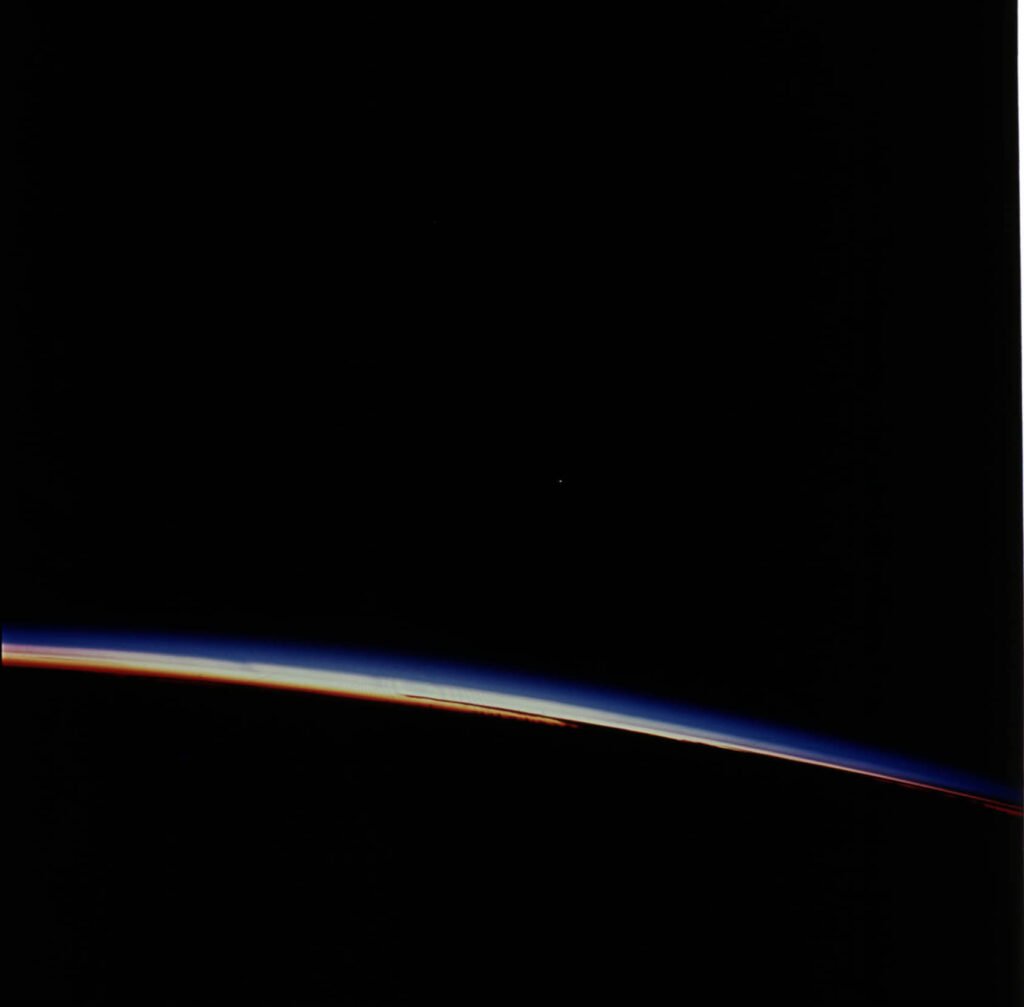
The greenhouse effect is the process by which certain gases in Earth’s atmosphere trap some of the heat radiating from the planet’s surface, keeping the surface warmer than it would be if that heat escaped directly into space. The effect is named for the way glass traps warmth inside a greenhouse, though the atmosphere actually
Greenhouse effect Read More »
The greenhouse effect is the process by which gases in the atmosphere trap outgoing heat, warming Earth's surface beyond what sunlight alone would produce.
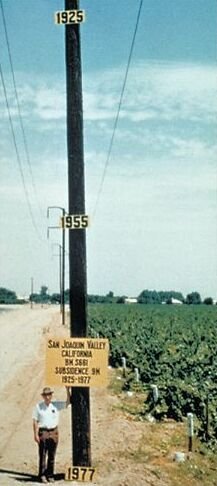
Groundwater depletion is the long-term, large-scale decline of water stored underground in aquifers, occurring when water is pumped out faster than natural recharge, mainly rainfall and snowmelt seeping back into the ground, can replace it. Unlike a surface reservoir, whose level anyone can see drop, groundwater depletion unfolds slowly and largely out of sight, which
Groundwater depletion Read More »
The long-term decline of water stored in aquifers when pumping outpaces natural recharge, often causing permanent land subsidence.