Specialty Digest

Global English edition Learners’ Study Dashboard — in development
Personal air sampling equipment used to measure worker exposure

Exposure Assessment

Exposure assessment is the process used in industrial hygiene to characterize the nature and magnitude of worker contact with chemical, physical, biological, or ergonomic hazards in the workplace. It combines direct measurement, observation of work practices, and professional judgment to build a picture of who is exposed, to what, at what level, and for how
Exposure Assessment Read More »

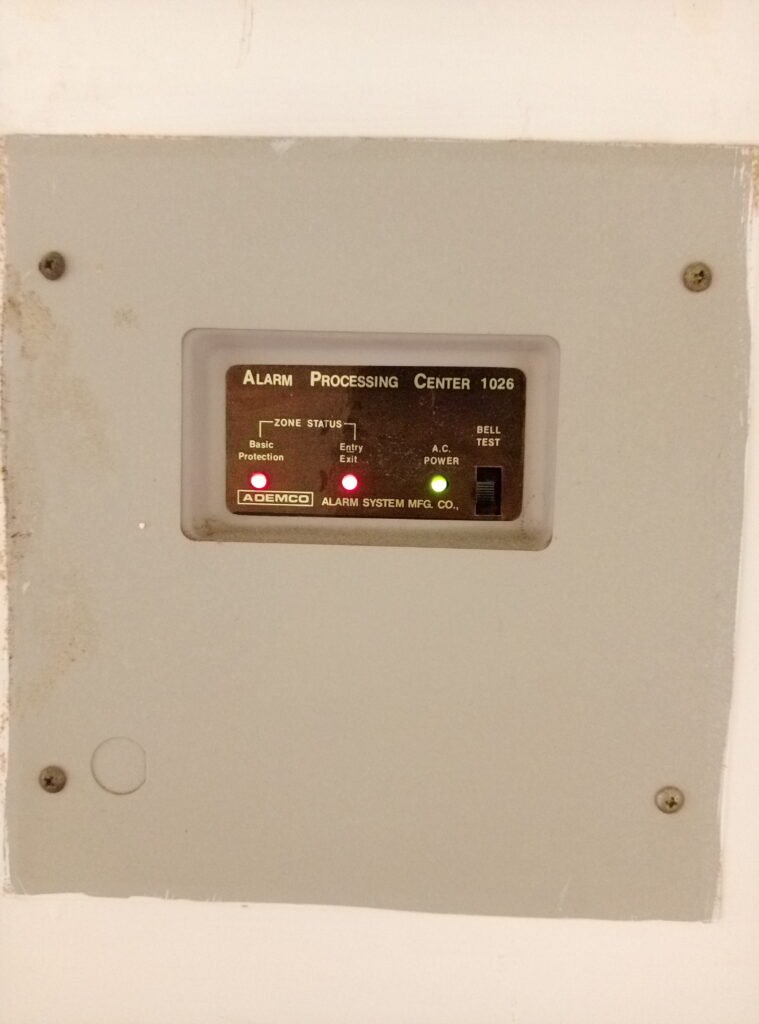
A fire alarm control panel mounted on a wall

Fire Alarm System

A fire alarm system is the integrated set of equipment responsible for detecting the presence of fire or smoke within a building and alerting occupants so they can evacuate safely, as well as notifying emergency responders. The system functions as the central nervous system of a building fire protection strategy, coordinating detection, notification, and often

Fire Alarm System Read More »

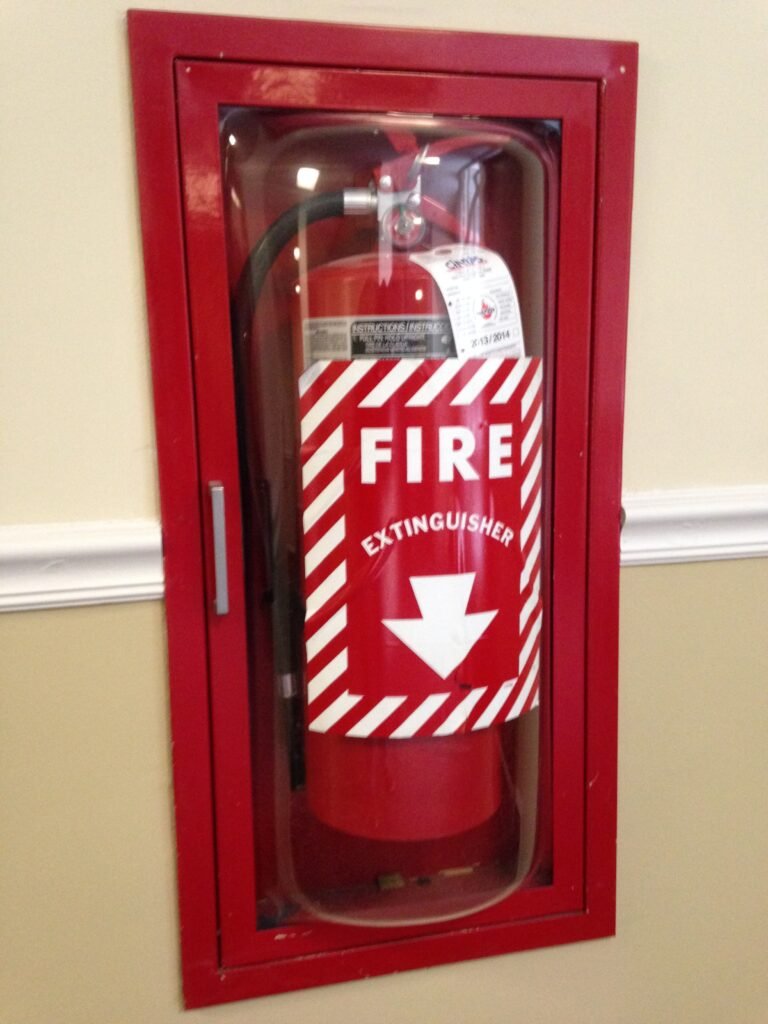
A red portable fire extinguisher

Fire Extinguisher

A fire extinguisher is a portable device designed to allow a single person to control or extinguish a small fire in its early stages, before it grows large enough to require evacuation and fire department response. Extinguishers are a cornerstone of occupational and residential fire safety precisely because they allow rapid intervention at the moment

Fire Extinguisher Read More »

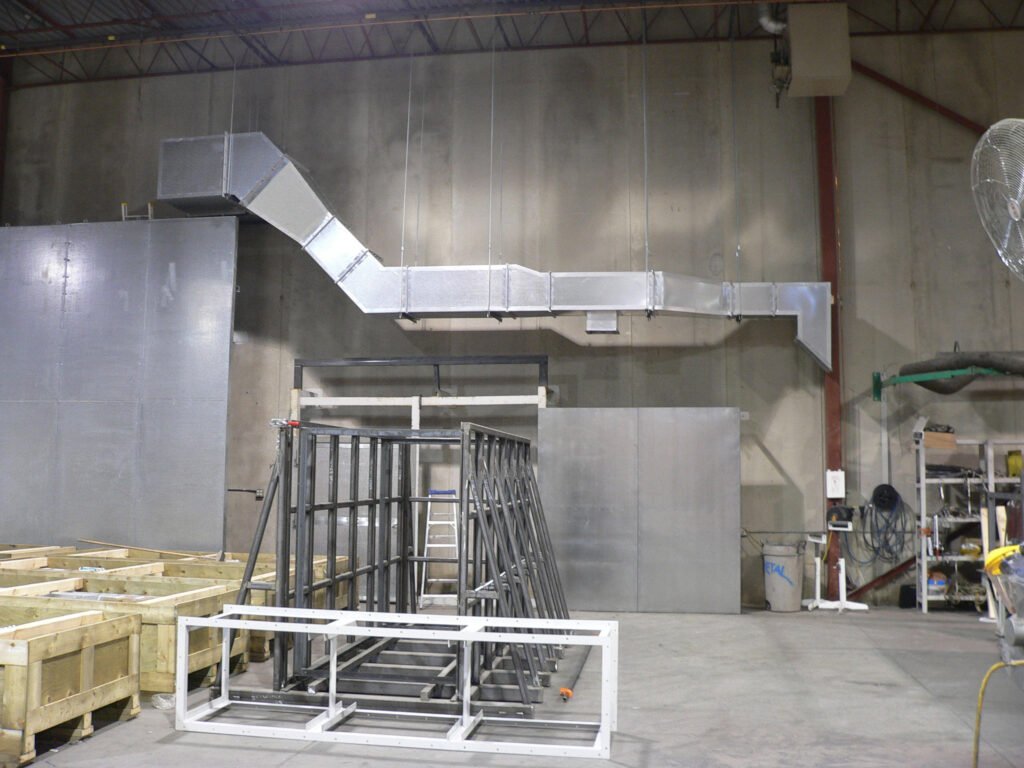
Fire rated wall and duct assembly construction

Fire Rated Assembly

A fire rated assembly is a building component, such as a wall, floor-ceiling assembly, or door, that has been tested under standardized conditions and certified to resist the passage of fire and maintain structural integrity for a specified duration, typically expressed in hours. Fire rated assemblies form the backbone of passive fire protection strategy, dividing

Fire Rated Assembly Read More »

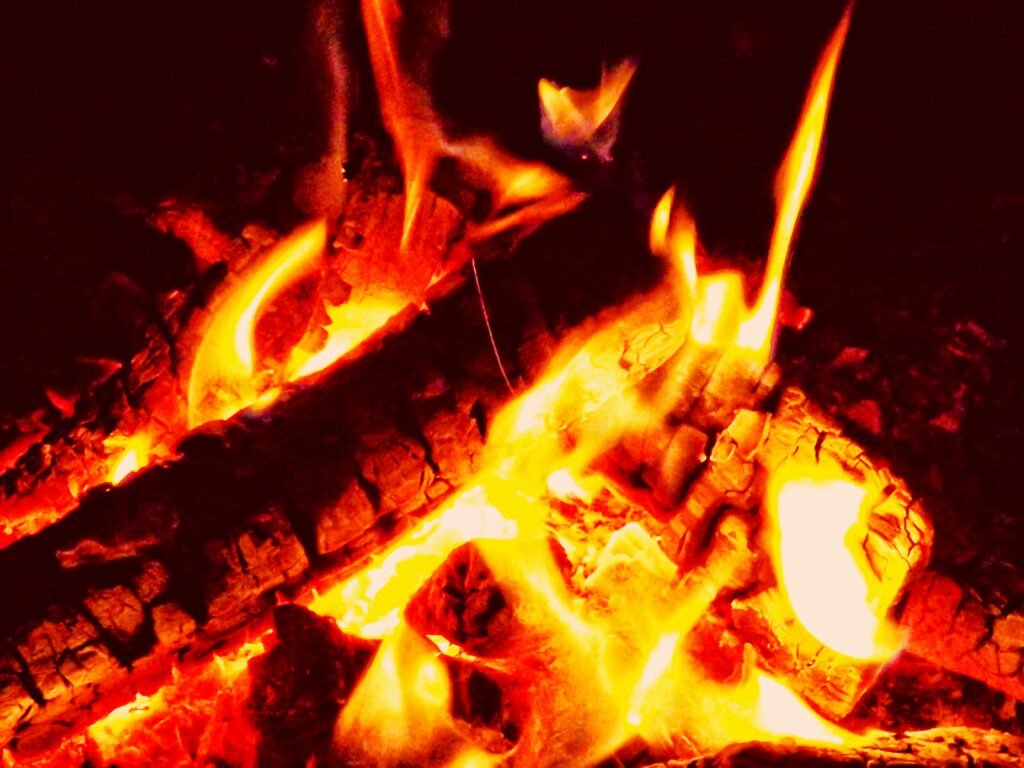
A bright burning campfire illustrating fuel, heat, and flame

Fire Triangle

The fire triangle is a foundational concept in fire science that illustrates the three elements necessary for combustion to occur and continue: sufficient heat to raise fuel to its ignition temperature, a combustible fuel source, and an oxidizing agent, typically oxygen from the surrounding air. The model teaches that removing any one of these three

Fire Triangle Read More »

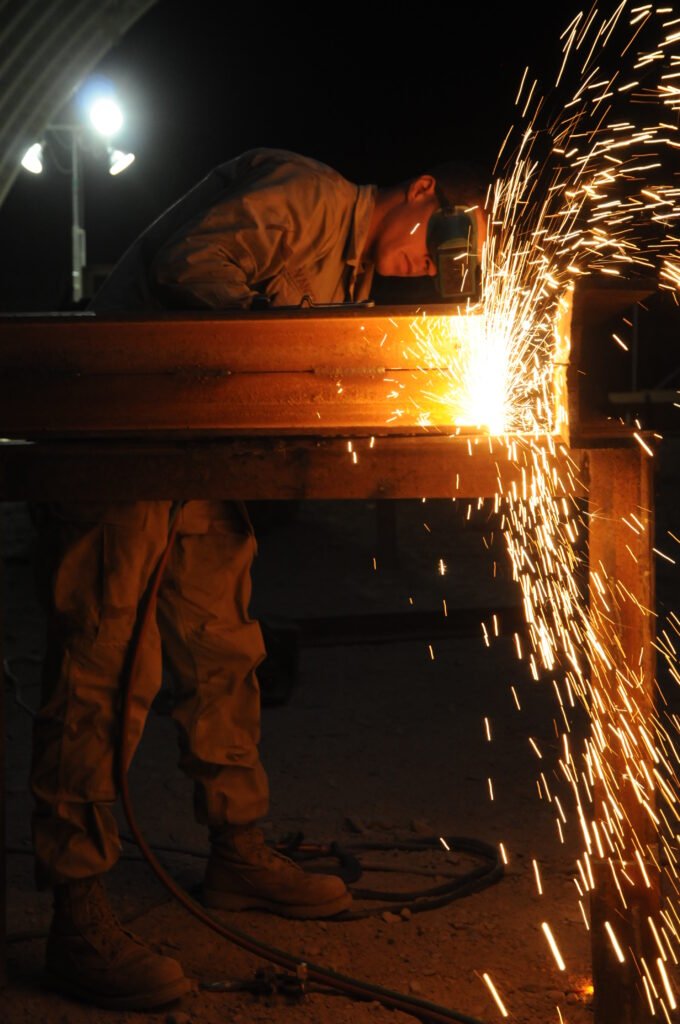
A shower of welding sparks during hot work requiring a fire watch

Fire Watch

A fire watch is a temporary fire safety measure in which a specifically trained person patrols a building, area, or work site to detect fire hazards and respond promptly, typically implemented to compensate for a gap in normal automatic fire protection or to monitor activities that create elevated fire risk. Because a fire watch depends

Fire Watch Read More »

Paramedics working inside an ambulance

First Responder

A first responder is a trained individual who is typically among the earliest personnel to arrive at the scene of an emergency, responsible for conducting an initial assessment, ensuring the scene is reasonably safe to approach, and providing immediate assistance until additional resources arrive. The role spans several professions, most commonly firefighters, police officers, and

First Responder Read More »

Firefighters attacking an intense structure fire with flames at a window

Flashover

Flashover is a fire dynamics phenomenon in which nearly all exposed combustible materials within an enclosed space ignite almost simultaneously, occurring once accumulated heat raises the entire room to the ignition temperature of its contents. The transition from a localized fire to a fully involved room fire can happen within seconds, making flashover one of

Flashover Read More »

A Globally Harmonized System hazard pictogram, the kind of standardized label required under the Hazard Communication Standard

Hazard Communication Standard

The Hazard Communication Standard is an Occupational Safety and Health Administration regulation requiring employers to inform and train workers about the hazardous chemicals present in their workplace, often informally called the right to know standard because of its core purpose. Before this standard existed, workers in many industries had limited formal access to information about

Hazard Communication Standard Read More »

The Hazard Communication Standard is an OSHA regulation requiring employers to inform and train workers about the hazardous chemicals present in their workplace.