Specialty Digest

Global English editionLearners’ Study Dashboard — in development
The Knowledge Library for All
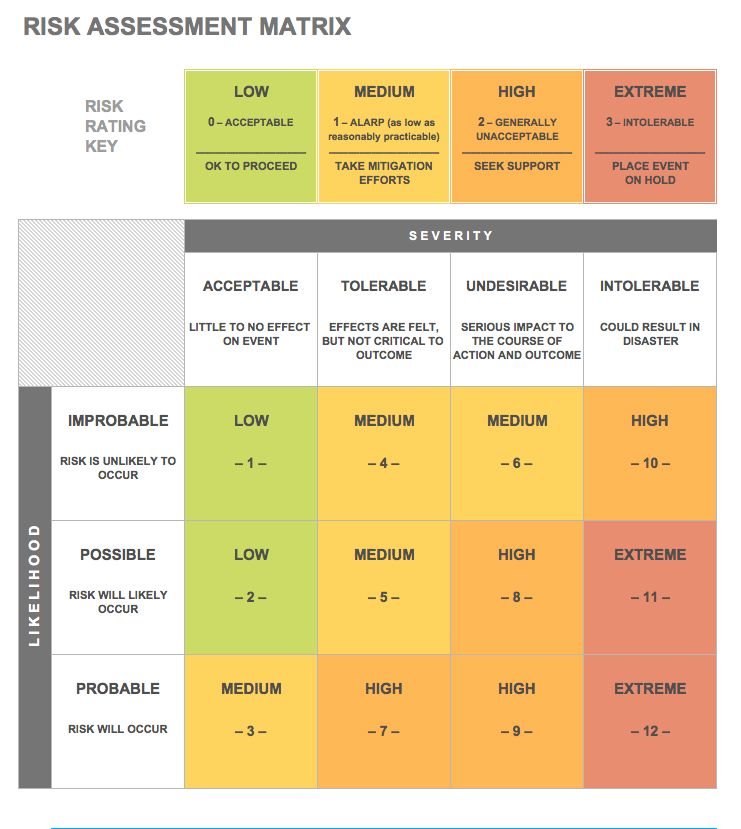
A risk assessment template used to assign numeric risk scores based on likelihood and severity

Risk Scoring

Risk scoring is a quantitative or semi-quantitative methodology that assigns numerical values to the likelihood and severity of identified hazards, enabling direct comparison and prioritization across a diverse range of risks using a single consistent scale. By converting inherently subjective judgments into numbers, risk scoring aims to reduce inconsistency between different assessors and make resulting

Risk Scoring Read More »

A technician conducting a formal inspection of aircraft landing gear as part of a structured safety audit process

Safety Audit

A safety audit is a systematic, comprehensive evaluation of an organization overall safety management system, examining written programs, policies, training effectiveness, and organizational practices to verify regulatory compliance and identify opportunities for improvement. Unlike a routine inspection focused on immediate physical conditions, an audit takes a broader view, assessing whether the underlying systems and processes

Safety Audit Read More »

A construction site, the kind of workplace where a strong safety culture meaningfully shapes everyday safety outcomes

Safety Culture

Safety culture refers to the shared values, attitudes, and behaviors within an organization that shape how seriously workers and management prioritize safety in everyday decisions, extending well beyond what any written safety policy document formally states on paper. An organization might maintain a comprehensive written safety program while still having a weak safety culture, if

Safety Culture Read More »

Safety culture refers to the shared values, attitudes, and behaviors within an organization that shape how seriously workers and management prioritize safety in everyday decisions.

Chemical bottles on a laboratory shelf, the kind of hazardous products accompanied by a safety data sheet

Safety Data Sheet

A safety data sheet, commonly abbreviated SDS and formerly known as a material safety data sheet or MSDS, is a standardized document that provides detailed information about the hazards, proper handling, and emergency measures associated with a specific hazardous chemical product. Chemical manufacturers and distributors are required to prepare and provide a safety data sheet

Safety Data Sheet Read More »

A safety data sheet is a standardized document that provides detailed information about the hazards, handling, and emergency measures associated with a specific hazardous chemical product.

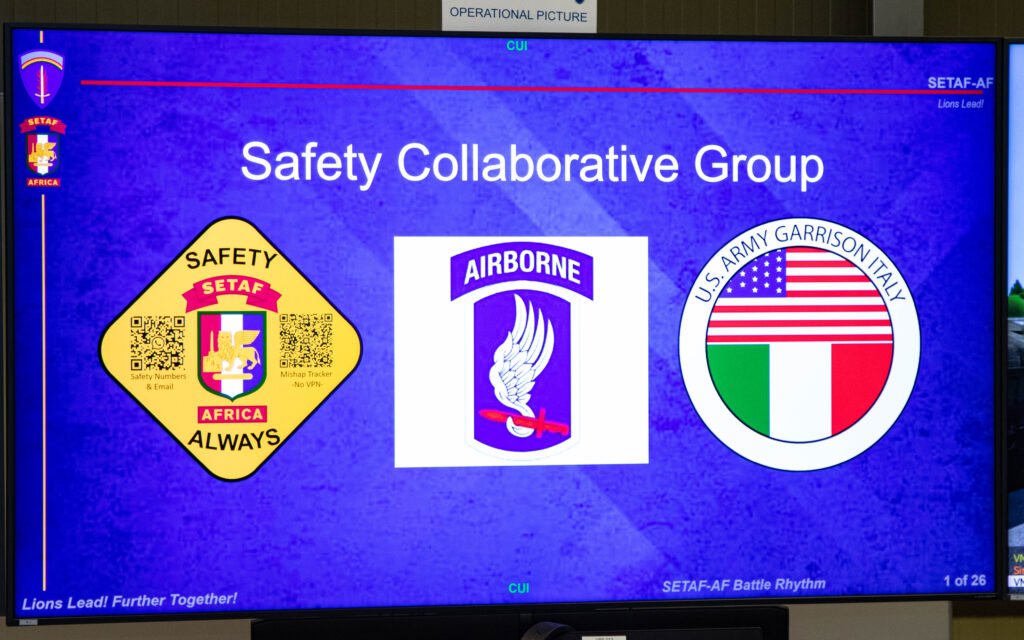
Safety instructors leading a presentation at a safety collaboration group meeting, illustrating a formal safety management system in action

Safety Management System

A safety management system, commonly abbreviated SMS, is a formal, organization-wide framework for systematically managing workplace safety through defined policies, risk assessment processes, and continuous improvement, integrating safety into the overall organizational management structure rather than treating it as a separate, loosely connected set of individual procedures. Rather than relying on a collection of standalone

Safety Management System Read More »

A safety management system is a formal, organization-wide framework for systematically managing workplace safety through defined policies, risk assessment processes, and continuous improvement.

A search and rescue dog working with its handler

Search and Rescue

Search and rescue refers to the organized effort to locate and safely extract individuals who are lost, trapped, injured, or otherwise unable to reach safety on their own, spanning a wide range of environments from dense wilderness to collapsed urban structures to open water. The discipline combines systematic search methodology with specialized rescue techniques suited

Search and Rescue Read More »

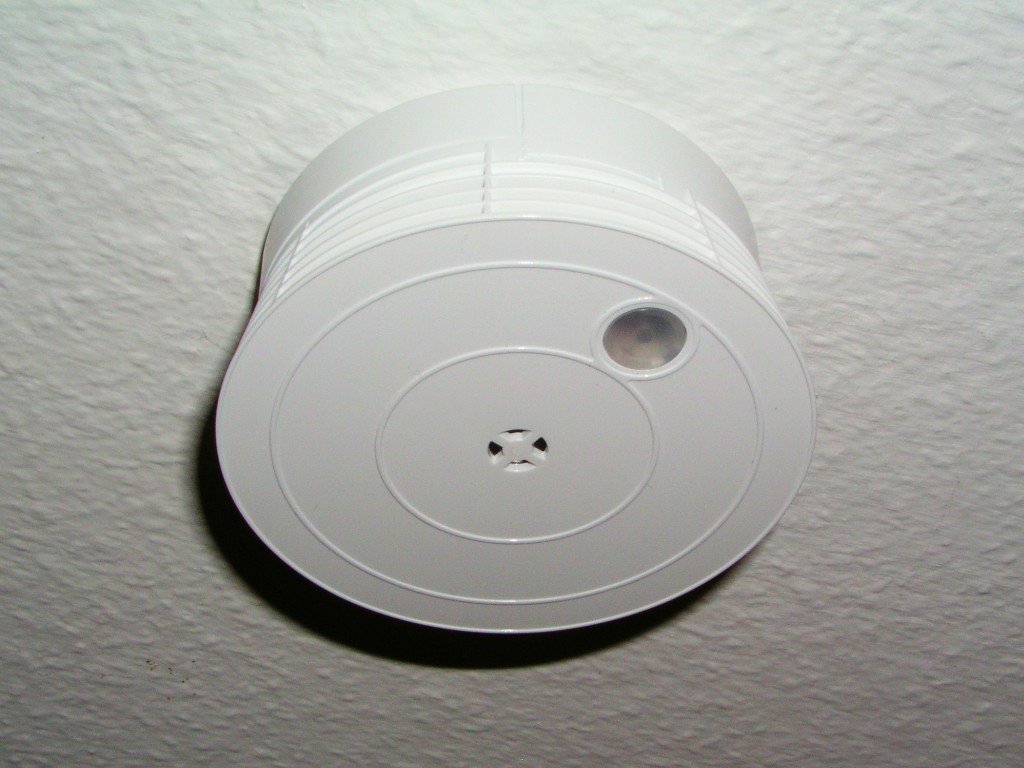
A smoke detector mounted on a ceiling

Smoke Detector

A smoke detector is a device designed to sense airborne smoke particles, typically produced during the early stages of a fire, and sound an alarm to alert occupants before the fire grows large enough to pose an immediate life threat. Because most fire deaths occur during sleeping hours when occupants cannot see or smell developing

Smoke Detector Read More »

Medical personnel performing patient triage during a training exercise

Triage

Triage is the systematic process of sorting patients based on the urgency and severity of their medical needs, allowing limited medical resources and personnel to be allocated where they will do the most good. Though most closely associated with mass casualty incidents and battlefield medicine, triage principles apply across virtually all emergency medical settings, including

Triage Read More »

Rooftop packaged ventilation units on a commercial building

Ventilation System

A ventilation system in the context of occupational hygiene is an engineering control designed to manage airborne contaminants by supplying fresh air, removing contaminated air, or both, in order to maintain acceptable air quality and protect worker health. Ventilation ranks among the preferred hazard controls because it reduces exposure at an environmental level rather than

Ventilation System Read More »

A maintenance worker performing a routine workplace inspection of equipment

Workplace Inspection

A workplace inspection is a systematic, hands-on examination of physical conditions, equipment, and work practices within a specific area, intended to identify hazards, verify compliance with safety standards, and confirm that previously identified issues have been properly corrected. Conducted on a regular, scheduled basis rather than only in response to an incident, inspections form a

Workplace Inspection Read More »