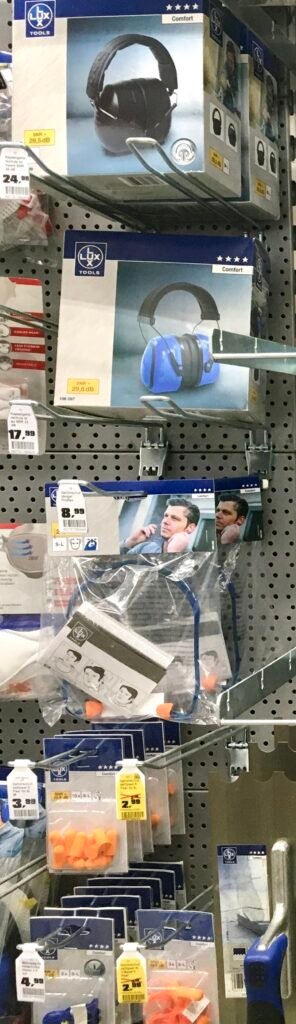
Noise-induced hearing loss is permanent hearing damage caused by exposure to excessively loud sound over time, representing one of the most common occupational illnesses worldwide and a hazard present across industries ranging from manufacturing and construction to music and entertainment. The damage underlying noise-induced hearing loss occurs at the level of delicate sensory hair cells
Noise-Induced Hearing Loss Read More »
Noise-induced hearing loss is permanent hearing damage caused by exposure to excessively loud sound over time, representing one of the most common occupational illnesses worldwide.
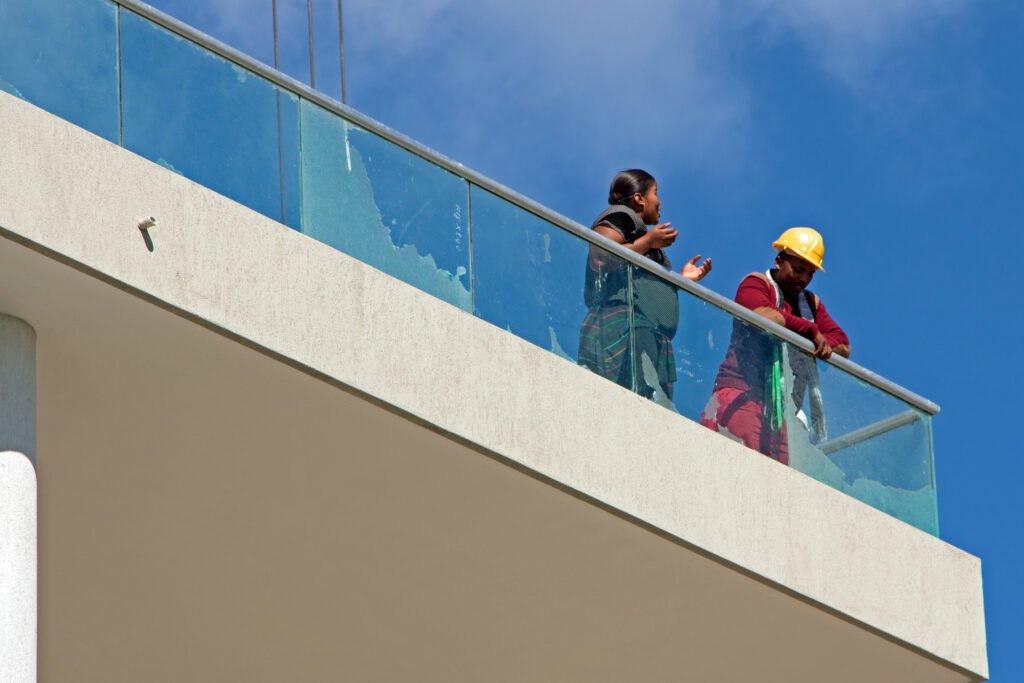
The Occupational Safety and Health Administration, commonly known as OSHA, is the United States federal agency responsible for setting and enforcing workplace safety and health standards, established by the Occupational Safety and Health Act of 1970 and operating within the Department of Labor. OSHA was created in response to growing concern over workplace injuries, illnesses,
Occupational Safety and Health Administration Read More »
The Occupational Safety and Health Administration, or OSHA, is the United States federal agency responsible for setting and enforcing workplace safety and health standards.
A permissible exposure limit, commonly abbreviated PEL, is the maximum concentration of a hazardous substance that a worker may legally be exposed to in workplace air over a specified period of time, set and enforced by the Occupational Safety and Health Administration for a wide range of industrial chemicals and dusts. Most permissible exposure limits
Permissible Exposure Limit Read More »
A permissible exposure limit is the maximum concentration of a hazardous substance that a worker may legally be exposed to in workplace air over a specified period of time.
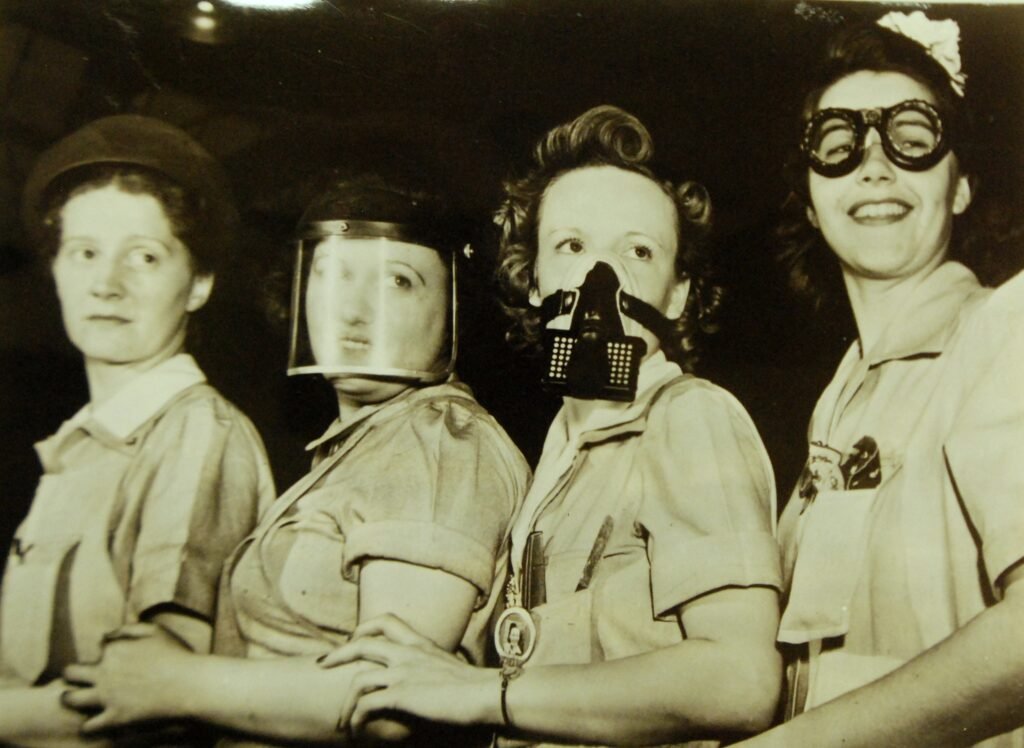
Respiratory protection refers to the equipment and formal programs used to protect workers from inhaling hazardous airborne contaminants such as dusts, fumes, gases, and vapors, ranging from simple disposable filtering facepieces to sophisticated powered air-purifying or supplied-air systems depending on the severity of the hazard present. Selecting appropriate respiratory protection requires understanding both the specific
Respiratory Protection Read More »
Respiratory protection refers to the equipment and programs used to protect workers from inhaling hazardous airborne contaminants such as dusts, fumes, gases, and vapors.