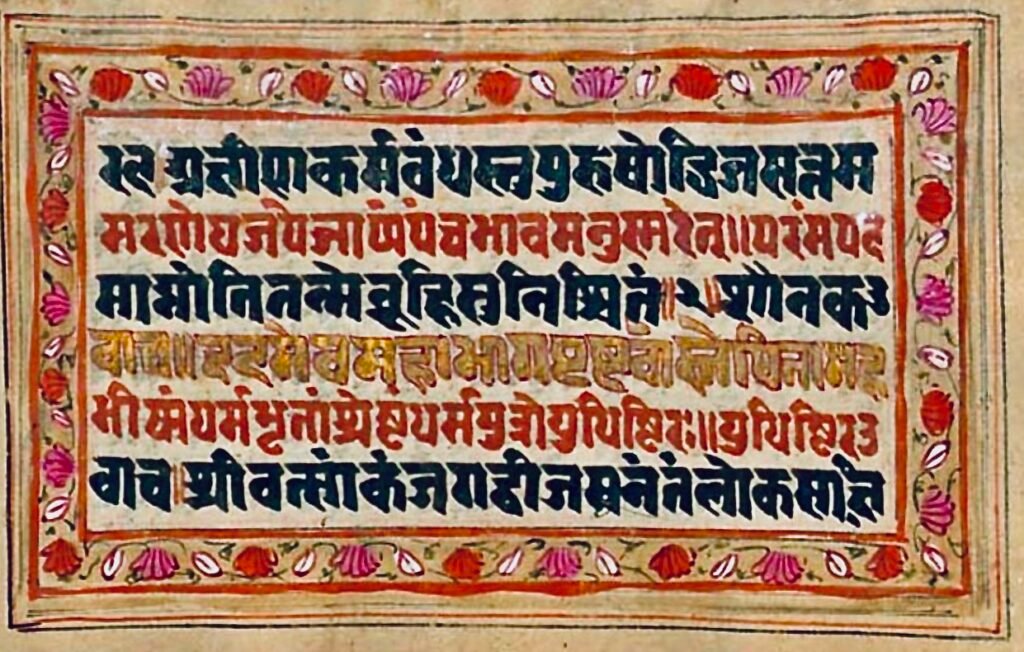
Overview The Bhagavad Gita, often called simply the Gita, is a 700-verse Sanskrit scripture embedded within the sixth book of the Mahabharata, one of the great epics of ancient India. It presents a philosophical dialogue between Prince Arjuna and his charioteer, the god Krishna, delivered on the eve of a great battle. Though framed as
Bhagavad Gita Read More »
The Bhagavad Gita is a 700-verse Hindu scripture presenting a dialogue between Prince Arjuna and the god Krishna on duty and devotion.
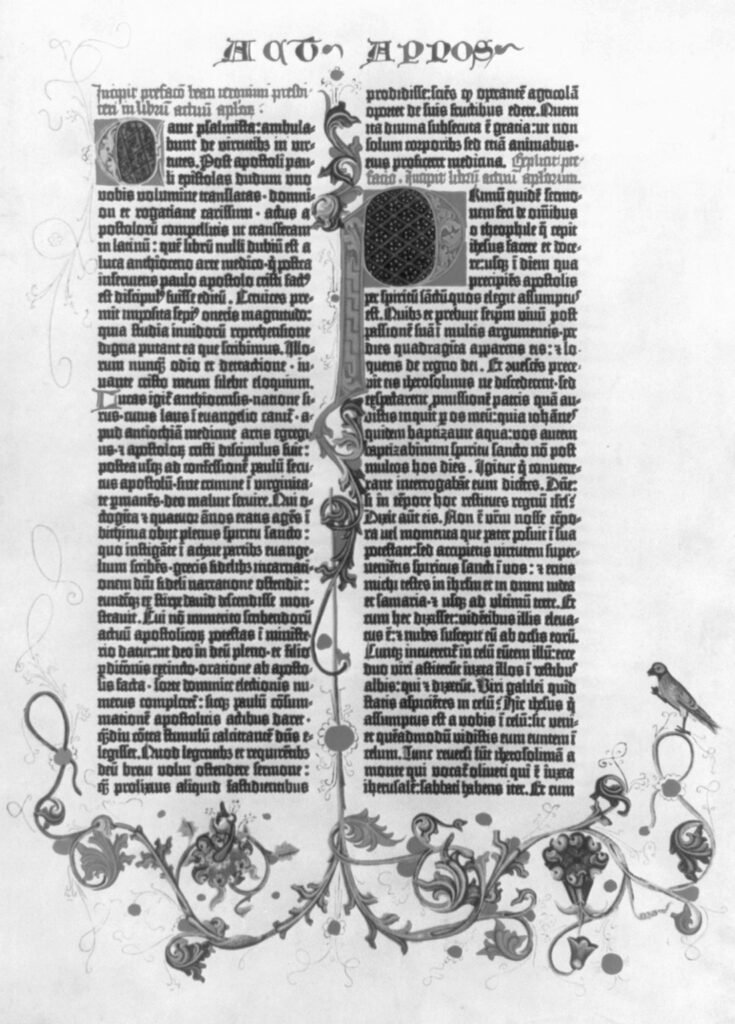
Overview The Bible is the foundational text of Christianity, read also in part as sacred scripture within Judaism. It is not a single book but an anthology of works composed over roughly a thousand years, gathered into a canon that varies somewhat between Catholic, Orthodox, and Protestant traditions. For most Christians it is organized into
Bible Read More »
The Bible is the sacred scripture of Christianity, comprising the Old and New Testaments and shared in part with Judaism.
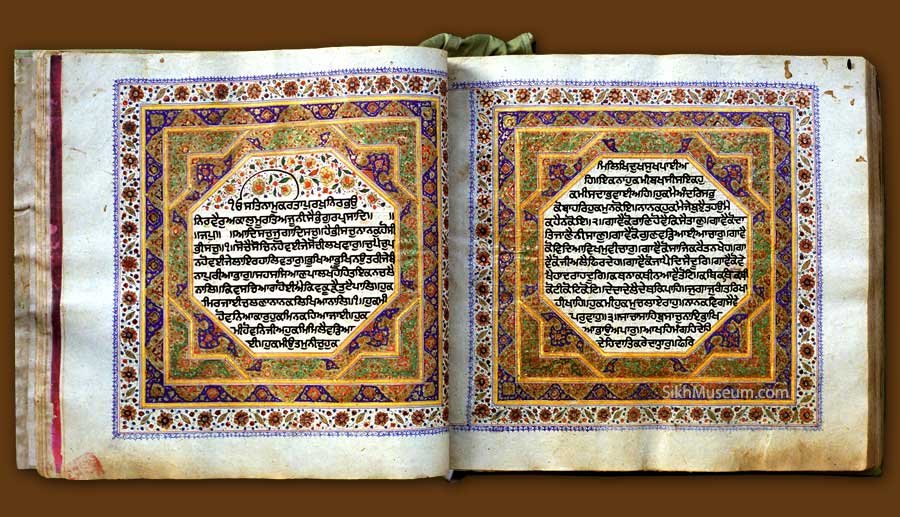
Overview The Guru Granth Sahib is the primary scripture of Sikhism and occupies a unique position among world religious texts: it is treated not merely as a book of teaching but as the living embodiment of spiritual authority, succeeding the line of human Gurus. Sikhs approach it with the same reverence given to a living
Guru Granth Sahib Read More »
The Guru Granth Sahib is the central scripture of Sikhism, revered as the eternal living Guru of the Sikh faith.
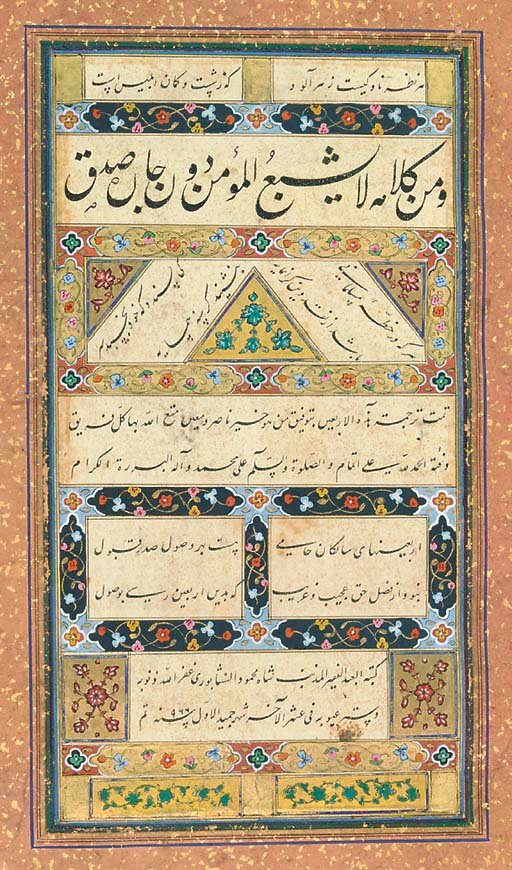
Overview Hadith are reports recording the sayings, actions, and tacit approvals attributed to the Prophet Muhammad, serving alongside the Quran as a primary source for Islamic belief, law, and practice. Together these reports form the basis for understanding the Sunnah, the exemplary way of life demonstrated by the Prophet. Transmission Each hadith traditionally carries an
Hadith Read More »
Hadith are the recorded sayings, actions, and approvals of the Prophet Muhammad, forming a major source of Islamic teaching alongside the Quran.
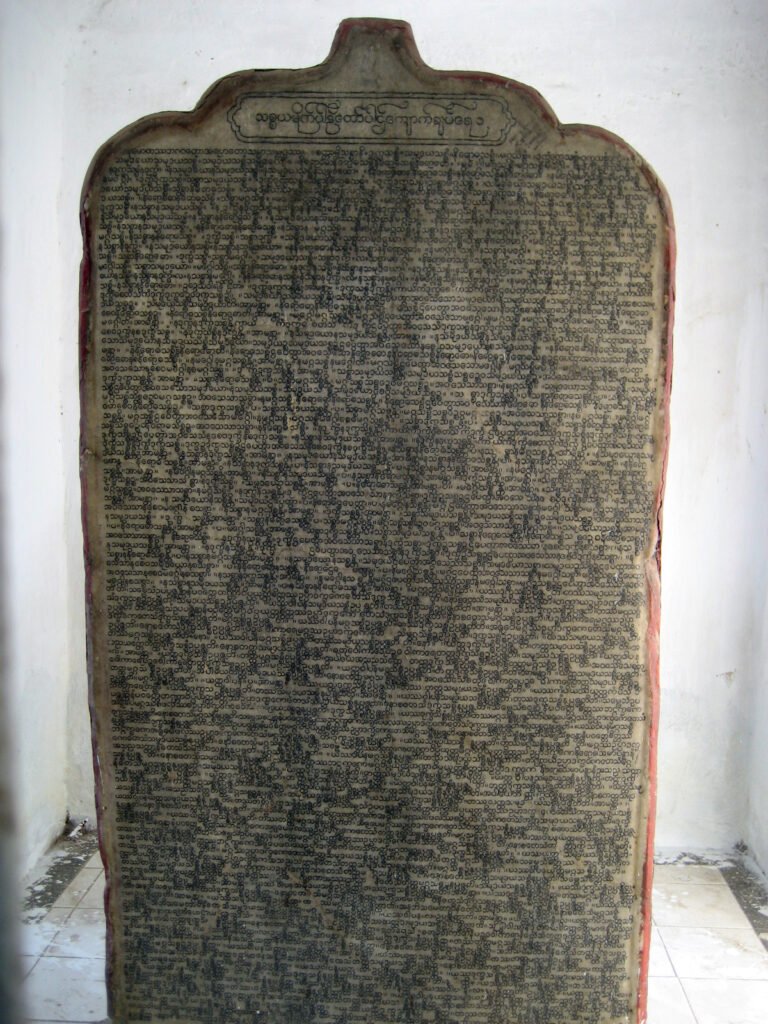
Overview The Pali Canon, known in Pali as the Tipitaka or Three Baskets, is the complete body of scripture recognized as authoritative by the Theravada school of Buddhism. Preserved in the Pali language, a Middle Indo-Aryan tongue closely related to the dialects of the historical Buddha, the canon represents the oldest surviving comprehensive record of
Pali Canon Read More »
The Pali Canon, also called the Tipitaka, is the standard collection of scriptures preserved in the Theravada Buddhist tradition.
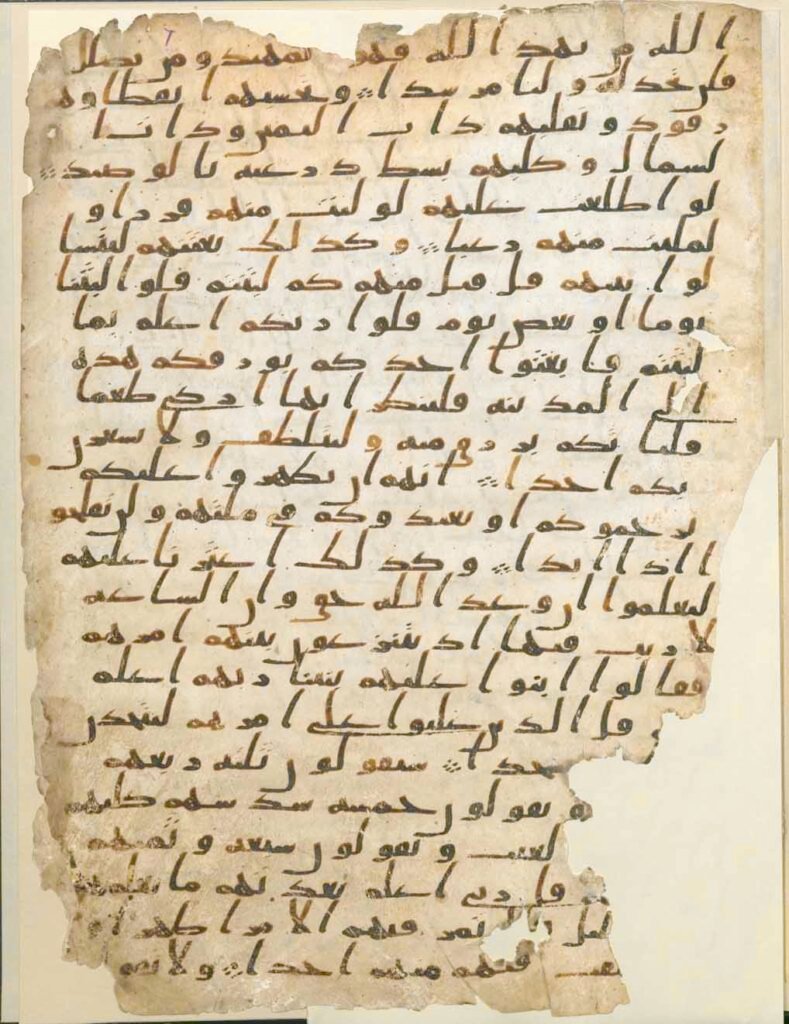
Overview The Quran is the central religious text of Islam, believed by Muslims to be the literal and unaltered word of God revealed to the Prophet Muhammad through the angel Gabriel over a period of approximately twenty-three years. Composed in Arabic and organized into 114 chapters, known as surahs, the Quran holds a place of
Quran Read More »
The central religious text of Islam, believed by Muslims to be the literal word of God revealed to the Prophet Muhammad over approximately twenty-three years.
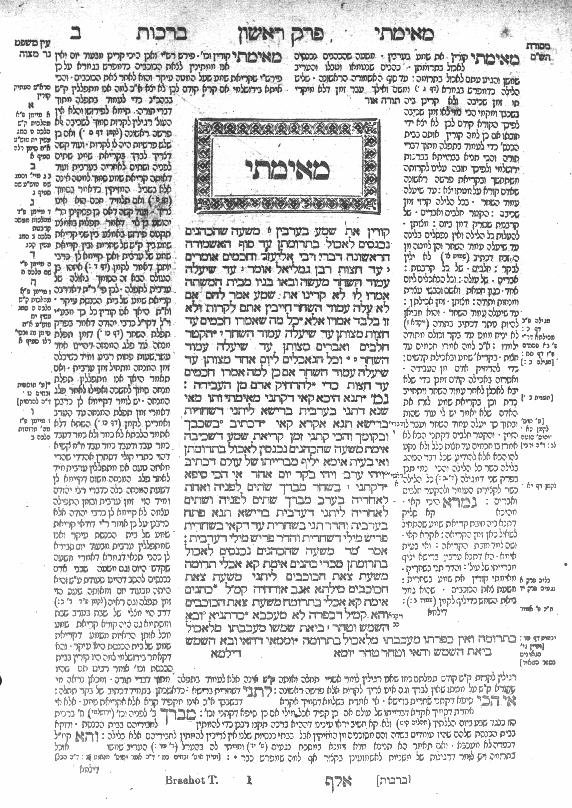
Overview The Talmud is the foundational document of Rabbinic Judaism, a vast compilation of legal reasoning, ethical teaching, and narrative that records centuries of rabbinic discussion. It built upon the Mishnah, an earlier codification of oral law, by gathering extensive commentary and debate known as the Gemara. Structure The Talmud pairs each section of the
Talmud Read More »
The Talmud is the central text of Rabbinic Judaism, recording generations of rabbinic debate on Jewish law and ethics.
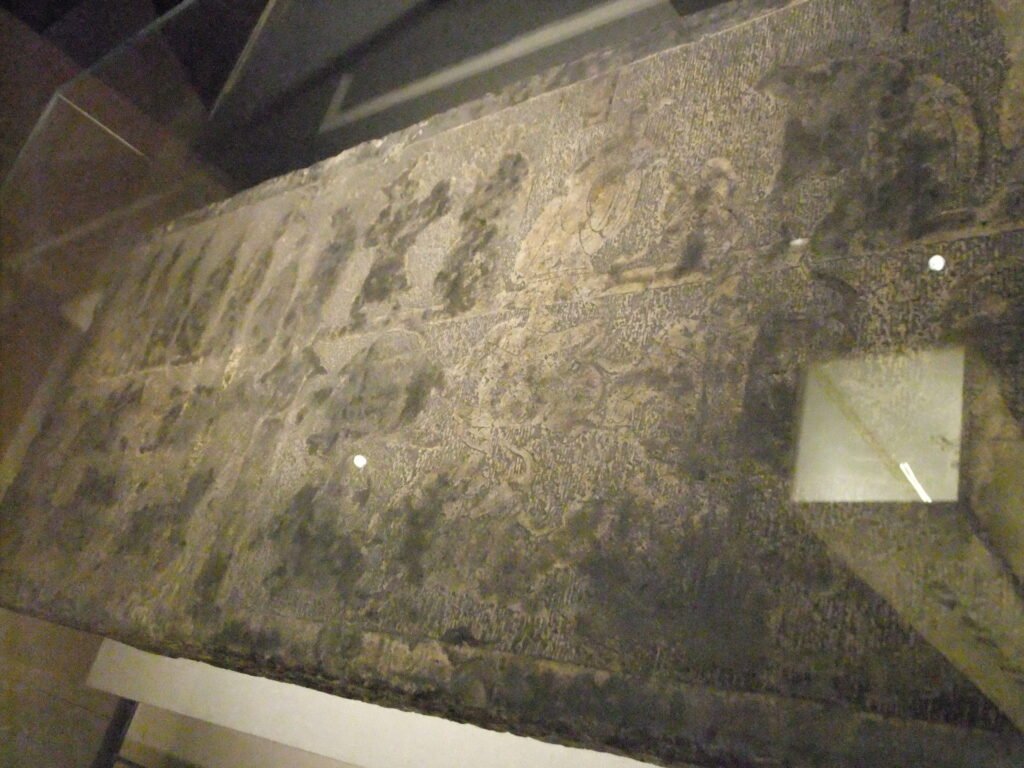
Overview The Tao Te Ching, also rendered Daodejing, is a foundational text of Taoist philosophy traditionally attributed to the sage Laozi, though its precise authorship and date of composition remain debated among scholars. Composed of 81 brief, often paradoxical chapters, it explores the nature of the Tao, commonly translated as the Way. Structure The text
Tao Te Ching Read More »
The Tao Te Ching is a foundational text of Taoism traditionally attributed to Laozi, outlining the nature of the Tao and the practice of effortless action.
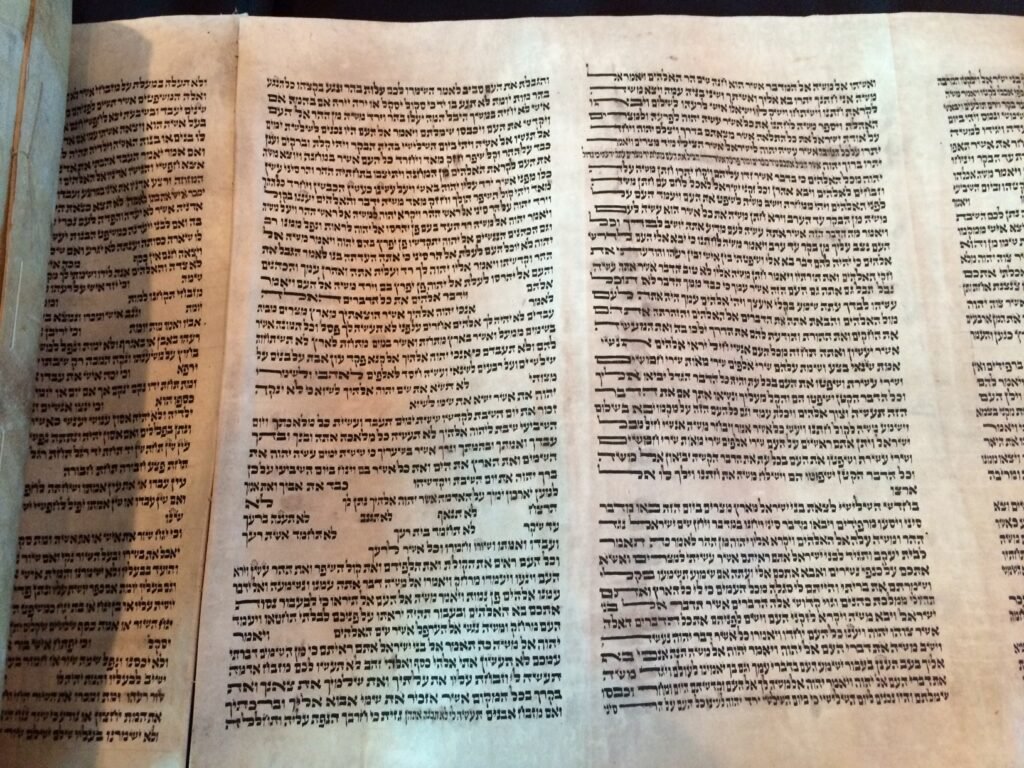
Overview The Torah is the central and most sacred text of Judaism, comprising the first five books of the Hebrew Bible: Genesis, Exodus, Leviticus, Numbers, and Deuteronomy. Traditionally understood as having been revealed by God to Moses at Mount Sinai, the Torah occupies a place of unparalleled authority within Jewish religious life, serving as the
Torah Read More »
The central and most sacred text of Judaism, comprising the first five books of the Hebrew Bible and traditionally attributed to Moses.
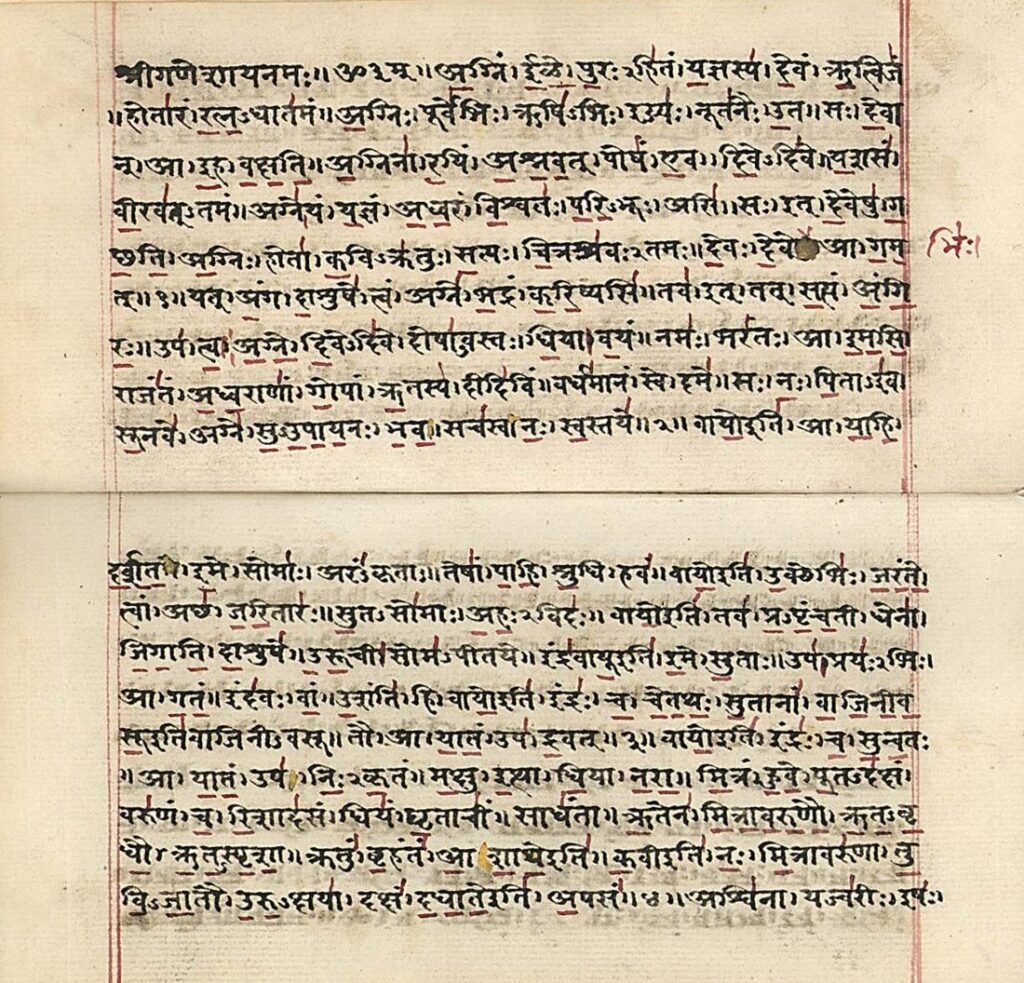
Overview The Vedas form the oldest body of sacred literature in Hinduism, composed in archaic Vedic Sanskrit and transmitted for many generations through highly disciplined oral recitation before being written down. They are regarded by Hindu tradition as revealed knowledge, foundational to later religious and philosophical development across the subcontinent. The Four Vedas The corpus
Vedas Read More »
The Vedas are the oldest sacred texts of Hinduism, a body of hymns, rituals, and philosophical material composed in ancient Sanskrit.