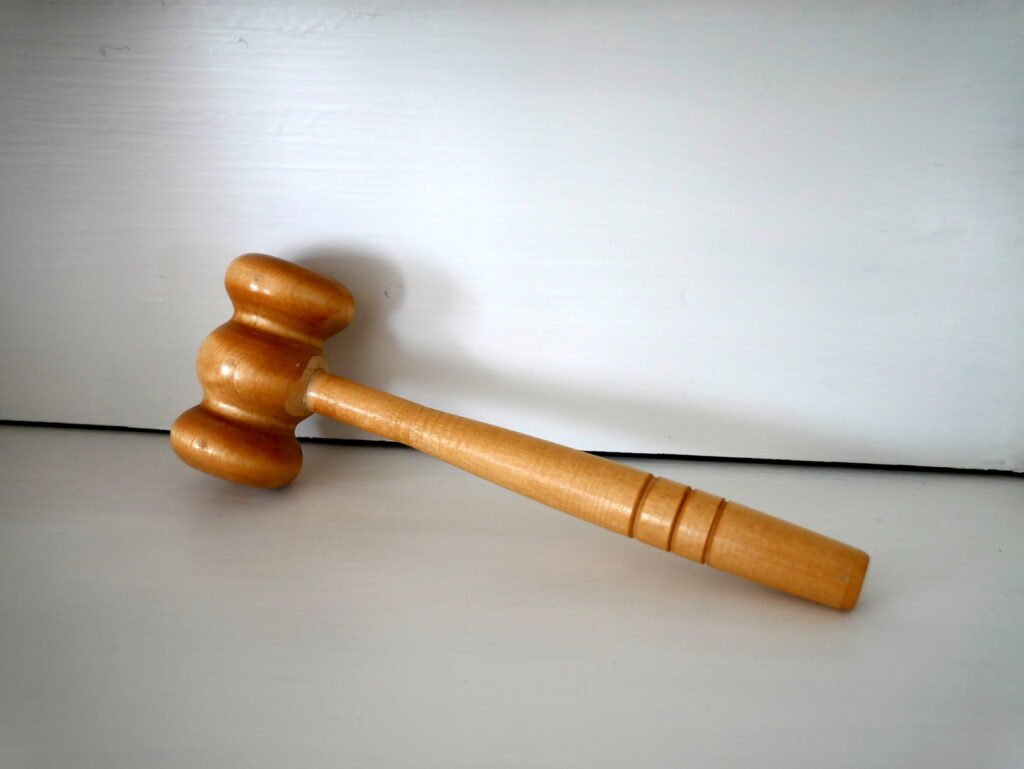
Overview Sports law and compliance covers the legal frameworks governing contracts between athletes and organizations, labor relations in professional leagues, intellectual property protection for team brands and broadcasts, and liability concerns arising from injuries or safety failures within sporting activities. Key Legal Areas Major areas within sports law include player contracts and labor agreements, antitrust
Sports Law and Compliance Read More »
The body of legal rules and regulatory requirements governing contracts, eligibility, safety, and conduct within organized sport.
Overview Sports nutrition for injury recovery involves adjusting an athlete diet to support tissue healing and limit the muscle loss that commonly occurs during reduced training activity, recognizing that nutritional needs during injury differ meaningfully from those during normal training. Key Nutritional Priorities Maintaining adequate protein intake is consistently emphasized during injury recovery, since protein
Sports Nutrition for Injury Recovery Read More »
Dietary strategies tailored to support tissue healing, reduce inflammation, and maintain muscle mass during an athlete recovery from injury.
Overview Sports rehabilitation is the structured process of restoring an injured athlete strength, mobility, and function, typically following a staged progression from initial pain and swelling management through to increasingly demanding sport-specific exercises designed to prepare the athlete for safe return to competition. The Rehabilitation Team Rehabilitation is usually guided by physical therapists, athletic trainers,
Sports Rehabilitation Read More »
The structured process of restoring strength, mobility, and function to an athlete following injury, with the goal of safe return to sport.
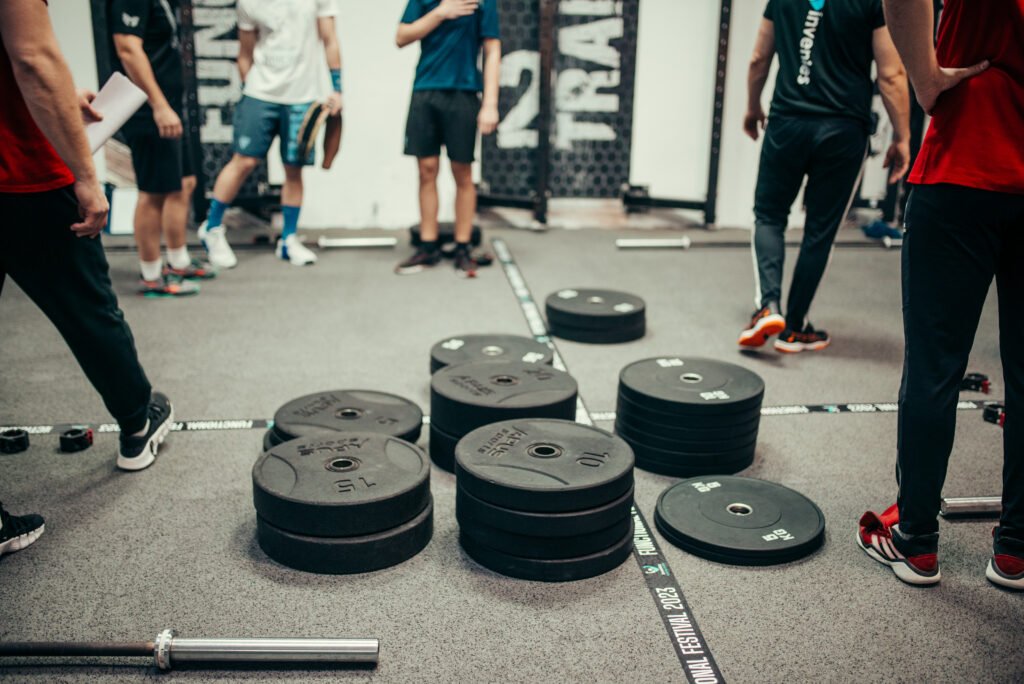
Overview Strength and conditioning is a specialized field within sports science focused on developing the physical qualities that underpin athletic performance, including maximal strength, explosive power, speed, agility, and various forms of endurance. Strength and conditioning coaches design and supervise training programs tailored to the specific demands of an athlete sport and competitive calendar, working
Strength and Conditioning Read More »
A field of athletic training focused on developing an athlete physical capacities, including strength, power, speed, and endurance, to improve performance and reduce injury risk.
Overview Talent identification is the process sports organizations use to recognize individuals likely to achieve success in a particular sport based on physical, technical, tactical, and psychological attributes. Programs typically combine standardized physical testing, such as speed and strength assessments, with skill-specific evaluations and increasingly with psychological profiling intended to capture traits like resilience and
Talent Identification Read More »
The process of recognizing and selecting individuals with the physical, technical, and psychological attributes likely to lead to success in a particular sport.
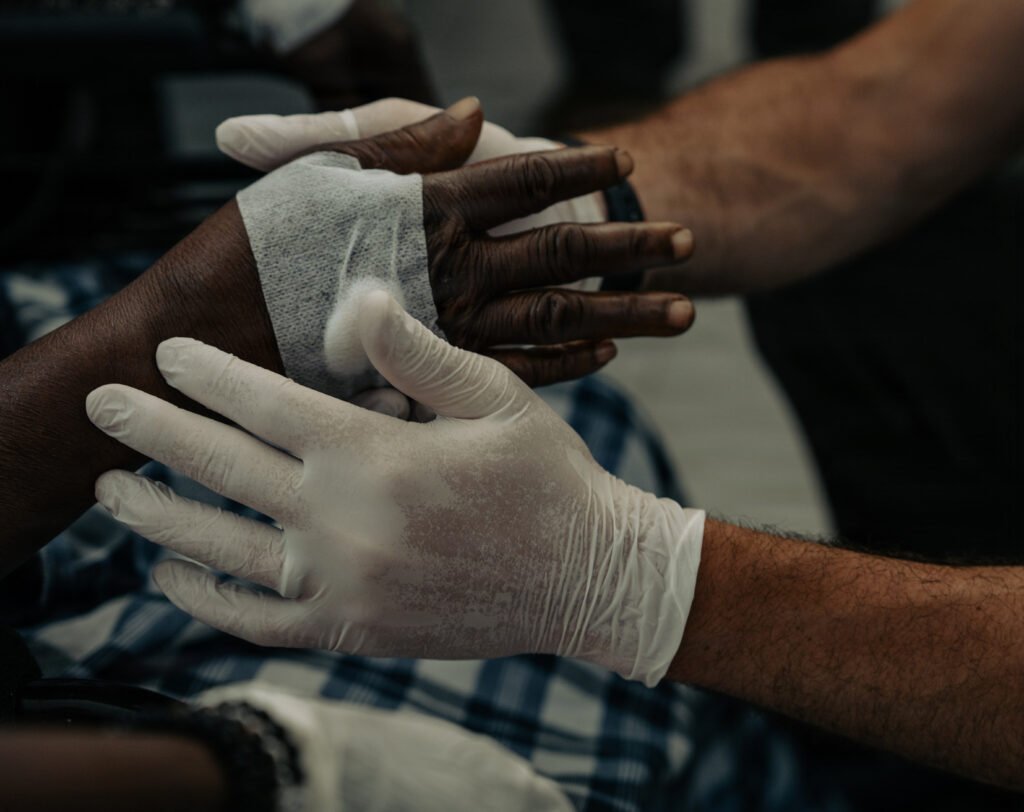
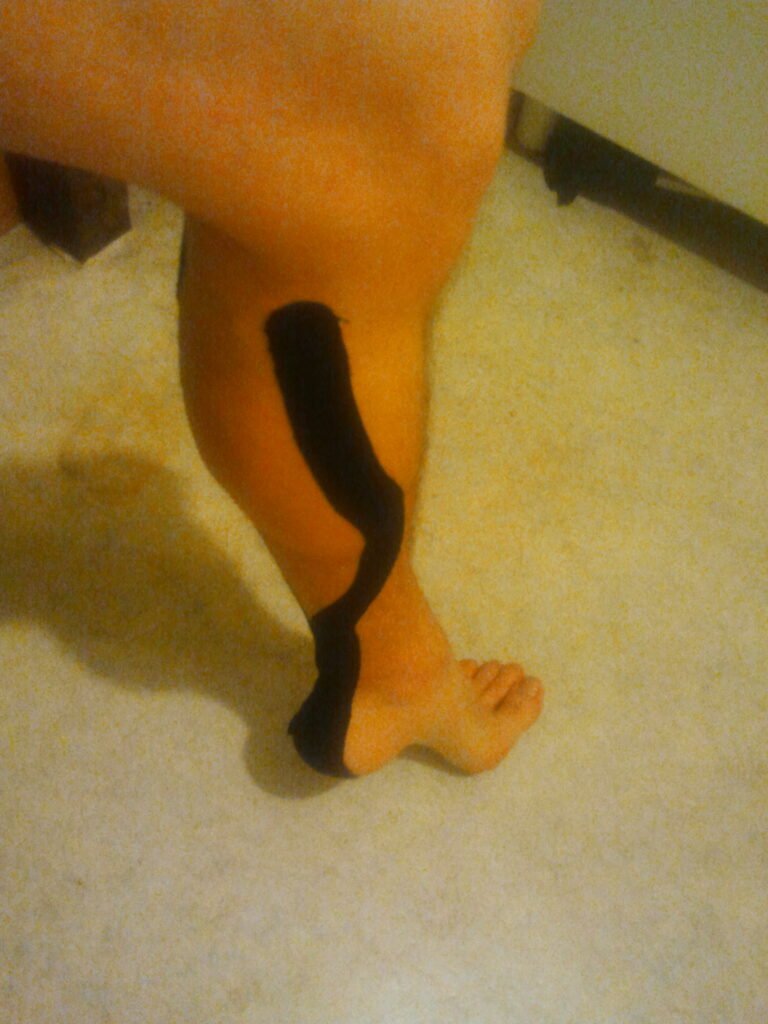
Overview Taping and bracing involve applying athletic tape or supportive braces to joints such as ankles, knees, or wrists, serving both to provide mechanical support that limits potentially harmful movement and to offer proprioceptive feedback that helps an athlete sense joint position during activity. Applications in Prevention and Recovery Athletes use taping and bracing both
Taping and Bracing Read More »
The use of athletic tape or supportive braces to stabilize joints, limit harmful movement, or provide proprioceptive feedback during sport participation.
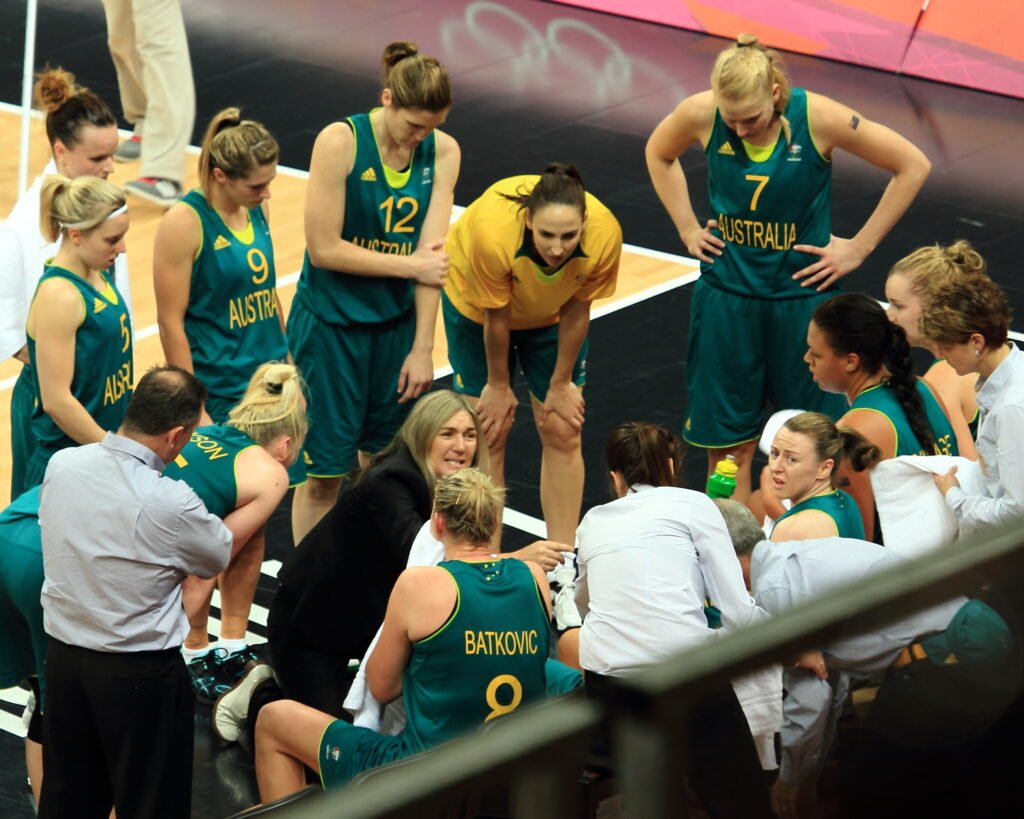
Dimensions of Cohesion Team cohesion describes the degree to which members of a sports team feel bonded together and committed to shared objectives, and sport psychologists typically separate it into two related but distinct dimensions. Task cohesion refers to how effectively team members coordinate and work together toward shared competitive goals, such as executing a
Team Cohesion in Sport Read More »
Team cohesion in sport is the degree to which members of an athletic team are bonded together and unified in pursuit of shared goals and mutual satisfaction.
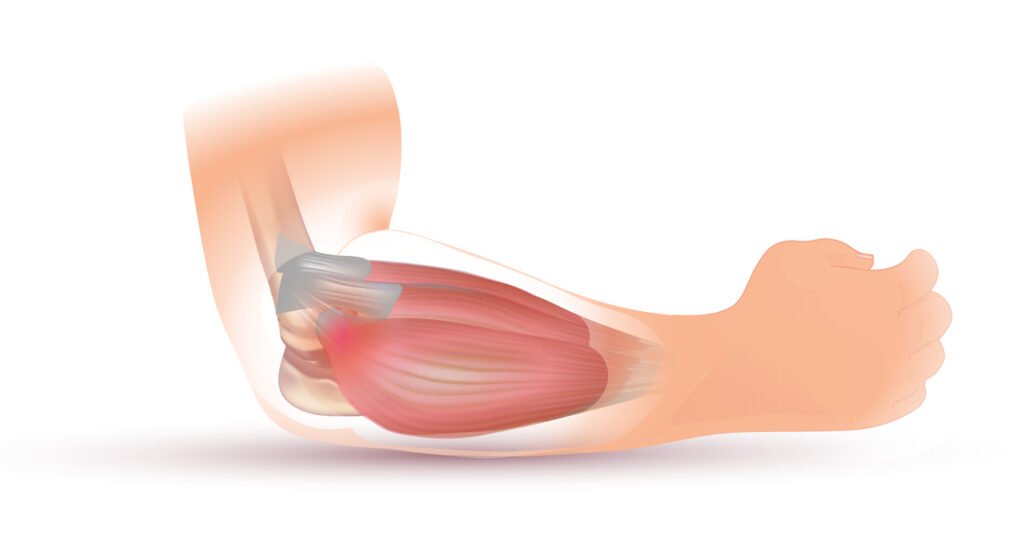
Overview Tendinopathy is a chronic condition characterized by pain and structural degeneration within a tendon, typically developing gradually through repetitive loading over weeks or months rather than resulting from a single acute traumatic event, and commonly affecting sites such as the Achilles tendon, patellar tendon, or rotator cuff. Understanding the Underlying Process Research has shown
Tendinopathy Read More »
A chronic condition involving pain, degeneration, and impaired function of a tendon, typically resulting from repetitive loading over time.
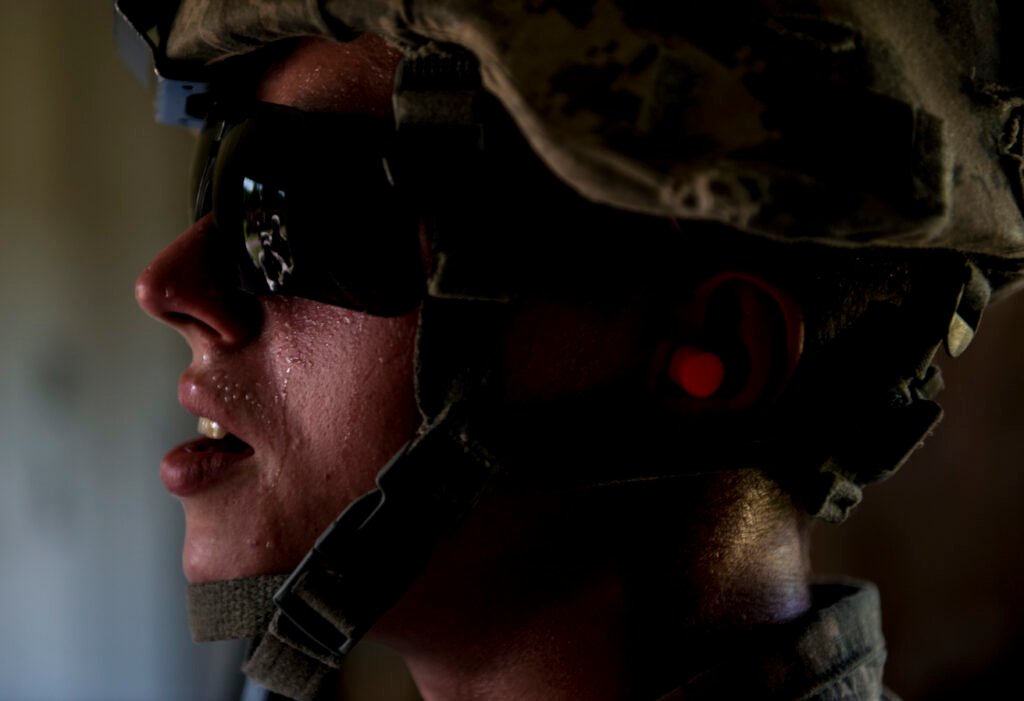
Overview During exercise, working muscles generate substantial heat as a byproduct of energy production, and the body must dissipate that heat efficiently to avoid a dangerous rise in core temperature, relying primarily on sweating and changes in blood flow distribution. Key Mechanisms As core temperature rises, blood flow is redirected toward the skin to promote
Thermoregulation During Exercise Read More »
The physiological processes the body uses to manage internal temperature during physical exertion, primarily through sweating and blood flow changes.
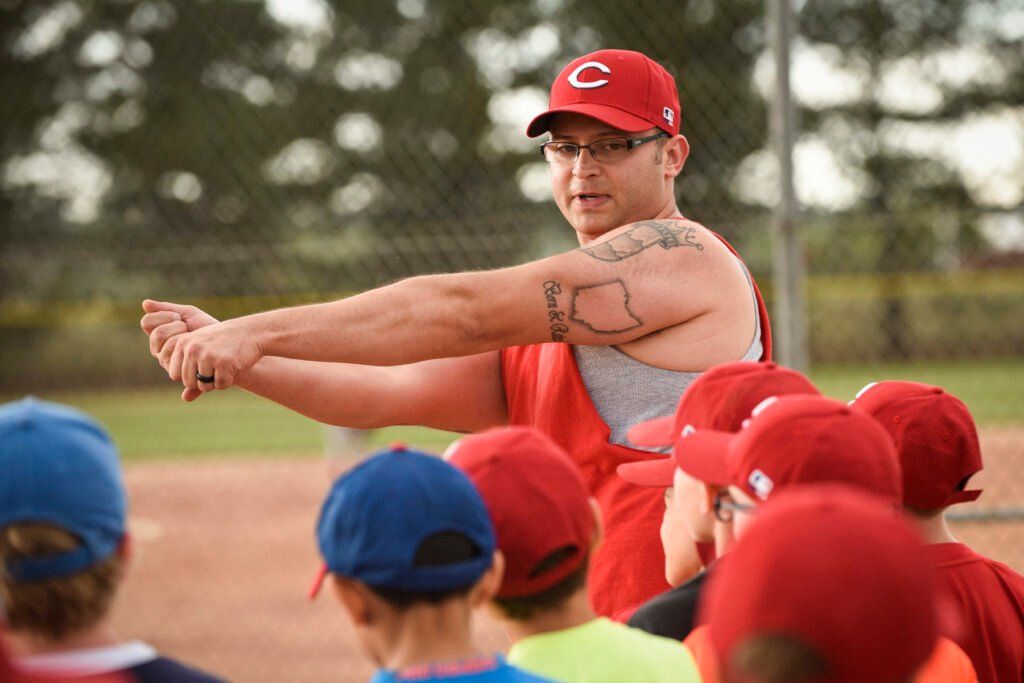
How Sport Shapes Social Development Youth sport socialization refers to the process by which children and adolescents absorb values, social skills, and behavioral expectations through their participation in organized athletics, a process researchers distinguish from socialization into sport, which concerns how a child becomes involved in a particular activity in the first place, often through
Youth Sport Socialization Read More »
Youth sport socialization is the process through which children and adolescents learn values, social roles, teamwork, and behavioral norms through participation in organized sport.