In simple terms
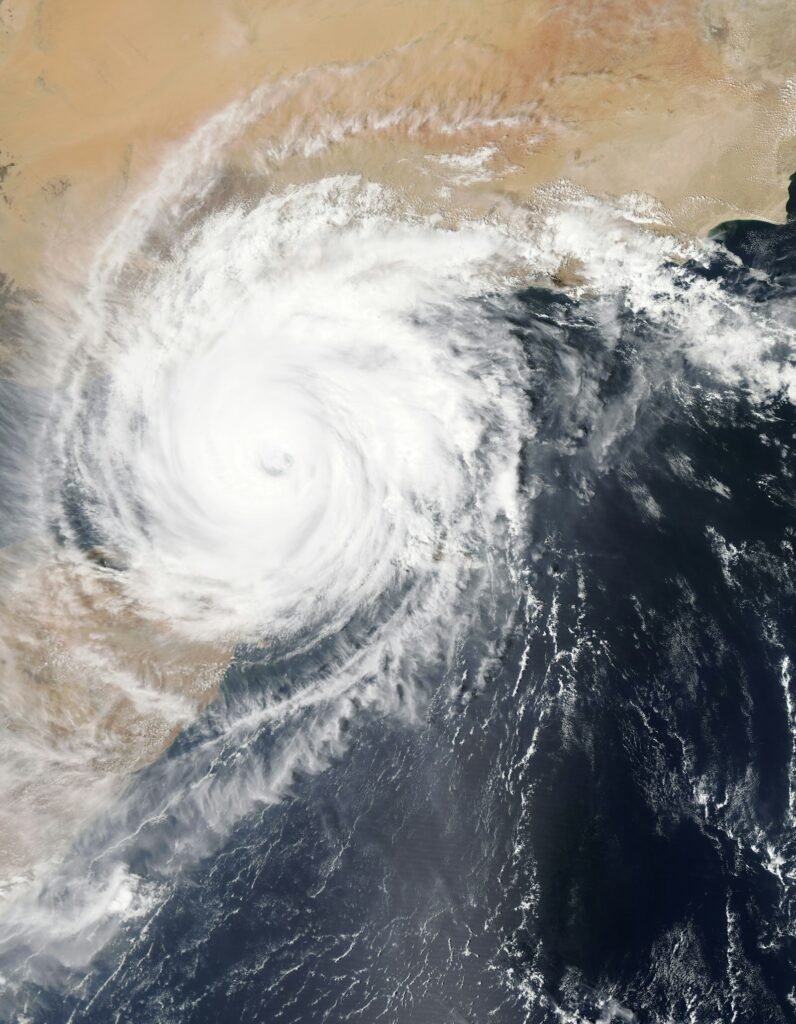
A typhoon is a powerful rotating storm that forms over warm tropical ocean water. It is the same kind of storm as a hurricane.
The name depends only on where the storm happens. In the northwest Pacific it is a typhoon. In the North Atlantic and the central and eastern North Pacific it is a hurricane.
How it works
Forecasters classify these storms by maximum sustained wind. The World Meteorological Organization treats a system below 63 kilometers per hour as a tropical depression, and above that as a named tropical storm.
Past a higher threshold the storm earns its regional title. The WMO puts that threshold at more than 116 kilometers per hour. NOAA gives 74 miles per hour, about 119 kilometers per hour. Agencies also differ in the period over which they average wind speed, so published thresholds do not match exactly.
Responsibility is shared. The RSMC Tokyo Typhoon Center at the Japan Meteorological Agency issues position, movement and intensity information for the western North Pacific and the South China Sea. It states that this is neither official analysis nor a warning: those come from each country national weather service.
Why it matters
Typhoons reach some of the most densely settled coastlines on earth, across Japan, the Philippines, Taiwan, Vietnam and southern China. Wind is only part of the danger.
Heavy rain, river flooding, landslides and storm surge cause much of the damage, and they can arrive well inland from where the storm crosses the coast.
Where you will see it
- Weather warnings and evacuation advisories across East and Southeast Asia.
- Flight and rail cancellations at hubs such as Narita, Manila and Hong Kong.
- Insurance and reinsurance reporting on catastrophe losses.
- Research and policy debate about how the strongest storms are changing.
Example
A typhoon tracked north through the Philippine Sea and weakened over cooler water before reaching Japan, yet its rain bands still flooded low-lying districts.
Often confused with
Typhoon, hurricane and cyclone are not different storms. NOAA puts it plainly: the only difference is the location where the storm occurs.
Key facts
- NOAA states the only difference between a hurricane and a typhoon is the location where the storm occurs; both are tropical cyclones.2
- Typhoon is the term used in the northwest Pacific; hurricane is used in the North Atlantic and the central and eastern North Pacific.2
- NOAA puts the hurricane and typhoon threshold at maximum sustained winds of 74 miles per hour, about 119 kilometers per hour.2
- The WMO classifies a system below 63 kilometers per hour as a tropical depression and above that as a named tropical storm, with the regional title applied above about 116 kilometers per hour.1
- The RSMC Tokyo Typhoon Center covers the western North Pacific and the South China Sea, but official warnings come from national weather services.3
In the news
Quick checkIs a typhoon different from a hurricane?Show answer
No. They are the same kind of storm. Typhoon is the name used in the northwest Pacific, hurricane in the Atlantic and the central and eastern Pacific.
Sources
- World Meteorological Organization. Classification of tropical cyclones. Undated (accessed 23 September 2026)
- National Oceanic and Atmospheric Administration. What is the difference between a hurricane and a typhoon?. Undated (accessed 23 September 2026)
- Japan Meteorological Agency. RSMC Tokyo Typhoon Center. Undated (accessed 23 September 2026)
Editorially reviewed by Specialty Digest Editorial TeamLast reviewed September 23, 2026Researched and drafted with AI assistanceReport an issue