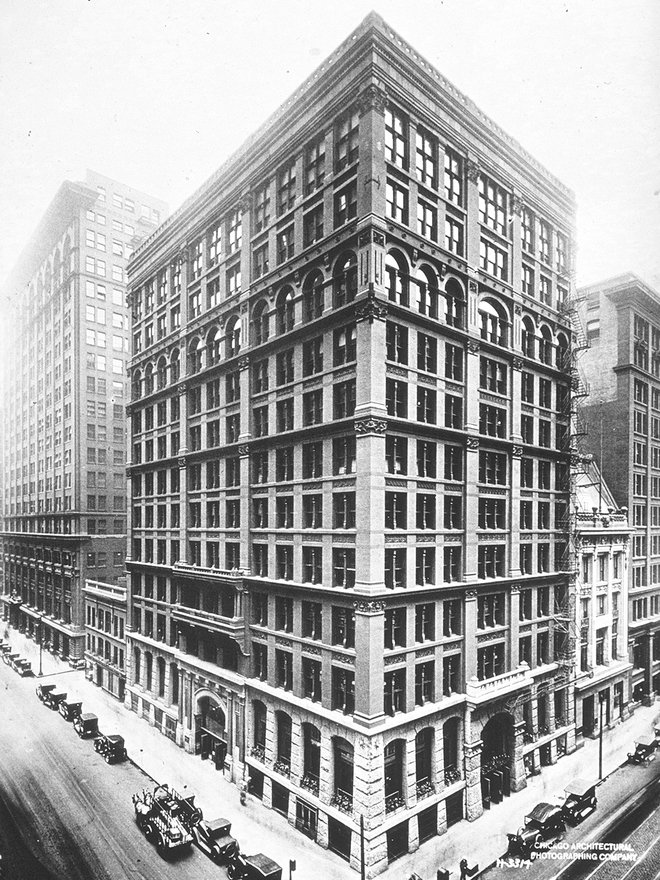
A skyscraper is a very tall, multistory building whose height is made possible by a rigid internal skeleton, usually of steel or reinforced concrete, that bears the structure’s weight, rather than relying on thick, load-bearing masonry walls as earlier tall buildings did. This structural shift, combined with the practical safety elevator, allowed buildings to rise
Skyscraper Read More »
A very tall multistory building supported by a steel or reinforced concrete skeleton frame rather than load-bearing walls.
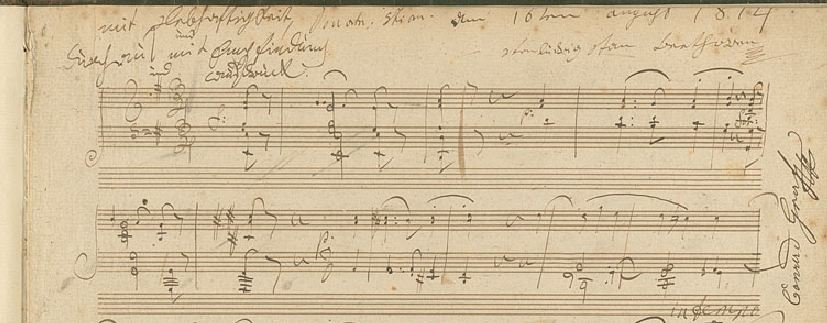
Sonata form, also called sonata-allegro form, is a musical structure used to organize a single movement, most often the first movement, of a larger work such as a sonata, symphony, or string quartet. Built around the thematic and harmonic organization of tonal material, it became the dominant framework for serious instrumental composition during the Classical
Sonata form Read More »
A musical structure of exposition, development and recapitulation used to organize a movement, most often a first movement.
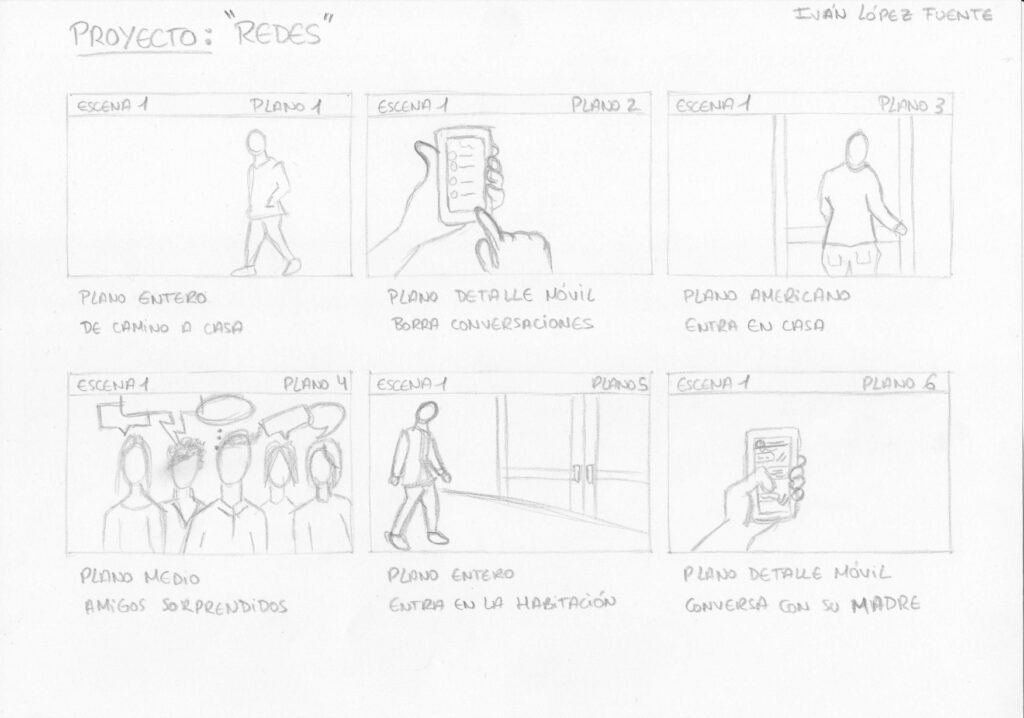
A storyboard is a sequence of sketches, arranged in order, that maps out a story’s key scenes and visual flow before a film, television show, or animated production is actually shot or animated. Filmmakers use storyboards to plan camera angles and shot composition, check whether a story reads clearly, and catch plot holes or continuity
Storyboard Read More »
A sequence of sketches mapping out a story's scenes and visual flow before filming or animation begins.
Surrealism is a twentieth-century cultural and artistic movement that sought to unlock the creative potential of the unconscious mind, rejecting rational control over art and writing in favor of dreamlike imagery and chance. Formally founded in Paris in 1924, it grew to encompass painting, literature, photography, and film, and remains one of the most recognizable
Surrealism Read More »
A 20th-century movement seeking to unlock the unconscious mind through dreamlike imagery, automatic writing, and chance.
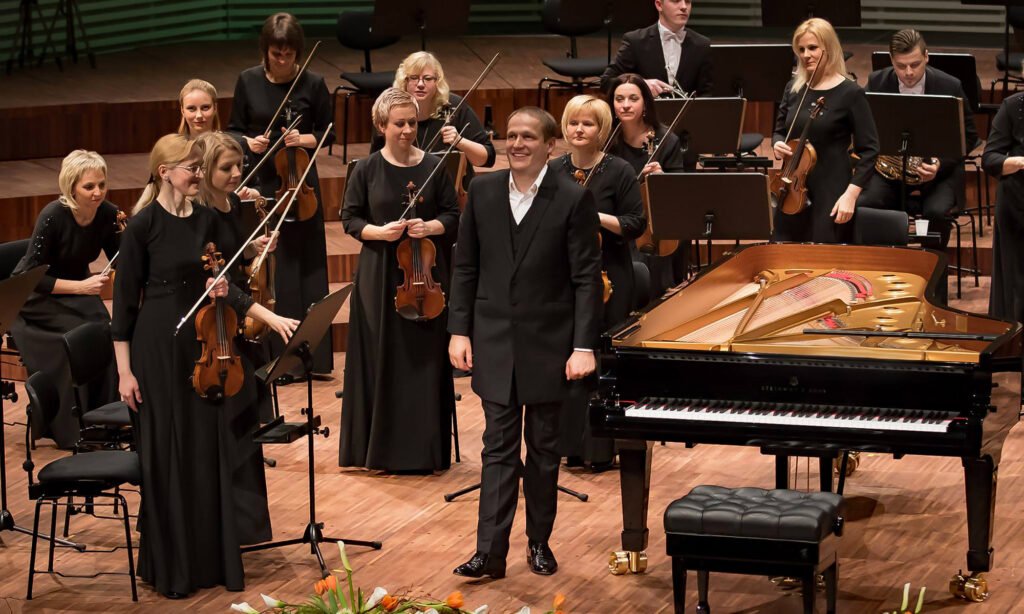
A symphony is an extended multi-movement composition for orchestra, typically lasting between twenty and forty-five minutes and usually built from three or four distinct movements that vary in tempo and character. The word derives from the Greek symphonia, meaning roughly ‘agreement or concord of sound,’ and its meaning shifted considerably over the centuries before settling
Symphony Read More »
An extended multi-movement orchestral composition, typically built from three or four movements of varying tempo.
In simple terms Typography is the craft of arranging type, choosing typefaces, sizes, spacing, and layout, so that written text is both readable and expressive. [1] It covers everything from selecting a font for a book to setting the letter spacing on a street sign. How it works A typeface is a complete family of
Typography Read More »
Typography is the craft of arranging type, choosing typefaces, sizes, spacing, and layout, so that written text is both readable and expressive.
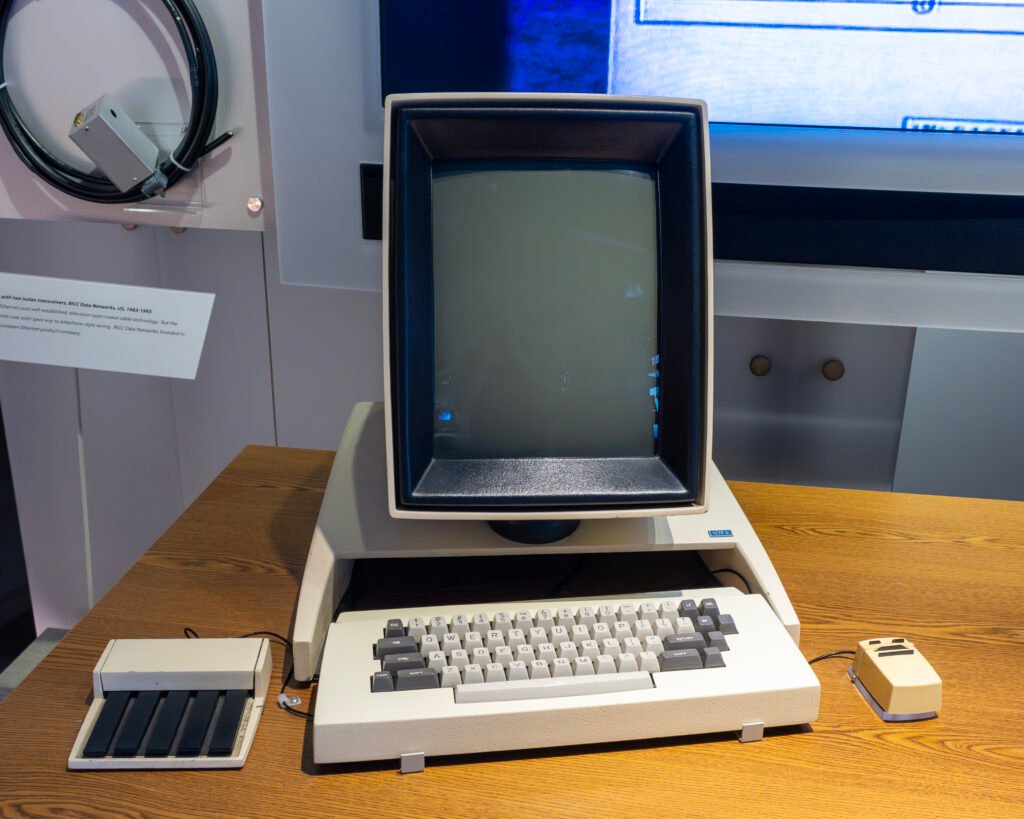
User interface design is the practice of designing the visual and interactive elements, including buttons, menus, icons, and screen layouts, through which a person operates a digital system such as a computer, website, or mobile app. Good interface design aims to make a system’s functions clear and predictable, so that people can accomplish tasks without
User interface design Read More »
Designing the visual and interactive elements through which a person operates a digital system.
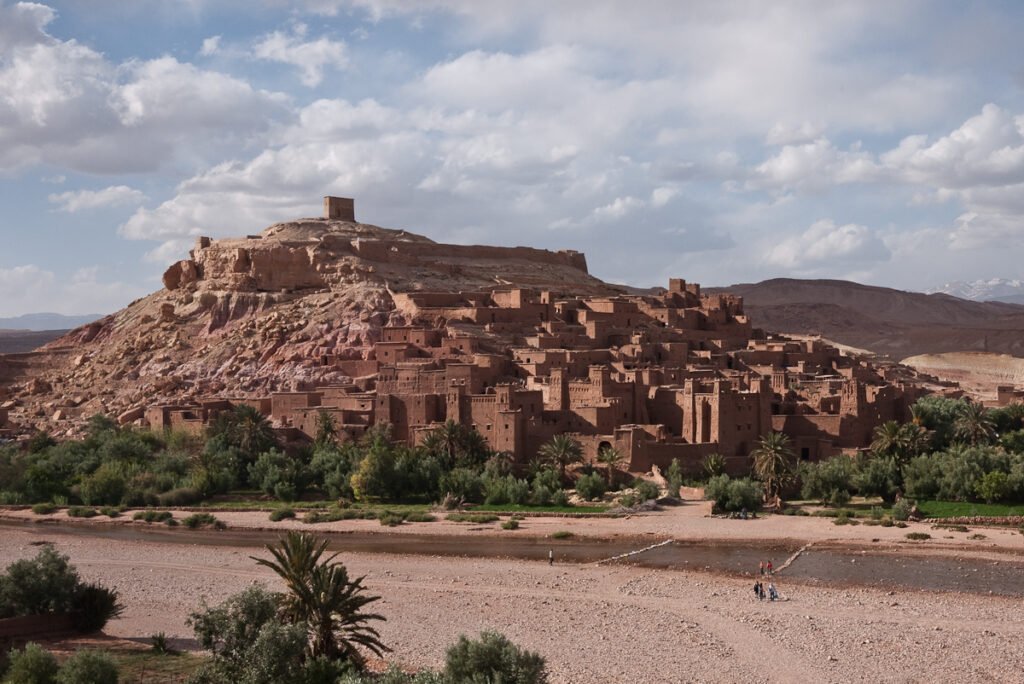
Vernacular architecture refers to the everyday, informally developed buildings of a particular place, shaped over generations by local climate, available materials, customs, and practical knowledge rather than by a professionally trained architect working from an abstract style. It is not a single visual style but a way of building that responds closely to the specific
Vernacular architecture Read More »
Everyday building traditions shaped by local climate, materials and custom rather than by a trained architect's formal style.
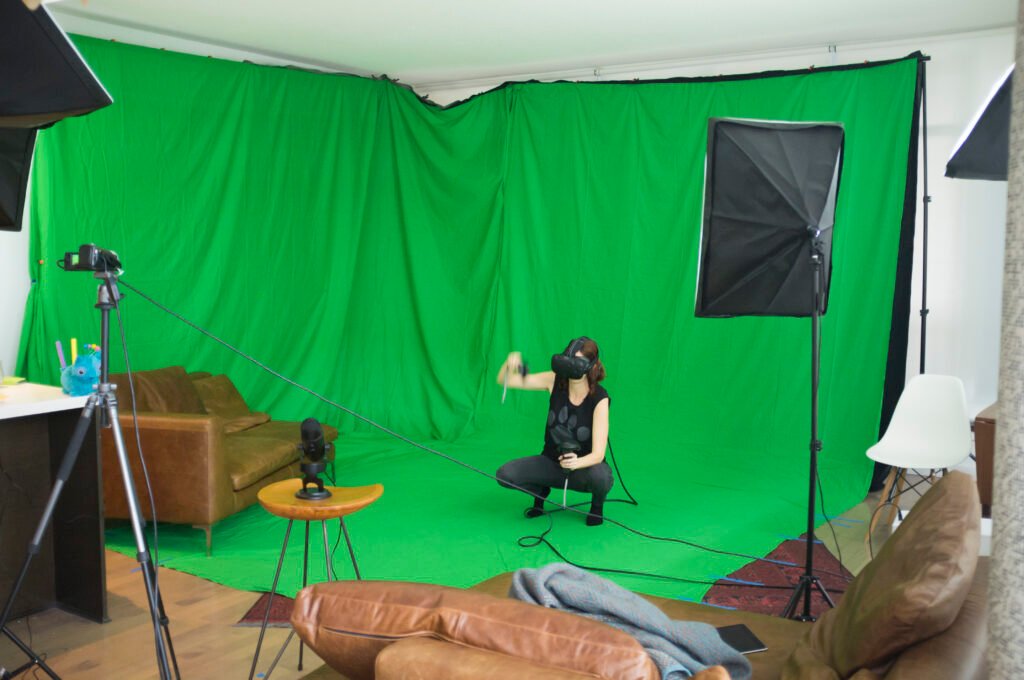
Visual effects, often abbreviated VFX, are imagery created or manipulated outside of what was actually captured directly on a film set, used to show something impossible, dangerous, or too expensive to film practically. Filmmakers generally split these techniques into practical effects, created physically in front of the camera, and digital effects, created afterward using computer
Visual effects Read More »
Imagery created or manipulated outside direct filming, split between practical, in-camera effects and digital, computer-generated effects.
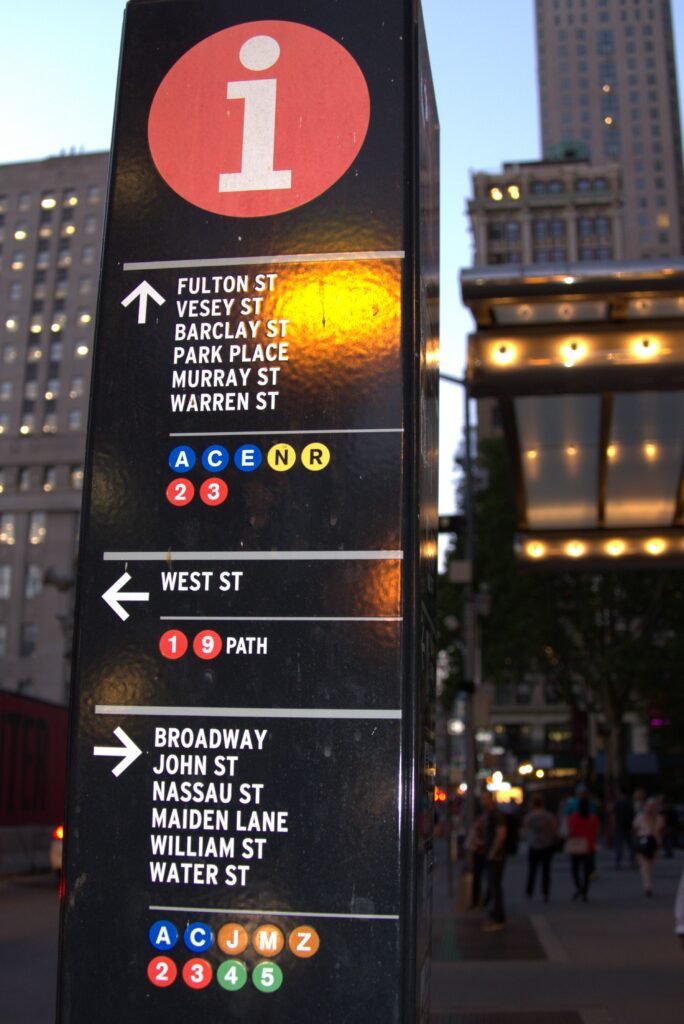
Wayfinding refers to how people orient themselves and find their way through physical space, as well as to the signs, maps, and other design elements created specifically to help them do so, a field that sits at the intersection of graphic design, architecture, and cognitive science. Origins of the term Urban planner Kevin Lynch introduced
Wayfinding Read More »
How people orient and navigate through physical space, and the signage and design that helps them do so.