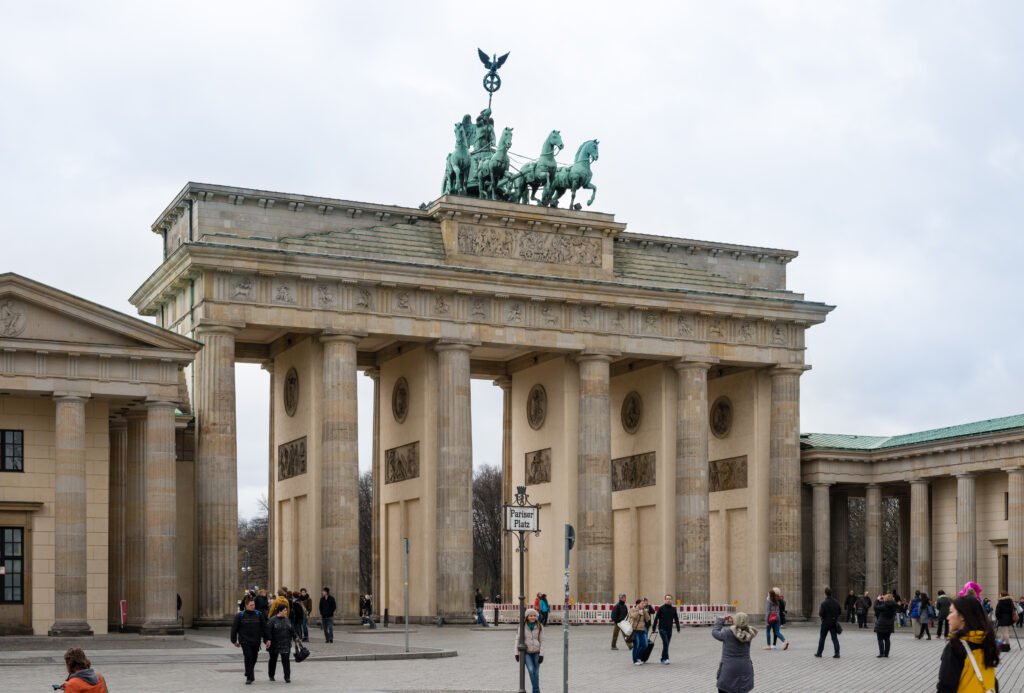
Neoclassical architecture is a style that revived the forms of ancient Greek and Roman architecture, emphasizing symmetry, simple geometric volumes, and flat wall surfaces rather than heavy ornament. It emerged in the mid-eighteenth century as a deliberate reaction against the elaborate curves and dense ornamentation of the Baroque and Rococo styles that preceded it. Palladian
Neoclassical architecture Read More »
A mid-18th-century style reviving ancient Greek and Roman forms, emphasizing symmetry and restraint over Baroque and Rococo ornament.
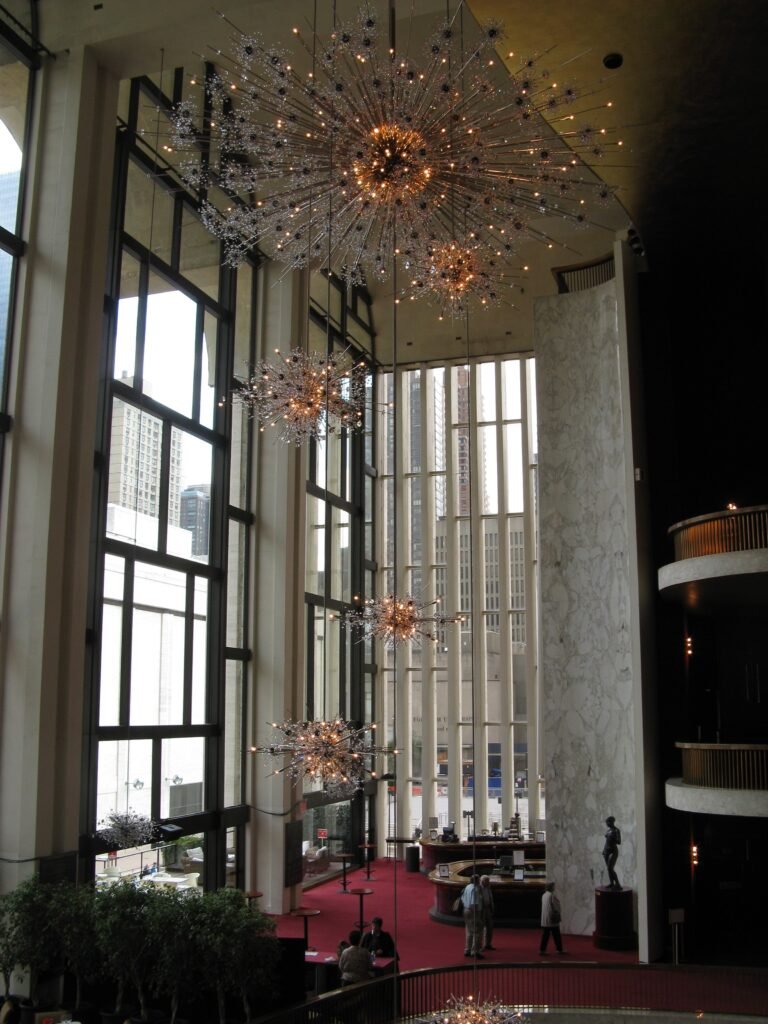
Opera is a form of theatrical performance in which the entire drama, or nearly all of it, is sung rather than spoken, combining music, singing, acting, and often elaborate staging, costumes, and orchestral accompaniment into a single large-scale art form. It emerged in Italy at the end of the sixteenth century from efforts to revive
Opera Read More »
A fully-sung theatrical form invented in 1590s Florence, with Monteverdi's 1607 L'Orfeo its earliest masterwork still performed today.
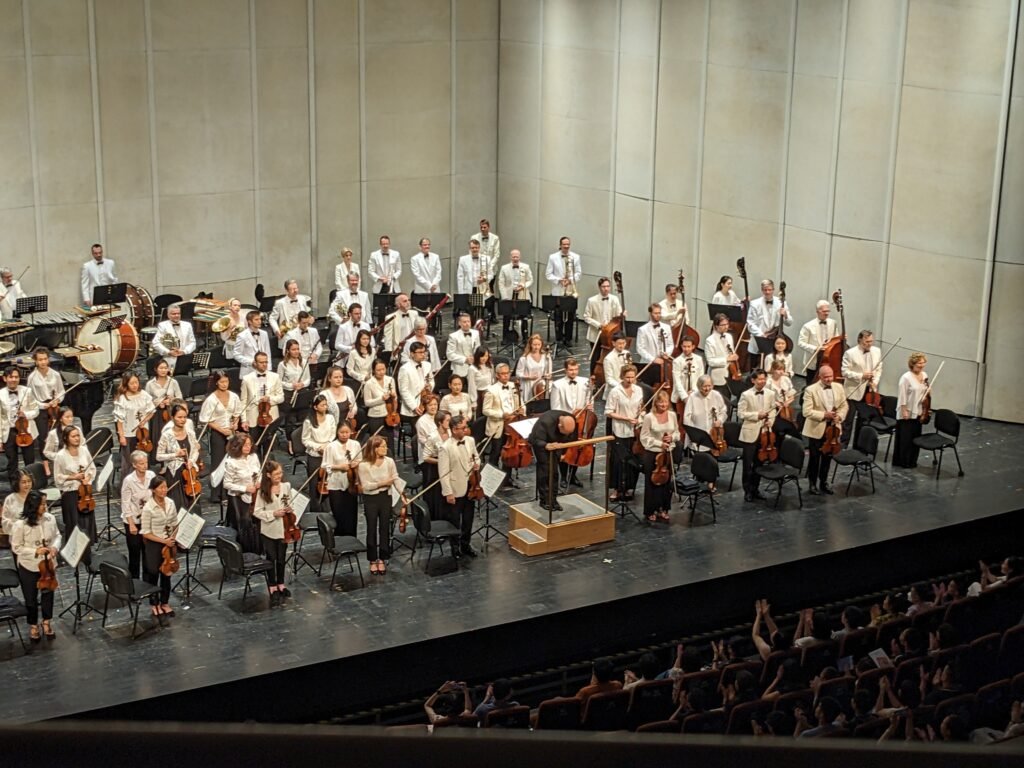
An orchestra is a large ensemble of musicians, typically combining string, woodwind, brass, and percussion sections, who perform complex compositions together, usually under the direction of a conductor. A full symphony orchestra can include close to one hundred musicians, making careful coordination essential to keeping such a large group playing precisely together. Origins Modern orchestras
Orchestra Read More »
A large ensemble of string, woodwind, brass and percussion musicians performing together, usually under a conductor.
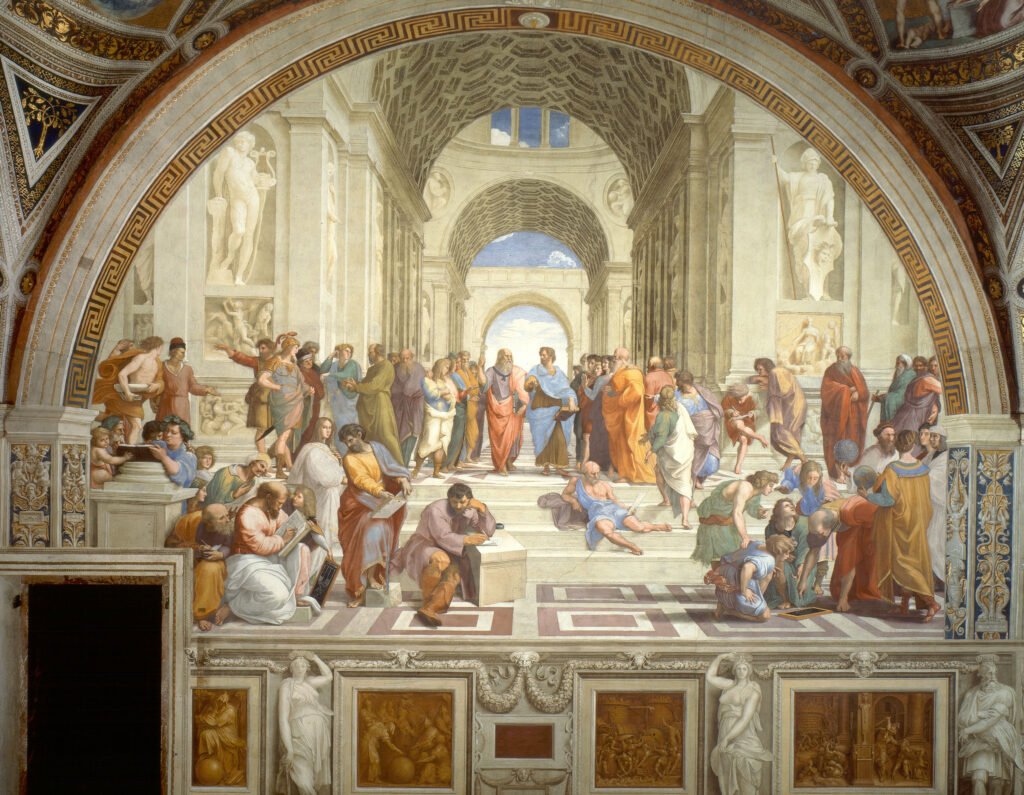
Perspective, in the visual arts, is a set of techniques for representing three-dimensional space and depth on a flat, two-dimensional surface, so that objects appear to recede into the distance the way they do to the human eye. The most influential version, linear perspective, uses converging lines and a vanishing point to create a convincing
Perspective (art) Read More »
Techniques for representing three-dimensional depth on a flat surface, systematized by Brunelleschi in Florence around 1420.
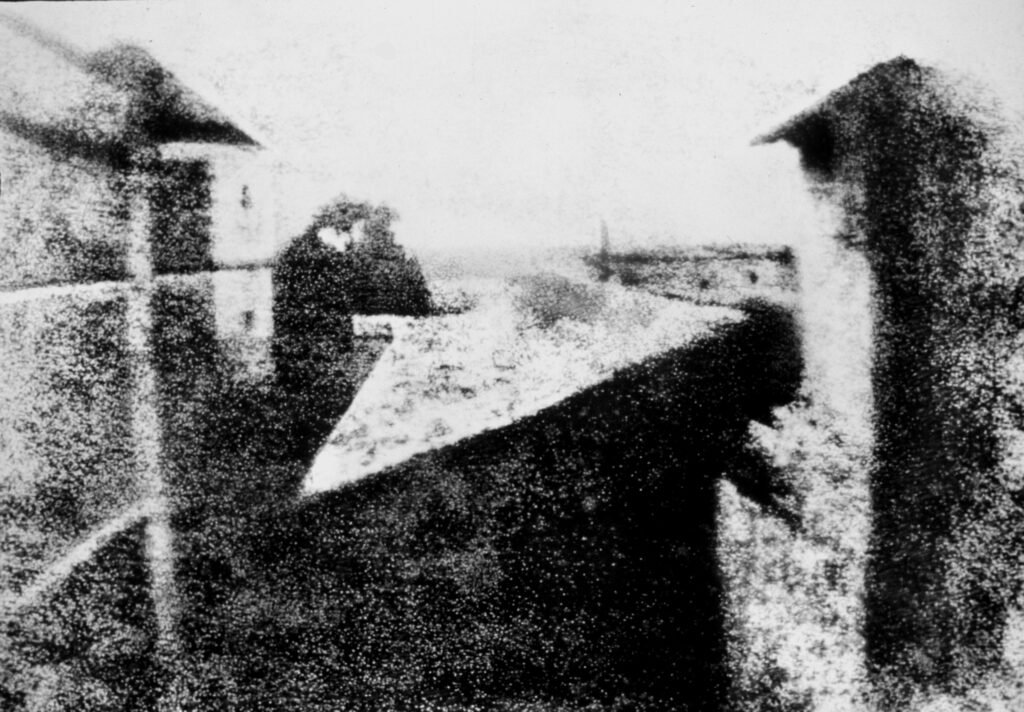
Photography is the process and art of capturing a permanent image using light, originally through a light-sensitive chemical surface and today increasingly through digital sensors, a technology whose basic chemical and optical principles were worked out independently by several inventors in the early nineteenth century. Early invention French inventor Joseph Nicephore Niepce produced the earliest
Photography Read More »
The process and art of capturing a permanent image using light, chemically or digitally.
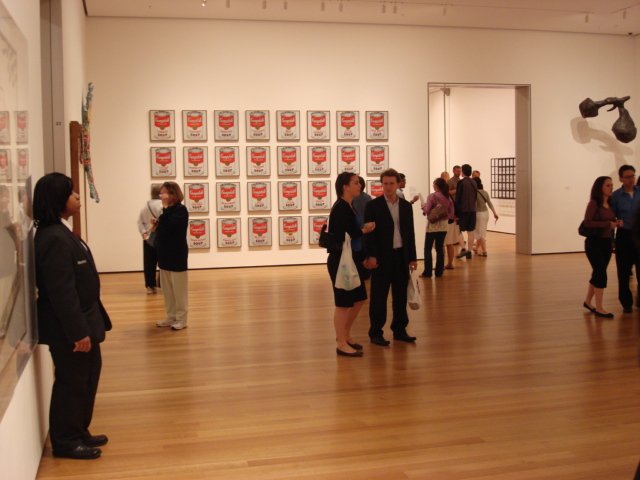
Pop art is an art movement that emerged in the mid-1950s and flourished through the 1960s, drawing its imagery directly from mass consumer culture, advertising, comic books, and celebrity, deliberately blurring the line between fine art and the commercial visual world that surrounded ordinary postwar life. British origins The movement’s first widely recognized milestone is
Pop art Read More »
A mid-1950s to 1960s art movement drawing its imagery from mass consumer culture, advertising, and celebrity.
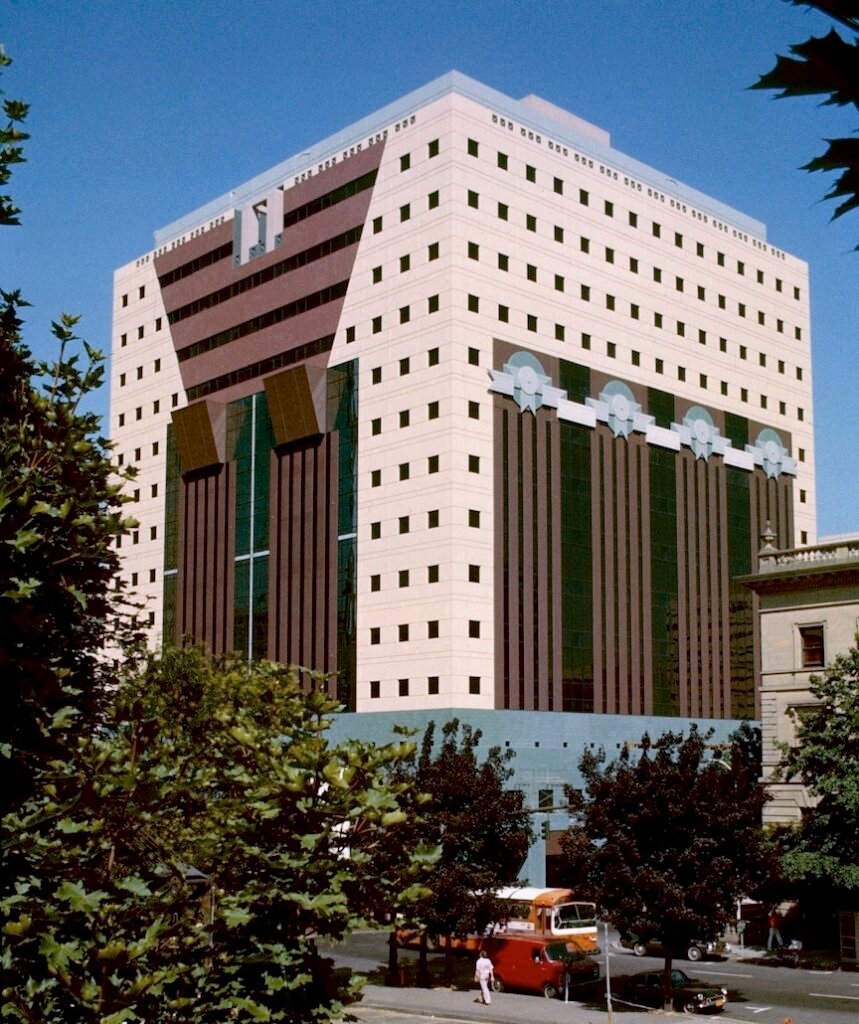
Postmodern architecture is a style and movement that emerged in the 1960s as a direct reaction against modern architecture, especially the austere, ornament-free International Style, reintroducing historical reference, color, humor, and complexity that modernism had deliberately stripped away. It flourished through the 1980s and 1990s before gradually splintering into several successor tendencies by the late
Postmodern architecture Read More »
A 1960s-1990s architectural movement that reintroduced ornament, color, and historical reference as a reaction against modernism.
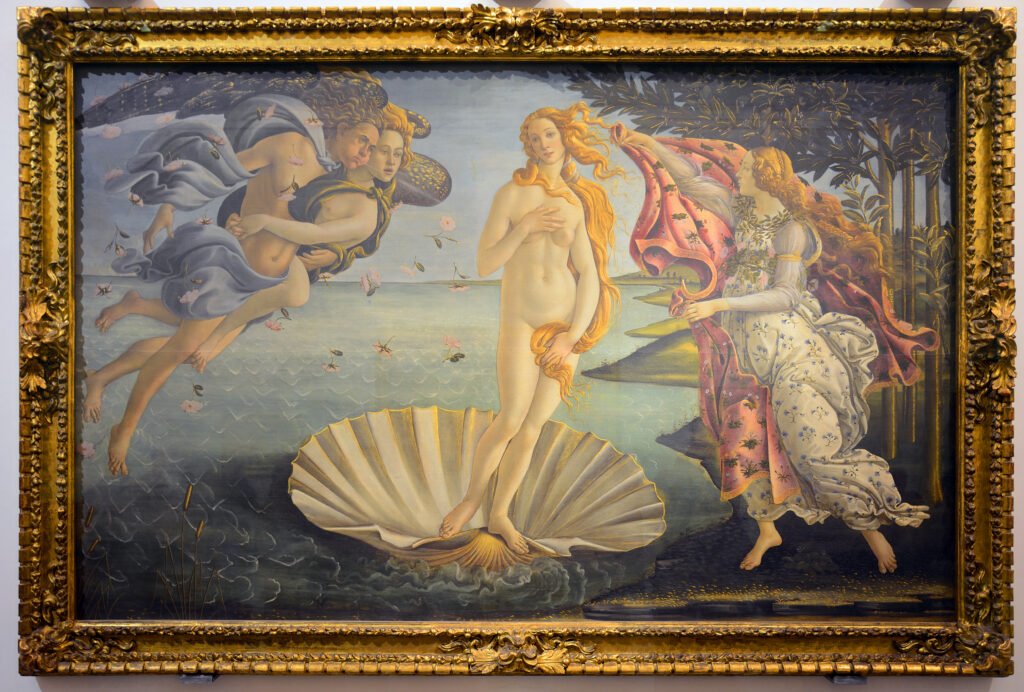
The Renaissance was a period of renewed interest in classical Greek and Roman learning, art, and culture that began in Italy in the fourteenth century and spread across Europe over the following three centuries, profoundly reshaping painting, sculpture, architecture, science, and intellectual life. The word itself means “rebirth” in French, reflecting how later historians framed
Renaissance Read More »
A rebirth of classical learning and art beginning in 14th-century Florence, producing Leonardo, Michelangelo and Raphael.
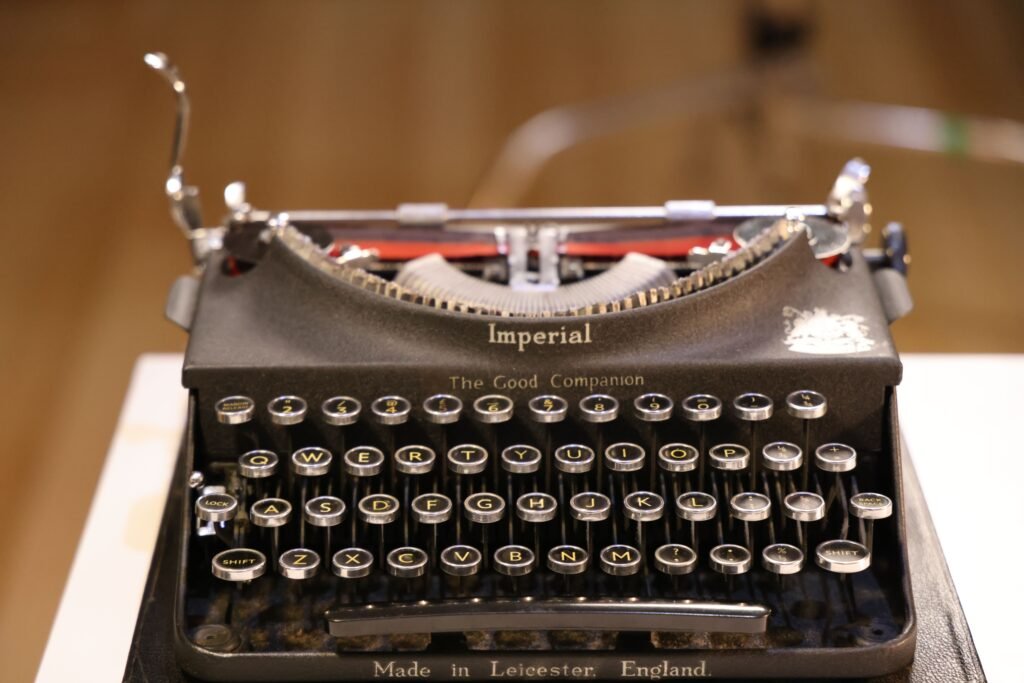
Screenwriting is the craft of writing scripts for film and television, combining story structure, dialogue, and a standardized visual format that tells a director, cast, and crew exactly what should appear on screen and in what order. A finished screenplay typically specifies scene headings, action description, character names, and dialogue in a consistent layout that
Screenwriting Read More »
The craft of writing scripts for film and television, combining story structure, dialogue and standardized formatting.
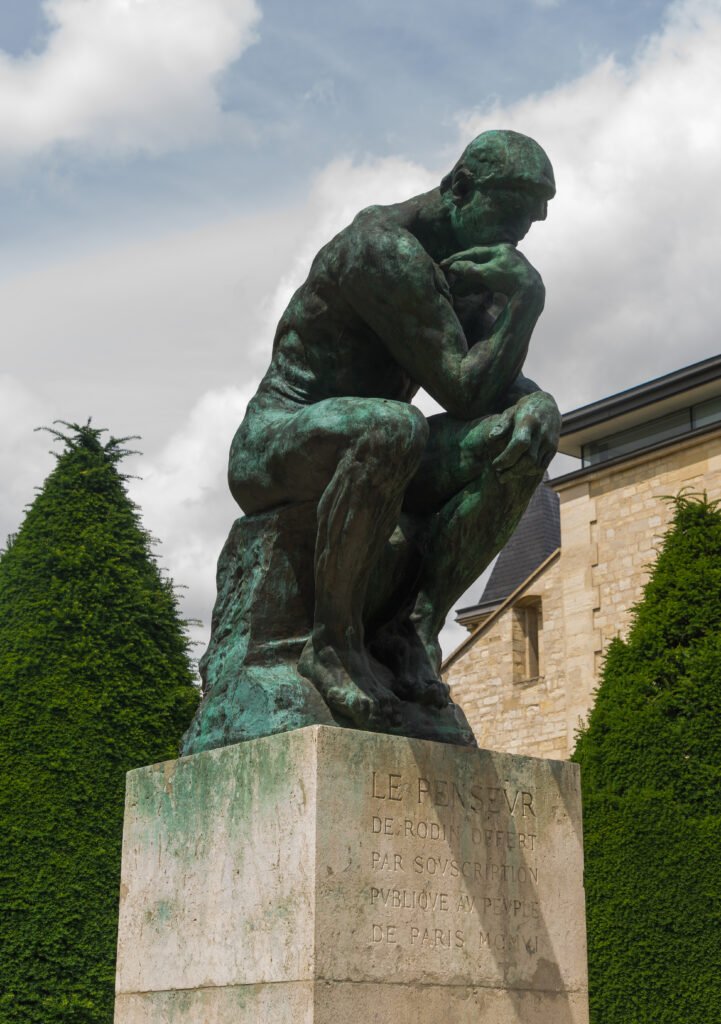
Sculpture is the art of creating three-dimensional works by carving, modeling, casting, or assembling material into a shape meant to be experienced in physical space rather than on a flat surface. Because a sculpture occupies real volume, viewers typically can walk around it and view it from multiple angles, a spatial quality unique among the
Sculpture Read More »
The art of creating three-dimensional works by carving, modeling, casting, or assembling material.