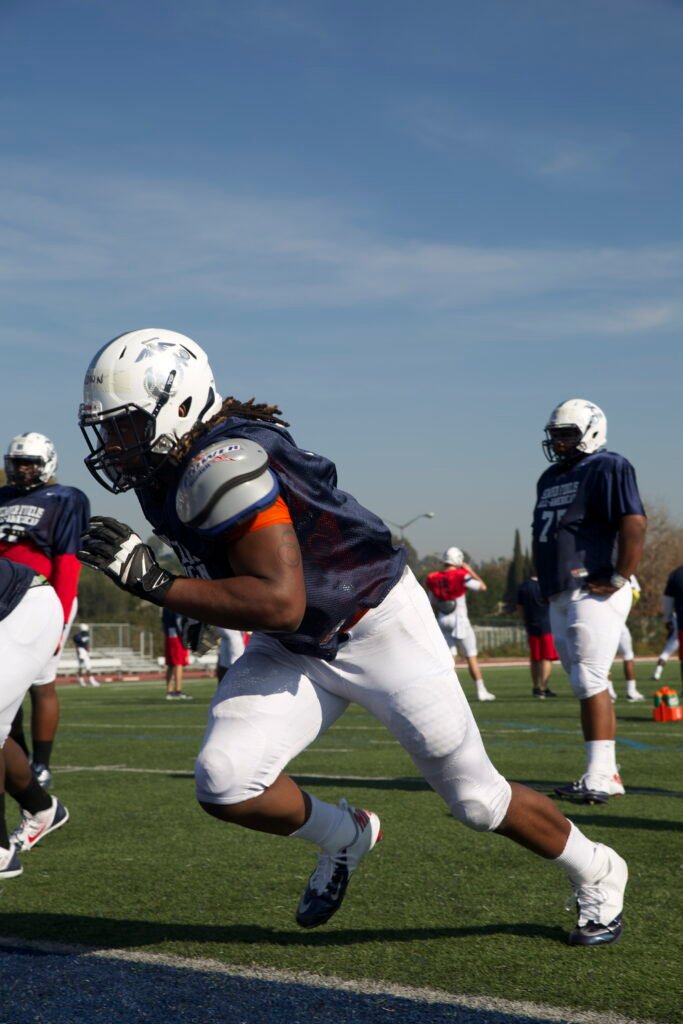
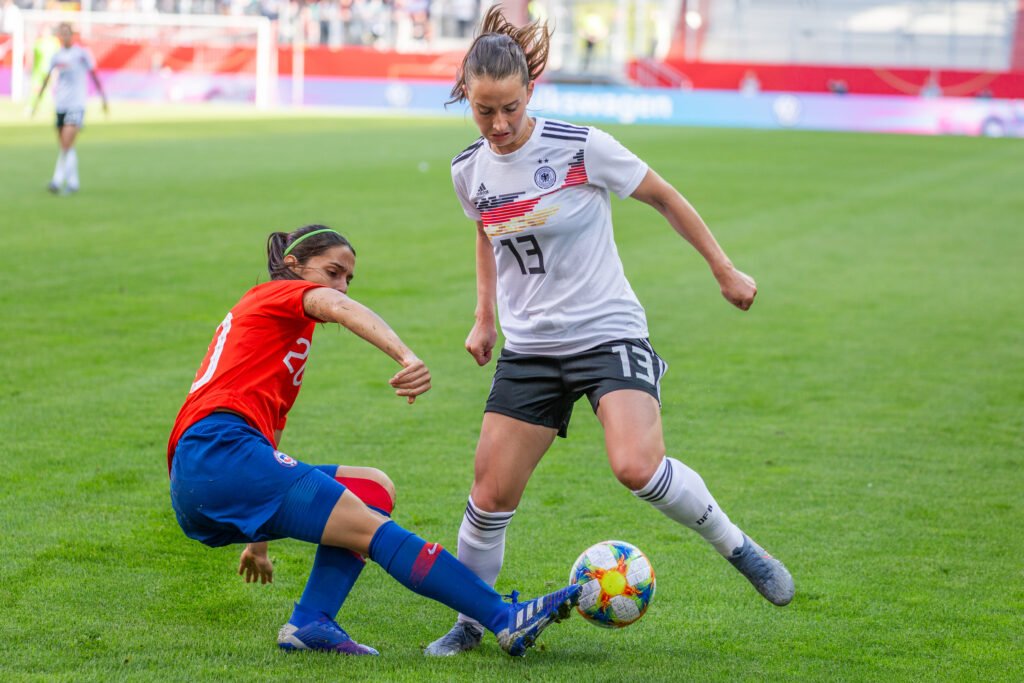
Overview A sport-related concussion is a form of traumatic brain injury caused by a blow or jolt to the head or body that disrupts normal brain function temporarily, producing symptoms that can include headache, confusion, dizziness, and difficulty concentrating, even without any visible external injury. Assessment and Management Athletes suspected of sustaining a concussion are
Concussion in Sport Read More »
A traumatic brain injury caused by a blow or jolt to the head or body that disrupts normal brain function, common in contact sports.
Overview Deliberate practice refers to a highly structured form of training involving specific, effortful activities designed to improve performance in a particular skill or domain. Unlike casual repetition, deliberate practice requires a performer to work at the edge of their current ability, receive immediate feedback, and pursue clearly defined, often narrowly focused improvement goals. The
Deliberate Practice Read More »
A highly structured form of training that involves specific, effortful activities designed to improve performance, typically with expert feedback and clear goals.
Overview Muscular contraction requires a constant supply of chemical energy, and the body draws on three interconnected metabolic pathways to meet that demand depending on how intense and how long an activity lasts, shifting the balance between them as effort continues. The Three Pathways The phosphagen system provides very rapid energy for efforts lasting only
Energy Systems in Exercise Read More »
The three main metabolic pathways the body uses to produce energy for muscular contraction during activities of varying intensity and duration.
Overview Exercise economy describes how much oxygen an athlete needs to sustain a given submaximal speed or power output, and it is a separate quality from raw aerobic capacity, meaning two athletes with identical oxygen-uptake ceilings can still perform quite differently in competition. What Shapes Economy Running and cycling economy are influenced by factors including
Exercise Economy Read More »
A measure of how efficiently an athlete uses oxygen to sustain a given submaximal pace or power output.
Overview Exercise-induced fatigue describes the temporary decline in a muscle capacity to generate force or sustain output as exertion continues, and researchers generally divide its causes into central origins within the nervous system and peripheral origins within the muscle tissue itself. Central and Peripheral Contributors Central fatigue involves reduced neural drive from the brain and
Exercise-Induced Fatigue Read More »
The temporary decline in a muscle ability to produce force or sustain activity as a result of physical exertion.
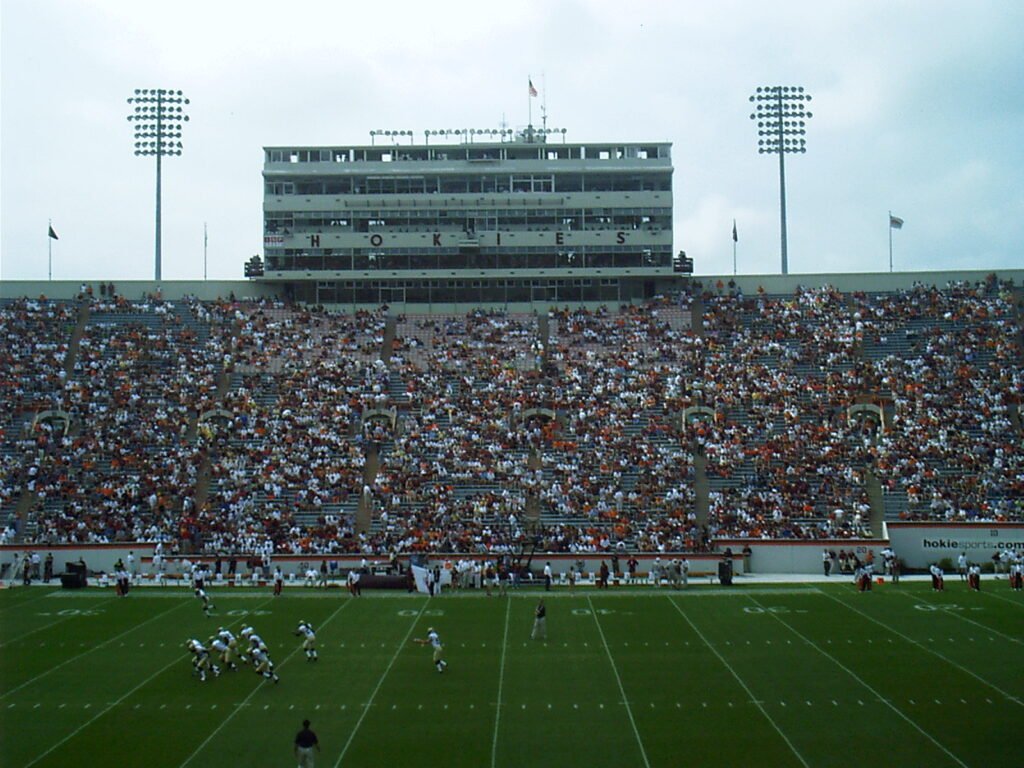
Overview Facility management in sport covers the full range of activities needed to keep stadiums, arenas, and training venues safe, functional, and financially viable, spanning everything from field and turf maintenance to ticketing systems, concessions, and emergency planning for large crowds. Operational Priorities Facility managers must balance the often-competing demands of athlete safety, spectator experience,
Facility Management in Sport Read More »
The planning, operation, and maintenance of stadiums, arenas, and other venues used for sporting events and activities.
Characteristics of Flow Flow state, a concept popularized by psychologist Mihaly Csikszentmihalyi, describes the experience many athletes informally call being in the zone, a state of complete absorption in the present moment where action and awareness seem to merge, self-conscious thought largely disappears, and performance feels effortless despite being objectively excellent. Athletes in flow commonly
Flow State in Sport Read More »
Flow state in sport describes a state of complete absorption in an athletic activity, marked by intense focus, a sense of effortless control, and a loss of self-conscious awareness.
Overview Game analysis and scouting involves the systematic observation and evaluation of opposing teams, individual players, or prospective recruits to inform decision-making in sport. The practice generally splits into two related functions: tactical scouting, which focuses on understanding an upcoming opponent patterns and tendencies to prepare a specific game plan, and talent scouting, which evaluates
Game Analysis and Scouting Read More »
The process of systematically observing and evaluating opposing teams, players, or prospective recruits to inform tactical preparation and talent acquisition decisions.
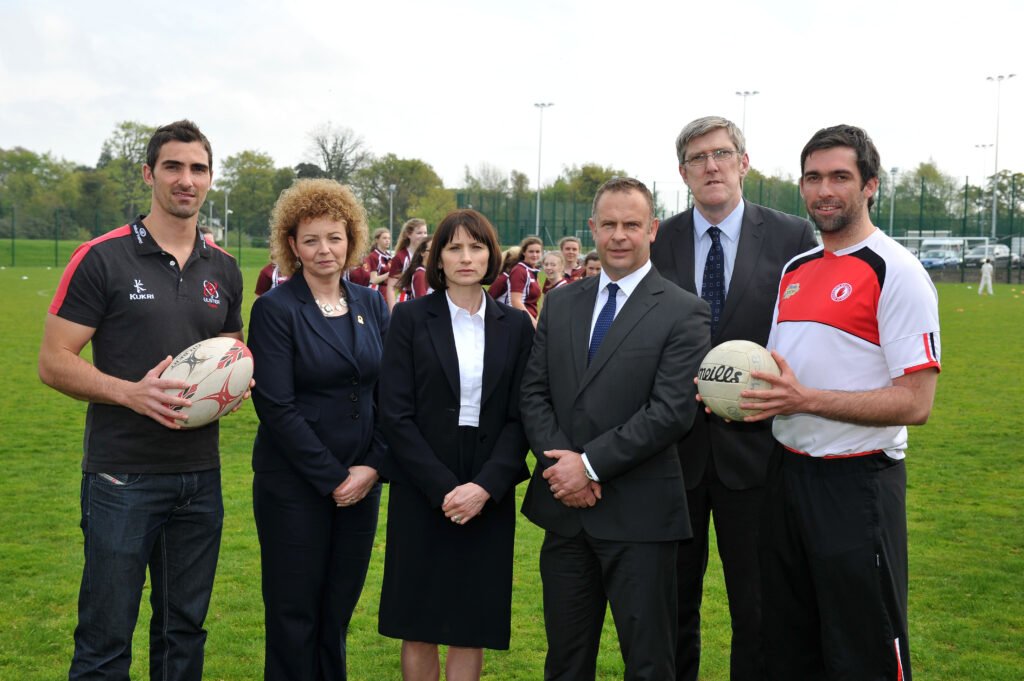
Historical and Social Context The sociological study of gender in sport examines how social expectations about gender have historically shaped, and continue to shape, who participates in sport, which sports are considered socially appropriate for different genders, how athletes are covered by media, and how pay and resources are distributed across men and women competitive
Gender in Sport Read More »
Gender in sport is the sociological study of how gender norms, inequality, and social expectations shape participation, opportunity, media coverage, and experience across athletic contexts.
Overview Heat illness in athletes describes a spectrum of conditions that occur when the body cannot adequately dissipate heat generated during exercise in hot conditions, ranging from relatively mild heat cramps and heat exhaustion up to heat stroke, a life-threatening emergency requiring immediate medical intervention. Recognizing Warning Signs Early symptoms such as excessive sweating, dizziness,
Heat Illness in Athletes Read More »
A spectrum of conditions ranging from mild heat exhaustion to life-threatening heat stroke, caused by the body inability to adequately regulate temperature during exercise in hot conditions.