Food safety standards are formal, often legally binding requirements that define acceptable limits for contaminants, proper handling practices, and quality benchmarks that food products and facilities must meet before reaching consumers. Standards are set and enforced by government agencies, international bodies, and sometimes private industry certification programs, creating a layered system of food safety oversight.
Food Safety Standards Read More »
Formal requirements defining acceptable contaminant limits, handling practices, and quality benchmarks for food products.
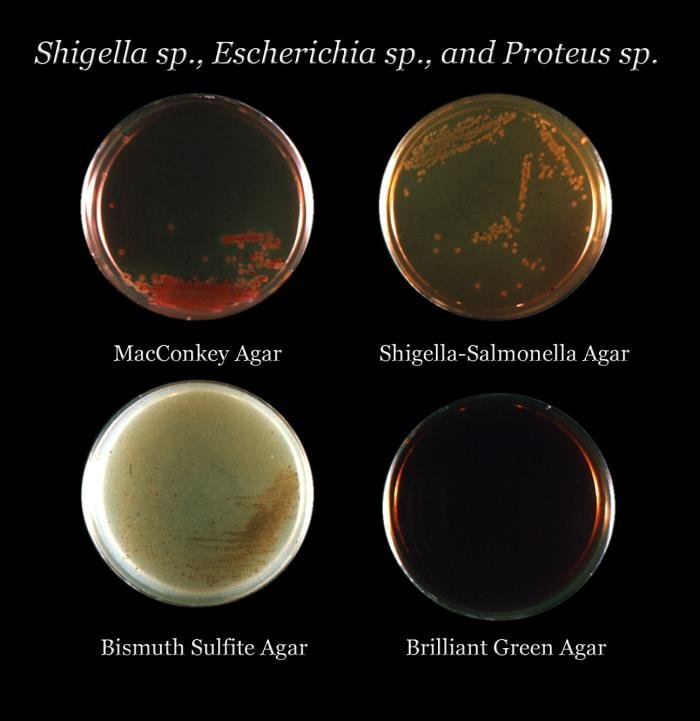
Food sanitation encompasses the cleaning, disinfection, and hygiene practices used throughout food production, preparation, and service to prevent contamination and the spread of foodborne illness. It covers everything from handwashing protocols and equipment cleaning schedules to pest control and facility design, forming a foundational layer of food safety distinct from but closely related to HACCP-style
Food Sanitation Read More »
The cleaning, disinfection, and hygiene practices used throughout food production and service to prevent contamination.
Food texture refers to the physical and structural properties of food that can be perceived through touch, including the mouth, as well as sight and sound, encompassing qualities such as crispness, chewiness, smoothness, and juiciness that significantly shape how a food is experienced and enjoyed independent of its flavor or aroma. Texture plays a critical
Food Texture Read More »
The physical and structural properties of food perceived through touch, sight, and sound, such as crispness or chewiness.
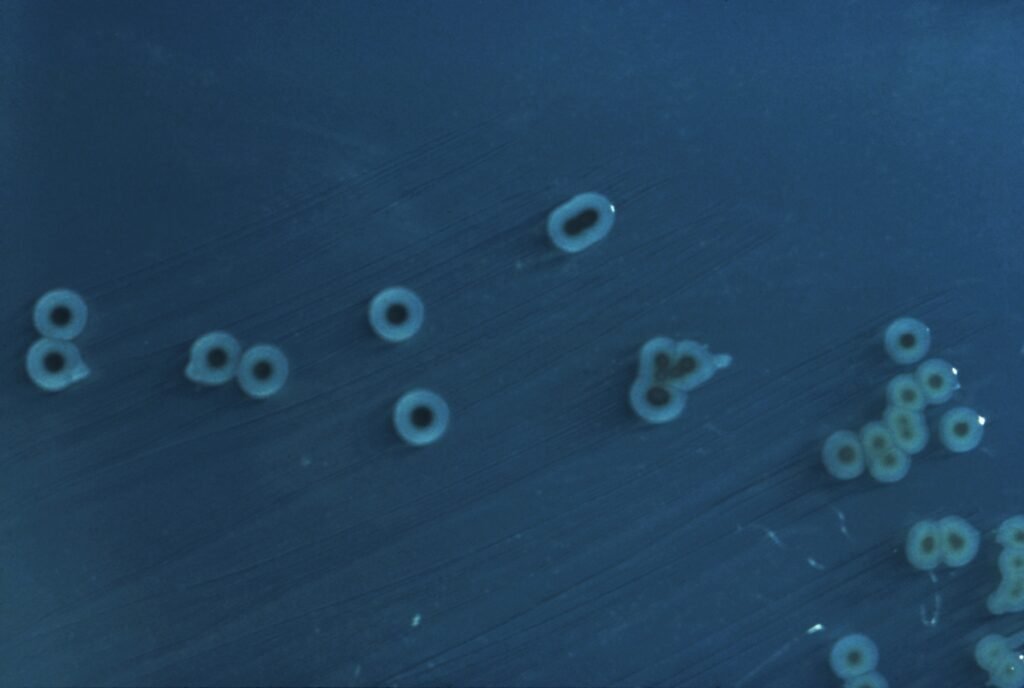
Foodborne illness is sickness caused by consuming food or beverages contaminated with harmful bacteria, viruses, parasites, or toxins. It represents a major public health burden worldwide, with the World Health Organization estimating hundreds of millions of cases and hundreds of thousands of deaths annually across the globe. Common Causes Bacterial pathogens including Salmonella, Campylobacter, and
Foodborne Illness Read More »
Sickness caused by consuming food or beverages contaminated with harmful bacteria, viruses, parasites, or toxins.
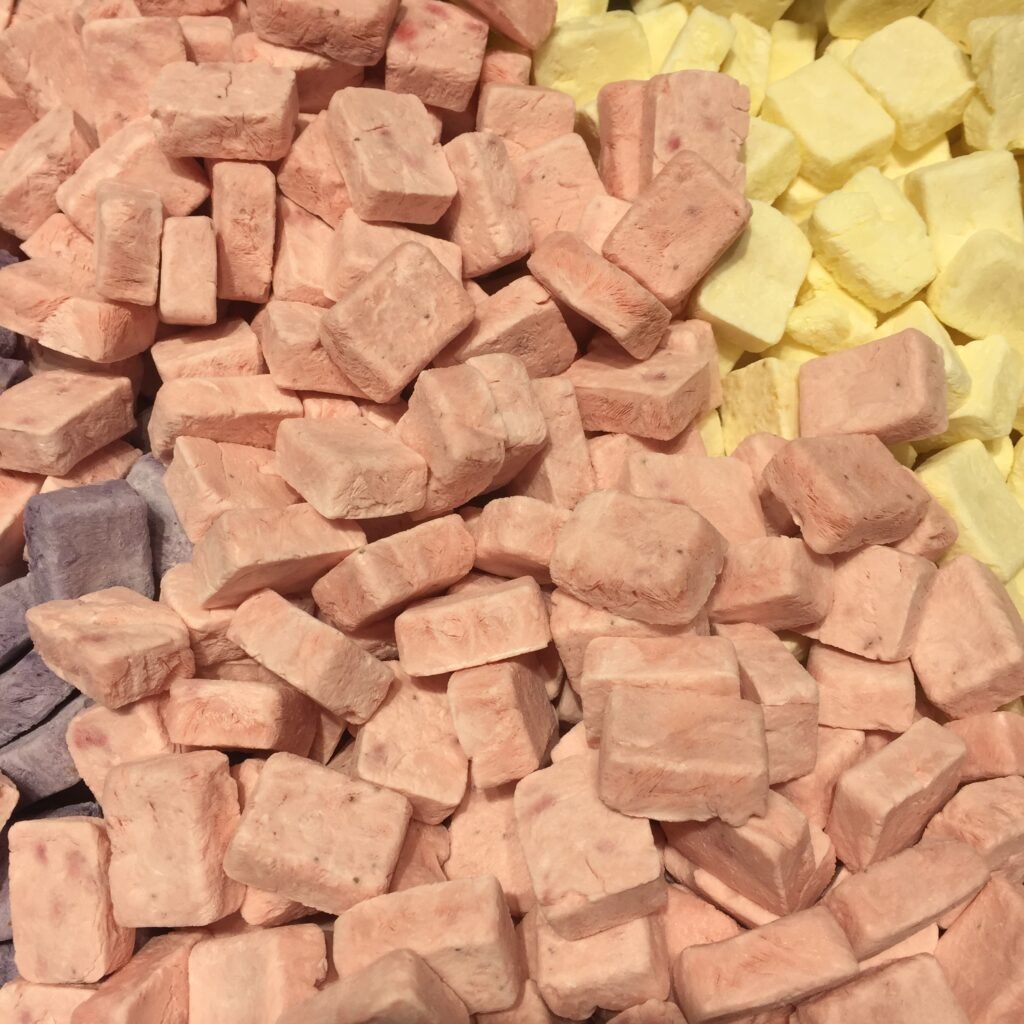
Freeze-drying, formally known as lyophilization, is a food preservation method that removes moisture from food by first freezing it and then reducing surrounding pressure to allow the frozen water to sublimate directly from solid ice into water vapor without passing through a liquid phase, producing a lightweight, shelf-stable product that retains much of its original
Freeze-Drying Read More »
A preservation method that removes moisture by freezing food and sublimating the ice directly into vapor under vacuum.
The glycemic index ranks carbohydrate-containing foods by how quickly and how much they raise blood glucose levels after eating, compared to a reference food, usually pure glucose or white bread, scored at 100. Foods are generally classified as low, medium, or high glycemic index, a distinction used in diabetes management and broader dietary planning. How
Glycemic Index Read More »
A ranking of carbohydrate-containing foods by how quickly they raise blood glucose compared to a reference food.
HACCP, short for Hazard Analysis and Critical Control Points, is a systematic preventive approach to food safety that identifies physical, chemical, and biological hazards at specific points in a production process and establishes controls to prevent, eliminate, or reduce them to safe levels. Developed in the 1960s for NASA space food production, HACCP has since
HACCP Read More »
A systematic preventive food safety framework that identifies and controls hazards at critical points in production.
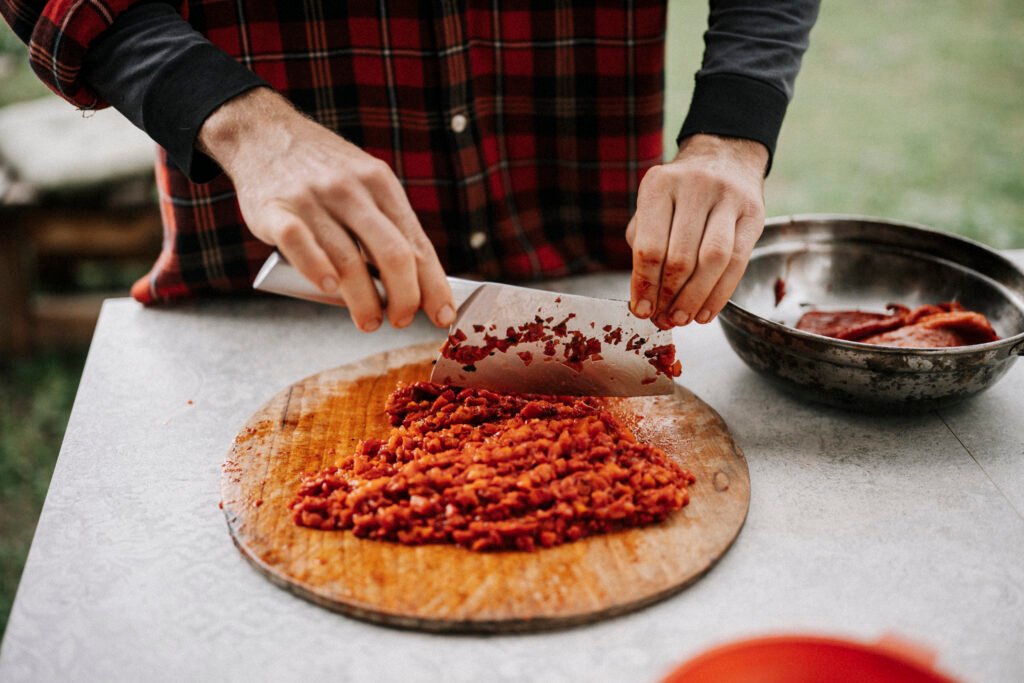
Knife skills are the set of grip, cutting, and safety techniques cooks use to turn whole ingredients into precise, consistent pieces. The discipline covers how a cook holds a knife, how the guiding hand controls the food, and the cuts named for their resulting shape, from a fine brunoise to a rough chop. Grip and
Knife Skills Read More »
The grip, cutting, and safety techniques cooks use to turn ingredients into precise, consistent shapes.
The Maillard reaction is a chemical reaction between amino acids and reducing sugars that occurs when food is heated, producing the characteristic browning and complex flavors associated with cooked foods such as seared meat, toasted bread, and roasted coffee. Named after French chemist Louis-Camille Maillard, who first described the reaction in the early twentieth century,
Maillard Reaction Read More »
A chemical reaction between amino acids and sugars during heating that produces browning and complex cooked flavors.
Meal planning is the practice of deciding in advance what meals will be prepared and eaten over a given period, typically a week, and organizing shopping and preparation around that plan. The practice is used both by individuals managing household budgets and time, and by dietitians helping clients meet specific nutritional or medical goals. Common
Meal Planning Read More »
The practice of deciding meals in advance over a set period and organizing shopping and preparation accordingly.