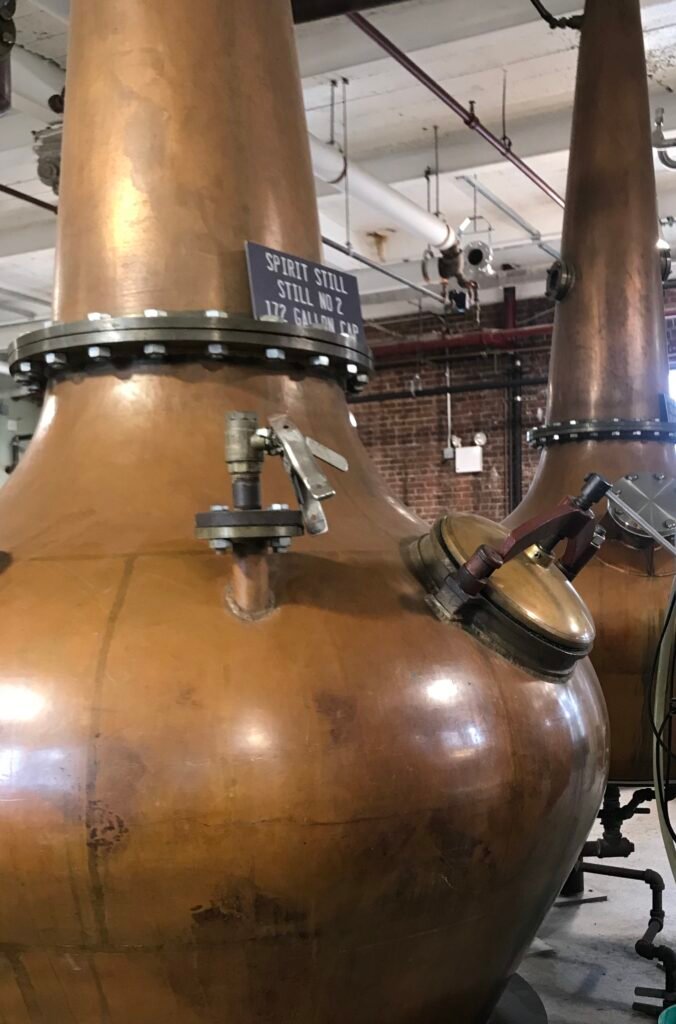
Distillation is the process of separating and concentrating alcohol from a fermented liquid by heating it to exploit the different boiling points of water and ethanol, producing spirits with substantially higher alcohol content than the original fermented base. Nearly all hard liquors, including whiskey, vodka, rum, gin, and brandy, begin as a fermented liquid before
Distillation Read More »
The process of separating and concentrating alcohol from a fermented liquid using differing boiling points.
An elimination diet is a structured, short-term dietary approach that removes specific foods suspected of causing adverse reactions, then reintroduces them one at a time to identify which, if any, trigger symptoms. It is primarily a diagnostic tool used under medical or dietitian supervision rather than a long-term eating pattern. How It Works The elimination
Elimination Diet Read More »
A structured diagnostic diet that removes suspected trigger foods, then reintroduces them one at a time to identify reactions.
Emulsification is the process of combining two normally immiscible liquids, typically oil and water, into a stable, uniform mixture called an emulsion, achieved either through mechanical agitation or with the help of an emulsifying agent that stabilizes the tiny droplets of one liquid dispersed throughout the other. Emulsification is fundamental to many foods, including mayonnaise,
Emulsification Read More »
The process of combining two normally immiscible liquids, typically oil and water, into a stable, uniform mixture.
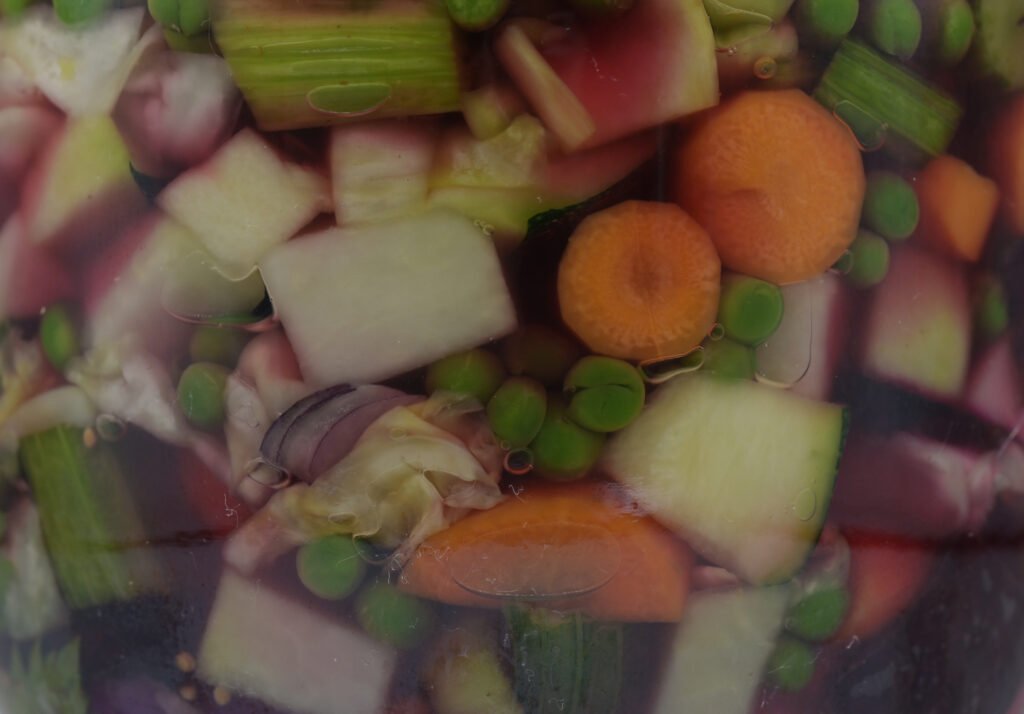
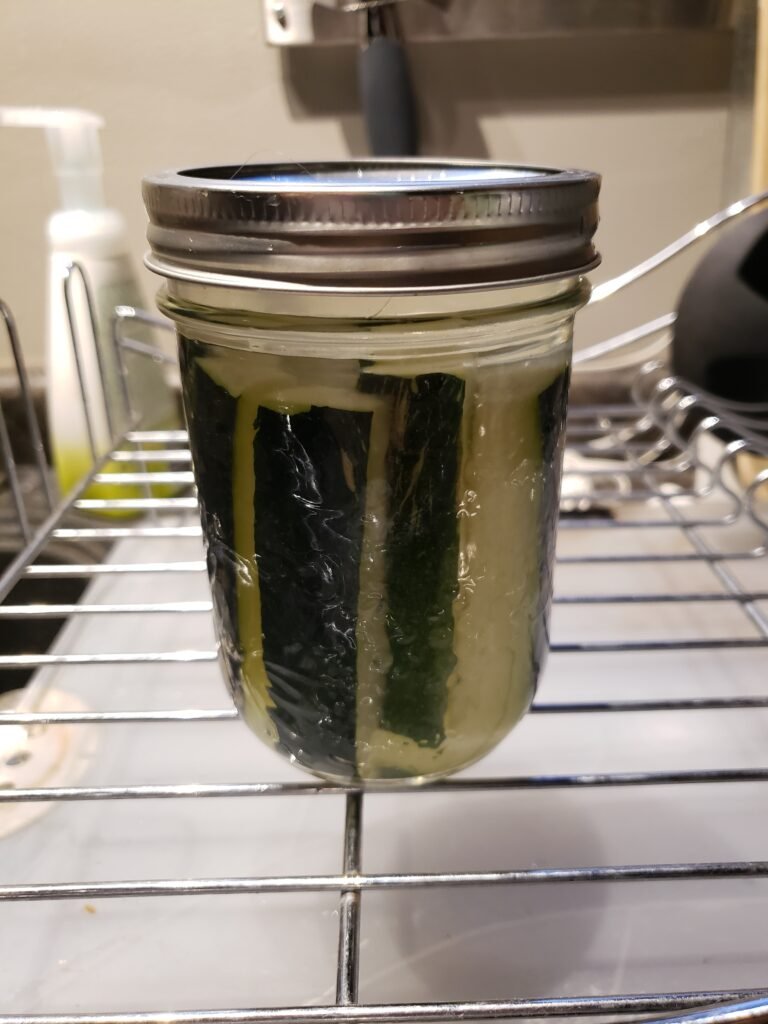
Fermentation is a metabolic process in which microorganisms such as bacteria, yeast, or mold convert sugars and other organic compounds into substances like acids, alcohol, or gases, typically in the absence of oxygen, producing both a preservation effect and distinctive flavors, textures, and aromas that have made fermented foods a staple across nearly every culinary
Fermentation Read More »
A metabolic process in which microorganisms convert sugars into acids, alcohol, or gases, preserving and transforming food.
A food additive is any substance intentionally added to food during processing or preparation to perform a specific technical function, such as preserving freshness, enhancing flavor or appearance, or improving texture, distinct from ingredients added purely for their nutritional or primary culinary contribution. Food additives range from substances long used in traditional cooking, such as
Food Additive Read More »
Any substance intentionally added to food during processing to perform a specific technical function.
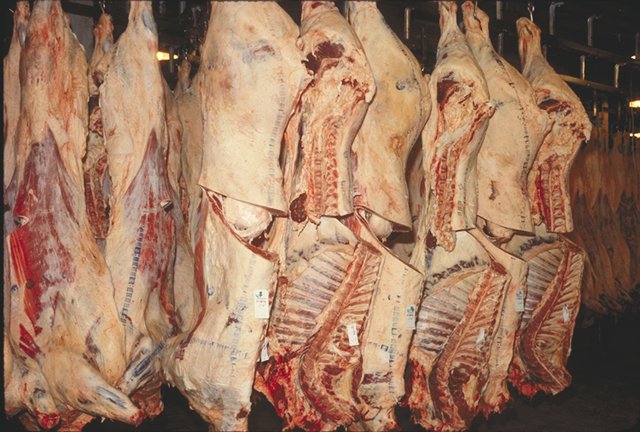
Food grading is the process of evaluating and classifying food products according to quality characteristics such as appearance, size, texture, and composition, distinct from food safety inspection, which focuses on whether a product is safe to eat rather than how it ranks in quality. Grading is often voluntary and paid for by producers seeking a
Food Grading Read More »
The process of evaluating and classifying food products by quality characteristics, distinct from safety inspection.
Food preservation encompasses the methods used to prevent or slow the spoilage of food caused by microbial growth, enzymatic activity, and oxidation, extending how long food remains safe and palatable to eat beyond its naturally perishable state. Humans have practiced food preservation for thousands of years through techniques such as drying, salting, and fermenting, and
Food Preservation Read More »
Methods used to prevent or slow food spoilage, extending how long food remains safe and palatable to eat.
Food processing refers to the methods used to transform raw agricultural products and ingredients into food that is safer, more convenient, longer-lasting, or more palatable, ranging from simple techniques like washing and cutting to complex industrial operations involving cooking, mixing, and packaging on a large commercial scale. Food processing exists on a spectrum from minimal
Food Processing Read More »
The methods used to transform raw agricultural products into food that is safer, more convenient, or longer-lasting.
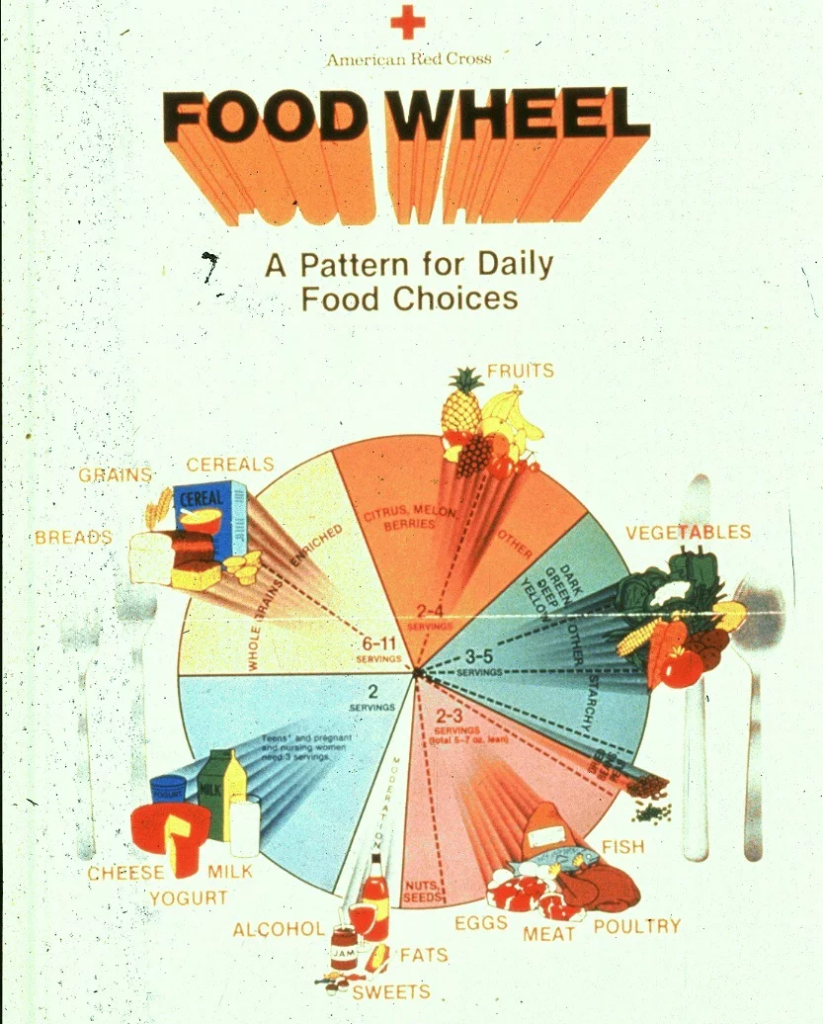
The food pyramid is a graphic representation of recommended daily food group proportions, once the primary visual tool for communicating nutrition guidance before being replaced by alternative formats in several countries. First introduced by Sweden in 1974 and adopted prominently by the United States Department of Agriculture in 1992, the pyramid organized food groups by
Food Pyramid Read More »
A graphic nutrition tool, popularized by the USDA in 1992, representing recommended food group proportions as a pyramid.
A food recall is the removal of a food product from the market because it is found to be unsafe, mislabeled, or otherwise in violation of food safety regulations. Recalls can be initiated voluntarily by a manufacturer or ordered by a regulatory agency, and they range in severity from a minor labeling error to a
Food Recall Read More »
The removal of a food product from the market due to safety violations, mislabeling, or regulatory noncompliance.