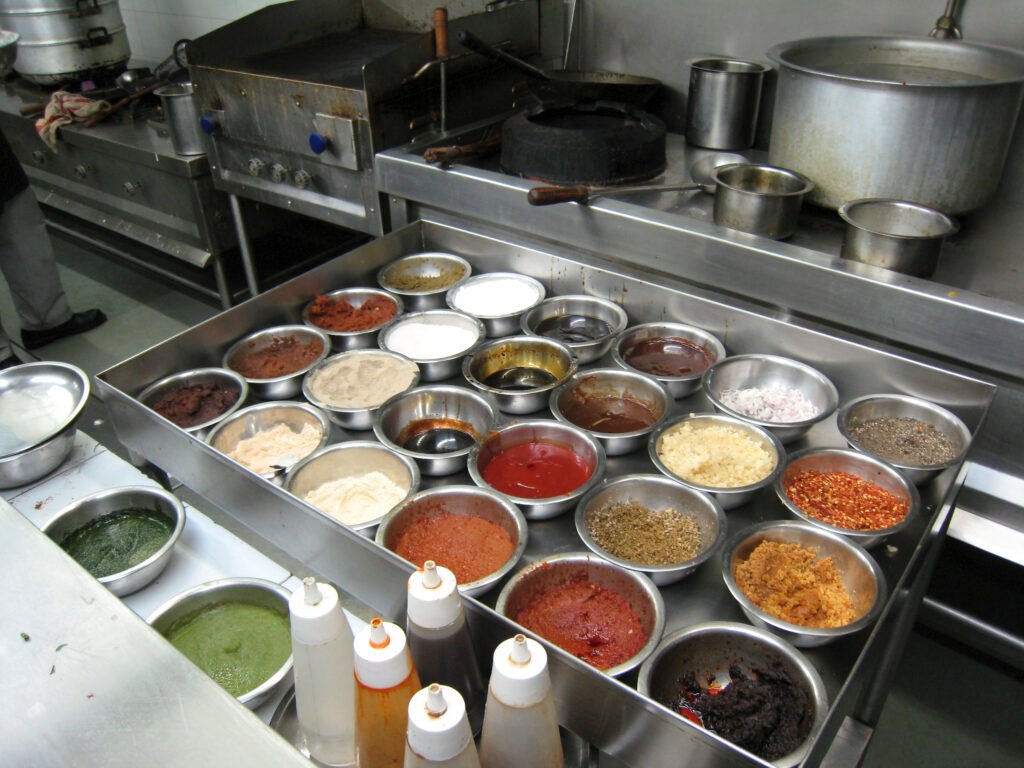
Mise en place, a French culinary term meaning putting in place, refers to the practice of organizing and preparing all ingredients, tools, and equipment needed for a cooking task before actual cooking begins, a foundational discipline taught in professional culinary training that underlies efficient, organized kitchen operation at every level from home cooking to high-volume
Mise en Place Read More »
A French culinary term for organizing and preparing all ingredients, tools, and equipment before cooking begins.
Mixology is the specialized craft of creating mixed drinks and cocktails, combining knowledge of spirits, flavor balancing, and technique with creative presentation. While bartending broadly covers all aspects of drink service, mixology specifically emphasizes the thoughtful construction and innovation behind a cocktail’s recipe and technique. Core Techniques Shaking combines ingredients, typically including ice, in a
Mixology Read More »
The specialized craft of creating mixed drinks and cocktails through flavor balancing, technique, and presentation.
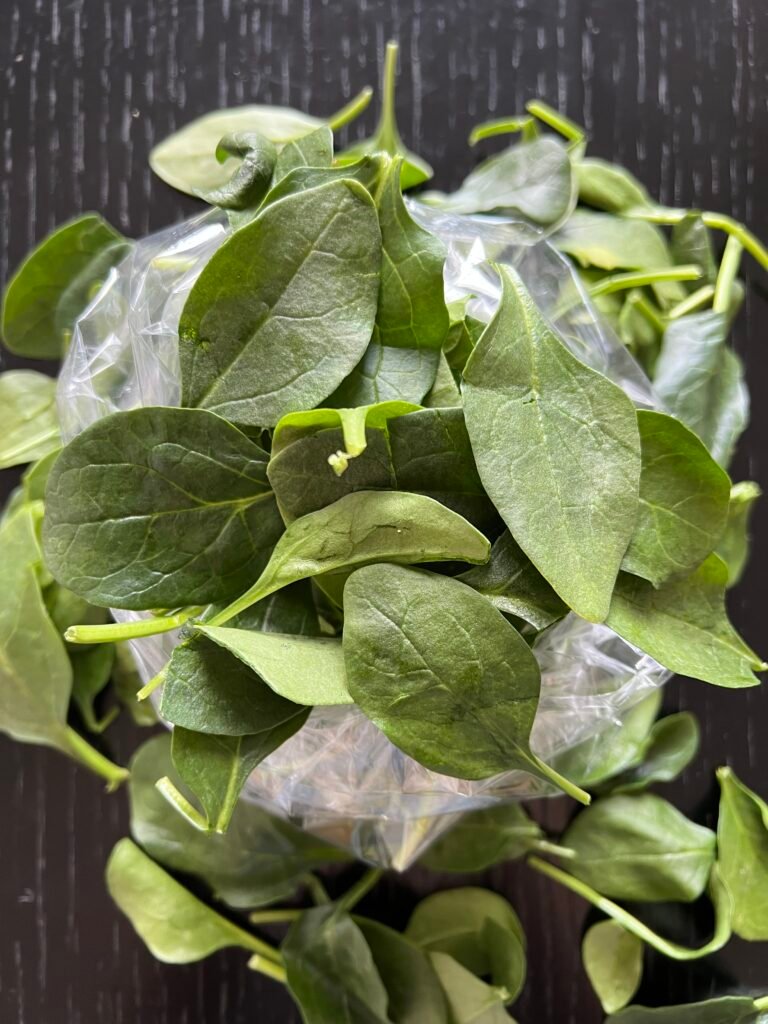
Modified atmosphere packaging is a food preservation technique that alters the composition of gases surrounding a food product inside its package, typically reducing oxygen levels and increasing carbon dioxide or nitrogen levels, to slow the growth of spoilage microorganisms and reduce oxidative reactions that degrade food quality over time. Widely used for fresh produce, meat,
Modified Atmosphere Packaging Read More »
A preservation technique that alters the gas composition surrounding food inside its package to slow spoilage.
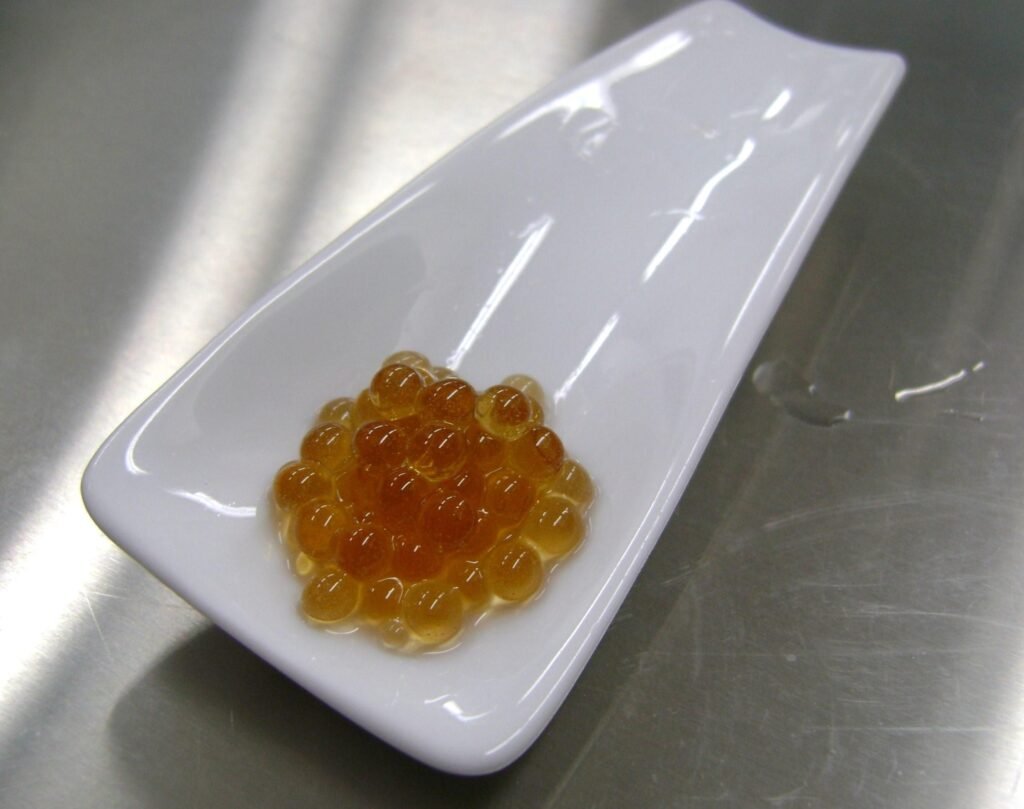
Molecular gastronomy is the scientific study of the physical and chemical transformations that occur during cooking, applied by chefs to create dishes that play with texture, temperature, and form. The term was coined in 1988 by physicist Nicholas Kurti and chemist Herve This, who wanted a formal discipline to explain why classic techniques worked and
Molecular Gastronomy Read More »
The scientific study of physical and chemical changes in cooking, used to create novel textures and dishes.
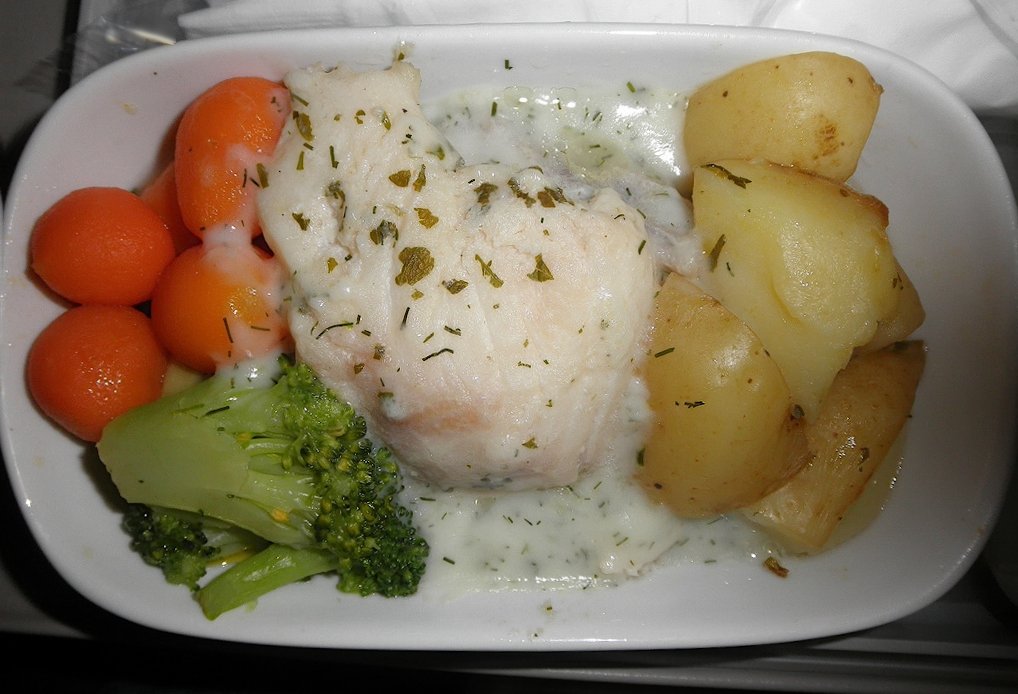
A mother sauce is one of a small set of foundational sauces in classical French cuisine from which many smaller, derivative sauces are built. The chef Auguste Escoffier codified the system in the early twentieth century, organizing French sauce-making into a teachable structure still used in culinary schools today. The Five Mother Sauces Bechamel is
Mother Sauce Read More »
One of five foundational French sauces, codified by Escoffier, from which many derivative sauces are built.
Non-alcoholic beverages encompass the broad category of drinks consumed without ethanol content, ranging from water and juice to sodas, teas, and dealcoholized versions of wine and beer. Categories and Production The category includes naturally alcohol-free drinks like fruit juices and sparkling water alongside beverages crafted to mimic alcoholic counterparts, such as non-alcoholic beer produced through
Non-Alcoholic Beverage Read More »
Drinks consumed without meaningful ethanol content, including naturally alcohol-free options and dealcoholized versions of wine and beer.
Nutrient density describes the amount of beneficial nutrients, vitamins, minerals, protein, and fiber, an ingredient provides relative to its calorie content, distinguishing foods that deliver substantial nutritional value per calorie from those that provide calories with comparatively little nutritional benefit. The concept underlies much modern dietary guidance, which increasingly emphasizes nutrient-dense choices over simple calorie
Nutrient Density Read More »
A measure of the beneficial nutrients a food provides relative to its calorie content.
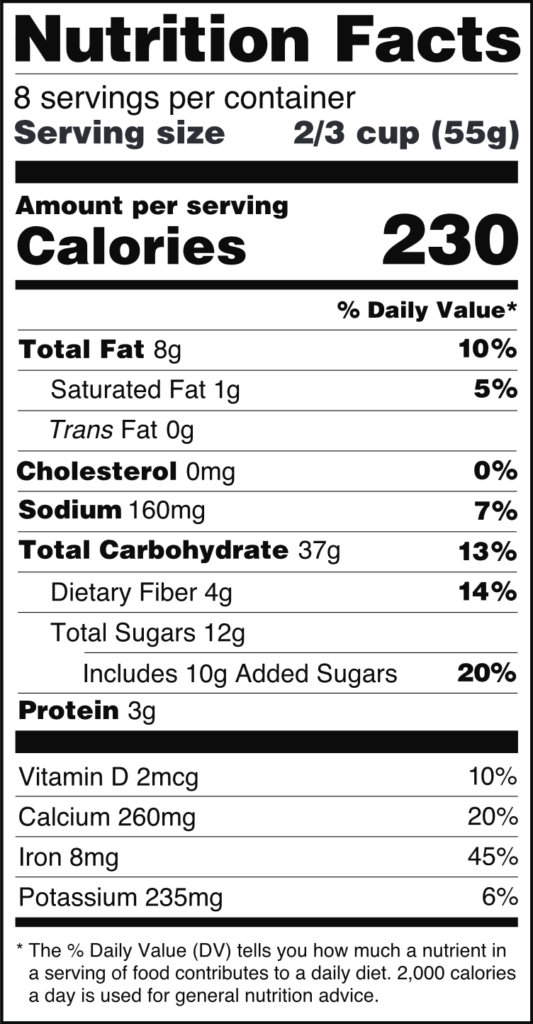
Nutrition labeling is the regulated practice of printing standardized nutritional information on packaged food, allowing consumers to compare products and make informed dietary decisions. Most countries require some form of nutrition label by law, though the exact format, required nutrients, and serving size rules vary considerably by jurisdiction. The Nutrition Facts Label In the United
Nutrition Labeling Read More »
The regulated practice of printing standardized nutritional information on packaged food to support informed consumer choice.
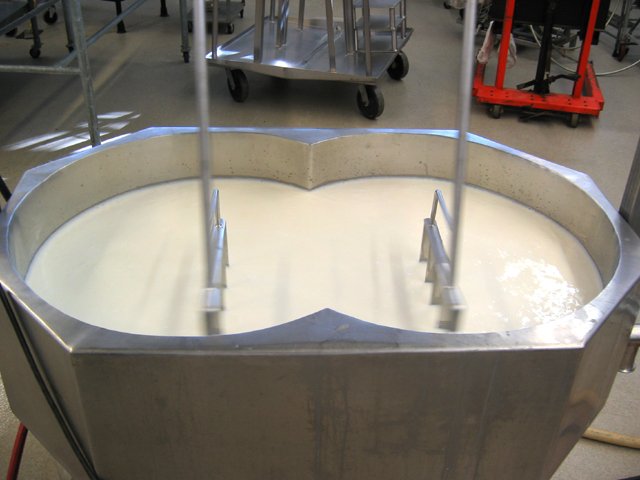
Pasteurization is a thermal processing method that heats food or beverages to a specific temperature for a set period of time to destroy harmful microorganisms and reduce spoilage organisms, without necessarily sterilizing the product completely, extending shelf life and improving safety while generally preserving more of the original flavor and nutritional content than more intense
Pasteurization Read More »
A thermal processing method that heats food to destroy harmful microorganisms and reduce spoilage without full sterilization.
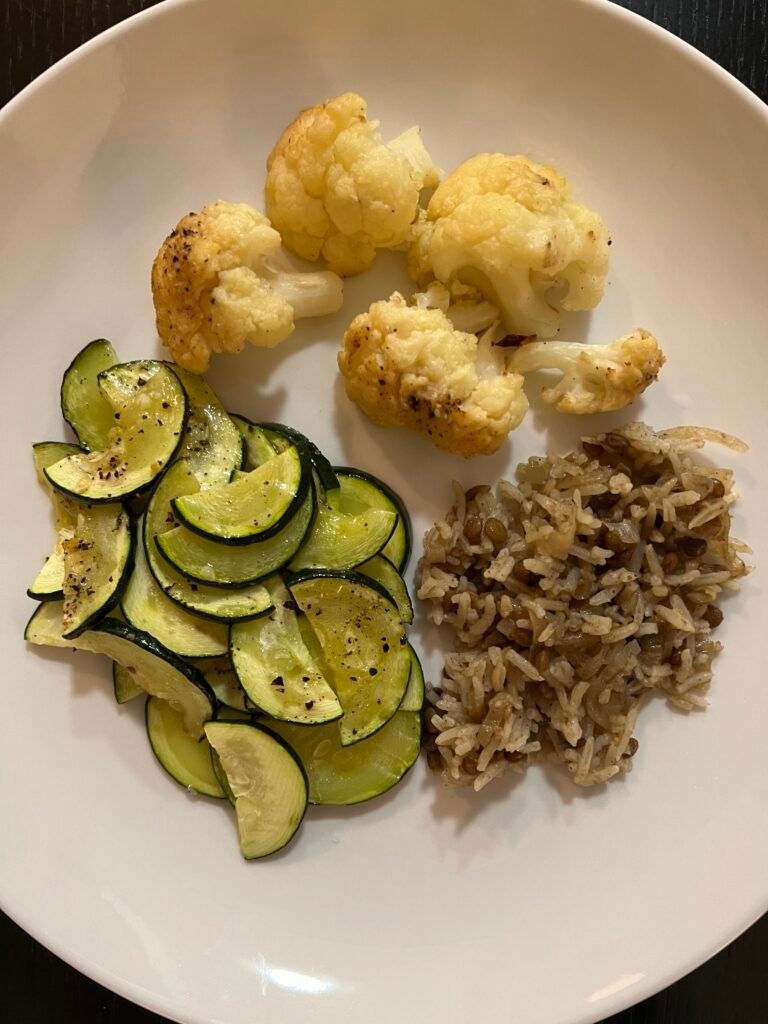
A plant-based diet emphasizes foods derived from plants, vegetables, fruits, whole grains, legumes, nuts, and seeds, while minimizing or excluding animal products to varying degrees depending on the specific version followed. The term covers a spectrum from diets that simply emphasize plant foods while still including some meat or dairy, to strict veganism that excludes
Plant-Based Diet Read More »
A dietary pattern emphasizing plant foods while minimizing or excluding animal products to varying degrees.