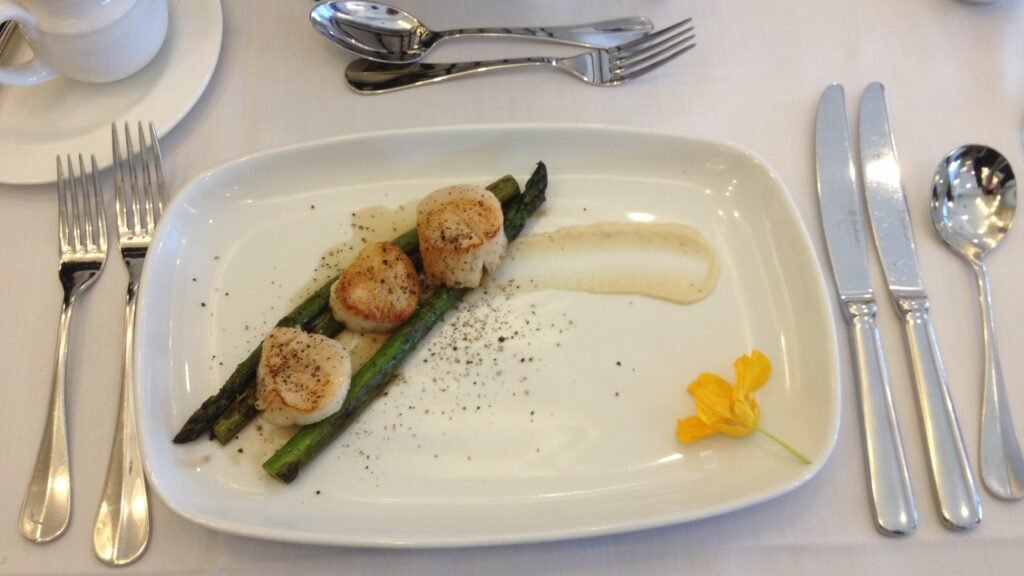
Plating is the art and technique of arranging food on a plate before it reaches a diner, balancing visual appeal with practical concerns like temperature, portion control, and ease of eating. Professional kitchens treat plating as the final stage of cooking, since even a technically perfect dish can underperform if it looks careless or confusing
Plating Read More »
The technique of arranging food on a plate to balance visual appeal with practicality before service.
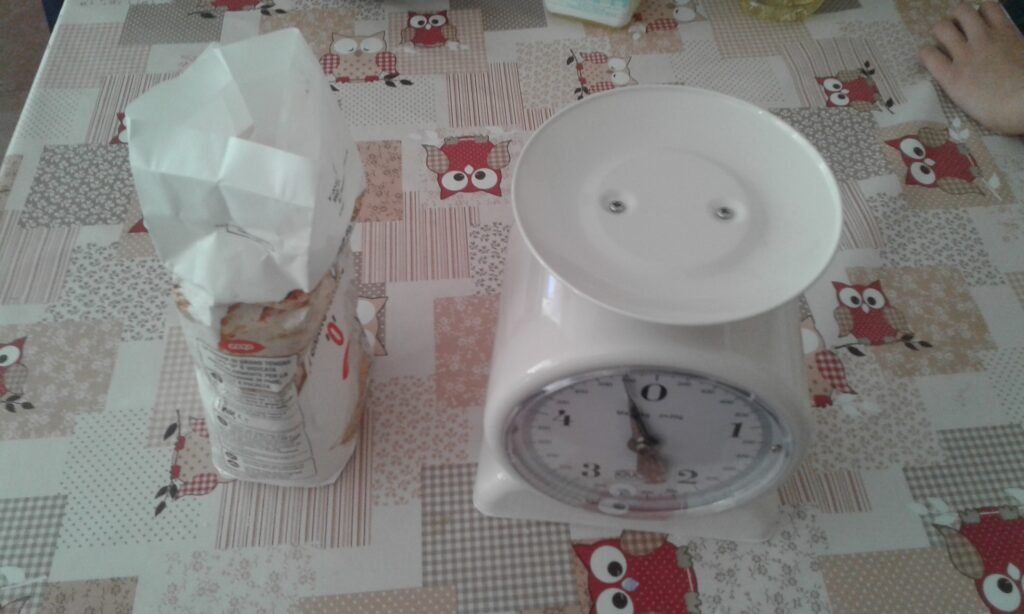
Portion control is the practice of managing how much food is served or consumed at a given meal or snack, used both as a weight management strategy and as a broader tool for balanced nutrition. It is distinct from a serving size, which is a standardized reference amount used for labeling, since an actual portion
Portion Control Read More »
The practice of managing how much food is served or consumed at a meal or snack, distinct from a labeled serving size.
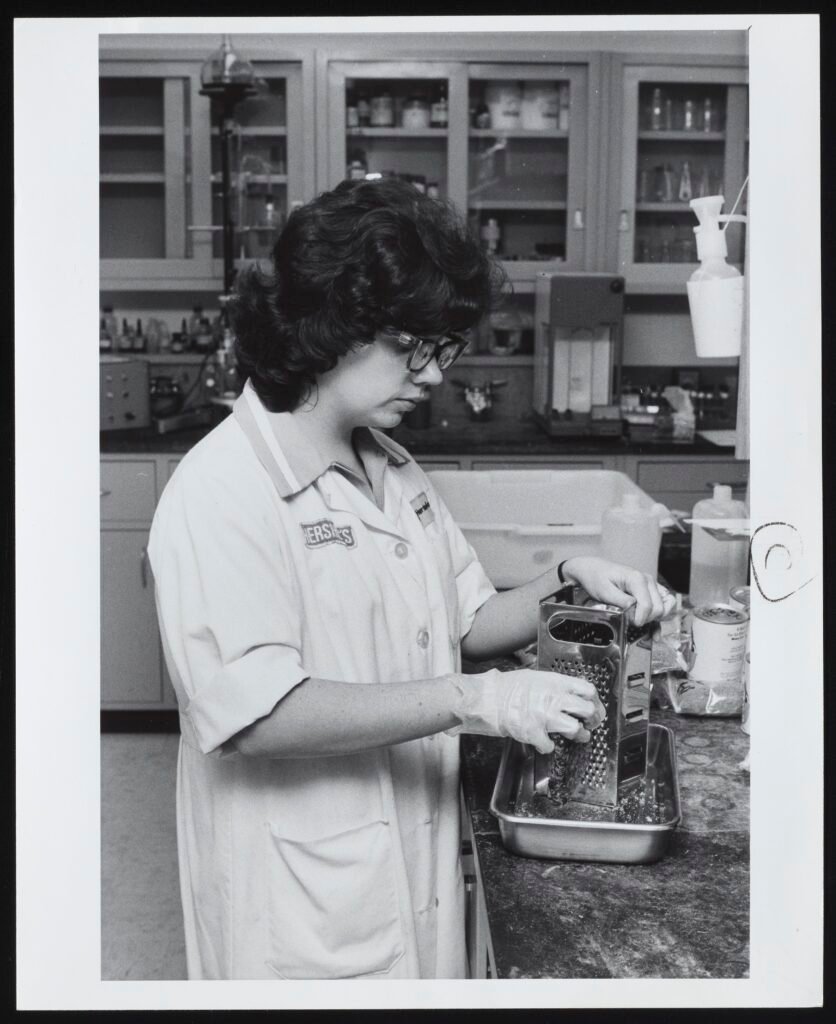
Quality assurance in food production is the systematic set of planned activities designed to ensure that a food product consistently meets defined quality, safety, and regulatory standards before it ever reaches a customer. Unlike quality control, which involves testing and inspecting finished products, quality assurance focuses on building reliable processes throughout production so that defects
Quality Assurance (Food) Read More »
The systematic, proactive activities that ensure a food product consistently meets defined quality, safety, and regulatory standards.
A registered dietitian is a credentialed nutrition professional who has completed accredited academic coursework, a supervised practice program, and a national certification exam, qualifying them to provide individualized nutrition assessment, medical nutrition therapy, and dietary counseling. The credential is legally regulated in many countries, distinguishing registered dietitians from the broader, often unregulated use of the
Registered Dietitian Read More »
A credentialed nutrition professional qualified through accredited education, supervised practice, and a national exam to provide medical nutrition therapy.
Shelf life is the length of time a food product remains safe to eat and retains its expected quality, flavor, and nutritional value when stored under specified conditions. It is determined through a combination of microbiological testing, sensory evaluation, and chemical analysis, and is a central consideration in food packaging, labeling, and distribution planning. Factors
Shelf Life Read More »
The length of time a food product remains safe to eat and retains expected quality under specified storage conditions.
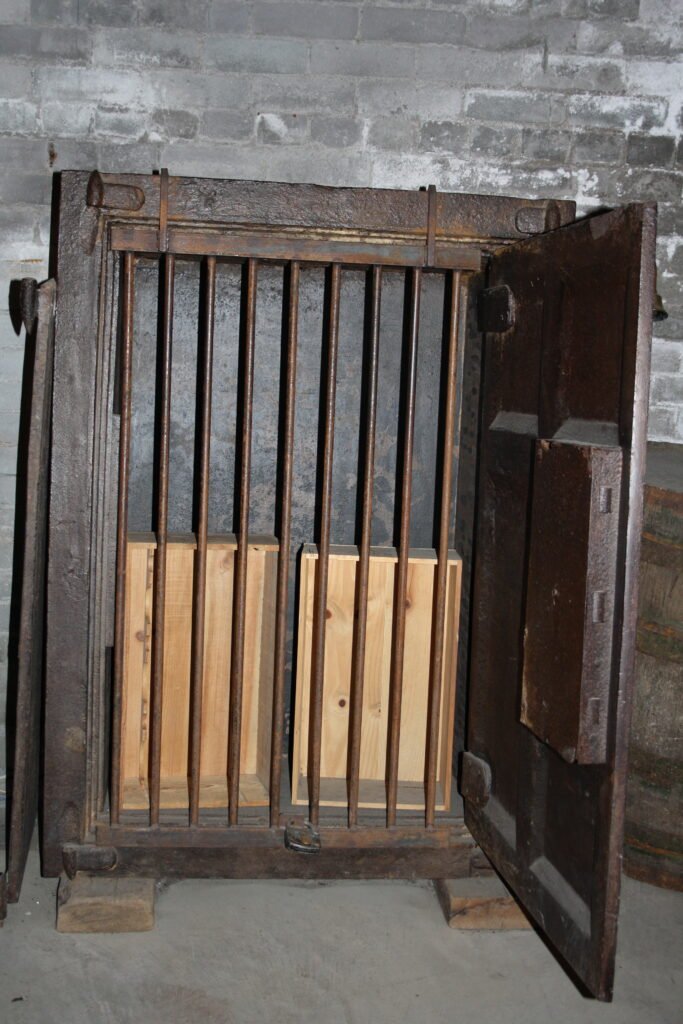
A sommelier is a trained wine professional responsible for curating, managing, and presenting a restaurant or retailer’s wine program. Role and Responsibilities Sommeliers build wine lists, train service staff, manage cellar inventory and storage conditions, and guide guests toward selections that suit their tastes and the food being served. In fine dining settings, the role
Sommelier Read More »
A trained wine professional who curates wine lists, manages cellar programs, and guides food and wine pairings for guests.
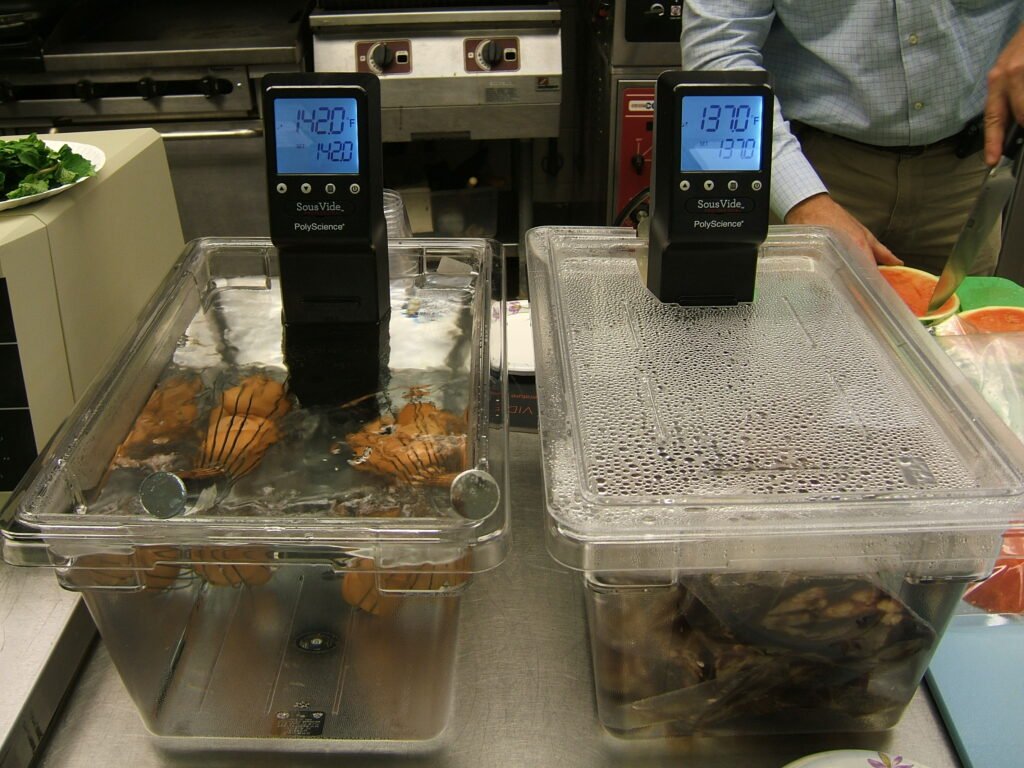
Sous vide, French for under vacuum, is a cooking technique in which food is sealed in an airtight bag and cooked for an extended period in a precisely controlled water bath held at a specific, relatively low temperature, allowing food to cook evenly throughout to an exact desired level of doneness without the risk of
Sous Vide Read More »
A cooking technique using a sealed bag and a precisely controlled water bath to cook food evenly to an exact doneness.
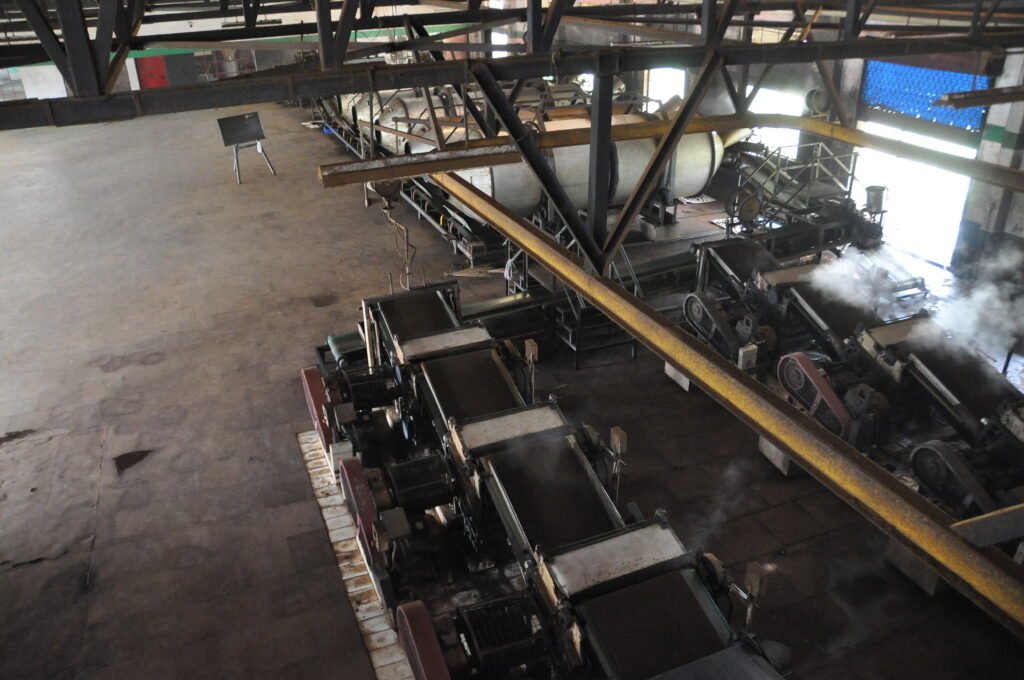
Tea processing is the series of steps applied to freshly harvested tea leaves that determines which of the major tea categories, including green, white, oolong, and black tea, the finished product becomes. Remarkably, nearly all true tea originates from the same plant species, Camellia sinensis, meaning processing method rather than plant variety is primarily responsible
Tea Processing Read More »
The series of steps applied to tea leaves, especially oxidation, that determines whether the result is green, black, oolong, or white tea.
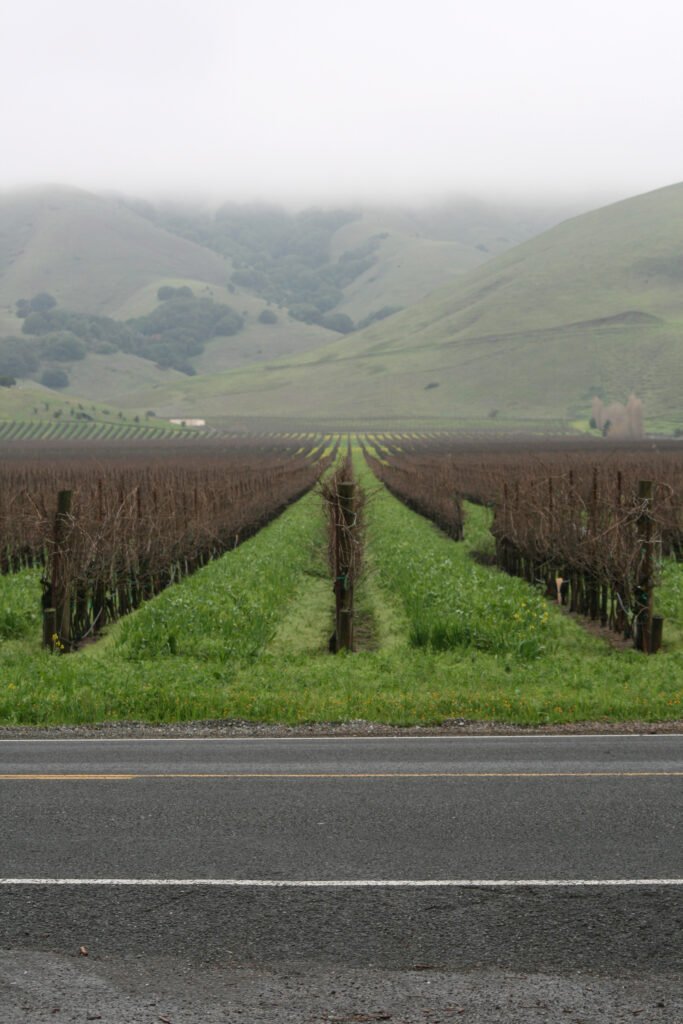
Terroir is the French concept describing how a specific place’s combination of soil, climate, topography, and farming tradition shapes the character of an agricultural product, most famously wine. Components of Terroir The idea encompasses soil composition and drainage, mesoclimate and sun exposure, elevation and slope angle, and the accumulated viticultural practices of generations of growers
Terroir Read More »
The French concept that a location's soil, climate, and farming tradition shape the distinctive character of foods and beverages grown there.
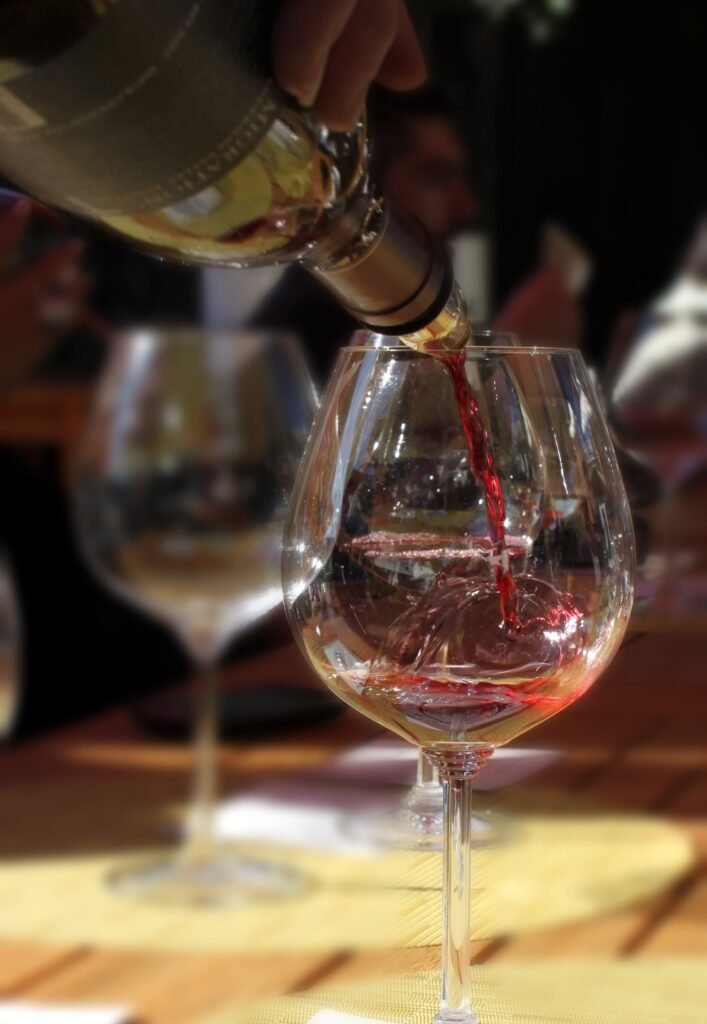
Wine tasting is the systematic sensory evaluation of wine, assessing its appearance, aroma, taste, and finish to judge quality, identify grape variety and origin, and determine readiness for drinking. Professional tasting follows a structured method, while casual tasting borrows the same basic steps in simplified form. The Systematic Approach Wine tasting typically follows a sequence
Wine Tasting Read More »
The systematic sensory evaluation of wine assessing appearance, aroma, taste, and finish.