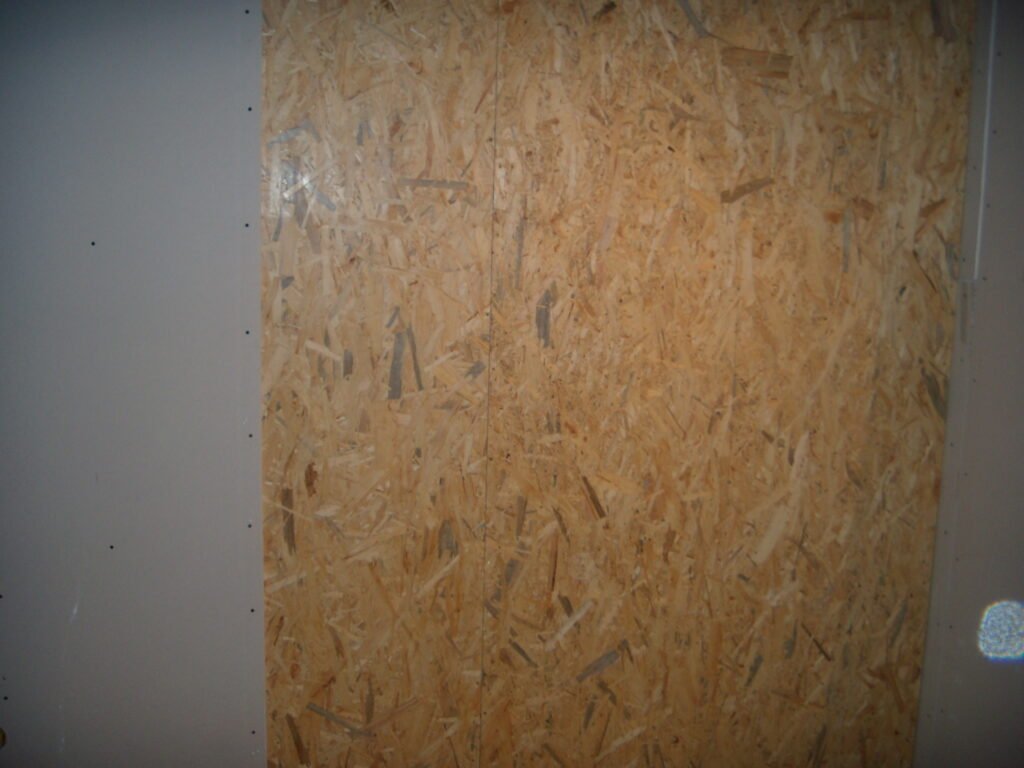
Particleboard is an engineered wood panel manufactured by combining small wood particles, chips, or shavings with a synthetic resin adhesive and pressing the mixture under heat into a flat sheet. It is one of the least expensive engineered wood products available, widely used in furniture, cabinetry, and flooring underlayment where appearance and structural strength requirements
Particleboard Read More »
An engineered wood panel made from pressed wood particles bonded with resin.
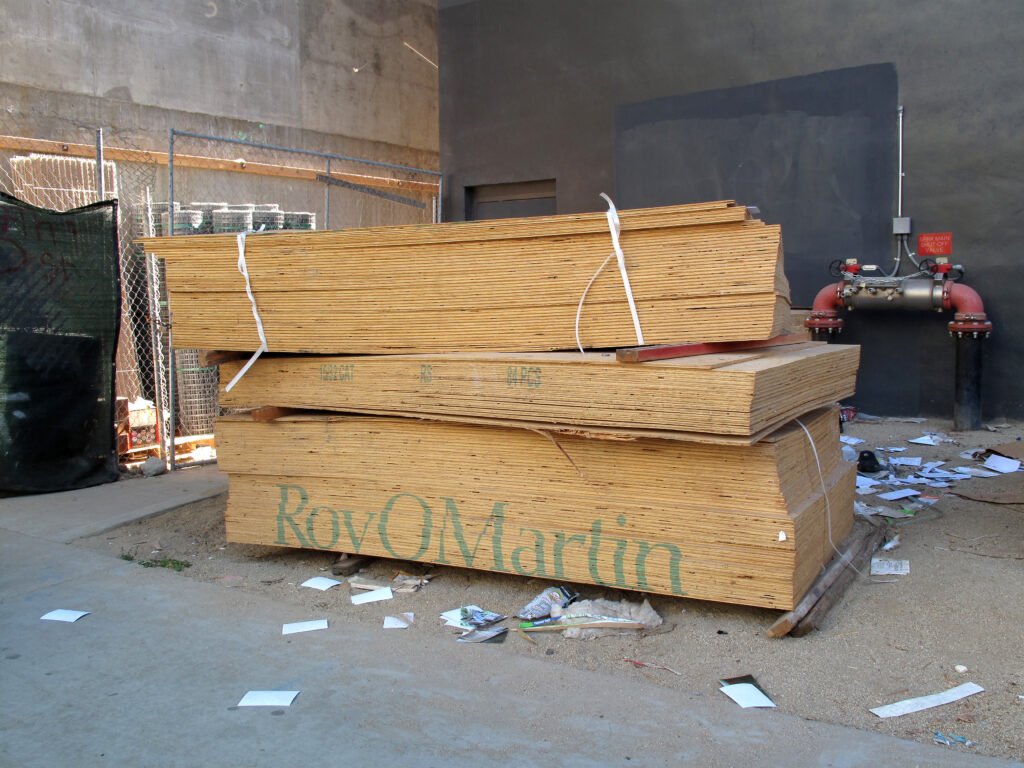
Plywood is an engineered wood panel made by gluing together thin layers of wood veneer with the grain direction of each layer rotated roughly ninety degrees relative to its neighbors. This cross-grain construction gives plywood strength and dimensional stability in multiple directions, making it less prone to warping, splitting, or shrinking unevenly than a solid
Plywood Read More »
An engineered wood panel built from cross-layered veneer sheets glued together.
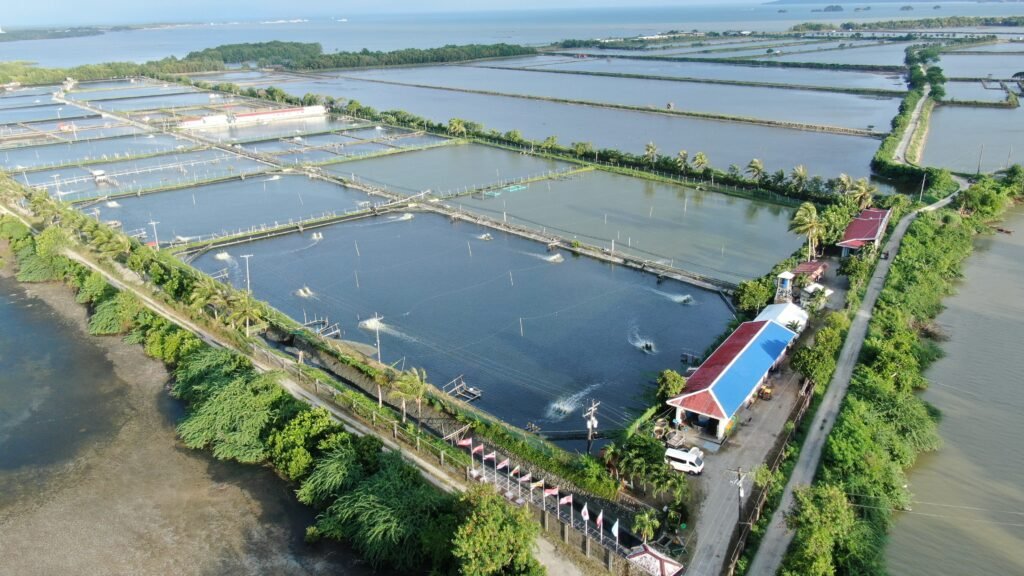
Pond culture is the practice of raising fish or shrimp in constructed earthen or lined ponds, making it one of the oldest and most widely used forms of aquaculture worldwide. It remains the dominant production method for species such as carp, tilapia, and farmed shrimp across much of Asia, where it has been practiced in
Pond Culture Read More »
The practice of raising fish or shrimp in constructed earthen or lined ponds.
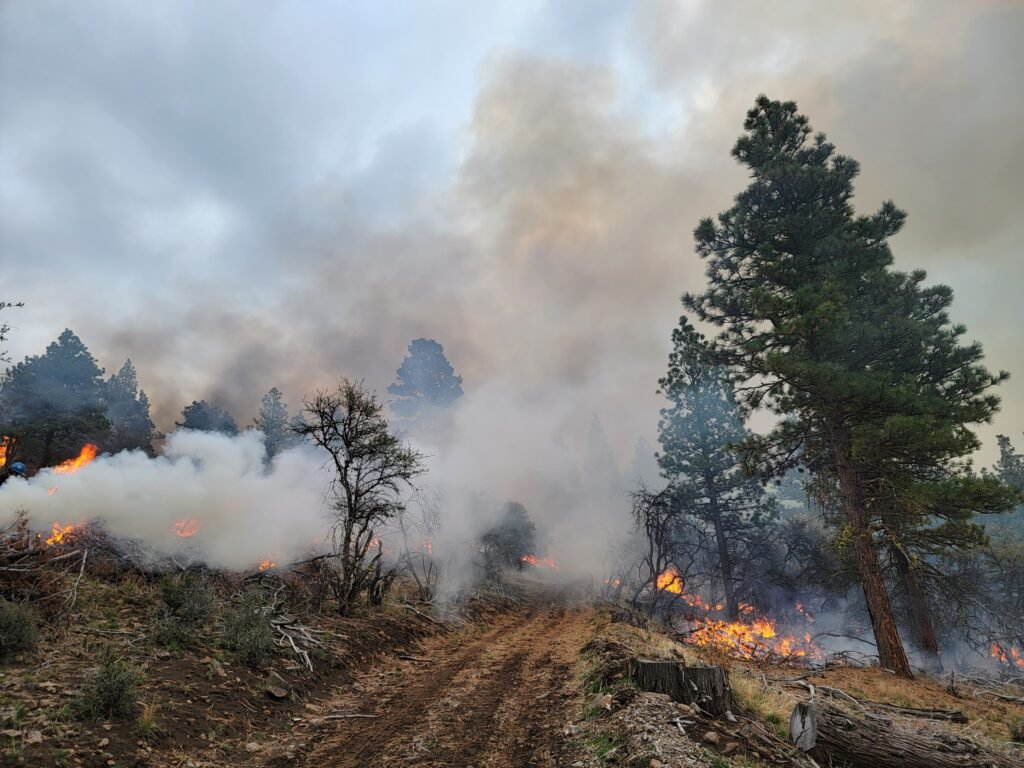
Prescribed burning is the deliberate, controlled application of fire to forest or grassland areas under carefully managed conditions to achieve specific ecological or land management objectives. Ecological Objectives Managers use prescribed fire to reduce accumulated dead vegetation and underbrush that could otherwise fuel a dangerous wildfire, to recycle nutrients into the soil, and to maintain
Prescribed Burning Read More »
The deliberate, controlled use of fire under managed conditions to reduce wildfire fuel, recycle nutrients, and maintain fire-adapted ecosystems.
A recirculating aquaculture system, often abbreviated RAS, is a fish farming technology that continuously filters and reuses the same water within enclosed tanks, rather than relying on a constant flow of fresh water or open exchange with a natural water body. This closed-loop approach allows fish farming to occur almost anywhere, including indoor facilities far
Recirculating Aquaculture System Read More »
A fish farming technology that continuously filters and reuses the same water in enclosed tanks.
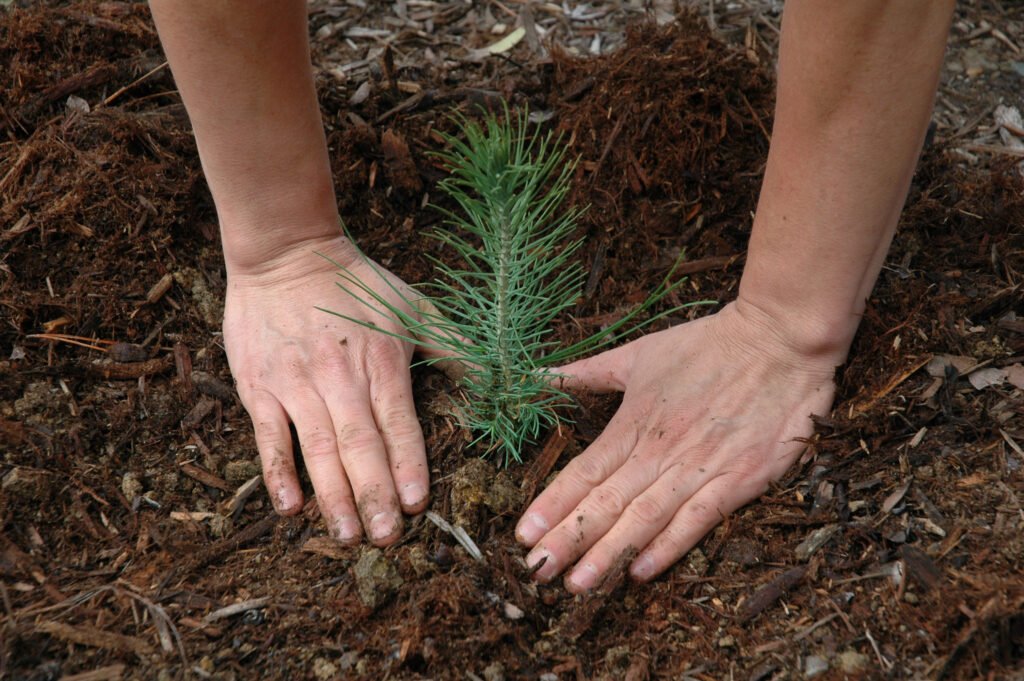
Reforestation is the practice of replanting trees in areas where forest cover has been removed by logging, fire, disease, or land-use change, restoring tree cover and the ecological functions it supports. Methods of Reforestation Practitioners establish new forest cover either by planting nursery-grown seedlings directly into cleared ground, by direct seeding that scatters seed across
Reforestation Read More »
The practice of replanting trees on land where forest cover was previously removed, restoring canopy cover and ecological function.
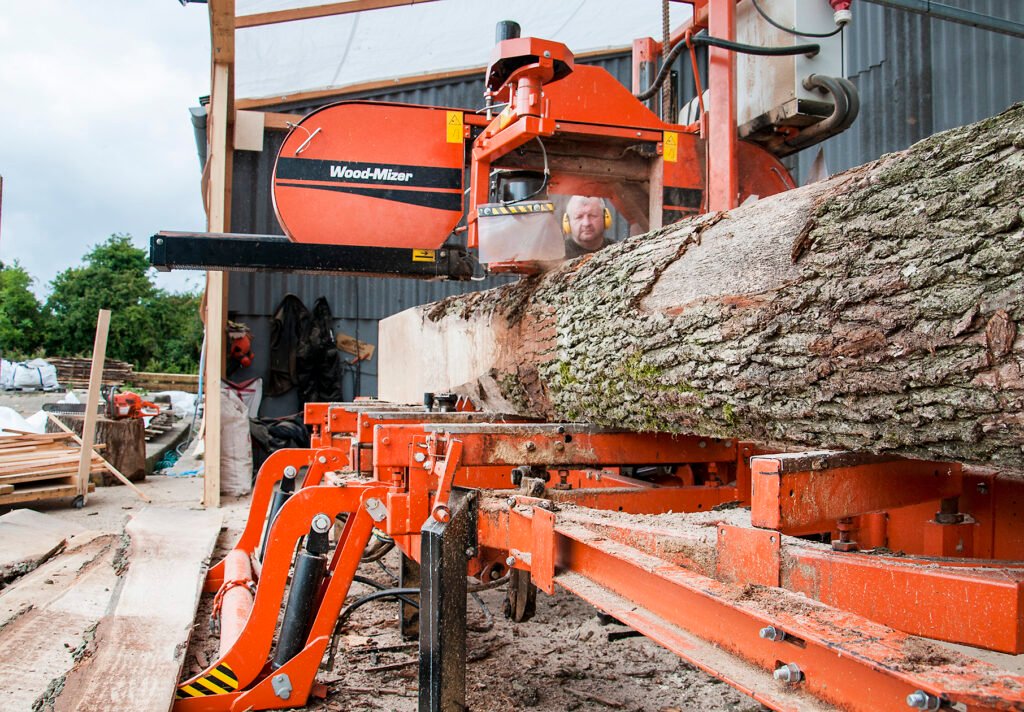
A sawmill is a facility where logs are cut into lumber, boards, and other sawn wood products using large saws and processing equipment. Sawmills form the critical link between forest harvesting and the construction, furniture, and paper industries, converting raw round logs into standardized dimensional products that builders and manufacturers can use directly. Sawmill Operations
Sawmill Read More »
A facility that cuts logs into lumber and other sawn wood products.
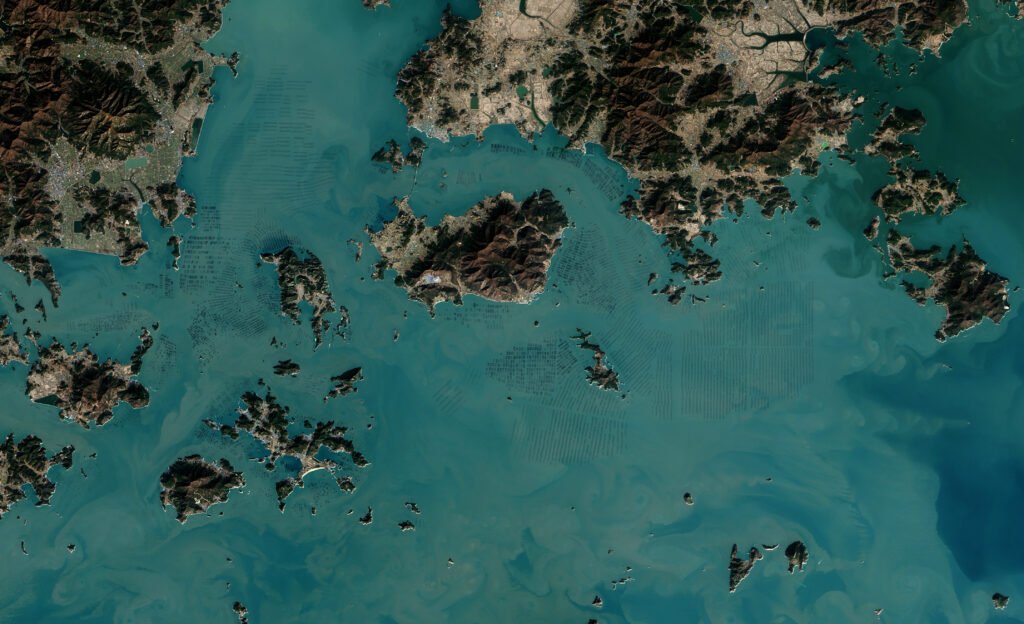
Seaweed farming is the cultivation of marine algae in coastal or offshore waters for food, animal feed, fertilizer, and increasingly, industrial and biotechnology applications. It is one of the fastest-growing segments of global aquaculture, requiring no feed, fresh water, or arable land, since seaweed draws its nutrients directly from the surrounding seawater and sunlight. Common
Seaweed Farming Read More »
The cultivation of marine algae in coastal waters for food, feed, and industrial uses.
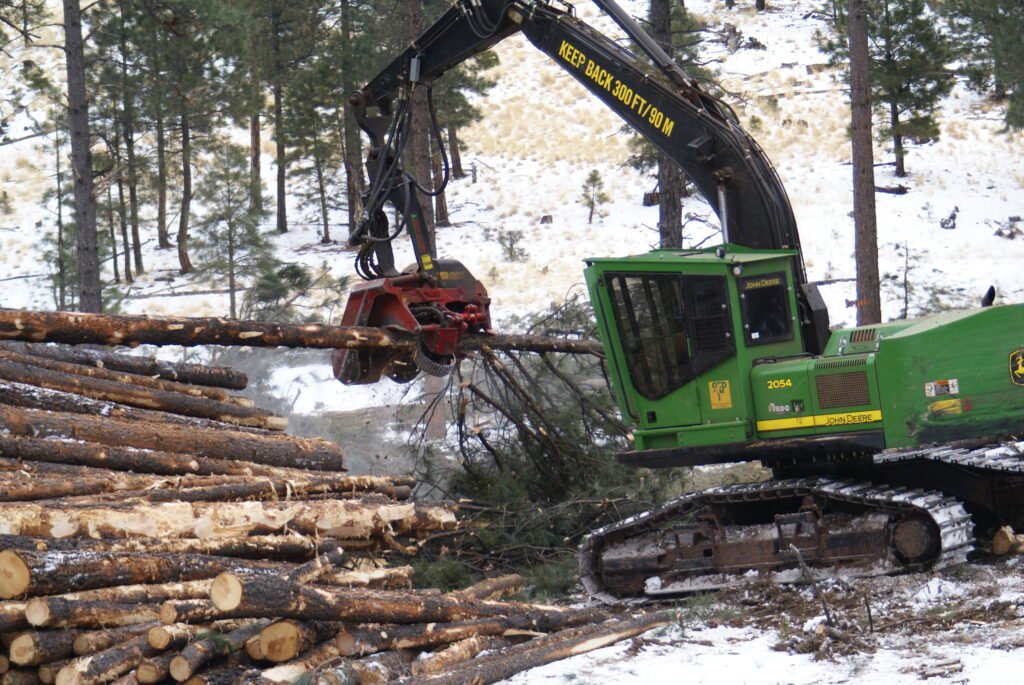
Selective logging is a harvesting method that removes specific individual trees, chosen by species, size, or condition, while leaving the surrounding forest canopy and stand structure largely intact. Selection Criteria Foresters mark trees for removal based on criteria such as commercial maturity, poor health, or overcrowding that limits the growth of neighboring trees, a process
Selective Logging Read More »
A timber harvesting method that removes chosen individual trees while leaving the surrounding canopy and forest structure largely intact.
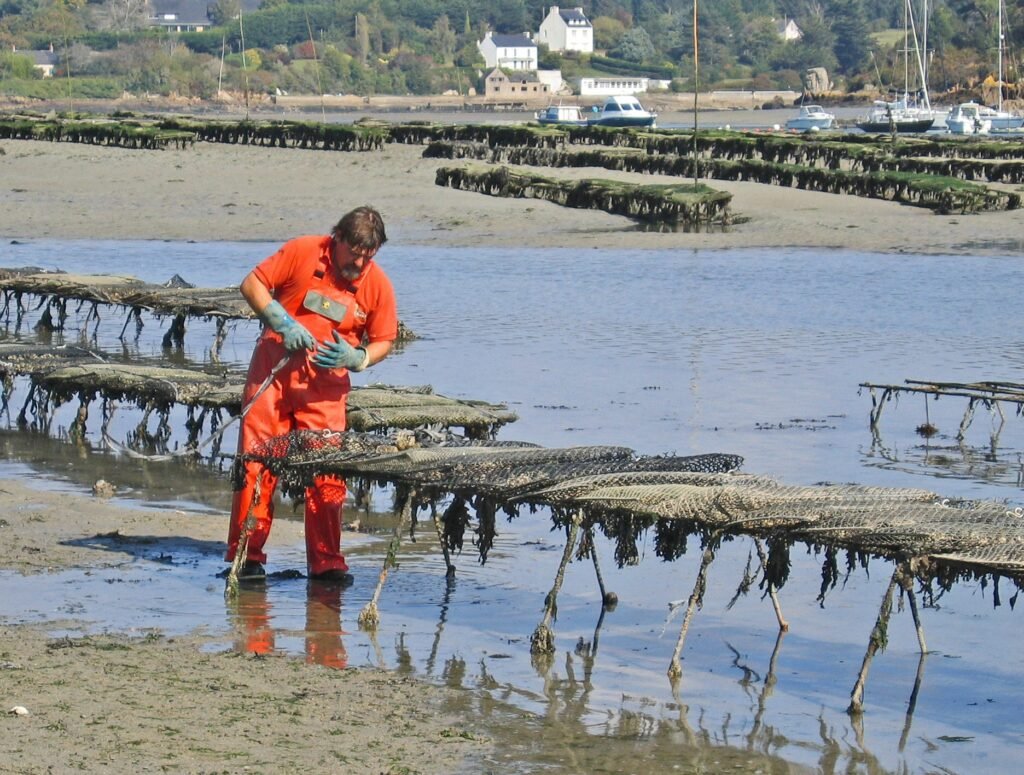
Shellfish farming is the cultivation of mollusks such as oysters, mussels, clams, and scallops in coastal or offshore waters, typically using methods that rely on the shellfish’s natural ability to filter food from the surrounding water rather than requiring manufactured feed. It represents one of the most resource-efficient forms of aquaculture, since farmed shellfish feed
Shellfish Farming Read More »
The cultivation of mollusks like oysters, mussels, and clams in coastal waters, usually without added feed.