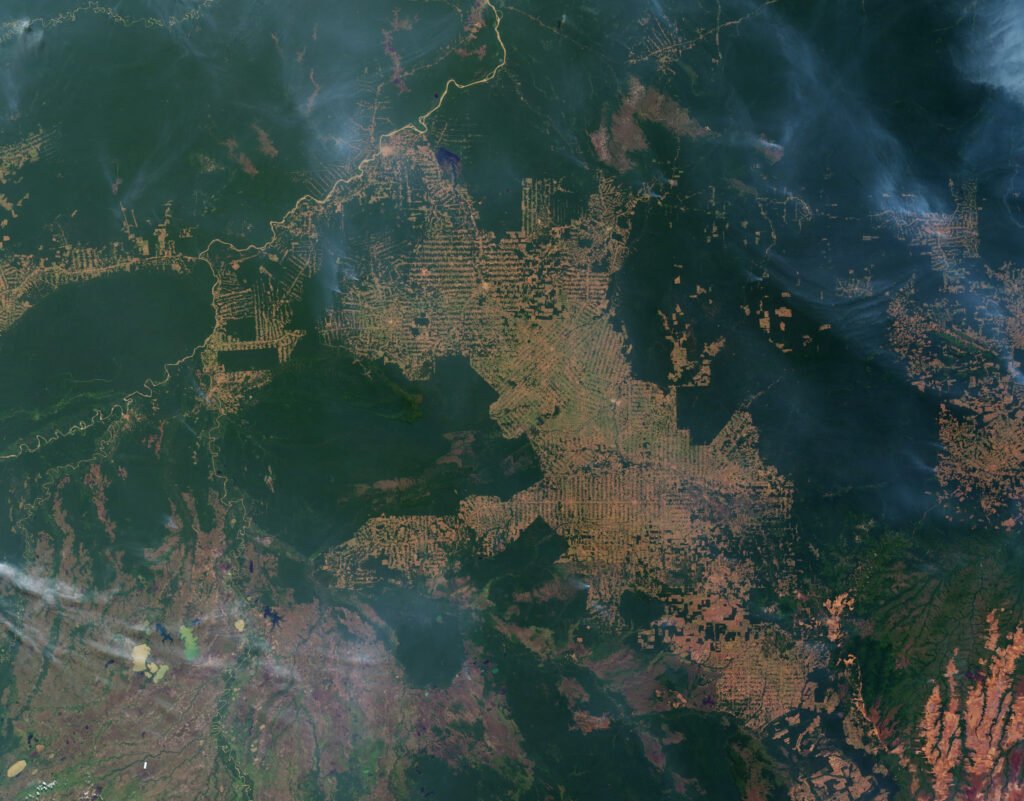
Forest fragmentation is the breaking up of large, continuous forest areas into smaller, isolated patches, typically caused by roads, agriculture, urban development, or logging, with significant consequences for the species and ecological processes that depend on intact forest. Causes of Fragmentation Agricultural expansion, road construction, and urban and suburban development are the leading drivers of
Forest Fragmentation Read More »
The breaking up of large continuous forest into smaller, isolated patches, typically from roads, agriculture, or development, with major ecological consequences.
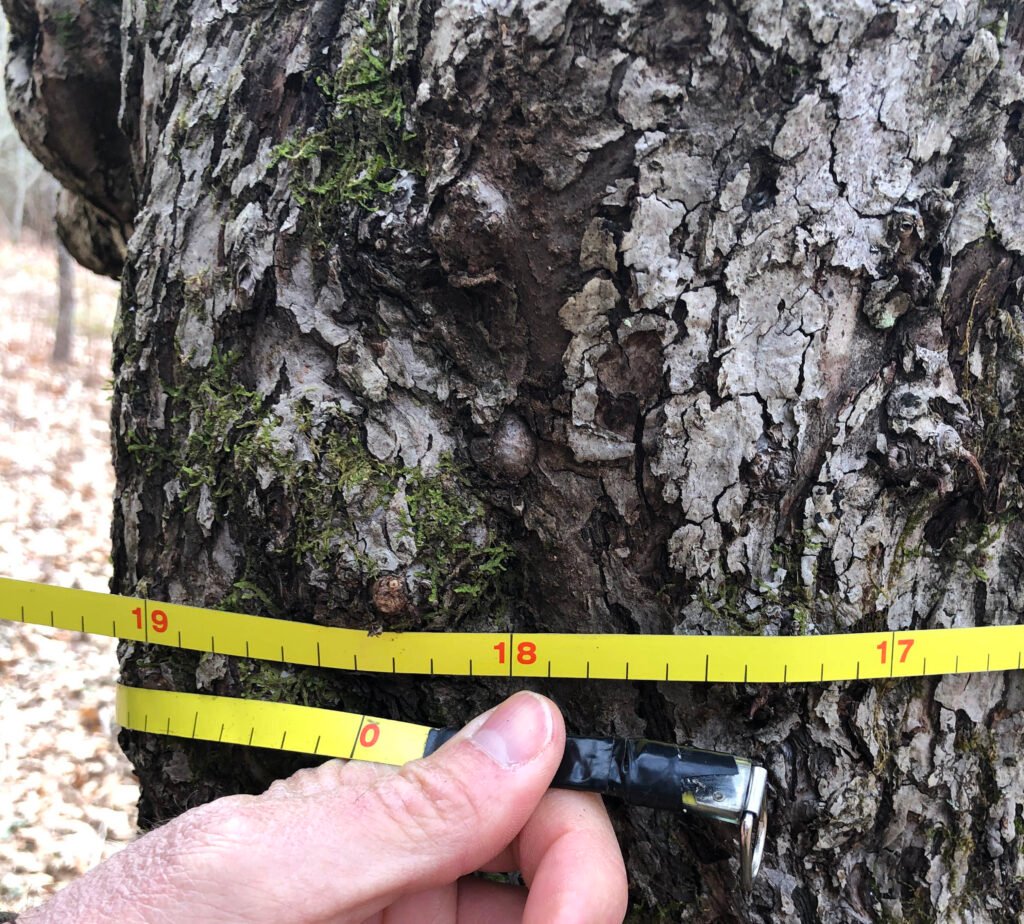
A forest inventory is a systematic survey that records the species, size, condition, and distribution of trees across a defined area, providing the data foundation for forest management planning. What Inventories Measure Field crews typically measure tree diameter at breast height, estimate total height, record species, and note health indicators such as disease or insect
Forest Inventory Read More »
A systematic survey recording tree species, size, condition, and distribution across an area, providing the core data for forest management decisions.
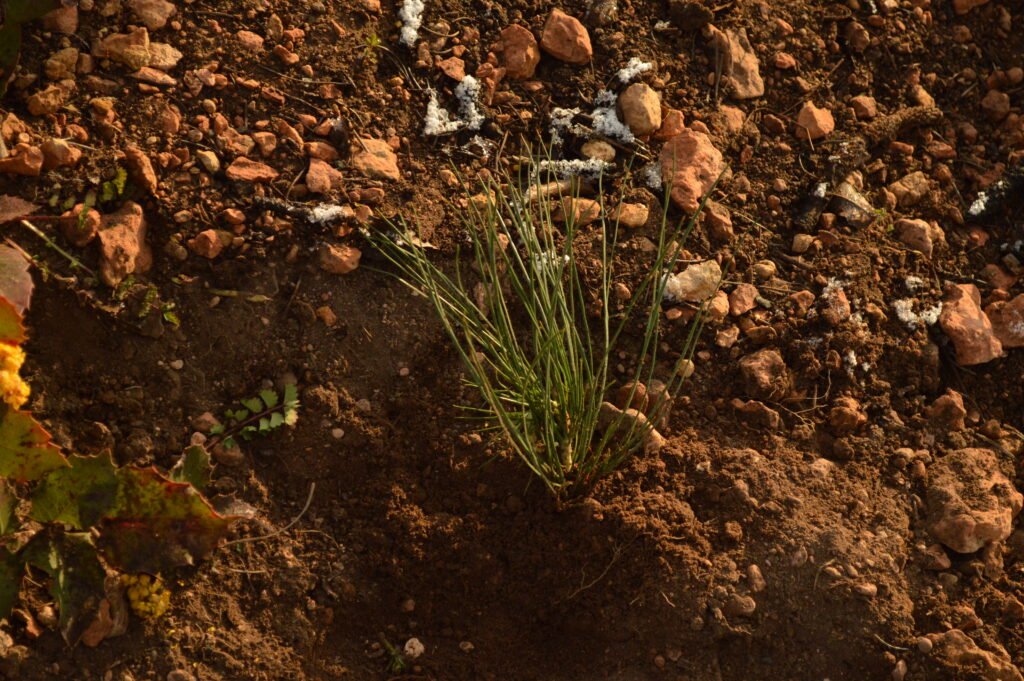
Forest succession is the gradual, predictable process by which plant and tree communities change over time following a disturbance, progressing through a series of stages until reaching a relatively stable mature forest community. Primary and Secondary Succession Primary succession occurs on newly exposed surfaces with no pre-existing soil or vegetation, such as land exposed after
Forest Succession Read More »
The gradual, predictable process by which forest plant communities change over time following a disturbance, moving through stages toward a mature community.
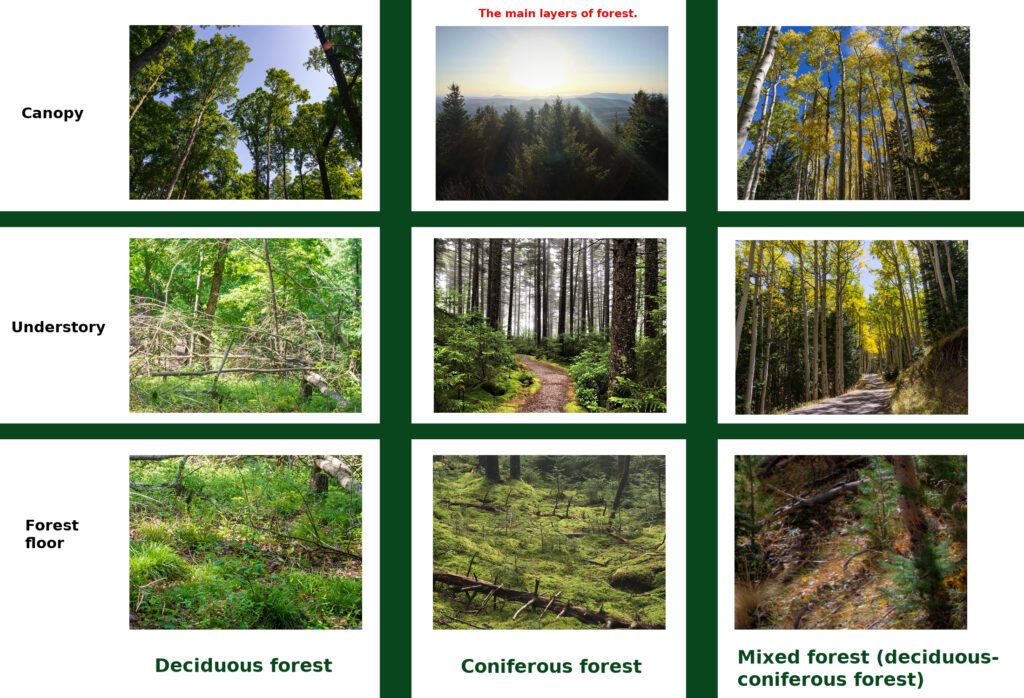
The forest understory is the layer of vegetation growing beneath the main canopy, encompassing shrubs, saplings, ferns, and herbaceous plants that have adapted to the reduced light conditions found beneath taller trees. Light-Adapted Plant Strategies Understory plants have evolved various strategies to survive in low light, including broad, thin leaves optimized for capturing limited available
Forest Understory Read More »
The layer of vegetation growing beneath the forest canopy, including shrubs, saplings, and herbaceous plants adapted to reduced light conditions.
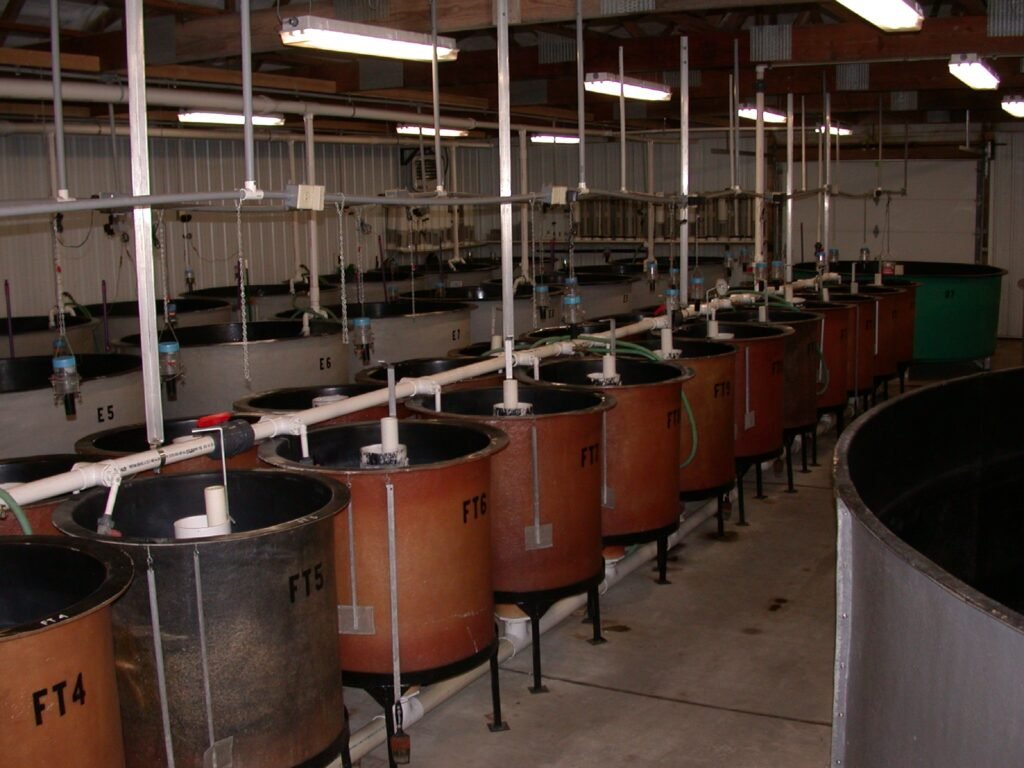
A hatchery is a facility designed to breed fish, shellfish, or other aquatic organisms through their earliest life stages, from fertilized eggs through larvae or juveniles, before they are either released into the wild or transferred to grow-out farms. Hatcheries play a central role in both aquaculture production and conservation programs aimed at supplementing wild
Hatchery Read More »
A facility that breeds fish or shellfish through their earliest life stages before release or transfer to farms.
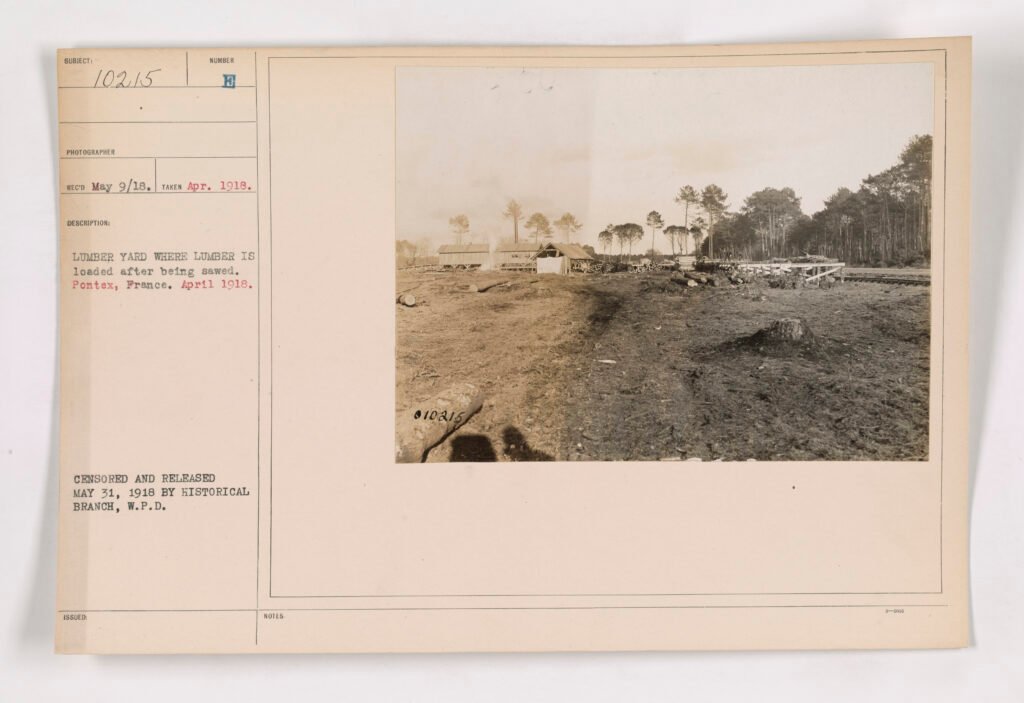
Lumber grading is the process of inspecting sawn wood and sorting it into standardized quality classes based on strength, appearance, and the presence of defects such as knots, splits, or warping. Grading rules are set by regional or national standards organizations and allow buyers and builders to select lumber suited to a specific structural or
Lumber Grading Read More »
Sorting sawn lumber into standardized quality classes based on strength and appearance.
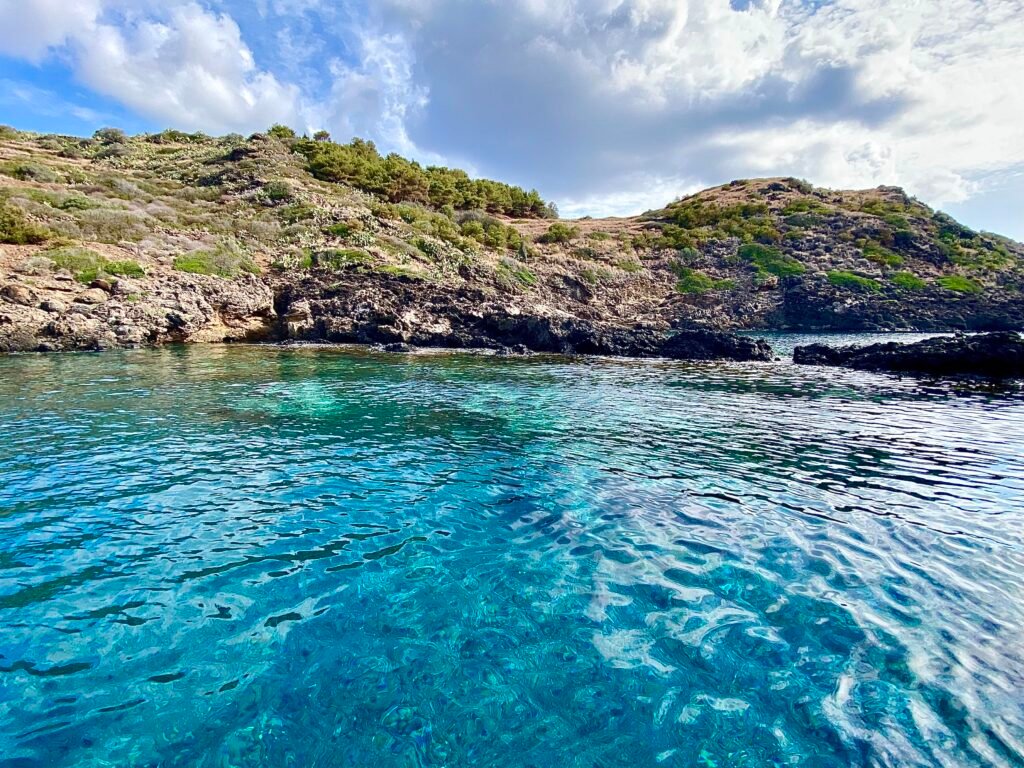
A marine protected area is a defined region of ocean, sea, or coastal water set aside by law for the long-term conservation of marine ecosystems, species, or cultural resources. Protections range from areas that ban all extractive activity, known as no-take zones, to multiple-use areas that permit regulated fishing, tourism, or research alongside conservation goals.
Marine Protected Area Read More »
A legally designated ocean area protected for conservation of marine ecosystems and species.
A national forest is a tract of forested public land designated and managed by a national government, typically balancing timber production, recreation, watershed protection, and wildlife conservation under a formal multiple-use mandate. Origins and Purpose Many countries established national forest systems in the late nineteenth and early twentieth centuries partly in response to concerns about
National Forest Read More »
Public forested land designated and managed by a national government under a multiple-use mandate balancing timber, recreation, and conservation.
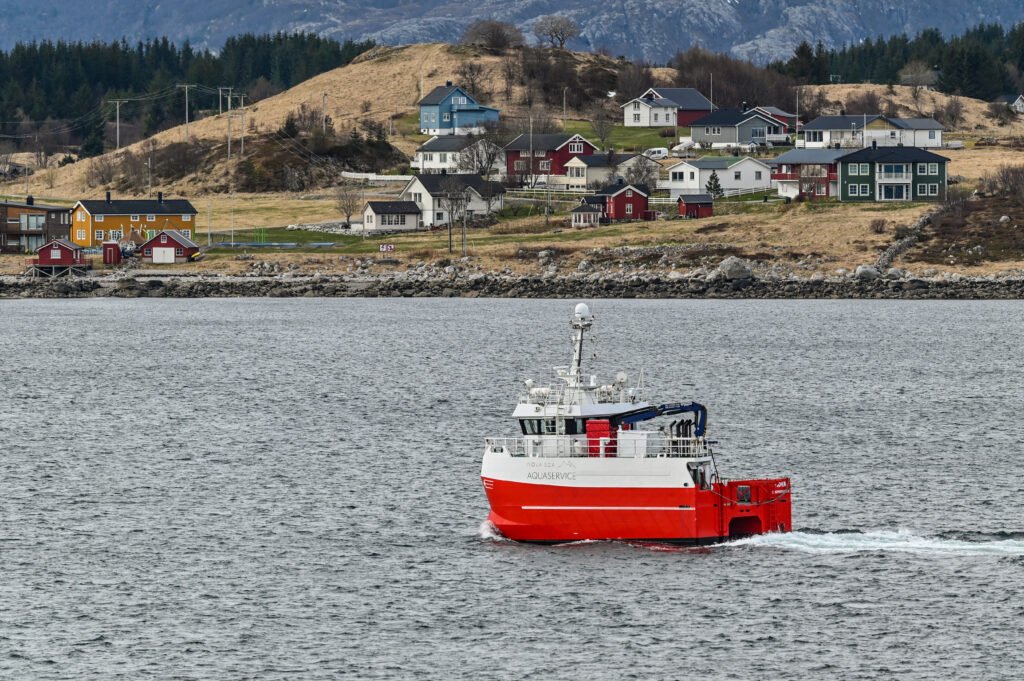
Offshore aquaculture is fish or shellfish farming conducted in open ocean waters farther from shore than traditional coastal operations, typically in deeper water with stronger currents and greater exposure to waves and weather. It represents an effort to expand aquaculture production into new areas while reducing some of the environmental and spatial conflicts associated with
Offshore Aquaculture Read More »
Fish or shellfish farming conducted in open ocean waters farther from shore than coastal operations.
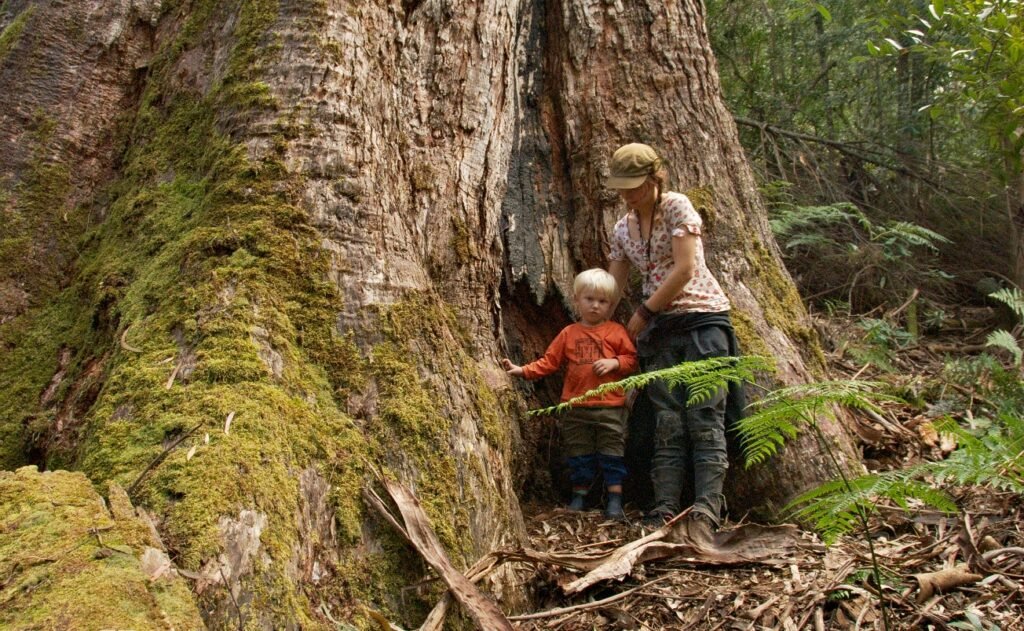
An old-growth forest is a mature forest ecosystem that has developed over a long period, typically centuries, without major human disturbance, characterized by large old trees, standing dead wood, and complex multi-layered canopy structure. Defining Characteristics Old-growth forests typically feature trees of exceptional size and age, a canopy with multiple distinct layers rather than a
Old-Growth Forest Read More »
A mature forest ecosystem developed over centuries without major disturbance, marked by large old trees, standing dead wood, and complex canopy structure.