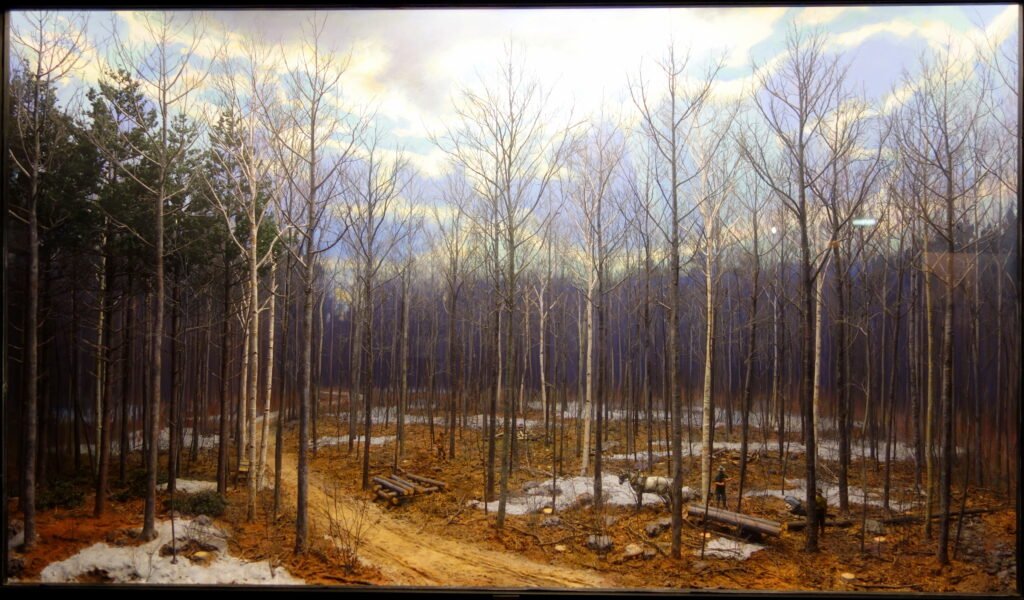
Silviculture is the applied science and practice of controlling the establishment, growth, composition, and quality of forest stands to meet specific management objectives, from timber production to wildlife habitat and watershed protection. Core Silvicultural Systems Foresters classify silvicultural systems broadly into even-aged methods, which regenerate a stand to a single age class through clear-cutting, seed-tree,
Silviculture Read More »
The applied science and practice of controlling forest stand establishment, growth, and composition to meet specific management objectives.
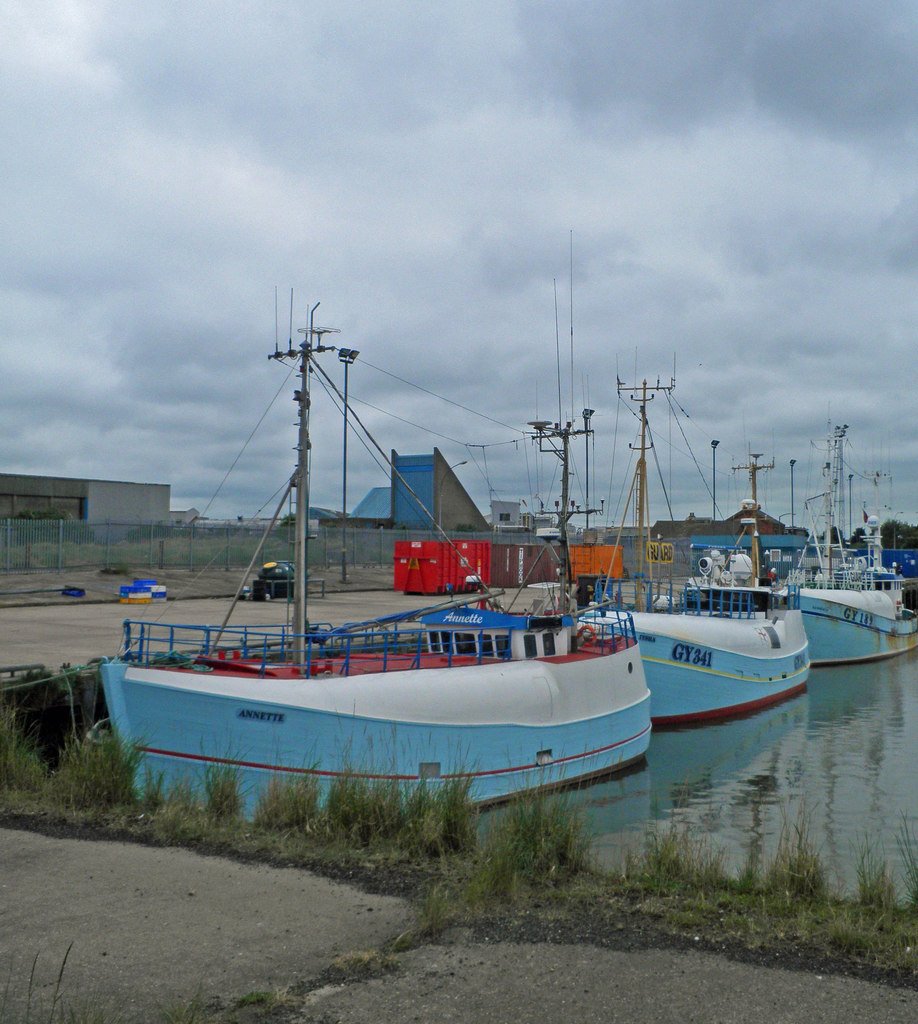
Sustainable fisheries are fishing operations and management systems designed to harvest fish and other seafood at rates that maintain healthy populations and ecosystems over the long term. The goal is to balance current economic and food needs against the biological limits of the species being caught, so that fishing can continue indefinitely without depleting the
Sustainable Fisheries Read More »
Fishing practices and management systems that keep fish populations healthy over the long term.
Sustainable forestry is the practice of managing forest resources to meet present timber, recreation, and ecological needs without compromising the forest’s ability to provide those same benefits to future generations. Core Principles Sustainable forestry balances three interdependent goals: maintaining long-term timber productivity, conserving biodiversity and water quality, and supporting the economic and cultural needs of
Sustainable Forestry Read More »
The practice of managing forests to meet current timber and ecological needs without reducing their capacity to provide those benefits in the future.
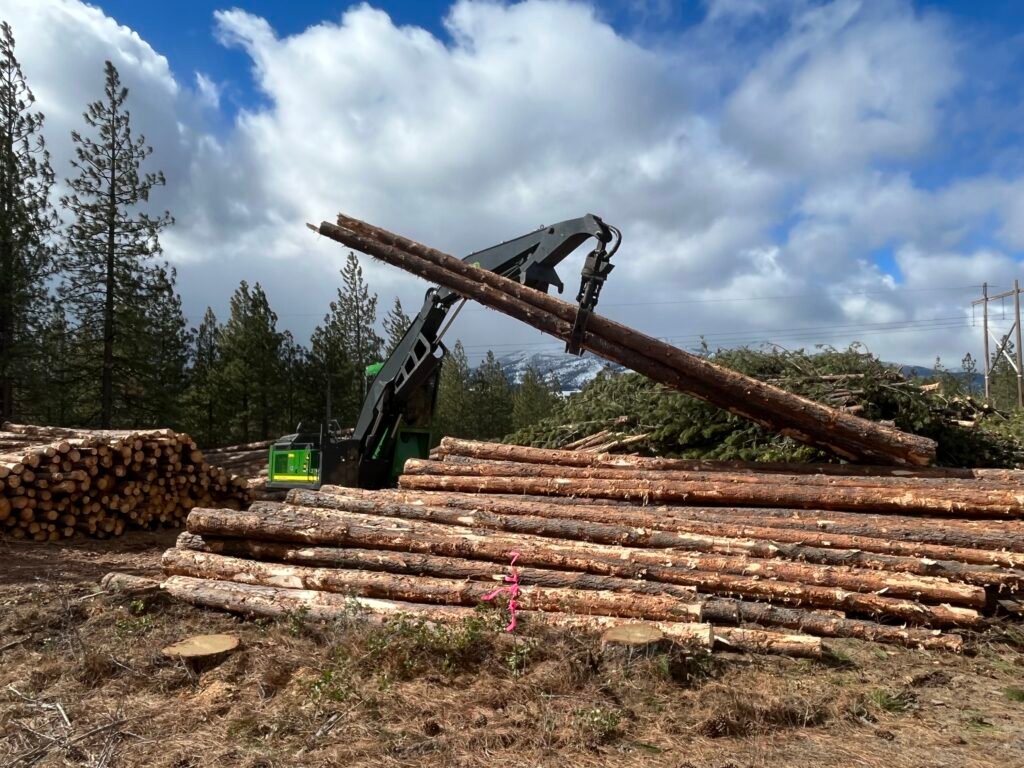
Timber harvesting is the process of felling, processing, and removing trees from a forest for commercial use, encompassing everything from tree selection and cutting to transporting logs to a mill. Harvesting Operations A typical harvest begins with marking or selecting trees according to a management plan, followed by felling using chainsaws or mechanized harvesters, then
Timber Harvesting Read More »
The process of felling, processing, and removing trees from a forest for commercial use, from tree selection through transport to a mill.
Trawling is a fishing method in which a large net, called a trawl, is towed through the water or along the seafloor behind one or more vessels to capture fish, shrimp, or other seafood. It is one of the most widely used commercial fishing techniques in the world, prized for its efficiency at catching large
Trawling Read More »
A fishing method that tows a large net through water or along the seafloor to catch fish or shrimp.
Tree species diversity refers to the variety and relative abundance of different tree species present within a forest stand or landscape, a key measure of forest ecosystem health and resilience. Measuring Diversity Ecologists quantify tree species diversity using indices that account for both the number of species present, known as richness, and how evenly individuals
Tree Species Diversity Read More »
The variety and relative abundance of different tree species within a forest, a key measure of ecosystem health, resilience, and function.
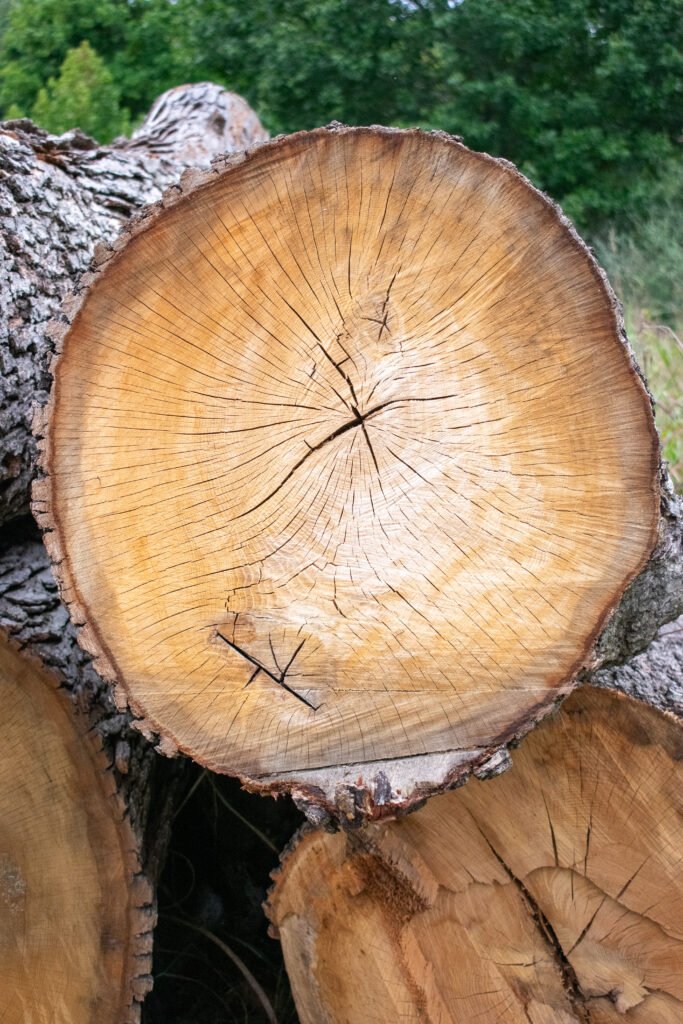
Wood density is a measure of how much mass a given volume of wood contains, usually expressed as mass per unit volume, and it is one of the most important physical properties influencing how a species of wood performs structurally, how it burns, and how it machines or finishes. Denser woods generally offer greater strength
Wood Density Read More »
A measure of the mass of wood per unit volume, influencing its strength, workability, and fuel value.
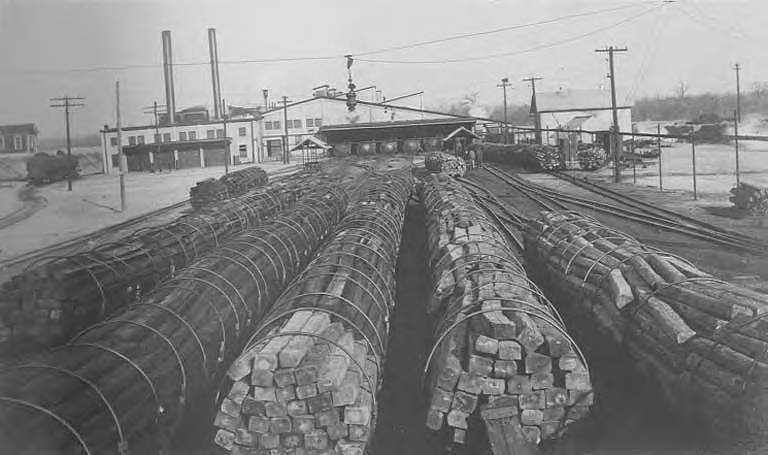
Wood preservation refers to the range of treatments applied to timber to protect it from decay-causing fungi, wood-boring insects, and marine borers, extending the usable life of wood products that would otherwise degrade rapidly when exposed to moisture, soil contact, or pest-prone environments. Preservation treatments are especially important for structural and outdoor uses, such as
Wood Preservation Read More »
Treating timber to resist decay, insects, and marine borers and extend its service life.
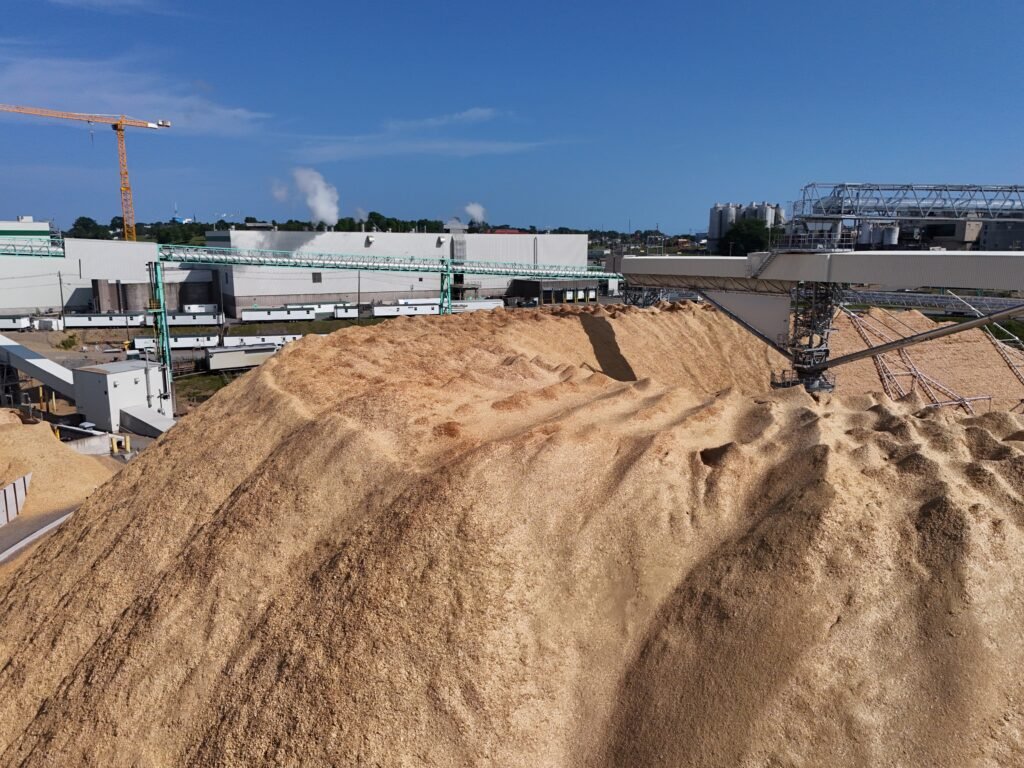
Wood pulp is a fibrous material produced by mechanically or chemically breaking down wood into its cellulose fibers, forming the primary raw material used to manufacture paper, cardboard, and a range of other cellulose-based products. Producing pulp separates the useful cellulose fibers from lignin and other wood components that would otherwise weaken paper or cause
Wood Pulp Read More »
Fibrous cellulose material extracted from wood for making paper and related products.
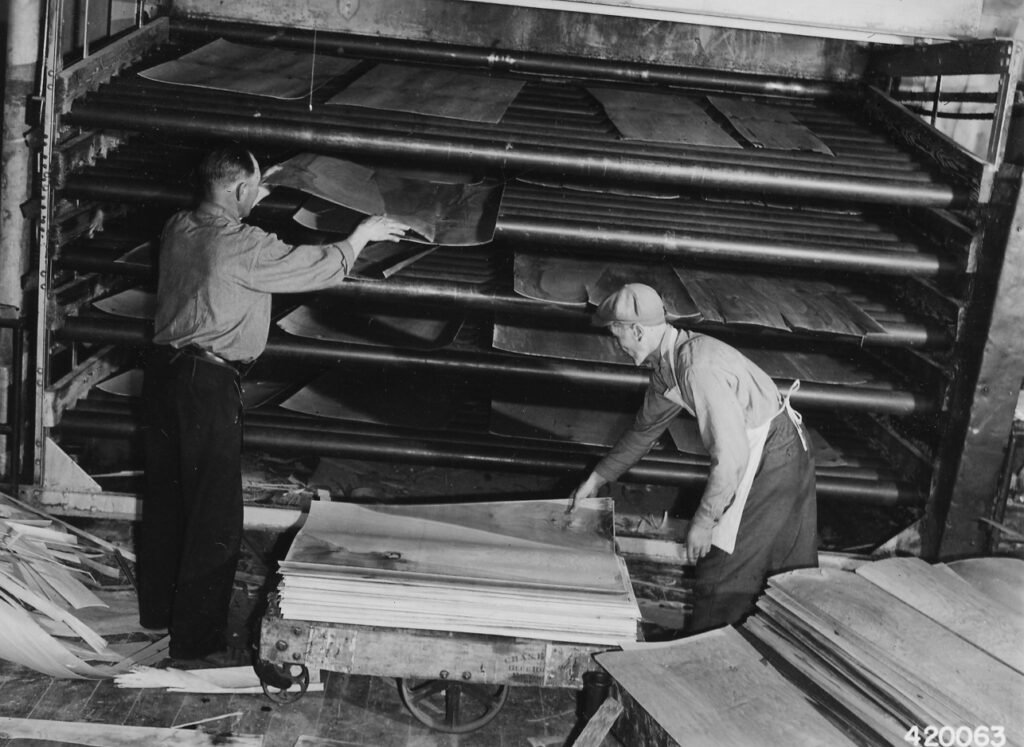
Wood veneer is a thin sheet of wood, typically less than three millimeters thick, sliced or peeled from a log and used as a decorative or functional surface layer on furniture, cabinetry, doors, and engineered wood panels. Veneer allows manufacturers to achieve the appearance of expensive or rare wood species while using far less raw
Wood Veneer Read More »
A thin sliced or peeled sheet of wood used as a decorative or functional surface layer.