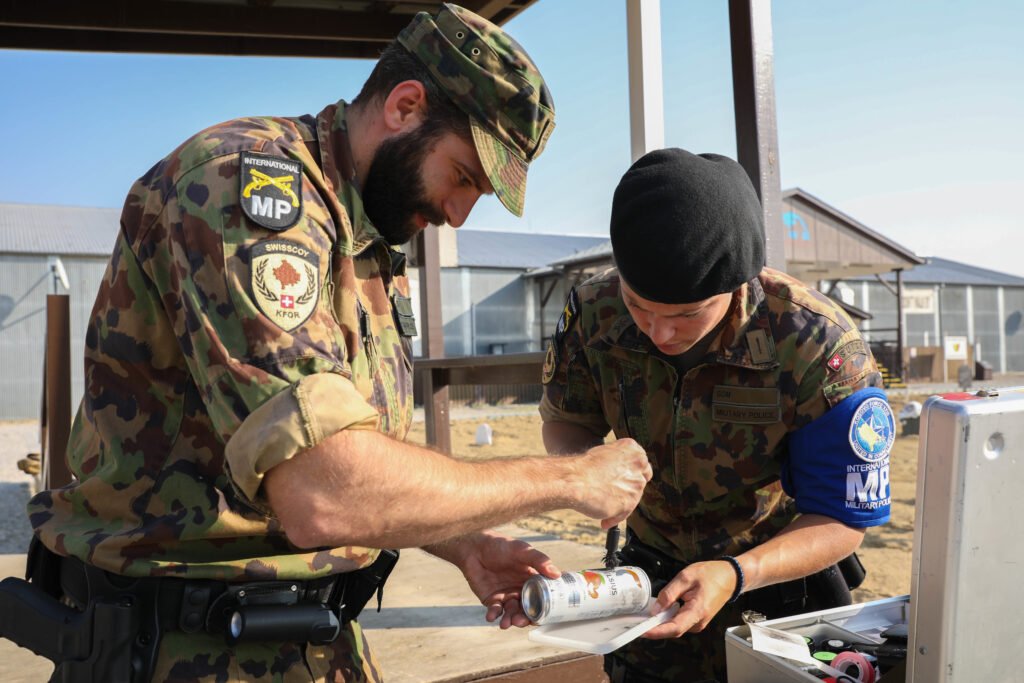
Overview Counterintelligence is the set of activities aimed at protecting a nations secrets and institutions from the intelligence operations of rival powers. Where ordinary intelligence collection looks outward to learn about an adversary, counterintelligence looks inward and sideways, asking who might be trying to steal, distort, or sabotage ones own information. Defensive and Offensive Measures
Counterintelligence Read More »
Counterintelligence is the activity of identifying and neutralizing the intelligence operations of hostile foreign powers.
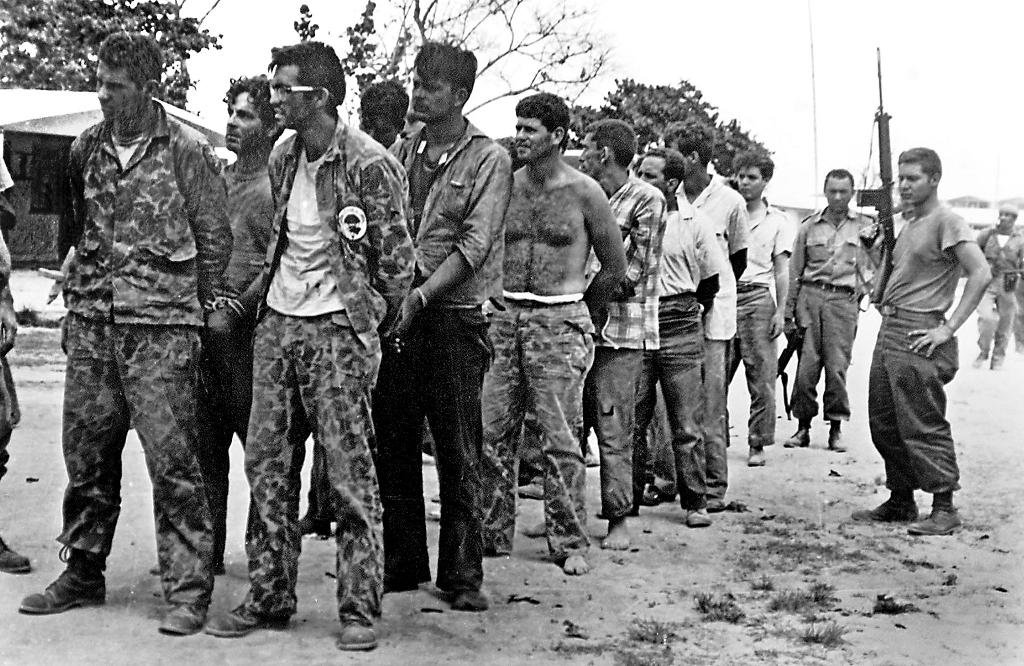
Overview Covert operations are activities a government undertakes to shape events in another country while denying its own involvement. The defining feature is not secrecy about the act itself, which may become publicly visible, but secrecy about who ordered and funded it, allowing the sponsoring government plausible deniability. Forms of Covert Action Covert action takes
Covert Operations Read More »
Covert operations are government actions intended to influence events abroad while concealing the identity of the sponsoring government.
Overview Crime prevention refers to the broad range of strategies intended to reduce the likelihood that crime will occur in the first place, as opposed to responding to crimes after they have been committed. These strategies span multiple approaches, from altering the physical environment to addressing social and economic conditions associated with criminal behavior. Situational
Crime Prevention Read More »
Crime prevention encompasses the strategies and programs aimed at reducing the occurrence of crime before it happens, rather than responding to crime after it has already taken place.
Overview Criminal investigation is the structured process law enforcement agencies use to determine whether a crime has been committed and, if so, to identify and build a case against the individuals responsible. It combines the systematic collection of physical evidence, the gathering of witness and victim statements, and increasingly the analysis of digital records and
Criminal Investigation Read More »
Criminal investigation is the systematic process of gathering, documenting, and analyzing evidence to determine whether a crime occurred and to identify the individuals responsible for it.
Overview Criminal profiling is an investigative technique in which analysts examine evidence from a crime scene, along with information about the victim and the circumstances of the offense, to construct a description of the likely psychological and behavioral characteristics of an unknown perpetrator. It is most often applied to serious violent crimes, particularly serial offenses
Criminal Profiling Read More »
Criminal profiling is an investigative technique that uses behavioral and psychological analysis of crime scene evidence to develop a description of the likely characteristics of an unknown offender.
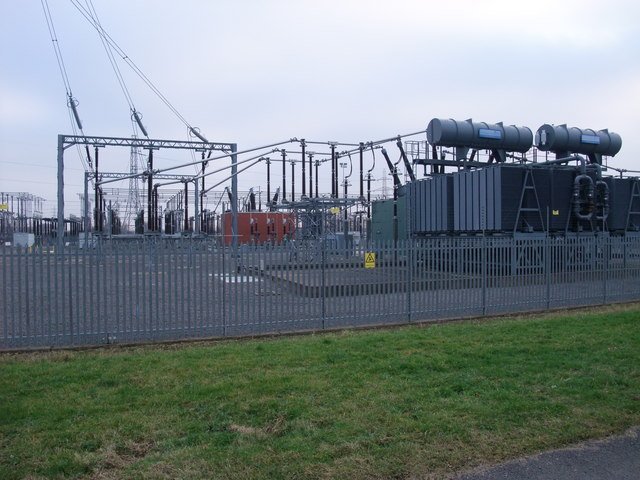
Defining Critical Infrastructure Critical infrastructure encompasses the physical and digital systems so essential to a society that their incapacitation would have a debilitating effect on security, the economy, public health, or safety. Governments typically organize critical infrastructure into sectors, commonly including energy generation and distribution, water and wastewater systems, transportation networks, telecommunications, financial services, and
Critical Infrastructure Protection Read More »
Critical infrastructure protection involves securing the essential systems and assets, such as power grids, water supplies, and communication networks, that a society depends on for basic functioning.
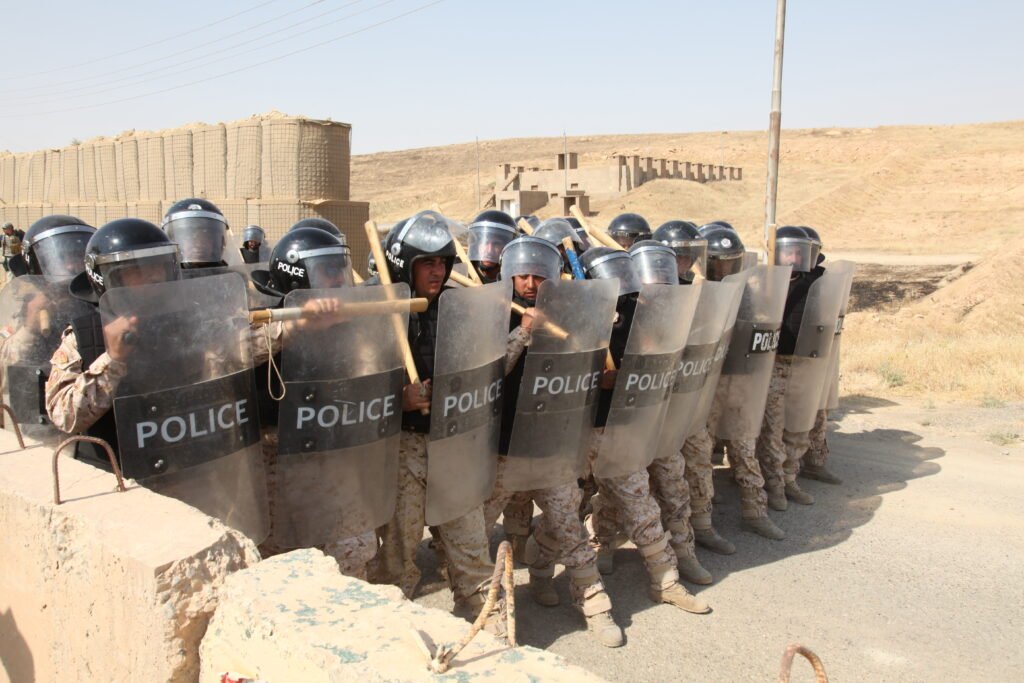
Approaches to Crowd Management Modern crowd management philosophy generally emphasizes a graduated response that begins with planning and communication rather than force. Before a large gathering such as a protest, parade, or sporting event, security planners typically coordinate with organizers to establish expected routes, timing, and crowd size, positioning officers to facilitate rather than confront
Crowd Control and Riot Management Read More »
Crowd control and riot management encompasses the tactics and equipment security forces use to maintain public order during large gatherings, protests, or civil disturbances.
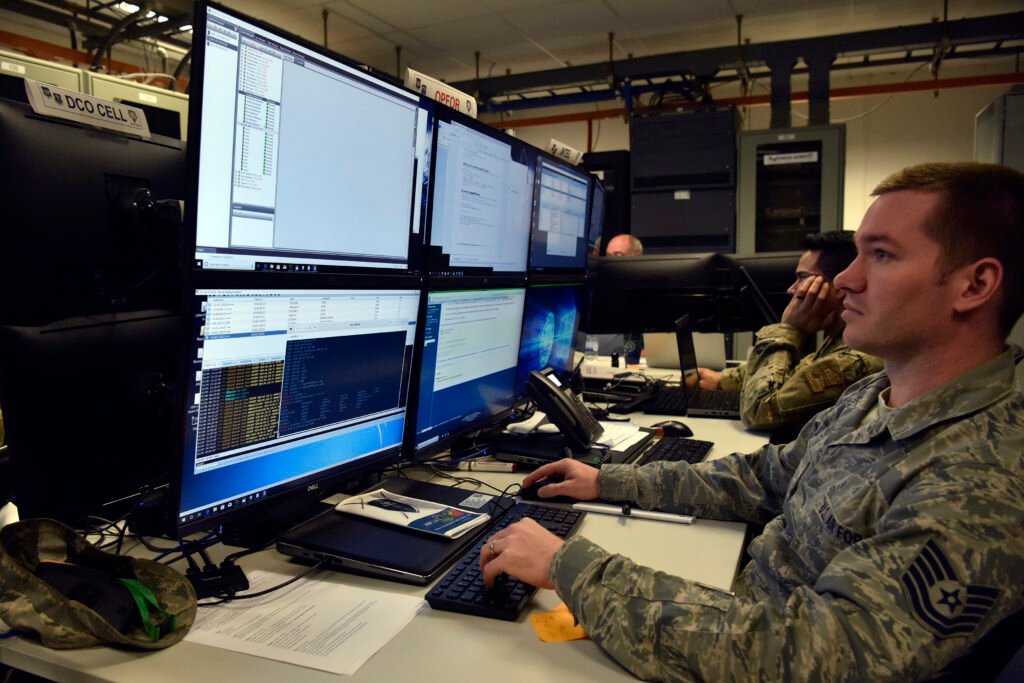
Overview Cyber warfare describes digital attacks that a nation-state, or a group acting on its behalf, directs against the computer systems of another nation. Unlike ordinary cybercrime carried out for financial gain, cyber warfare pursues strategic or military goals, whether disrupting an enemys power grid, stealing defense secrets, or disabling command networks ahead of a
Cyber Warfare Read More »
Cyber warfare is the use of digital attacks by a nation or state-backed group to damage, disrupt, or spy on another nations computer systems.
Common Disaster Fraud Schemes The chaos and urgent need following a major disaster create fertile conditions for several recurring fraud patterns. Fake charity scams solicit donations using names similar to legitimate relief organizations, collecting money that never reaches actual disaster victims. Contractor fraud, sometimes called storm chasing, involves unlicensed or dishonest workers who travel to
Disaster Fraud Prevention Read More »
Disaster fraud prevention covers the measures used to detect and stop scams, price gouging, and fraudulent aid claims that commonly emerge in the aftermath of major disasters.
Overview Espionage is the clandestine acquisition of secret information, most often conducted by one government against another, though corporations and other organizations practice it as well. Every state both runs espionage operations and punishes espionage committed against it, a contradiction that has shaped the practice for as long as organized governments have existed. Methods and
Espionage Read More »
Espionage is the practice of secretly gathering confidential information, typically on behalf of a government, without the consent of the party holding it.