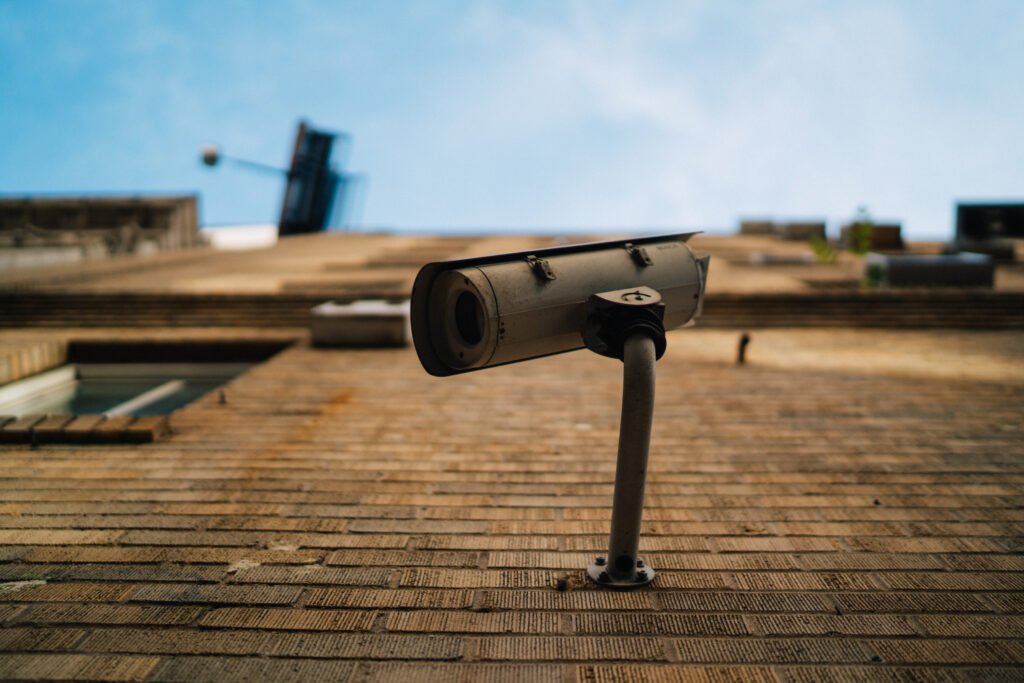
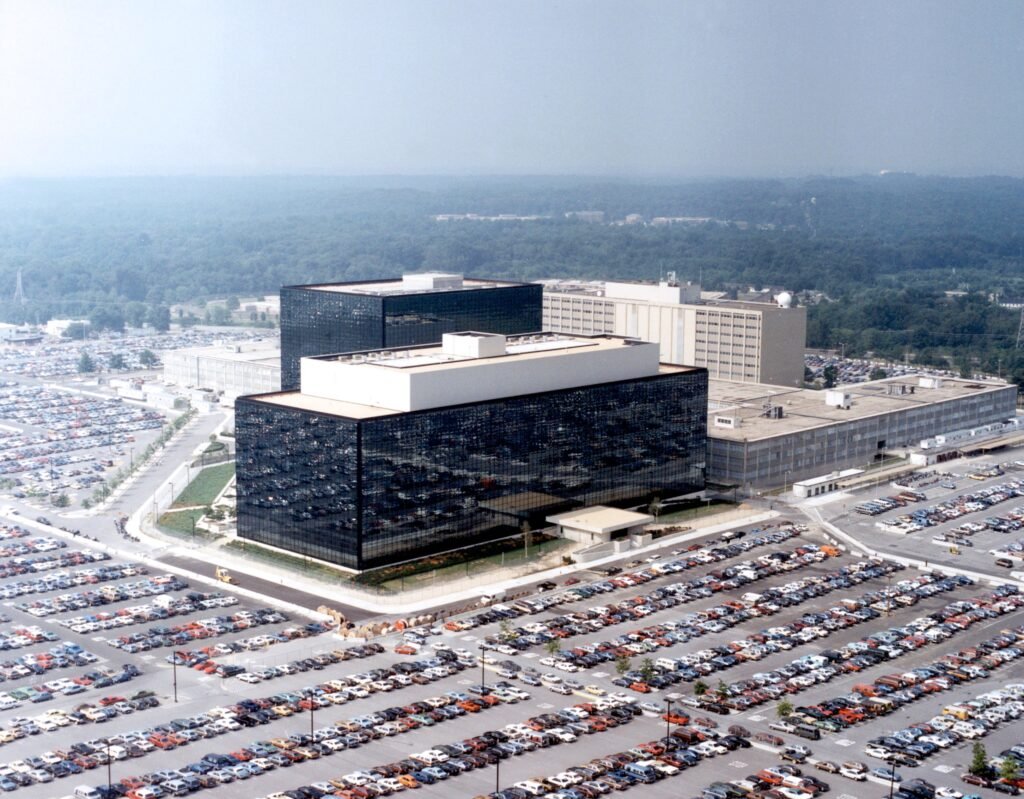
Overview Physical security covers the tangible measures an organization puts in place to prevent unauthorized people from physically reaching a facility, piece of equipment, or other protected asset. It complements rather than replaces cybersecurity, since a hacker who cannot breach a network remotely might instead attempt to walk into a data center and access equipment
Physical Security Read More »
Physical security refers to measures designed to prevent unauthorized physical access to a facility, equipment, or resource.
Overview Police accountability encompasses the range of mechanisms intended to ensure that officers and agencies exercise their authority lawfully and that misconduct, when it occurs, is identified and addressed. These mechanisms operate at multiple levels, from internal departmental review to external civilian oversight and the broader legal system. Internal mechanisms Most police departments maintain internal
Police Accountability Read More »
Police accountability refers to the systems, policies, and institutions designed to ensure that law enforcement officers and agencies act within the law and can be held responsible for misconduct.
Overview Police patrol refers to the continuous movement of officers through an assigned geographic area, whether on foot, in vehicles, or using other means such as bicycles or horses, with the goals of deterring crime, maintaining public order, and responding quickly to calls for service. Patrol remains the largest single function within most police departments
Police Patrol Read More »
Police patrol is the practice of officers moving through an assigned area on foot, in vehicles, or by other means to deter crime, respond to calls for service, and maintain visible police presence.
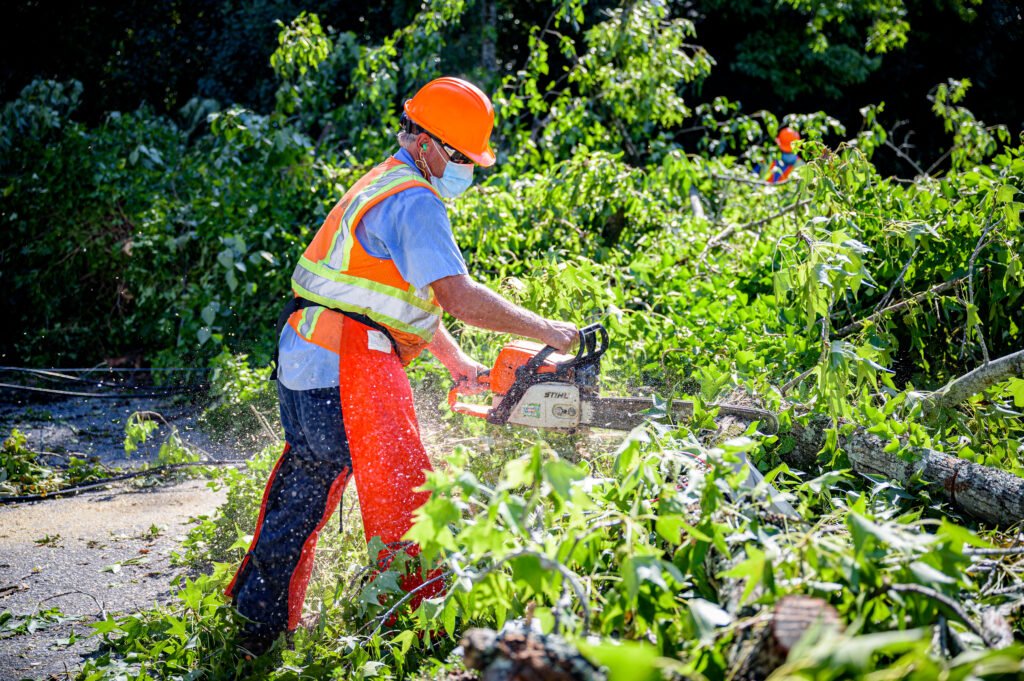
Security Challenges During Extended Recovery While initial disaster response typically lasts days to weeks, reconstruction and recovery can extend for months or even years, creating a distinct and often underappreciated security challenge compared to the immediate emergency period. Construction sites holding valuable building materials, tools, and heavy equipment become attractive targets for theft, particularly in
Post-Disaster Reconstruction Security Read More »
Post-disaster reconstruction security addresses the protection of rebuilding efforts, construction sites, and recovery funding from theft, fraud, and disruption during the long recovery period after a major disaster.
Overview The private security industry consists of companies and individuals paid to protect people, property, and information, filling roles that public police departments either cannot or do not cover. It has grown into a major economic sector in its own right, and in many countries the number of private security employees now exceeds the number
Private Security Industry Read More »
The private security industry encompasses companies and personnel hired to protect people, property, and information outside of government policing.
Overview Search and seizure law governs the circumstances under which government officials, most commonly police, may examine a persons body, vehicle, home, or belongings and take possession of items found during that examination. In the United States, this area of law is rooted primarily in the Fourth Amendment to the Constitution, which protects against unreasonable
Search and Seizure Read More »
Search and seizure refers to the legal rules governing when law enforcement officers may examine a person, vehicle, or property and take possession of evidence or contraband found during that examination.
Overview A security audit is a formal, structured review of an organizations security controls and practices, measured against a defined standard, regulatory requirement, or internal policy, producing findings and recommendations rather than simply describing the current state. Organizations commission audits both proactively, as part of routine governance, and reactively, following a security incident that exposes
Security Audit Read More »
A security audit is a formal, independent evaluation of an organizations security controls and practices against a defined standard or policy.
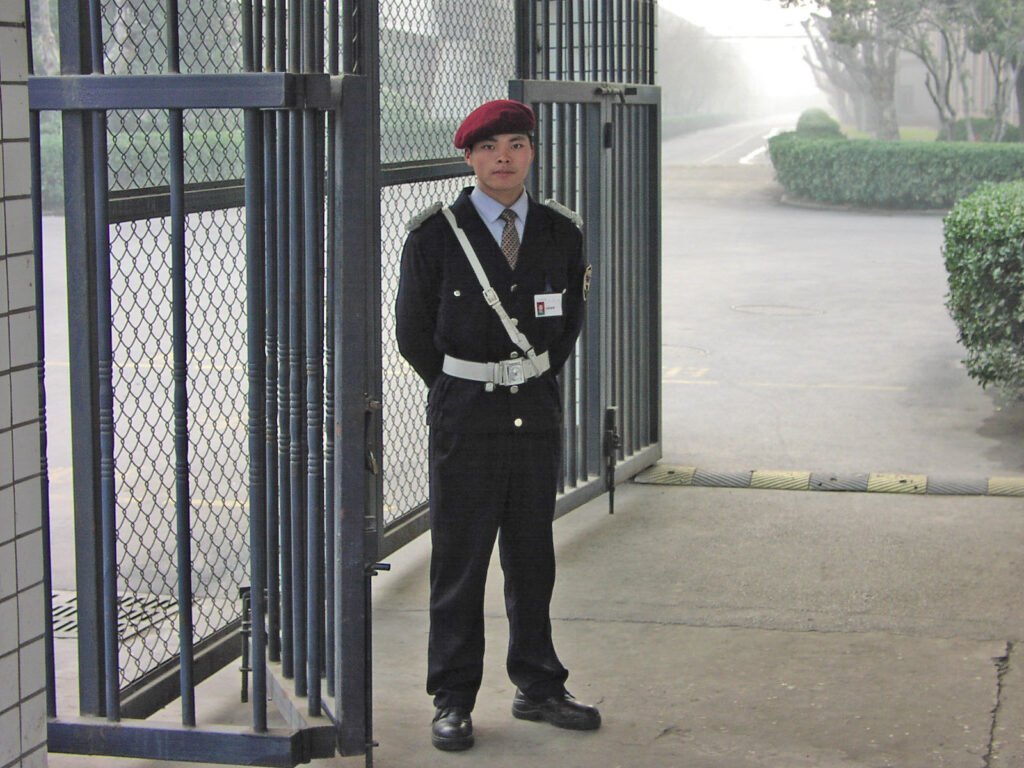
Overview Security guard services supply trained personnel who physically monitor, patrol, and protect a clients property, assets, or people, representing one of the oldest and most visible segments of the private security industry. Guards may work fixed posts, such as a lobby desk or gate, or conduct mobile patrols across a larger property, and their
Security Guard Services Read More »
Security guard services provide trained personnel to monitor, patrol, and protect property, assets, and people on behalf of a client.
Overview A security risk assessment systematically identifies the threats an organization faces, the vulnerabilities that could allow those threats to cause harm, and the potential consequences if they do, producing a prioritized basis for deciding where to invest limited security resources. Rather than treating every possible risk equally, the assessment process forces explicit tradeoffs by
Security Risk Assessment Read More »
A security risk assessment is a systematic process of identifying, analyzing, and prioritizing threats and vulnerabilities to an organizations people, property, and information.
Overview Signals intelligence, commonly abbreviated SIGINT, is the practice of intercepting electronic transmissions to extract information of military, diplomatic, or economic value. It sits alongside human intelligence and imagery intelligence as one of the primary disciplines used by national security agencies to understand adversaries and allies alike. Branches of SIGINT Communications intelligence, or COMINT, focuses
Signals Intelligence Read More »
Signals intelligence, or SIGINT, is intelligence gathered by intercepting electronic signals and communications.