In simple terms Impressionism is a style of painting that emerged in France in the 1870s, known for capturing fleeting impressions of light and color with visible, often rapid brushstrokes rather than precise, highly detailed realism. [1] How it works Impressionist painters often worked outdoors, painting directly from the scene in front of them rather
Impressionism Read More »
Impressionism is a style of painting that emerged in France in the 1870s, known for capturing fleeting impressions of light and color with visible brushstrokes rather than precise detail.
In simple terms Industrial design is the practice of designing manufactured products, from kitchen appliances to cars, so that they work well, are safe and comfortable to use, and look appealing, before a single unit goes into mass production. [1] It sits deliberately at the intersection of engineering, ergonomics, and aesthetics rather than belonging fully
Industrial design Read More »
Industrial design is the practice of designing manufactured products so they work well, are safe and comfortable to use, and look appealing, before they go into mass production.
Islamic architecture refers to the building traditions that developed across the Islamic world beginning in the seventh century, encompassing mosques, palaces, tombs, and civic buildings united by a shared visual vocabulary of geometric ornament, calligraphy, and distinctive structural forms even as it took differing shapes across different regions and periods. Core architectural elements A mosque’s
Islamic architecture Read More »
The building traditions of the Islamic world, uniting mosques, palaces, and tombs through shared ornament and structural forms.
In simple terms Jazz is a genre of music that originated among African American communities in the United States, particularly in New Orleans, around the turn of the 20th century, built on improvisation, syncopated rhythm, and a distinctive treatment of harmony drawn partly from blues music. [1] How it works Improvisation, performers inventing melodic lines
Jazz Read More »
Jazz is a genre of music that originated among African American communities in the United States around the turn of the 20th century, built on improvisation, syncopated rhythm, and blues-derived harmony.
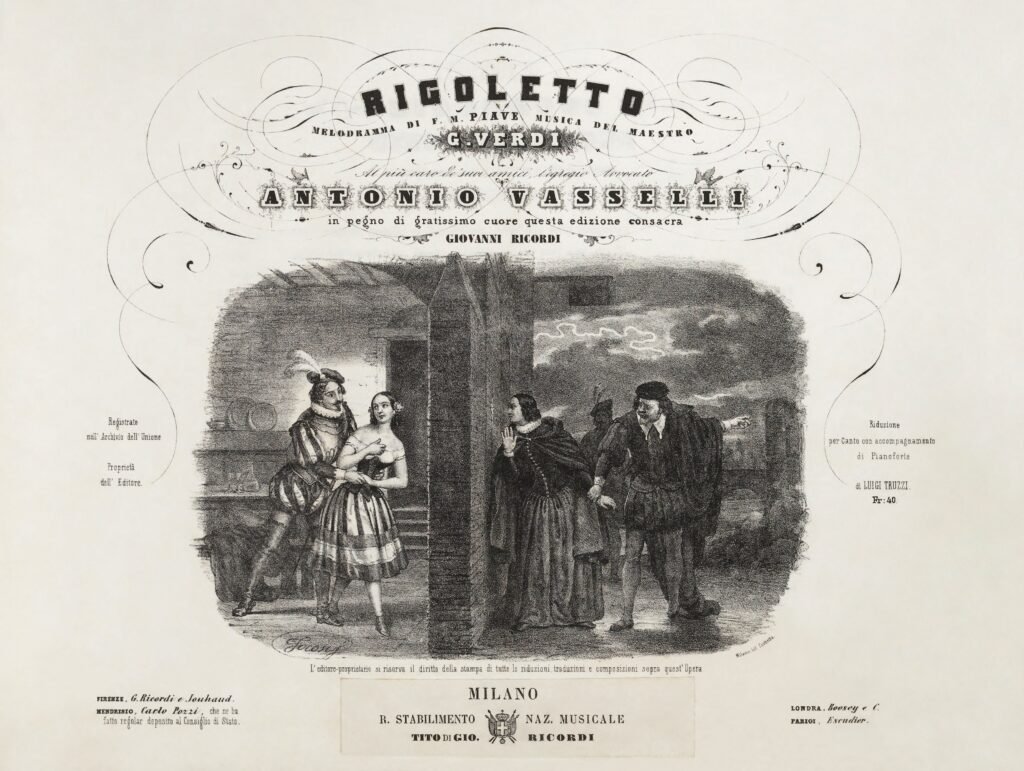
A libretto is the text, including both the words to be sung and any accompanying stage directions, written for an opera, operetta, oratorio, cantata, or musical, distinct from both a simple plot summary and the composer’s musical score that ultimately sets that text to music. Libretto versus score Although a printed score contains the libretto’s
Libretto Read More »
The text, words and stage directions, written for an opera, operetta, oratorio, or musical.
Minimalism is an art and design movement that emphasizes reducing a work to its essential elements, simple geometric forms, industrial materials, and a deliberate absence of personal expression or symbolism, shifting attention toward the physical object itself and the viewer’s direct experience of it. It took shape in New York in the early 1960s, partly
Minimalism Read More »
A movement reducing art and design to essential geometric forms and industrial materials, emerging in New York in the early 1960s.
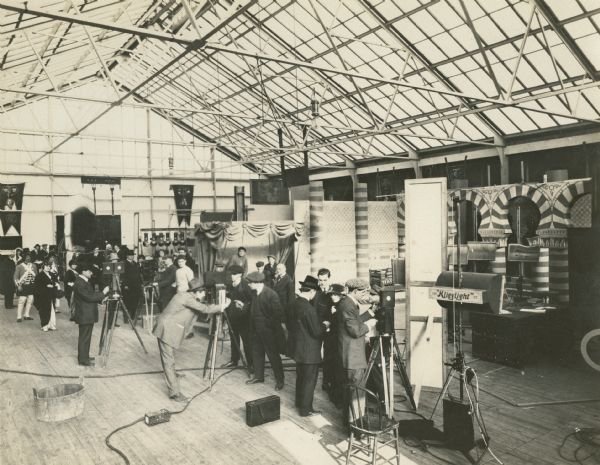
Mise-en-scene is a French term, literally meaning ‘placing on stage,’ used in film studies to describe everything that appears in front of the camera and how those elements are arranged to shape a scene’s mood and meaning. It covers set design, costume, lighting, the positioning and movement of actors, and the overall composition of the
Mise-en-scene Read More »
Everything placed in front of the camera in a film scene, including set design, costume, lighting and composition.
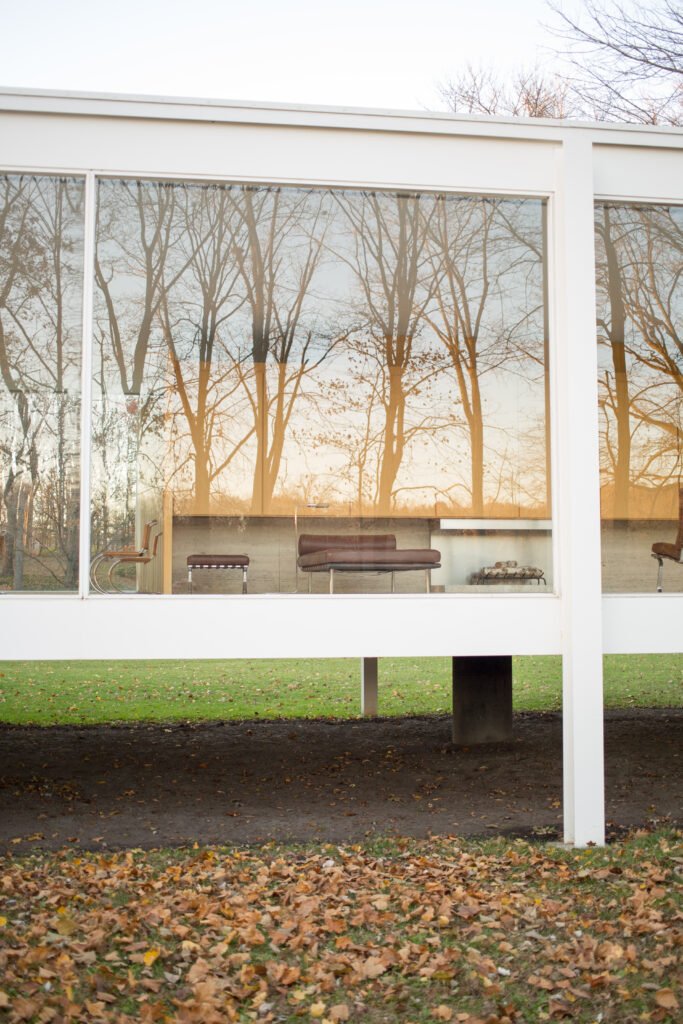
Modernist architecture is a twentieth-century movement that rejected historical ornament in favor of function, new industrial materials, and simplified geometric forms. Rather than drawing on past architectural styles, modernist architects designed buildings around their structural logic and intended use, favoring steel, reinforced concrete, and glass over masonry and decorative detail. n Origins and the Bauhaus
Modernism (architecture) Read More »
A twentieth-century architectural movement rejecting historical ornament in favor of function, new materials and geometric simplicity.
In simple terms The Mona Lisa is a portrait painted by Leonardo da Vinci in the early 16th century, widely regarded as the single most famous painting in the world. [2] What it’s about Leonardo began the portrait around 1503, and evidence suggests he continued working on and refining it for years, possibly up until
Mona Lisa Read More »
The Mona Lisa is a portrait painted by Leonardo da Vinci in the early 16th century, widely regarded as the most famous painting in the world.
In simple terms Montage, in filmmaking, is the technique of assembling a sequence of distinct shots, through editing, to condense time, build an idea, or create meaning that no single shot could carry on its own. [1] How it works A montage sequence typically compresses events that would take far longer in real time into
Montage (filmmaking) Read More »
Montage is the film editing technique of assembling a sequence of distinct shots to condense time, build an idea, or create meaning that no single shot could carry alone.