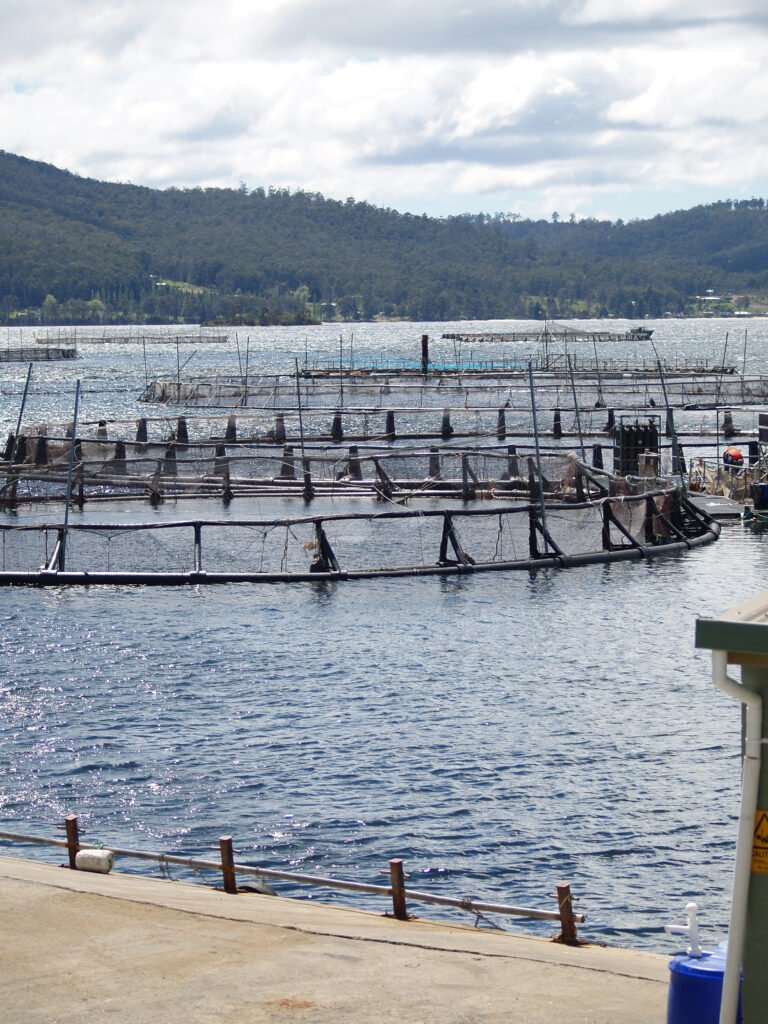
Fish farming, also called aquaculture when applied to finfish, is the practice of raising fish in controlled environments such as ponds, tanks, cages, or enclosed sections of lakes and coastal waters, rather than catching them from wild populations. It now supplies more than half of all fish consumed by people worldwide, a dramatic shift from
Fish Farming Read More »
The practice of raising fish in controlled environments like ponds, tanks, or cages rather than catching them wild.
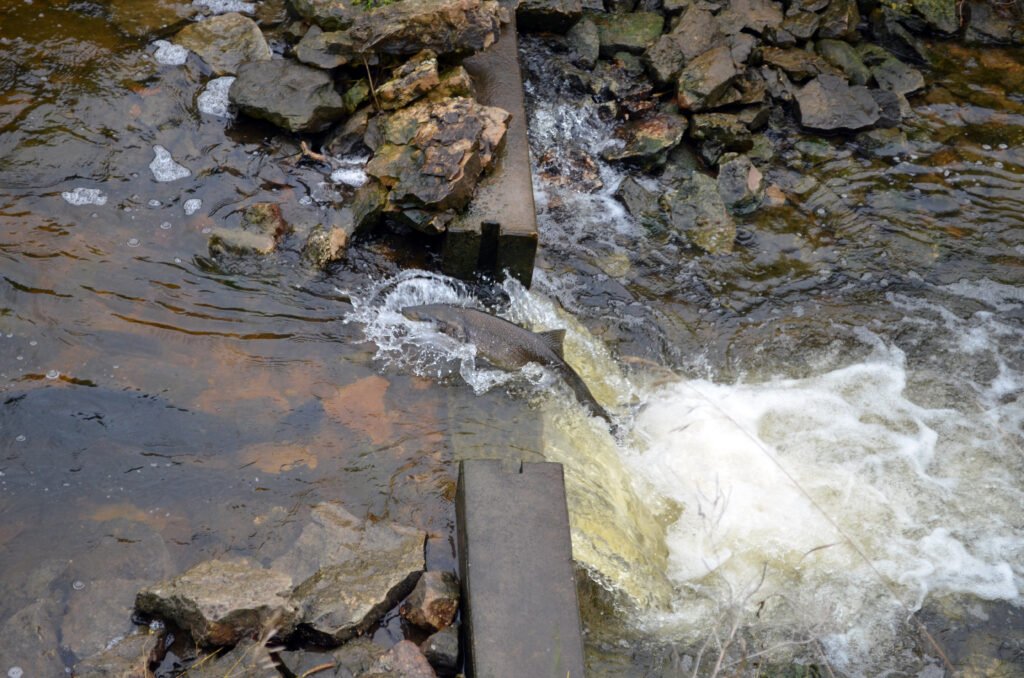
Fish migration is the regular, often seasonal movement of fish populations between different habitats to feed, spawn, or avoid unfavorable conditions. Migratory patterns can span a few kilometers between a river and its estuary or thousands of kilometers across entire ocean basins, and they shape where and when many of the world’s most important fisheries
Fish Migration Read More »
The seasonal movement of fish between habitats to feed, spawn, or avoid poor conditions.
Fish population dynamics is the scientific study of how fish populations change in size and structure over time in response to birth, growth, death, and movement. Understanding these processes lets fisheries scientists predict how a stock will respond to fishing pressure, environmental change, or management interventions. Key Processes A population’s size at any time reflects
Fish Population Dynamics Read More »
The study of how fish populations change in size and structure through birth, growth, and death.
Fish stock assessment is the scientific process of estimating the size, health, and sustainable harvest potential of a fish population, or stock, within a defined geographic area. Fisheries scientists combine survey data, catch records, and biological sampling to build mathematical models that describe how a stock is likely to respond to continued fishing pressure. What
Fish Stock Assessment Read More »
A scientific estimate of a fish population's size and how much can be sustainably caught.
Fishery management is the set of policies, rules, and scientific practices governments and regional bodies use to regulate fishing activity so that fish stocks and the people who depend on them remain economically and ecologically viable. It translates scientific stock assessments into enforceable rules covering how much, where, when, and with what gear fishing can
Fishery Management Read More »
The policies and scientific practices used to regulate fishing for healthy, sustainable stocks.
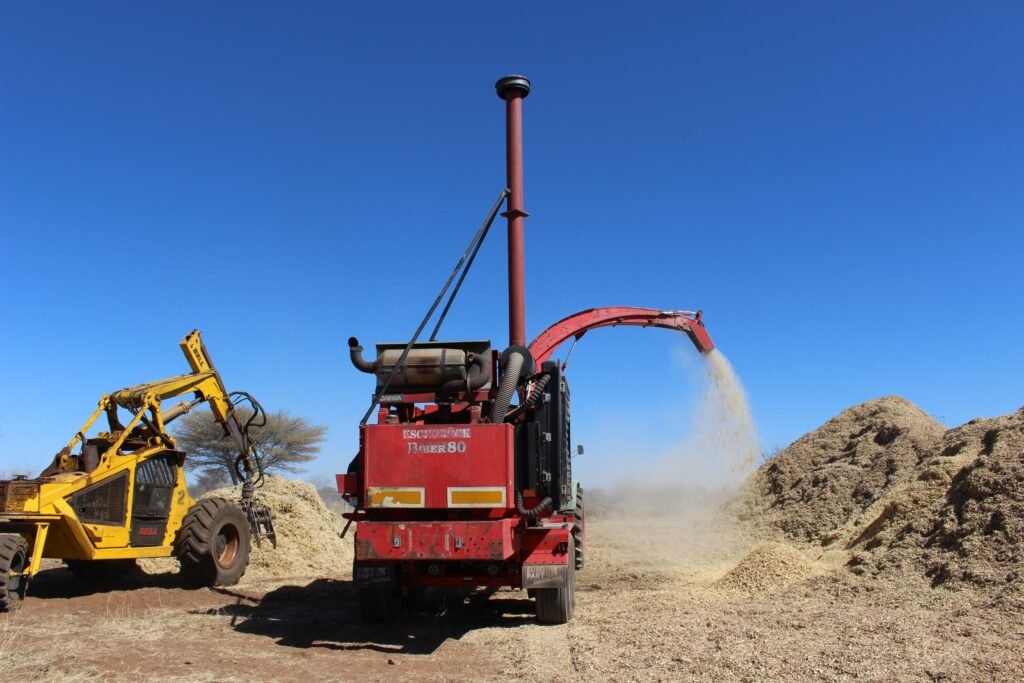
Forest biomass energy refers to the use of wood and other forest-derived organic material, including logging residues, sawmill byproducts, and purpose-grown energy crops, as a fuel source for generating heat or electricity. It represents one of the oldest forms of energy used by humans, now increasingly integrated into modern power plants and heating systems as
Forest Biomass Energy Read More »
Using wood and forest residues as a fuel source for heat and electricity generation.
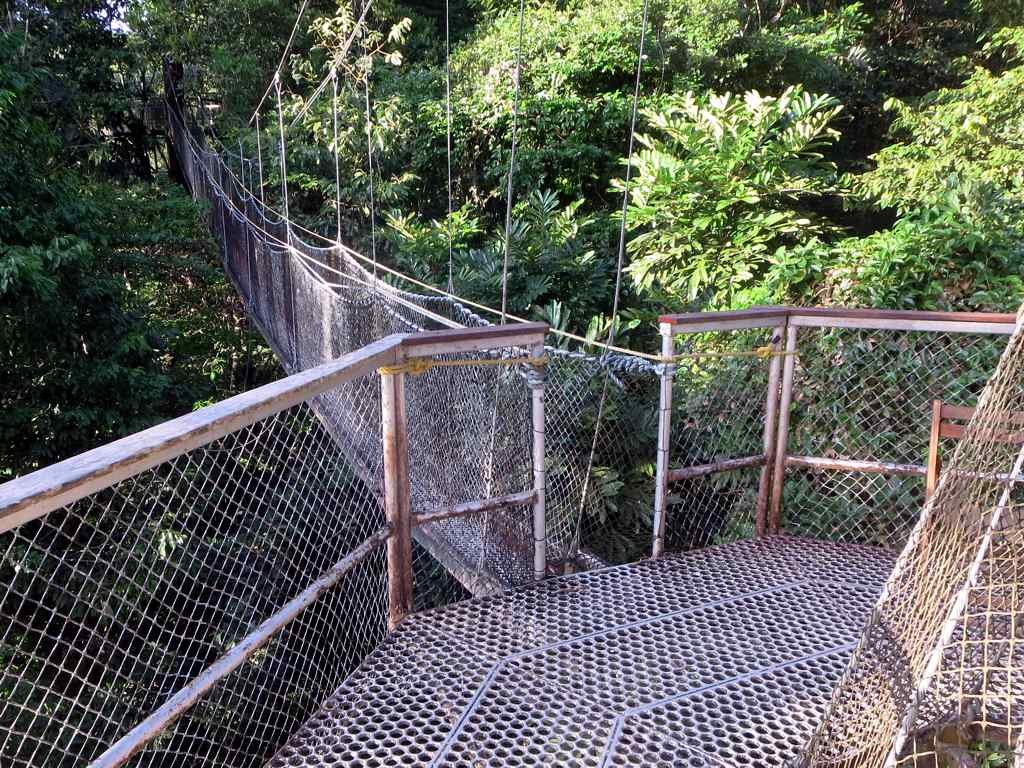
The forest canopy is the uppermost layer of a forest formed by the crowns of the tallest trees, intercepting most incoming sunlight before it reaches lower vegetation layers and shaping the physical and ecological conditions of the entire forest beneath it. Canopy Structure and Layers A mature forest often has several distinct vertical layers beneath
Forest Canopy Read More »
The uppermost layer of a forest formed by the crowns of the tallest trees, shaping light availability and conditions throughout the forest beneath it.
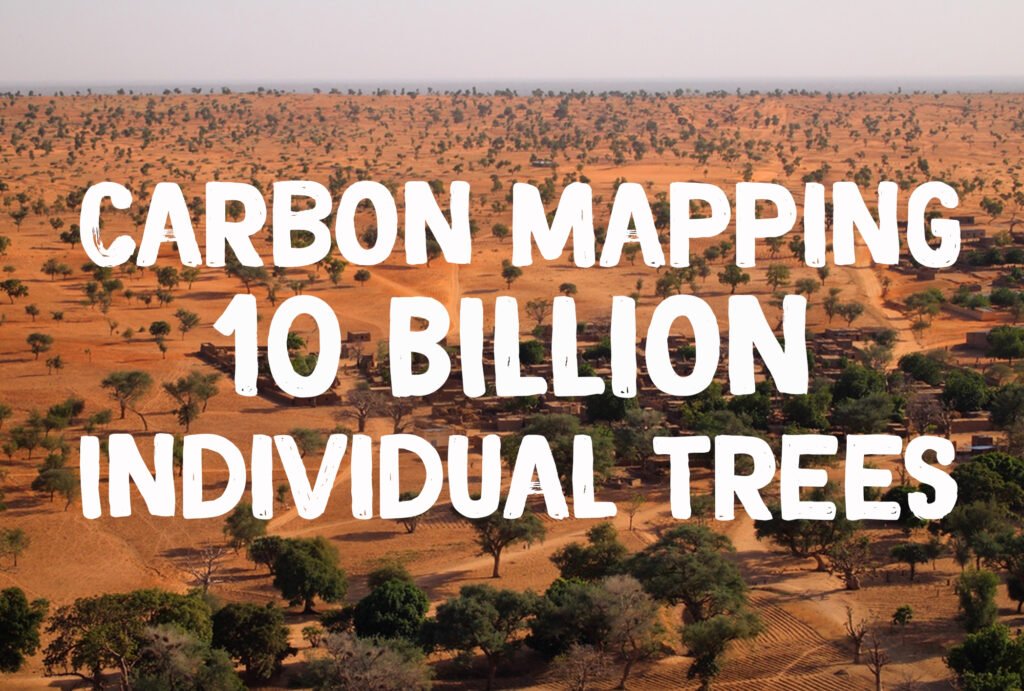
Forest carbon sequestration is the process by which forests absorb atmospheric carbon dioxide through photosynthesis and store it in living biomass, dead organic matter, and soil, making forests a significant component of the global carbon cycle and climate policy. How Forests Store Carbon Trees capture carbon dioxide during photosynthesis and incorporate the carbon into wood,
Forest Carbon Sequestration Read More »
The process by which forests absorb atmospheric carbon dioxide and store it in biomass, dead organic matter, and soil, a key part of the global carbon cycle.
Forest certification is a voluntary process in which an independent third party verifies that a forest is managed according to defined environmental, social, and economic standards, allowing certified wood and paper products to carry a recognized label. Major Certification Systems The Forest Stewardship Council and the Programme for the Endorsement of Forest Certification are the
Forest Certification Read More »
A voluntary third-party verification process confirming that a forest is managed to defined environmental and social standards, enabling certified product labeling.
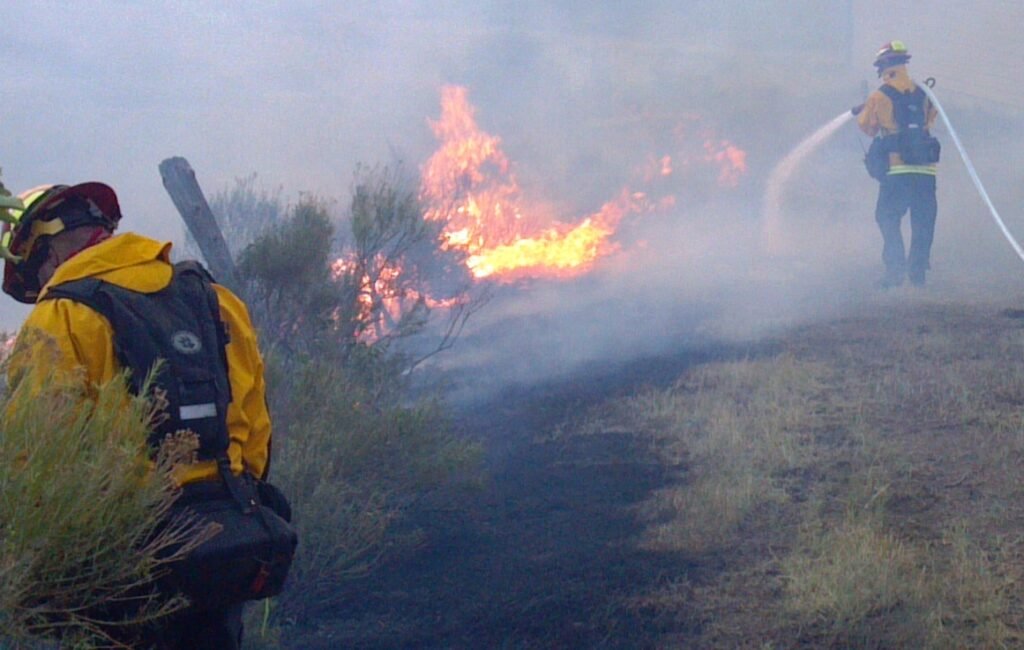
Forest fire management is the coordinated set of practices used to prevent, detect, and suppress unwanted wildfires while using controlled fire deliberately where it benefits forest health. Prevention and Fuel Reduction Fire managers reduce wildfire risk by thinning overcrowded stands, removing dead and downed material, and conducting prescribed burns that lower the volume of flammable
Forest Fire Management Read More »
The coordinated practice of preventing, detecting, and suppressing unwanted wildfires while using controlled fire deliberately to maintain forest health.