Overview
Body composition assessment breaks down total body mass into components such as fat mass and lean mass, offering insight that a single weight measurement on a scale cannot provide on its own.
Common Methods
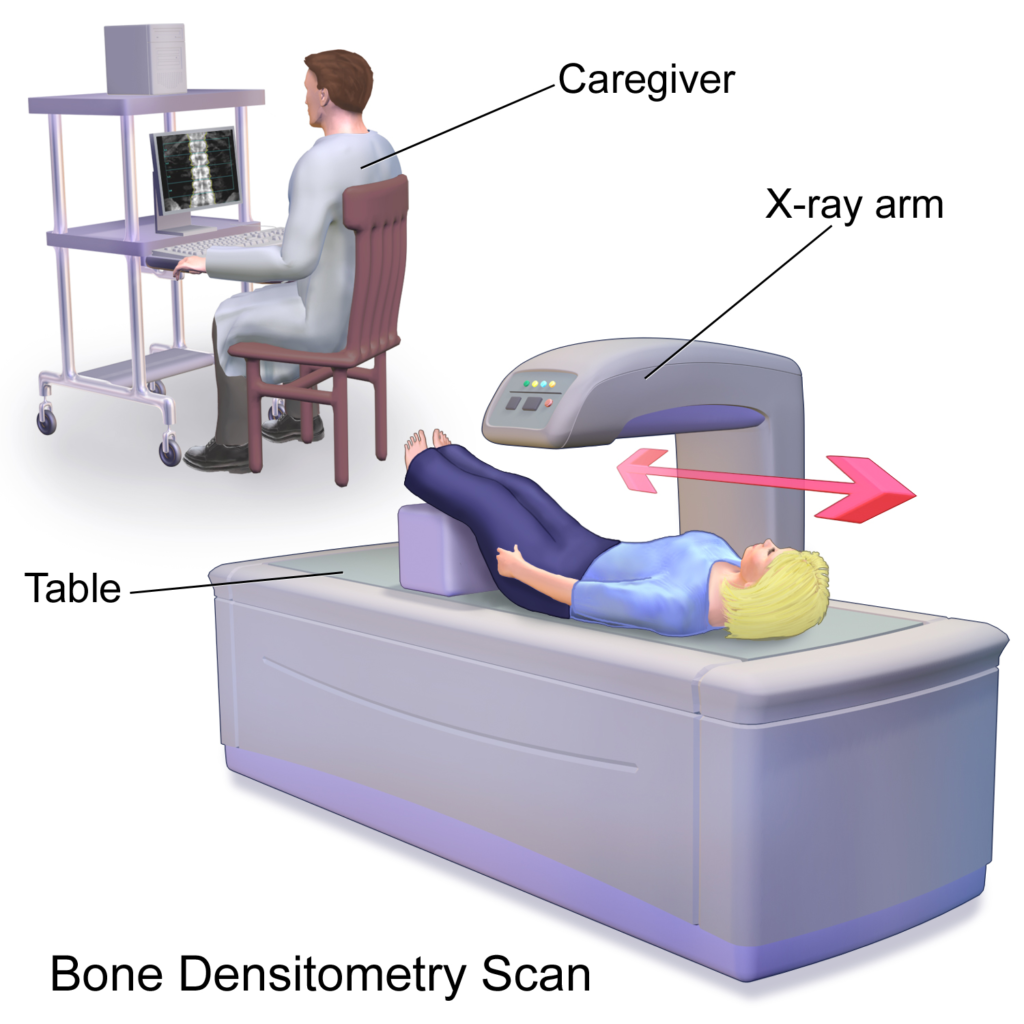
Techniques range from relatively simple and affordable skinfold caliper measurements and bioelectrical impedance devices to more advanced methods such as DEXA scanning, with each approach offering a different balance of cost, convenience, and precision.
Practical Use in Sport
Because every assessment method carries some margin of error, most sports scientists emphasize tracking an athlete body composition trend over successive measurements taken under consistent conditions rather than treating any single reading as a precise, standalone figure.
Interpreting Results Responsibly
Because no body composition method is perfectly accurate, and different methods can disagree noticeably when applied to the same individual on the same day, sports scientists generally caution against comparing results across different devices or testing locations and instead recommend sticking with one consistent method and tester whenever possible. This consistency matters more for tracking meaningful change than achieving perfect absolute accuracy in any single measurement.
Considerations for Athlete Wellbeing
Because body composition tracking can carry psychological risks for some athletes, particularly in sports that emphasize leanness, many sports medicine and performance programs now train staff to discuss results carefully, framing body composition as one of many performance-related measures rather than a primary measure of an athlete worth or discipline.
Common Testing Settings
Body composition assessment is used across a wide range of settings, from professional sports team facilities with access to DEXA scanning to community gyms relying on simpler bioelectrical impedance scales, and the appropriate method often depends on available budget and the precision actually needed for the decision at hand. Some sports, such as rowing lightweight categories or wrestling weight classes, also use body composition data for regulatory purposes rather than purely performance tracking.
Emerging Assessment Technologies
Newer body composition technologies, including three-dimensional body scanners that estimate composition from surface shape alone, are becoming more accessible outside specialized laboratories, though questions remain about how their accuracy compares with established methods such as DEXA across different body types and populations. As these technologies mature, they may eventually offer a more convenient middle ground between simple field methods and expensive laboratory equipment.
Cultural and Historical Context
Body composition assessment methods have evolved considerably since early twentieth-century height-weight tables, which offered only a crude proxy for body composition and failed to distinguish between muscle and fat mass entirely. The shift toward more sophisticated composition-specific methods reflects a broader recognition within sports science that total body weight alone tells coaches and athletes relatively little about actual physical readiness or health status.
Looking Ahead
As body composition assessment technology continues to improve in both accuracy and accessibility, sports scientists expect routine tracking to become more common across amateur and youth sport settings, provided the information continues to be framed constructively alongside, rather than instead of, broader measures of athletic development and wellbeing.
Role in Long-Term Athlete Monitoring
Tracked consistently over months and years rather than isolated snapshots, body composition data can help identify whether an athlete development is proceeding as expected relative to training load and growth, making it a useful complement to performance testing rather than a standalone measure of progress on its own.
Regulatory and Weight-Class Sport Applications
In sports that use weight categories, body composition assessment sometimes intersects with regulatory concerns about unhealthy rapid weight-cutting practices, prompting several governing bodies to introduce mandatory hydration or composition testing specifically intended to discourage athletes from using extreme, potentially dangerous methods to qualify for a lower weight class shortly before competition.
Closing Perspective
Body composition assessment offers valuable information when used thoughtfully as part of a broader picture of athlete health and performance, but its value depends heavily on consistent methodology and careful communication, since the same numbers can either support healthy, informed training decisions or contribute to unhealthy preoccupation depending on how they are presented and used.
Some youth and school sport programs have deliberately chosen to de-emphasize individual body composition reporting entirely, instead focusing feedback on broader fitness and skill development measures, reflecting a growing awareness that composition-focused feedback can carry particular risks for younger or still-developing athletes.
Taken together, thoughtful body composition assessment remains a useful but limited tool, most valuable when paired with careful context and consistent, responsible communication.
As the field continues to mature, better standardization across assessment methods would further improve the reliability of body composition tracking over time.
Clear communication between athlete and staff remains the single most important factor in making body composition data genuinely useful rather than counterproductive.
With care, these measurements can support healthier, more informed training decisions across an athlete career.
This balanced approach reflects the field broader shift toward athlete-centered, rather than purely numbers-centered, practice.
It also helps ensure these tools remain genuinely useful rather than a source of unnecessary pressure.
It remains a valuable, if imperfect, piece of the broader athlete development picture.
Few measures require this much care in how they are presented to the athletes who are measured.
Sustained attention to context and communication, more than to the numbers themselves, tends to determine whether this tool ultimately helps or harms an athlete.
That long view remains the clearest path toward using this information responsibly and effectively.
Programs that get this balance right tend to earn far greater trust and buy-in from the athletes they serve, which in turn makes the data itself more useful over time.
That trust is worth protecting carefully.
Key facts
- Array
Quick checkWhy do coaches often care more about change over time than a single body composition number?Show answer
Because measurement methods carry error, making trends more reliable than one isolated reading.
Sources
- Array
Editorially reviewed by Specialty Digest Editorial TeamLast reviewed November 4, 2026Researched and drafted with AI assistanceReport an issue