In simple terms 5G is the fifth generation of mobile network technology, the successor to 4G. It was designed to offer faster data speeds, much lower latency, that is, the delay between a request and a response, and the ability to connect far more devices in the same area than earlier generations could handle. [1]
5G Read More »
5G is the fifth generation of mobile network technology, built to offer faster speeds, lower latency, and support for far more connected devices than 4G.
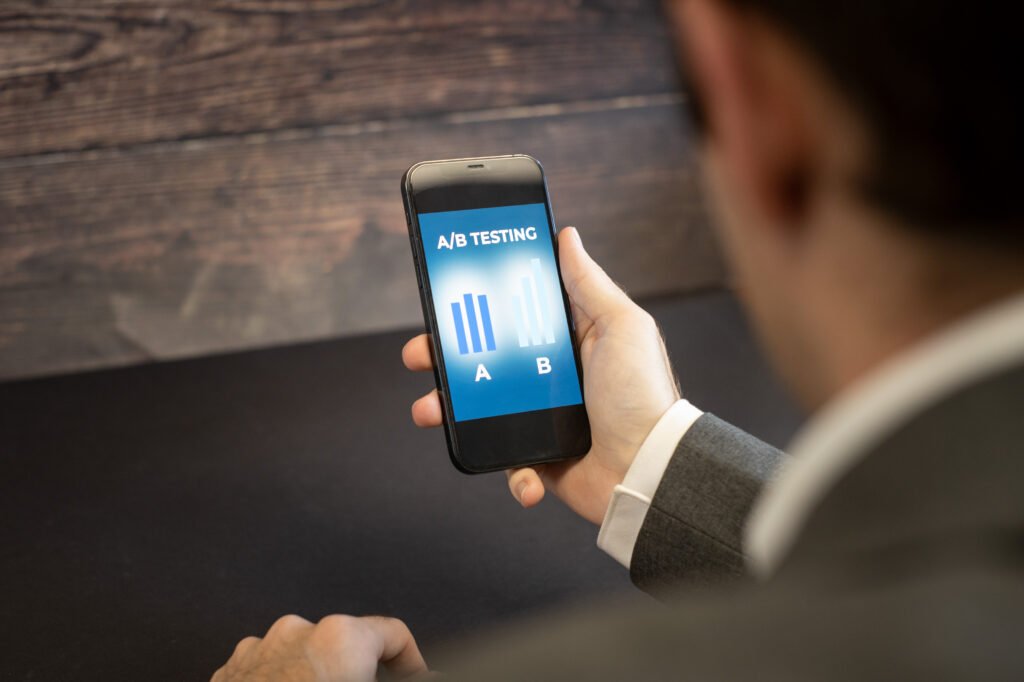
A/B testing is a method of comparing two versions of something, such as a website page, an app feature, or a marketing email, by showing each version to a different, randomly assigned group of people and measuring which version performs better against a specific, predefined goal. Named simply for comparing a baseline version A against
A/B Testing Read More »
A method of comparing two versions of something by showing each to a randomly assigned group and measuring which performs better.
An American painting movement of the 1940s-1950s defined by gestural, large-scale abstraction and a focus on spontaneous process over recognizable subject matter.
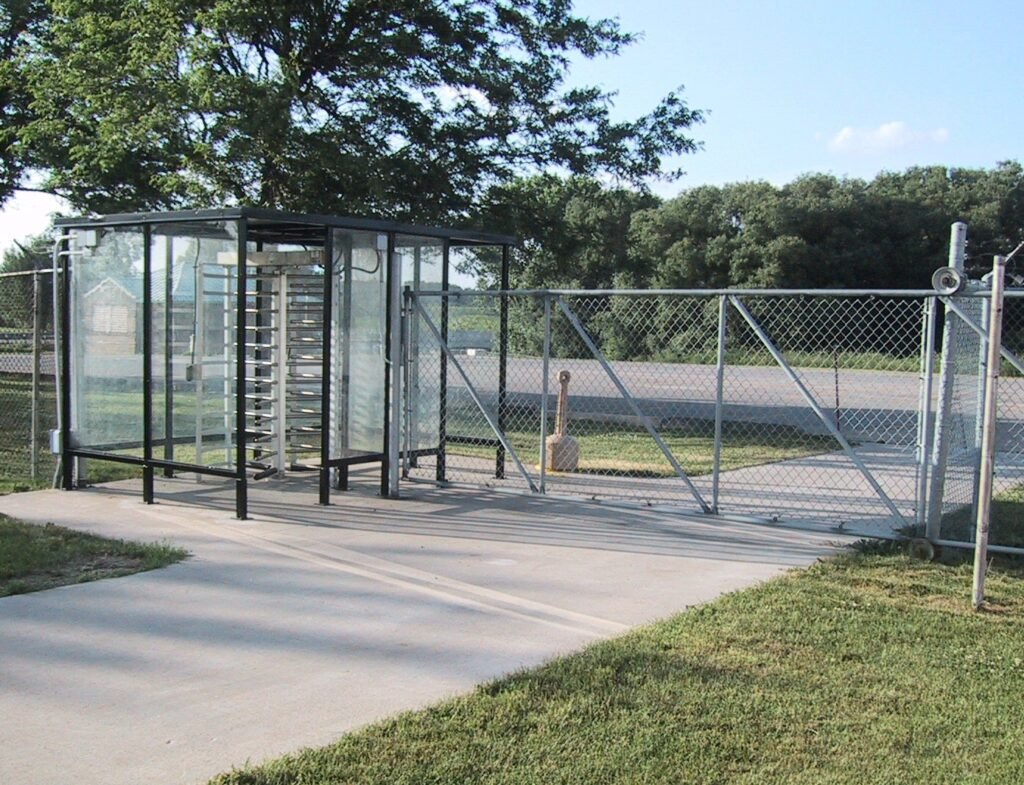
Overview Access control systems govern who is permitted to enter a building or restricted area and under what circumstances, replacing or supplementing a human guard checking identification at a door. Modern systems typically combine a credential, such as a card or code, with a reader and a centralized management platform that can grant, revoke, or
Access Control Systems Read More »
Access control systems are electronic or physical mechanisms that regulate who may enter a facility or restricted area and when.
Accounts receivable refers to money owed to a business by its customers for goods or services already delivered but not yet paid for. It appears on a company’s balance sheet as a current asset, since it represents cash the business expects to collect in the near term. How accounts receivable arises Accounts receivable is created
Accounts Receivable Read More »
Money owed to a business by customers who have purchased goods or services on credit but have not yet paid.
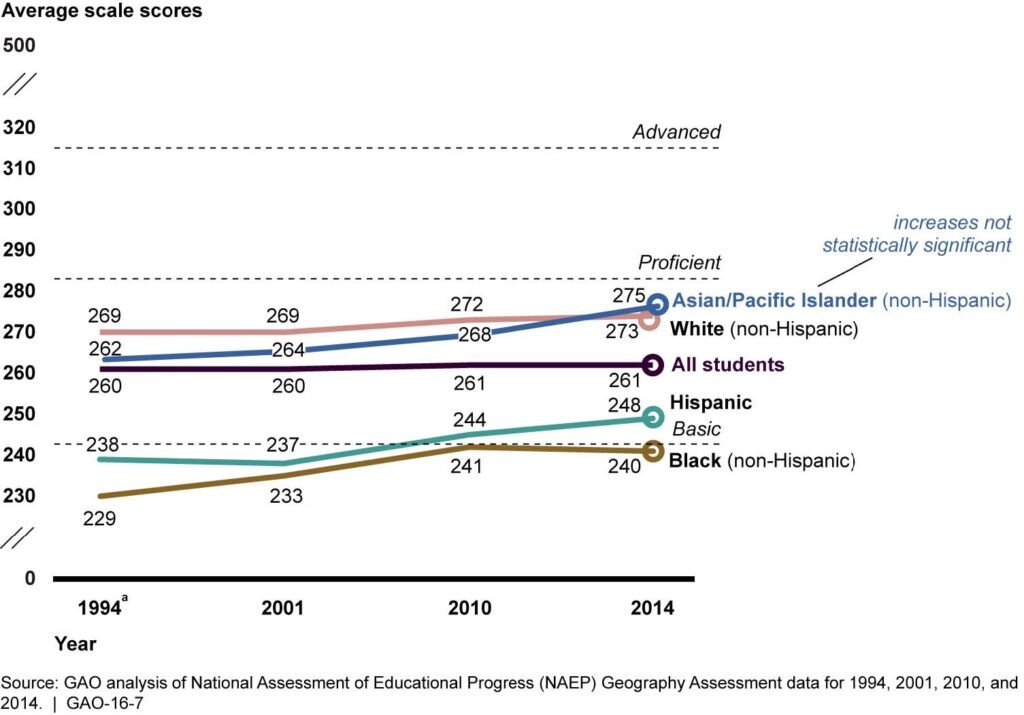
The achievement gap refers to persistent, measurable differences in academic performance, measured through indicators such as standardized test scores, graduation rates, or college enrollment, between different groups of students, most commonly grouped by race, ethnicity, family income, or disability status. How the gap is measured Researchers and policymakers typically document achievement gaps by comparing average
Achievement gap Read More »
Persistent, measurable differences in academic performance between student groups defined by race, income, or disability status.
Theoretical Foundations Achievement motivation theory, as applied to sport, examines why some athletes persist through setbacks and seek out challenging competition while others avoid difficult situations or give up quickly after failure. Achievement goal theory, one of the most influential frameworks in this area, distinguishes between a mastery orientation, in which athletes define success by
Achievement Motivation in Sport Read More »
Achievement motivation in sport refers to the psychological drive that leads athletes to pursue success, master skills, and strive for competence in competitive settings.
Image: Huntley Station power plant by Ken Lund, CC BY-SA 2.0, via Wikimedia Commons
Acid Rain Read More »
Precipitation made abnormally acidic by atmospheric sulfur dioxide and nitrogen oxide emissions, causing damage to forests, lakes, soils, and built structures.
Acoustic insulation refers to materials and building assembly techniques used to reduce the transmission of sound between spaces, whether by absorbing sound energy within a room to reduce echo and reverberation, or by blocking sound from passing through walls, floors, and ceilings into adjacent spaces. The two goals, absorption and blocking, require different approaches and
Acoustic Insulation Read More »
Materials and techniques used to reduce sound transmission between spaces through absorption or blocking.
Adaptive reuse is the process of converting an existing building to a new use or function while retaining much of its original structure, fabric, and often its exterior character, rather than demolishing it and building new. A former factory converted into loft apartments, a historic bank building turned into a restaurant, or a decommissioned church
Adaptive Reuse Read More »
The practice of converting an existing building to a new use while retaining much of its original structure.