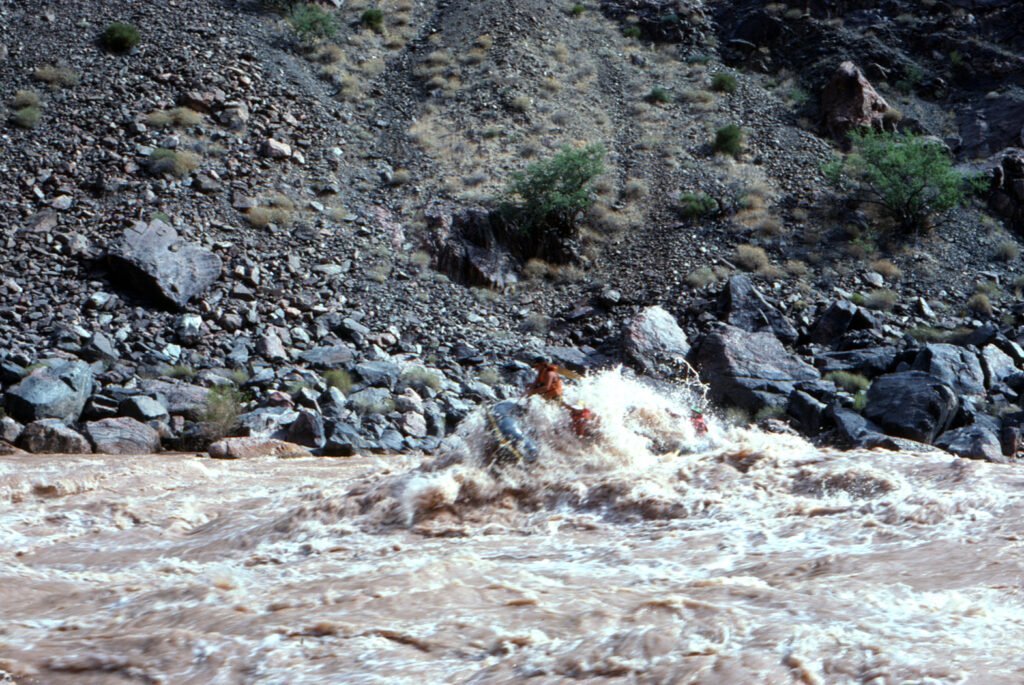
Overview Adventure tourism operations organize and manage travel experiences centered on physically demanding or higher-risk activities, such as whitewater rafting, mountain trekking, or rock climbing. Safety and Risk Management Because these activities carry elevated injury risk compared to conventional tourism, operators typically invest heavily in guide certification, equipment maintenance, and emergency response planning as core
Adventure Tourism Operations Read More »
Adventure tourism operations manage travel experiences built around physically active or higher-risk activities such as trekking, rafting, or climbing.
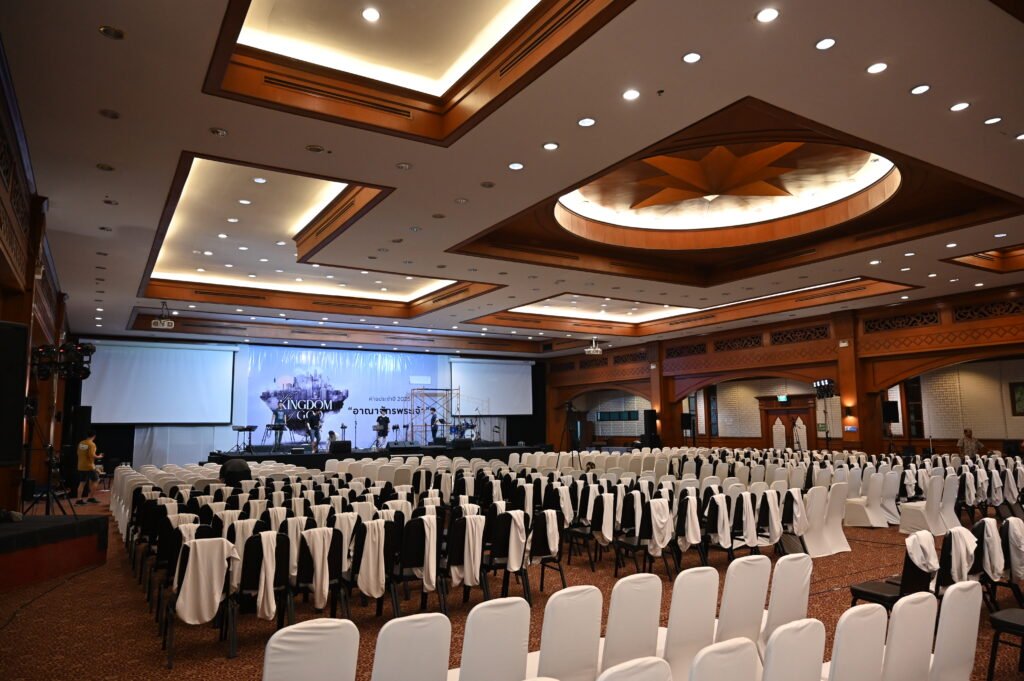
Overview Banquet and catering operations coordinate food and beverage service for scheduled group events, ranging from weddings and conferences to corporate functions and private parties. Contract and Guarantee Structures Banquet contracts typically specify a guaranteed minimum attendance figure, protecting the caterer from financial loss if actual attendance falls meaningfully below projections while allowing some flexibility
Banquet and Catering Operations Read More »
Banquet and catering operations manage the planning and execution of food and beverage service for scheduled group events such as weddings, conferences, and corporate functions.
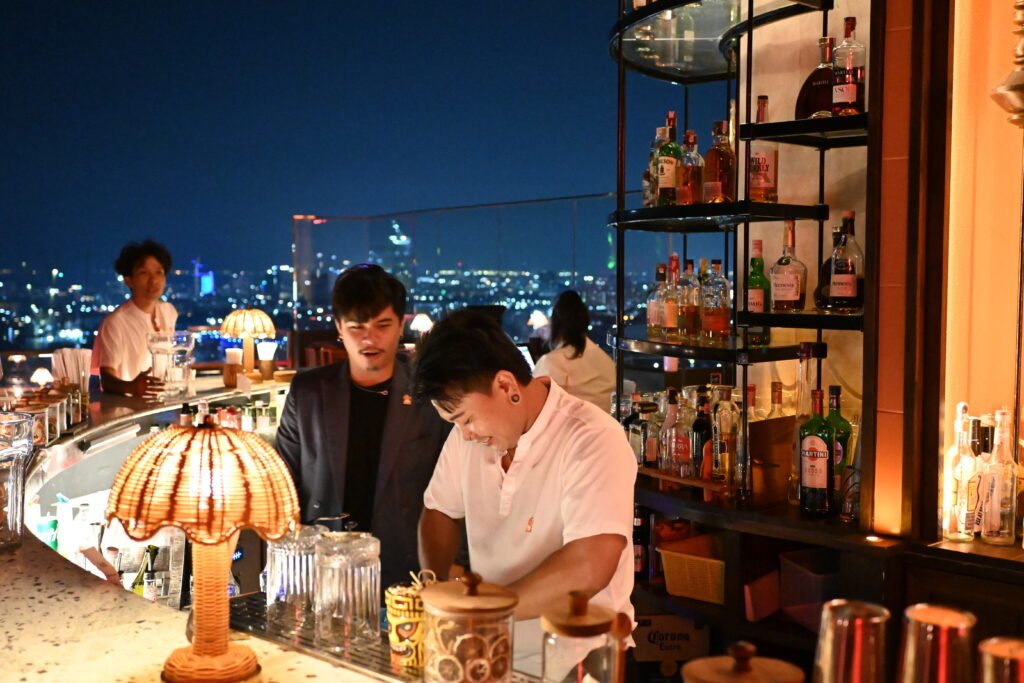
Overview Bar and beverage management covers the operational, financial, and regulatory aspects of running a bar program, whether as a standalone business or part of a larger restaurant operation. Pour Cost and Inventory Control Bar managers closely track pour cost, the ratio of liquor cost to drink selling price, using standardized pours and regular inventory
Bar and Beverage Management Read More »
Bar and beverage management covers the operation of a restaurant or standalone bar, including inventory control, staffing, pricing, and regulatory compliance.
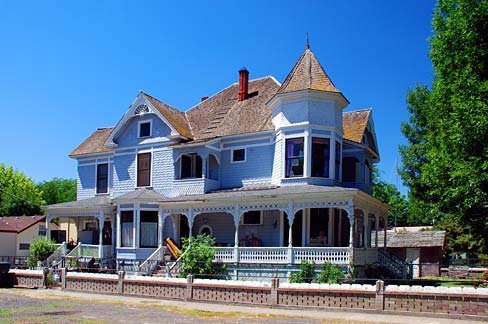
Overview A bed and breakfast is a small lodging establishment that provides overnight accommodation along with a prepared breakfast included in the room rate. Typical Characteristics Most bed and breakfasts have fewer than ten guest rooms and operate out of converted residential or historic buildings rather than purpose-built hotel structures. Guest Experience Hosts often provide
Bed and Breakfast Read More »
A bed and breakfast is a small lodging establishment, often a converted home, that offers overnight accommodation and a prepared breakfast included in the rate.
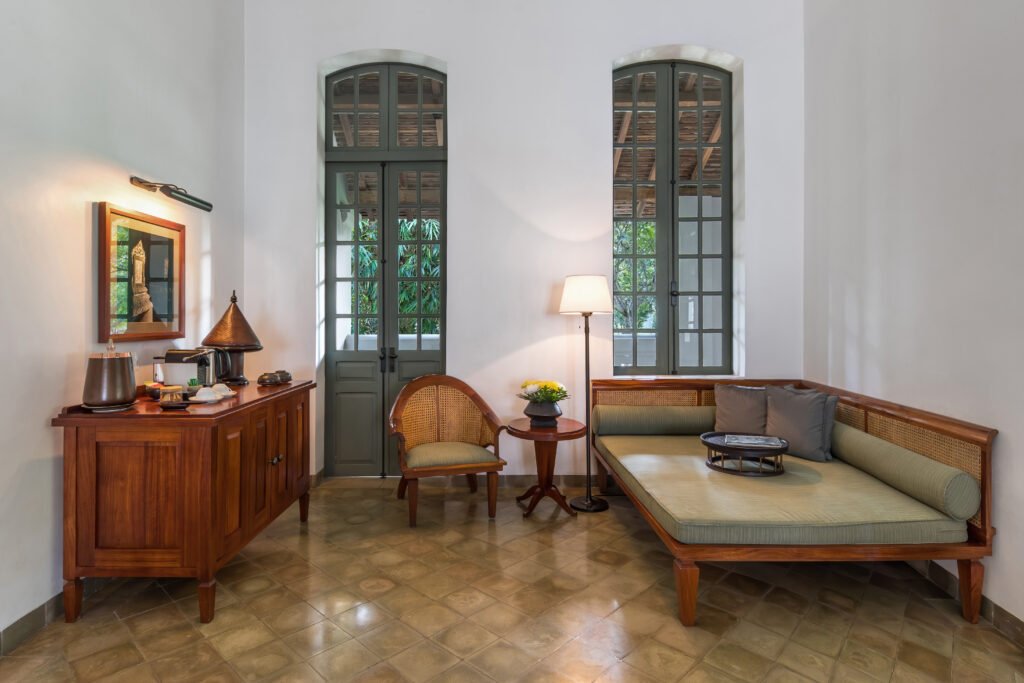
Overview A boutique hotel is a small, independently minded lodging property distinguished by unique design and a highly personalized guest experience. Defining Features Boutique hotels typically have fewer rooms than large chain properties and emphasize distinctive architecture, interior design, and local cultural character. Market Position These properties often target travelers seeking individuality and local authenticity
Boutique Hotel Read More »
A boutique hotel is a small, independently styled lodging property known for distinctive design, personalized service, and a strong sense of local character.
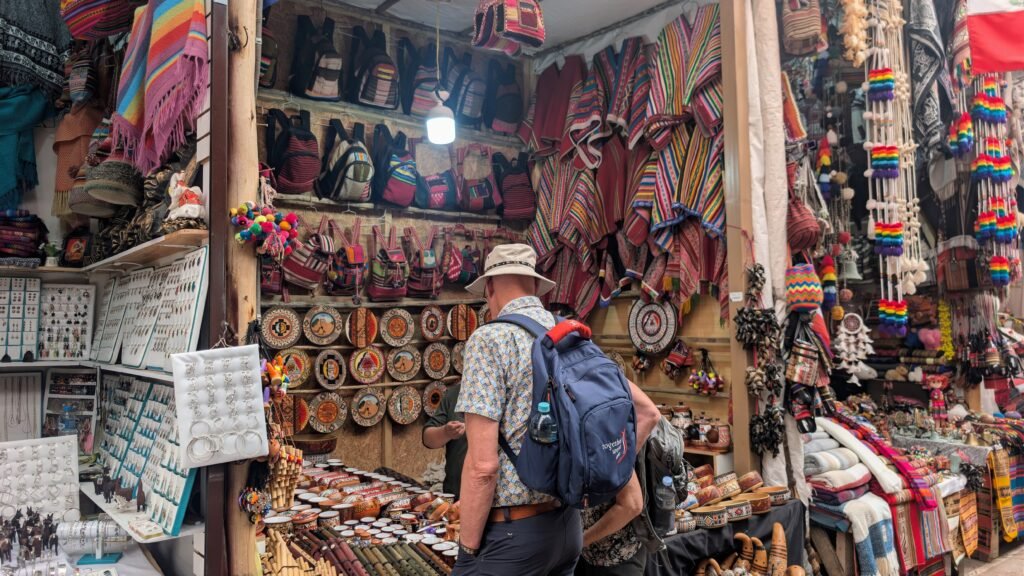
Scope and Significance Cultural heritage tourism encompasses travel motivated by a desire to experience the historical, archaeological, and living cultural heritage of a destination, spanning formal attractions such as museums, archaeological sites, and designated historic districts as well as encounters with living cultural traditions, including festivals, craft practices, and culinary traditions tied closely to a
Cultural Heritage Tourism Read More »
Cultural heritage tourism is travel undertaken specifically to experience historical, archaeological, and cultural sites, traditions, and practices that represent the heritage of a place or people.
Building Guest Loyalty Customer relationship management in hospitality centers on systematically collecting and using information about individual guests, including their preferences, past stay or visit history, and communication responsiveness, to build stronger, more personalized long-term relationships that encourage repeat business rather than treating each guest interaction as an isolated, anonymous transaction. Hospitality CRM systems typically
Customer Relationship Management in Hospitality Read More »
Customer relationship management in hospitality is the systematic use of guest data and communication strategy to build long-term guest loyalty and encourage repeat business.
Overview A destination management company provides local, on-the-ground expertise and logistics support for groups traveling to a specific destination, often for corporate events or incentive travel. Role in the Supply Chain DMCs typically work as subcontractors, receiving business from tour operators, event planners, or corporate travel managers who need reliable local execution without their own
Destination Management Company Read More »
A destination management company is a local business that provides on-the-ground logistics, expertise, and services for groups and events within a specific destination.
Organizations and Strategy Destination marketing involves the coordinated promotion of a specific place, whether a city, region, or entire country, to attract visitors, typically carried out by a dedicated destination marketing organization that represents the collective interests of local tourism businesses, from hotels and attractions to restaurants and transportation providers. These organizations are frequently funded
Destination Marketing Read More »
Destination marketing is the practice of promoting a city, region, or country to potential visitors in order to build its tourism brand and increase visitor numbers and spending.
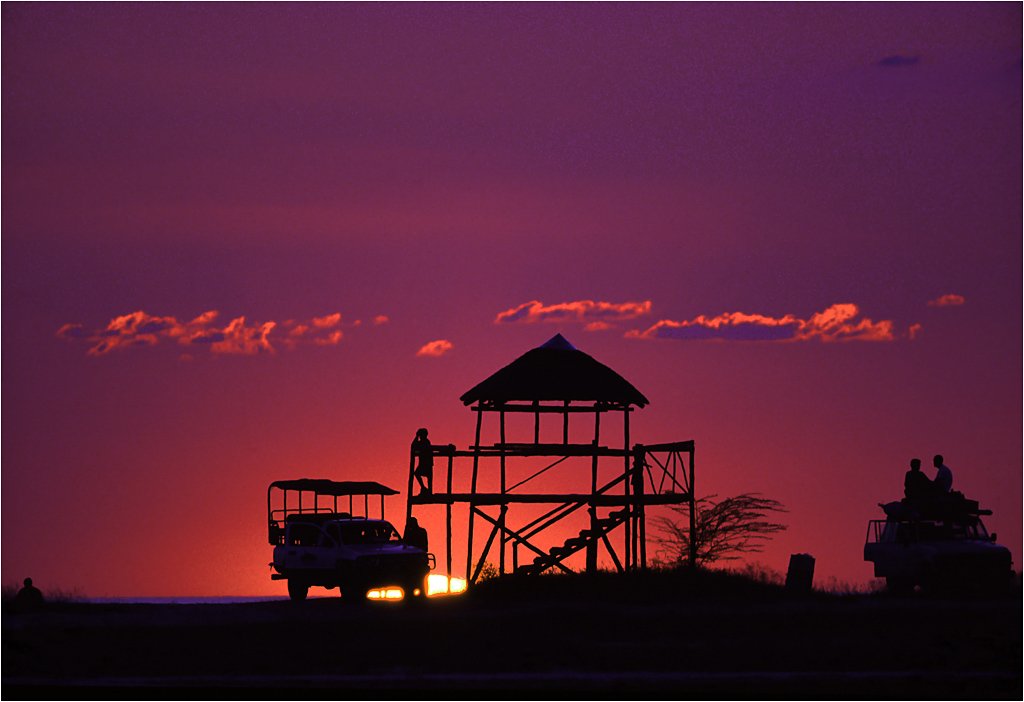
Defining Characteristics Ecotourism describes a specific category of nature-based travel distinguished by its explicit commitment to minimizing environmental impact while generating direct benefits for conservation efforts and local communities living near the natural areas being visited. The International Ecotourism Society and similar organizations define the concept with specific criteria, generally requiring that ecotourism operations limit
Ecotourism Read More »
Ecotourism is a form of tourism focused on visiting fragile, pristine, and relatively undisturbed natural areas in a manner intended to have a low environmental impact while generating conservation funding and benefits for local communities.