What a Bill of Lading Is A bill of lading is a document issued by a carrier, such as an ocean shipping line or trucking company, to a shipper when goods are accepted for transport. It serves three distinct legal functions: a receipt confirming the carrier received the described cargo, evidence of the contract of
Bill of Lading Read More »
A bill of lading is a legal document issued by a carrier to a shipper that serves as a receipt for cargo, a contract of carriage, and often a document of title to the goods.
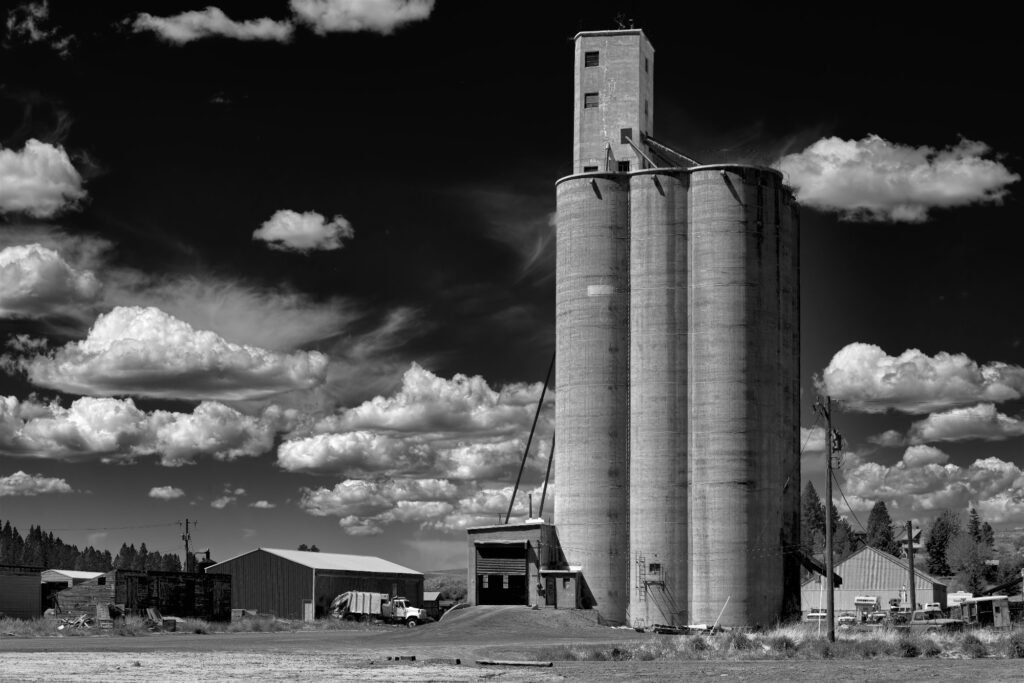
What Bulk Cargo Is Bulk cargo refers to freight shipped in large, unpackaged quantities rather than in individual boxes, pallets, or containers. Dry bulk commodities such as grain, coal, iron ore, and cement are loaded loose into a ship’s hold or a rail hopper car. Liquid bulk commodities such as crude oil, refined fuels, and
Bulk Cargo Read More »
Bulk cargo is freight transported in large, unpackaged quantities, such as grain, coal, ore, or liquid chemicals, typically carried loose in a ship's hold or a dedicated tank rather than in individual packages.
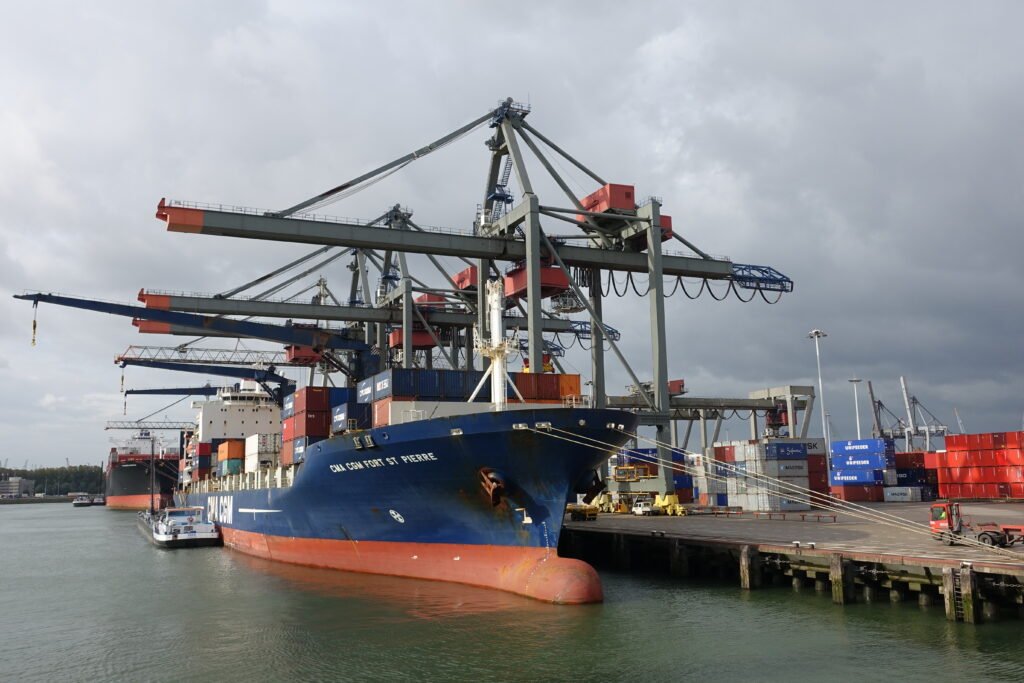
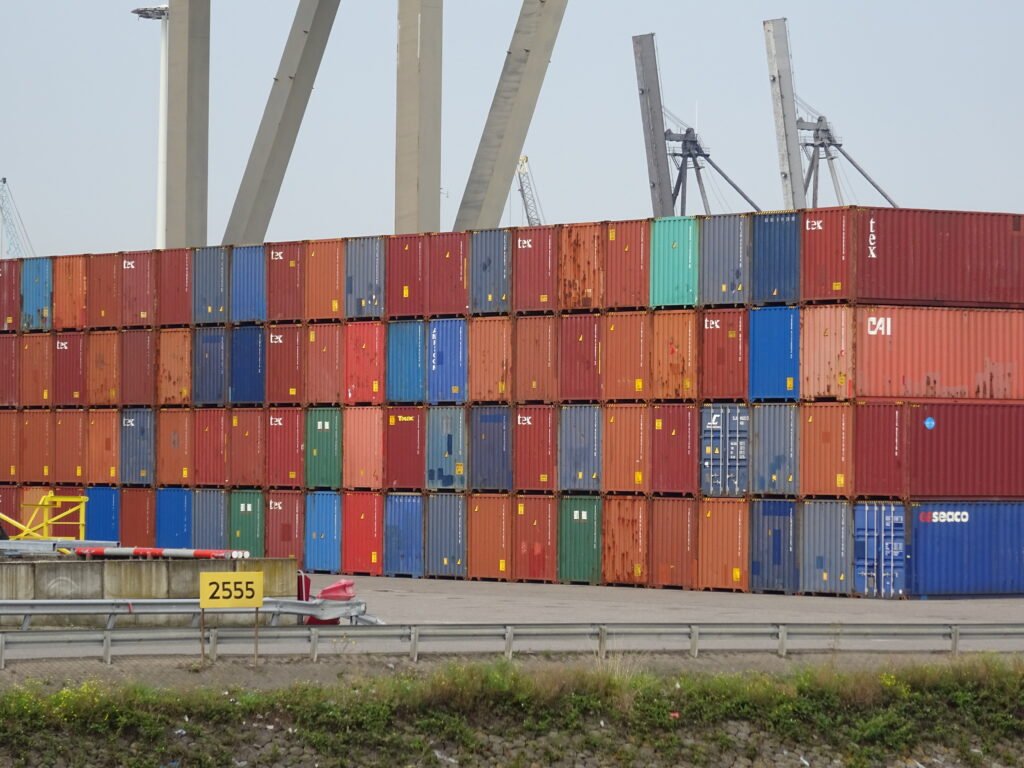
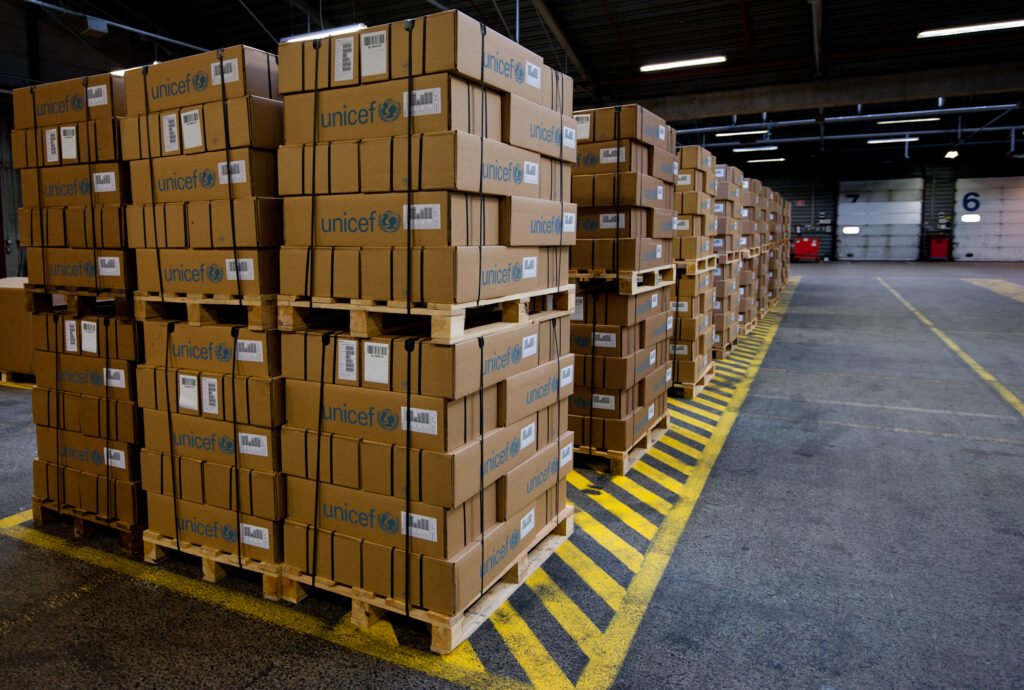
What Containerization Is Containerization is the practice of packing goods into standardized steel shipping containers that can be lifted, stacked, and transferred between ships, trains, and trucks without ever unloading the contents inside. This standardization transformed global freight transportation by making cargo handling fast, predictable, and far less labor-intensive than earlier methods. History and Standardization
Containerization Read More »
Containerization is the system of shipping goods in standardized, stackable metal containers that can be transferred between ships, trains, and trucks without unloading the contents.
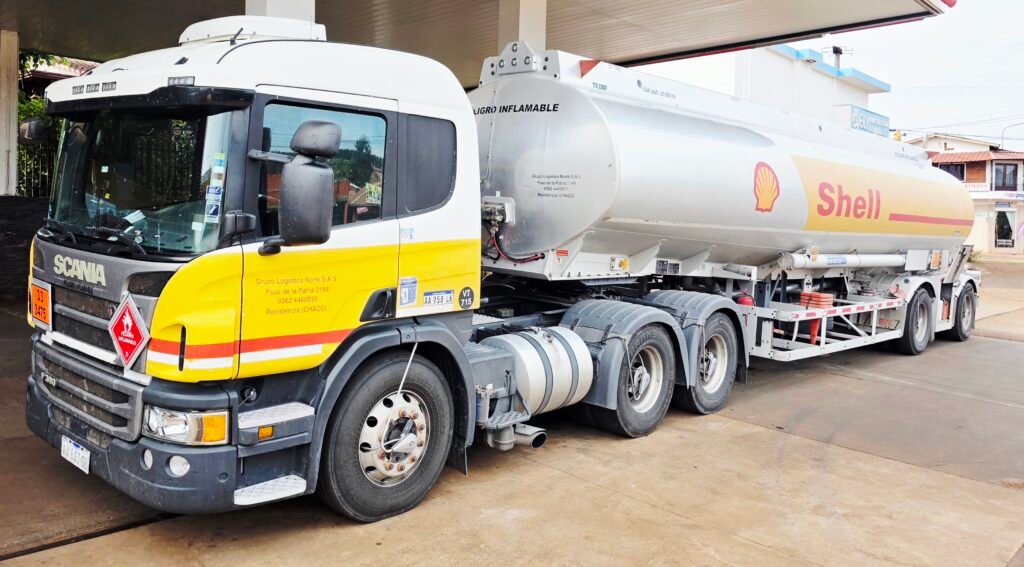
What Dangerous Goods Transport Covers Dangerous goods transport involves shipping materials that pose a risk to health, safety, property, or the environment during transportation, including explosives, flammable liquids and gases, corrosive substances, radioactive materials, and toxic chemicals. Strict regulations govern how these materials must be packaged, labeled, documented, and handled throughout the shipping process. Hazard
Dangerous Goods Transport Read More »
Dangerous goods transport is the shipping of materials classified as hazardous, such as explosives, flammable liquids, or toxic substances, under strict regulatory controls for packaging, labeling, and handling.
Role of a Freight Broker A freight broker acts as a matchmaker between shippers who need to move goods and motor carriers who have available truck capacity. The broker negotiates rates, arranges pickup and delivery details, and handles paperwork, but does not own any trucks or physically transport the freight itself. How Freight Brokerage Works
Freight Broker Read More »
A freight broker is an intermediary who arranges the transportation of goods between shippers and motor carriers without owning the trucks or physically handling the freight.
Role of a Freight Forwarder A freight forwarder organizes the transportation of goods on behalf of a shipper, often coordinating several different carriers and transportation modes to move a single shipment from its point of origin to its final destination. Forwarders are especially important for international shipments, which typically involve multiple legs by truck, ocean
Freight Forwarder Read More »
A freight forwarder is a company that organizes the shipment of goods on behalf of shippers, coordinating multiple carriers, modes, and documentation for domestic or international transport.
What Freight Transportation Covers Freight transportation is the movement of physical goods, as opposed to passengers, from a point of origin to a destination using trucks, trains, ships, aircraft, or pipelines. It forms the physical backbone of global trade and domestic commerce, carrying everything from raw materials to finished consumer products. Transportation Modes Trucking offers
Freight Transportation Read More »
Freight transportation is the movement of goods by truck, rail, ship, air, or pipeline from a point of origin to a destination.
What Full Truckload Shipping Is Full truckload shipping dedicates an entire trailer to a single shipper’s freight for the duration of a trip, whether or not the trailer is physically full to capacity. Because the truck carries only one shipper’s goods, it typically travels directly from pickup to delivery without stopping at intermediate terminals. Benefits
Full Truckload Shipping Read More »
Full truckload shipping, often abbreviated FTL, is a freight transportation method in which an entire trailer is dedicated to a single shipper's goods for the duration of the trip.
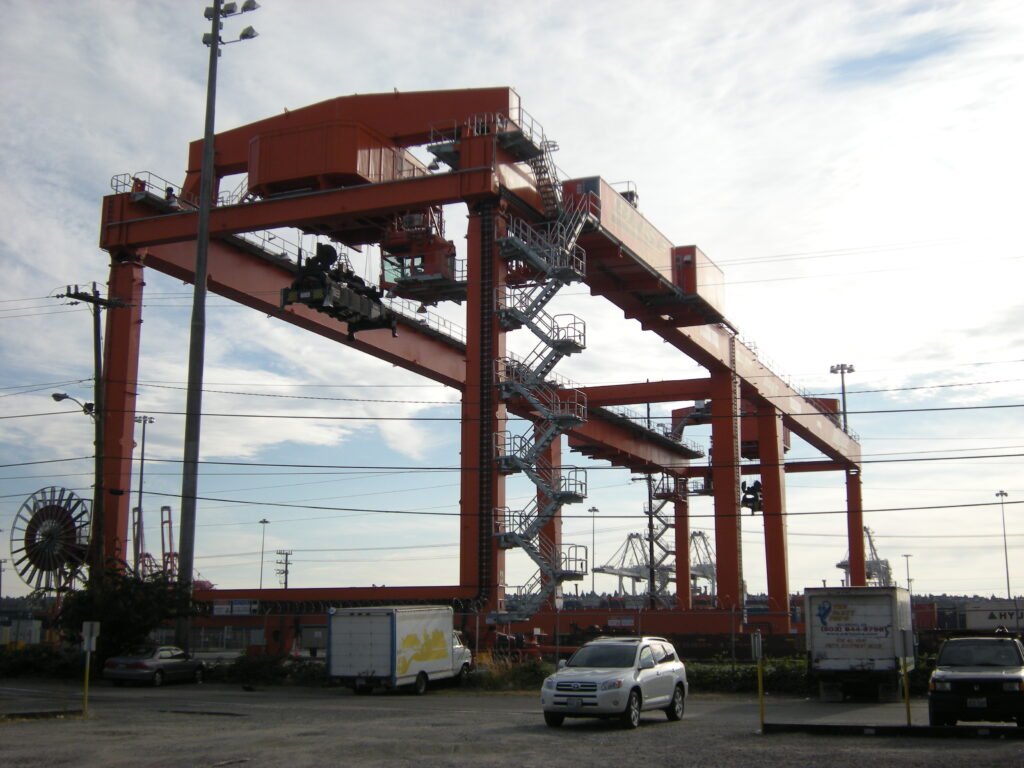
What Intermodal Transport Means Intermodal freight transport moves goods using two or more modes of transportation, typically some combination of ship, rail, and truck, while the cargo remains inside the same shipping container the entire journey. The container itself is transferred between modes, but its contents are never unloaded until final delivery. Typical Intermodal Routes
Intermodal Freight Transport Read More »
Intermodal freight transport is the movement of goods using more than one mode of transportation, such as ship, rail, and truck, without the cargo itself being handled when changing modes.
What LTL Shipping Is Less-than-truckload shipping combines freight from multiple shippers into a single trailer, since no individual shipment is large enough to fill the truck on its own. Each shipper pays only for the portion of the trailer their goods occupy, rather than the cost of an entire truck, making LTL more economical for
Less-Than-Truckload Shipping Read More »
Less-than-truckload shipping, commonly abbreviated LTL, is a freight transportation method in which multiple shippers' goods share space in the same trailer because no single shipment fills the entire truck.