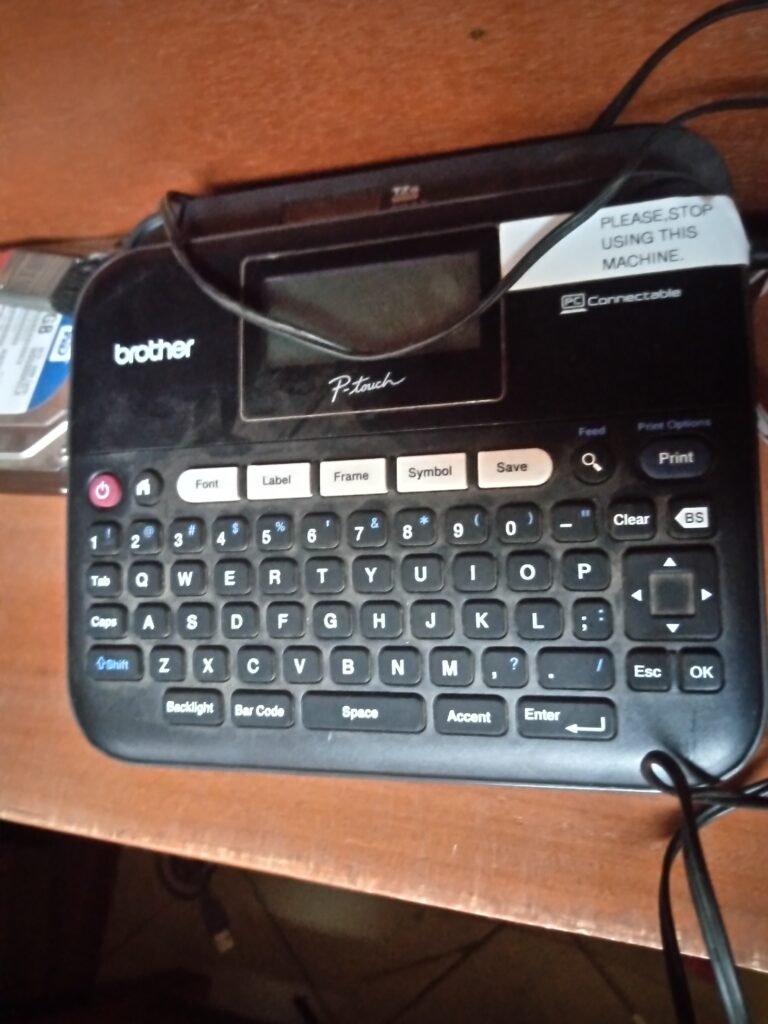
A call number is the unique alphanumeric code assigned to a library item that indicates its subject classification and determines its specific physical location on the shelf, functioning as the practical address a patron or staff member uses to locate the item among a library entire collection.
A call number typically combines two elements: a classification number, derived from a scheme such as the Dewey Decimal Classification or Library of Congress Classification, which places the item in its appropriate subject area relative to other items, and a secondary designation, often based on the author surname or the first word of the title, which distinguishes that specific item from other items sharing the same classification number.
Physical Application
The call number is printed on a label affixed to the item spine or cover, allowing it to be read directly from the shelf, and the same number appears in the catalog record so that a patron searching the catalog can locate where an item sits on the shelf without needing to browse physically beforehand.
Shelving Order
Items are arranged on the shelf in call number order, following the logic of the underlying classification scheme first and then the secondary author or title designation, which means browsing the shelves in call number sequence effectively browses by subject, with closely related topics generally sitting near one another.
Variations Across Libraries
Different libraries sometimes use different call number conventions even within the same broad classification scheme, particularly for special collections, government documents, or locally significant materials, which can create minor inconsistencies for patrons accustomed to one library system when visiting another library that applies slightly different local shelving conventions.
Economic Considerations
Generating and printing call number labels, along with the staff time required to correctly shelve items in call number order, represents a routine but ongoing operational cost for any library, one that grows in complexity whenever a collection is reclassified or a shelving scheme is adjusted.
International Perspectives
Call number conventions vary across countries and library traditions, particularly in how author or title designations are abbreviated and formatted, meaning a patron accustomed to one country call number style may need to adjust expectations when using a library system following different local conventions elsewhere.
Practical Guidance
Patrons unfamiliar with call numbers are generally advised to consult printed or posted floor guides mapping classification ranges to physical shelving areas, since understanding the broad logic of the classification scheme makes browsing by call number far more intuitive than treating the numbers as an arbitrary code.
Related Specialties
Correctly assigning and interpreting call numbers connects cataloging practice with circulation and collection management work, since accurate shelving depends on staff throughout the library consistently understanding and following the same call number logic rather than treating shelving as a purely mechanical task disconnected from the underlying classification.
Looking Ahead
As more library discovery happens through online catalogs and digital collections rather than physical shelf browsing, some have questioned the long-term centrality of call numbers, though they remain essential wherever physical collections persist and continue to shape how digital discovery interfaces borrow and adapt the underlying classification logic.
Special Collections and Local Numbering
Many libraries apply distinct call number conventions to special collections, government documents, or locally significant materials rather than folding them into the general classification sequence, often using accession numbers or locally devised prefixes instead of a standard subject classification number, reflecting the different retrieval and preservation needs these materials present compared with the general circulating collection.
This practice means a single library may operate several parallel call number systems simultaneously, each suited to a particular category of material, requiring staff to understand not just one classification logic but several distinct, locally defined numbering conventions used across different parts of the same institution.
Browsing Benefits
Because call numbers follow classification logic, patrons who locate one relevant item on the shelf often discover additional useful material simply by browsing the immediately surrounding call number range, an incidental benefit of systematic classification that purely keyword-based digital search cannot fully replicate.
Digital catalog interfaces increasingly try to replicate this serendipitous browsing benefit by displaying a virtual shelf view of items with nearby call numbers, extending the physical browsing advantage into the online discovery environment where no actual shelf exists.
Barcodes and Call Numbers
Modern library items typically carry both a printed call number label for shelving and a separate barcode for circulation scanning, two distinct identification systems serving different functions, with the call number organizing subject location and the barcode uniquely identifying the specific physical copy for checkout and tracking purposes.
Staff responsible for shelving and circulation must therefore understand both systems and how they relate, since confusing the two, or mis-scanning a barcode, can lead to items being checked out under the wrong record or shelved in the wrong location entirely.
Clear staff training on the distinction between these two systems therefore remains an important, ongoing part of effective library operations regardless of how automated circulation and inventory systems ultimately become.
New staff benefit considerably from hands-on shelving practice paired with clear, written local procedures.
Regular refresher training also helps experienced staff stay consistent as local shelving conventions occasionally evolve over time.
Libraries that schedule these refreshers periodically tend to maintain noticeably more consistent shelving than those that train staff only once.
Documenting these local conventions clearly also makes it considerably easier to train replacement staff whenever turnover eventually occurs.
Good documentation is, in this sense, an investment in the library long-term operational resilience.
Key facts
- Array
Quick checkWhat two main components typically make up a call number?Show answer
A call number typically combines a classification number, which places the item among others on the same subject, with an additional designation based on the author name or title, which distinguishes that specific item from others classified under the same subject number.
Sources
- Array
Editorially reviewed by Specialty Digest Editorial TeamLast reviewed November 3, 2026Researched and drafted with AI assistanceReport an issue