From Routine to Specialized Procedures
The large majority of small animal surgeries performed in general veterinary practice are routine procedures such as spay and neuter operations, mass removals, and dental extractions, which most general practitioner veterinarians are trained to perform safely without requiring referral to a specialist. More complex procedures, including advanced orthopedic repairs, oncologic surgery, and intricate soft tissue reconstructions, are increasingly referred to board-certified veterinary surgeons who have completed several years of additional residency training beyond general veterinary school, reflecting a broader trend toward specialization similar to patterns seen in human medicine.
Anesthesia and Perioperative Risk
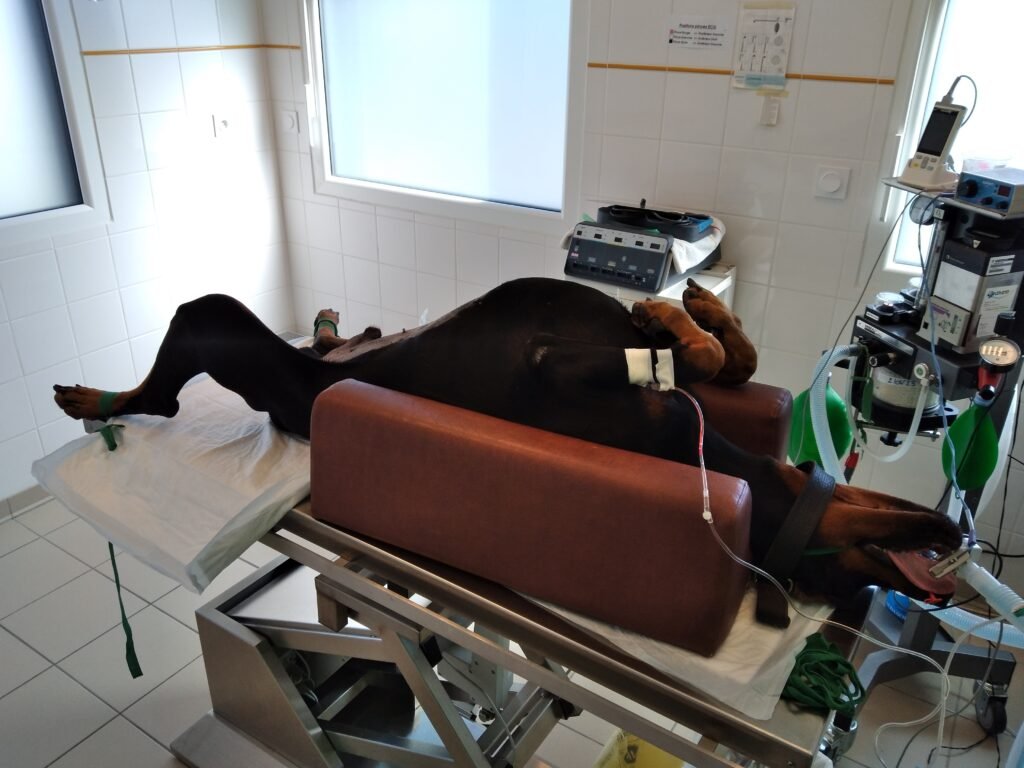
Because companion animals cannot be prepared for surgery through verbal counseling about risks or cooperative positioning, anesthesia management represents a particularly critical component of small animal surgery, requiring careful pre-operative health assessment and continuous monitoring of vital signs throughout the procedure to catch complications early. Brachycephalic breeds, those with short, flattened skulls such as bulldogs and pugs, carry elevated anesthesia risk due to airway anatomy, requiring veterinary anesthesiologists to adjust protocols and monitoring intensity specifically for these higher-risk patients.
The Rise of Minimally Invasive Techniques
Laparoscopic and other minimally invasive surgical techniques, long established in human medicine, have become increasingly common in small animal practice, particularly for procedures such as laparoscopic spay surgery, which uses small incisions and a camera-guided instrument rather than a single large abdominal incision. These techniques generally reduce post-operative pain, shorten recovery time, and lower infection risk compared with traditional open surgery, though the specialized equipment and additional training required mean minimally invasive options remain more available at larger referral hospitals than at smaller general practices.
Pain Management as Standard Practice
Modern small animal surgical practice places substantial emphasis on multimodal pain management, combining several classes of analgesic medication along with local nerve blocks and other techniques to control pain through multiple mechanisms simultaneously rather than relying on a single drug alone. This approach, which has become standard across most well-run veterinary surgical practices, reflects a broader shift in veterinary medicine over recent decades toward recognizing and proactively treating animal pain, an area where awareness and practice lagged behind human medicine for much of the twentieth century.
Owner education about post-operative care, including activity restriction and incision monitoring, plays an important role in surgical outcomes, since complications such as incision infection or dehiscence often result from inadequate at-home care during the recovery period following discharge.
Orthopedic Surgery and Implant Technology
Orthopedic surgery, addressing fractures, joint disease, and ligament injuries, represents one of the most technically demanding areas of small animal surgery, increasingly supported by specialized implant technology including plates, screws, and external fixation devices adapted from human orthopedic surgery but engineered specifically for the bone sizes and loading patterns typical of dogs and cats. Cranial cruciate ligament rupture, a common knee injury in dogs roughly analogous to an ACL tear in humans, has become one of the most frequently performed orthopedic procedures, with several different surgical techniques in use and ongoing debate within the field about which approach produces the best long-term outcomes for different dog sizes and activity levels.
Oncologic Surgery and Margin Considerations
Surgical removal of tumors in small animal patients requires careful attention to margins, the amount of apparently healthy tissue removed surrounding a visible tumor to ensure microscopic cancer cells are not left behind, a consideration that becomes particularly challenging in anatomically constrained areas such as limbs or the head where aggressive margins might otherwise be achievable in less constrained body regions but could compromise function or cause significant disfigurement. Veterinary oncologic surgeons must balance the goal of complete tumor removal against preserving quality of life, sometimes favoring a staged approach or combining surgery with radiation or chemotherapy rather than pursuing maximally aggressive single-procedure excision in every case.
Surgical Site Infection Prevention
Preventing surgical site infection remains a core concern across all small animal surgical procedures, addressed through strict aseptic technique during surgery, appropriate perioperative antibiotic use when indicated, and owner education about keeping incisions clean and dry during the recovery period at home, since even a technically excellent surgery can be undermined by a postoperative infection that prolongs healing or requires additional intervention.
Referral relationships between general practitioners and board-certified surgeons typically involve detailed case communication, ensuring the surgical specialist receives relevant diagnostic history and the referring veterinarian remains informed to manage ongoing care after the patient returns home following surgery.
Wound management techniques, including negative pressure wound therapy adapted from human medicine, have expanded the options available for managing complex or slow-healing surgical and traumatic wounds in veterinary patients.
Regenerative medicine approaches, including platelet-rich plasma and stem cell therapy, have entered small animal surgical practice primarily as adjuncts supporting healing in certain orthopedic and soft tissue cases, though evidence quality for some applications still continues to develop.
Hernia repair, abscess drainage, and foreign body removal round out the common soft tissue procedures general practitioners regularly perform without requiring specialist referral in most straightforward cases.
Operating Room Standards and Sterility
Maintaining strict operating room sterility protocols, including proper surgical scrub technique, sterile draping, and controlled traffic flow during procedures, remains foundational to small animal surgical safety regardless of how advanced the specific surgical technique being performed may be.
Discharge instructions following surgery typically cover activity restriction, medication administration, and warning signs warranting an urgent recheck, information owners must successfully follow for optimal recovery outcomes.
Surgical case logs and outcome tracking help practices identify complication trends over time, supporting continuous quality improvement in technique and perioperative protocol.
Key facts
- Array
Quick checkWhat has driven the growth of minimally invasive surgery in small animal veterinary practice?Show answer
Laparoscopic and other minimally invasive techniques reduce recovery time, post-operative pain, and complication risk compared with traditional open surgery, benefits that have driven their growing adoption as equipment and training have become more widely available.
Sources
- Array
Editorially reviewed by Specialty Digest Editorial TeamLast reviewed November 4, 2026Researched and drafted with AI assistanceReport an issue