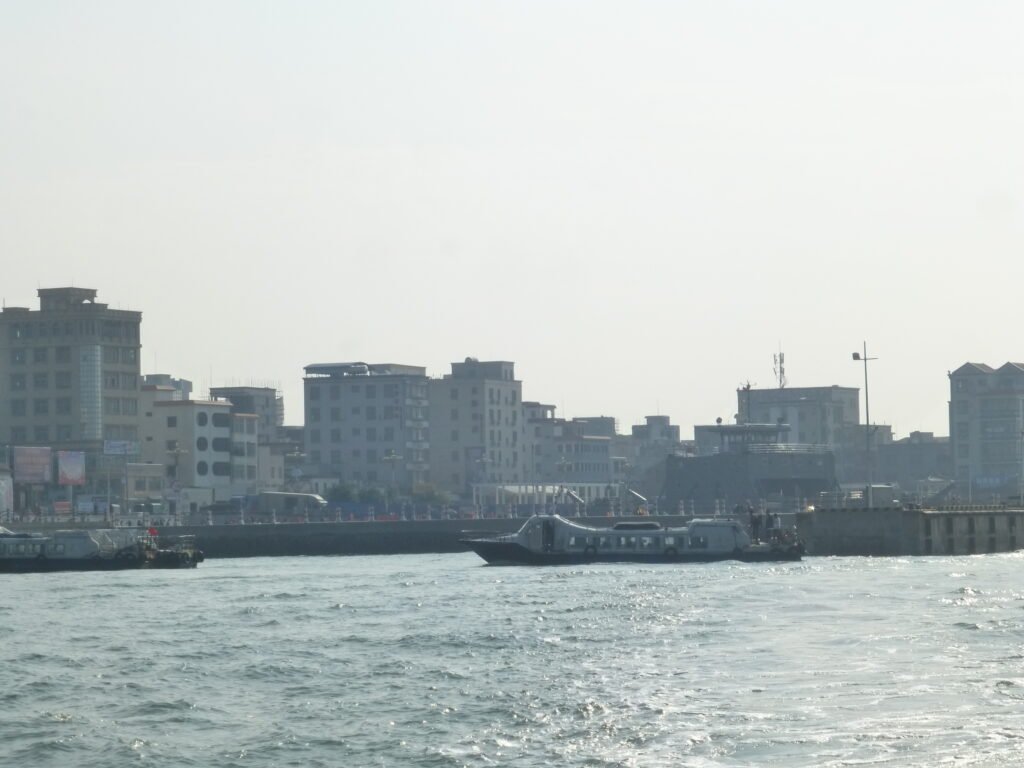
What Ferry Service Covers
Ferry service provides scheduled water transportation carrying passengers, vehicles, or both across rivers, bays, straits, or between islands and the mainland. Ferries often serve routes where building a bridge or tunnel would be prohibitively expensive or geographically impractical, making water crossing the most practical transportation option available.
Types of Ferry Vessels
Ferry vessels range considerably in size and function, from small passenger-only boats serving short river crossings to large roll-on roll-off ferries capable of carrying hundreds of vehicles alongside passengers on longer sea crossings between countries or major islands, with vessel design matched closely to the specific route’s distance and expected traffic volume.
Ferries as Public Transit
In many coastal cities and island communities, ferry service functions as an essential part of the public transit network, with commuters relying on scheduled ferry routes the same way they might rely on a bus or rail line in areas without significant water crossings, often integrated into unified public transit fare systems.
Ferry Safety and Regulation
Ferries carrying passengers are subject to specific safety regulations covering vessel stability, lifesaving equipment, and crew training, with regulatory attention particularly focused on preventing overcrowding and ensuring adequate safety procedures, following historical ferry disasters that have driven significant safety regulation improvements in various countries over time.
Ferry Routes and Scheduling
Ferry operators schedule crossings based on expected passenger and vehicle demand, weather and tidal conditions, and vessel turnaround time at each terminal, with high-demand routes sometimes operating multiple vessels simultaneously to maintain frequent service during peak travel periods such as holidays or summer tourist seasons.
International Ferry Routes
Some ferry routes cross international borders, connecting countries separated by relatively short stretches of water, requiring these ferries to handle customs and immigration processing for passengers and vehicles in addition to the standard logistics of a domestic ferry crossing.
Ferries and Island Communities
For many island communities, ferry service represents an essential lifeline connecting residents to mainland jobs, healthcare, and supplies, making ferry schedule reliability and government subsidy support for these routes significant public policy concerns distinct from the commercial considerations that dominate most other shipping segments.
Fleet Types and Route Economics
Ferry operators deploy different vessel types depending on the balance of passengers, vehicles, and freight a route carries. High-speed catamarans and monohulls serve short passenger-heavy crossings where travel time matters most, trading cargo capacity for speed through lightweight aluminum hulls and powerful engines. Conventional ro-ro ferries, by contrast, prioritize vehicle deck space and are the backbone of longer routes that mix tourist traffic with commercial trucking, since freight revenue from trucks and trailers often subsidizes passenger fares on routes that would not otherwise be profitable. Seasonal demand swings heavily on leisure-oriented routes, pushing operators to charter in extra capacity during peak summer months and lay up vessels during winter, while routes serving island communities with no road access must maintain year-round service regardless of demand, sometimes under public service obligations that guarantee a minimum schedule.
Regulation and Safety Legacy
Ferry safety regulation tightened considerably following several high-casualty disasters in the late twentieth century, most notably the capsizing of the Herald of Free Enterprise in 1987 and the Estonia disaster in 1994, both of which exposed weaknesses in ro-ro ship stability once water entered the vehicle deck. These incidents drove reforms requiring better watertight subdivision, improved evacuation procedures, and stricter loading controls for vehicle decks, implemented through amendments to the SOLAS convention. Modern ferry operators also face passenger rights regulations in many jurisdictions covering compensation for delays and cancellations, treating ferry travel increasingly like other regulated passenger transport modes such as aviation and rail.
Fast Ferry Technology and Limitations
High-speed ferry technology, including wave-piercing catamaran hulls and air-cushion-supported designs, can cut crossing times dramatically compared with conventional displacement hulls, but these vessels carry real operational trade-offs that limit their universal adoption. Fast ferries generally burn considerably more fuel per passenger carried than slower conventional vessels, their lighter construction can make them more susceptible to rough sea conditions, and many routes experience frequent cancellations in poor weather when a high-speed service simply cannot operate safely at its design speed. Operators weighing fast ferry investment must balance the commercial appeal of shorter crossing times against these higher operating costs and weather-related reliability concerns, which is why many of the busiest ferry corridors in rougher waters still rely primarily on larger, slower, and more weather-tolerant conventional tonnage.
Ferries as Critical Infrastructure
In many coastal and island nations, ferry routes are formally designated critical infrastructure, since they provide the only practical connection for residents, emergency services, and essential goods when no bridge or tunnel link exists. Governments in such regions frequently regulate ferry fares, mandate minimum service frequencies, and in some cases directly operate or subsidize routes that a purely commercial operator would discontinue, treating ferry access the way other jurisdictions treat rural road maintenance or postal service as a baseline public obligation rather than a purely market-driven service.
Booking Systems and Capacity Management
Modern ferry operators rely heavily on yield management software similar to that used by airlines, adjusting fares dynamically based on expected demand, advance booking patterns, and remaining vehicle deck capacity for a given sailing. During peak holiday periods, popular routes can sell out vehicle spaces weeks in advance, prompting some operators to add extra sailings or deploy larger backup vessels, while off-peak sailings are often discounted aggressively to maintain ridership and spread demand more evenly across the schedule.
Crew certification requirements for ferries mirror broader maritime standards, with added passenger safety training.
Key facts
- Array
Quick checkWhat role do ferries typically serve in transportation networks?Show answer
They connect destinations separated by water, often where building a bridge or tunnel would be impractical or far more expensive.
Sources
- Array
Editorially reviewed by Specialty Digest Editorial TeamLast reviewed November 4, 2026Researched and drafted with AI assistanceReport an issue