Radio and television in Alaska grew from stations such as KFAR in Fairbanks, which first aired on October 30, 1939, to satellite-fed television reaching rural communities. Broadcaster August Hiebert is known as the Father of Alaska television [1][2].
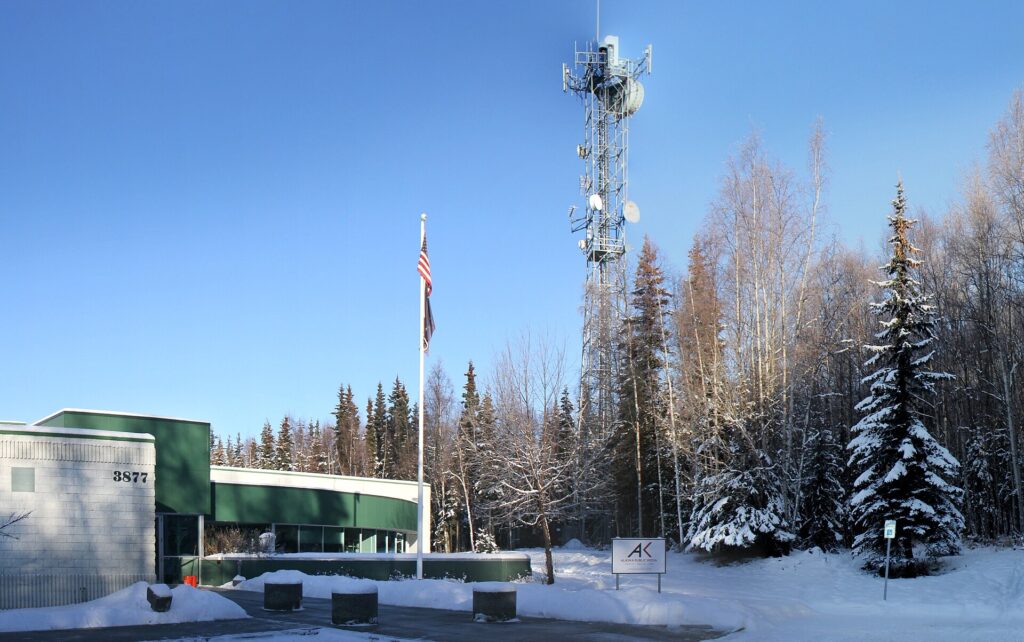
| First Fairbanks radio | KFAR, first on air October 30, 1939 |
|---|---|
| Founder of KFAR | Austin E. Lathrop |
| First television | KTVA, founded by August Hiebert |
| Notable broadcaster | August G. Hiebert |
KFAR radio
KFAR in Fairbanks was founded in 1939 by industrialist Austin E. Lathrop and first went on the air on October 30, 1939. Wikipedia calls it the oldest radio station in Fairbanks and one of the oldest in Alaska. It originally broadcast at 610 kHz and moved to 660 kHz in 1956, and its call letters stand for Key For Alaska Riches [1]. Lathrop died in 1950, and in 1960 Alvin O. Bramstedt bought the Lathrop broadcasting holdings [1].
August Hiebert and early television
According to the University of Alaska, August Hiebert was asked at age 22 in 1939 to help build KFAR, described as the first radio station in Fairbanks, a 1,000-watt station. Using a $25,000 inheritance from Lathrop, he founded KTVA, Alaska first television station, and KTVF in Fairbanks followed two years later [2].
Satellite era
On July 20, 1969, Hiebert negotiated to bring the satellite feed of the moon walk to Alaska viewers and shared it with competitors, so it aired on all three Anchorage stations. COMSAT built a satellite earth station near Talkeetna, enabling the first live broadcast to Alaska. A State of Alaska and RCA Alascom joint venture then built more than 100 small earth stations in rural communities, and low-power TV transmitters were installed in most villages to receive an Anchorage-originated feed [2]. Hiebert was inducted into the Alaska Innovators Hall of Fame in 2020 [2].
FAQs
When did KFAR first broadcast? On October 30, 1939 [1].
Who is the Father of Alaska television? August G. Hiebert [2].
How did television reach rural Alaska? Through satellite earth stations and low-power village transmitters carrying an Anchorage-originated feed [2].
Sources
Key facts
- KFAR on air October 30, 1939
- Satellite earth station built near Talkeetna
Quick checkHow did television come to Alaska?Show answer
August Hiebert founded KTVA, Alaska first television station, and satellite earth stations later reached rural communities.
Sources
- Wikipedia. KFAR (accessed 2026-11-14)
- University of Alaska. Augie Hiebert, Father of Alaska television (accessed 2026-11-14)
Editorially reviewed by Specialty Digest Editorial TeamLast reviewed November 14, 2026Researched and drafted with AI assistanceReport an issue