The Alaskan Malamute is a large dog breed from Alaska, bred for strength and endurance to haul heavy freight as a sled dog, and has been the official state dog of Alaska since 2010. It was likely bred by the Malimiut Iñupiaq people of the Norton Sound region, and the American Kennel Club recognized the
Alaskan Malamute (Alaska State Dog) Read More »
The Alaskan Malamute is a large freight-hauling sled dog and the official state dog of Alaska since 2010.
Alaska holds the largest resident bald eagle population of any U.S. state, estimated at 40,000–50,000 birds from early-1990s figures. Alaskan eagles are among the largest of the species, with large females spanning up to 2.44 metres.[1] A bald eagle in Alaska. Photo: Mbochart / CC BY-SA 4.0. Length 70–102 cm Wingspan 1.8–2.3 m; large Alaskan
Bald Eagle in Alaska Read More »
Alaska’s large, salmon-eating national bird.
The American black bear lives across much of mainland Alaska, with up to 100,000 bears in the state. Alaskan black bears vary in coat, including the silvery-blue glacier bear of Southeast Alaska.[1][2] An American black bear in Alaska. Photo: United States Air Force photo by Senior Airman Joshua Strang / Public domain. Alaska population Up
Black Bear in Alaska Read More »
Alaska’s most widespread bear, with up to 100,000 animals.
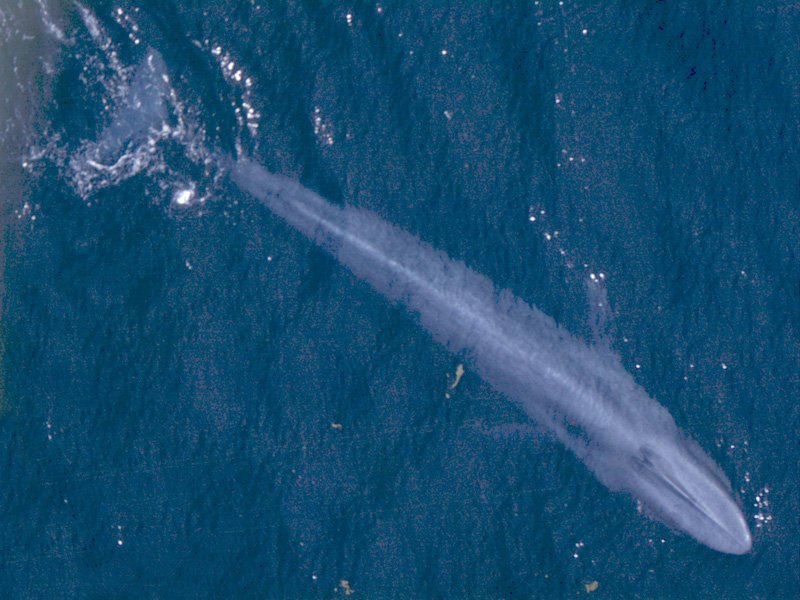
The blue whale (Balaenoptera musculus) is a marine mammal and the largest animal known to have ever lived. NOAA Fisheries reports that the biggest individuals reach about 110 feet in length and more than 330,000 pounds. Blue whales live in every ocean except the Arctic, feed almost entirely on krill, and are listed as an
Blue whale Read More »
The largest animal known to have lived, a baleen whale that feeds on krill and is listed as endangered.
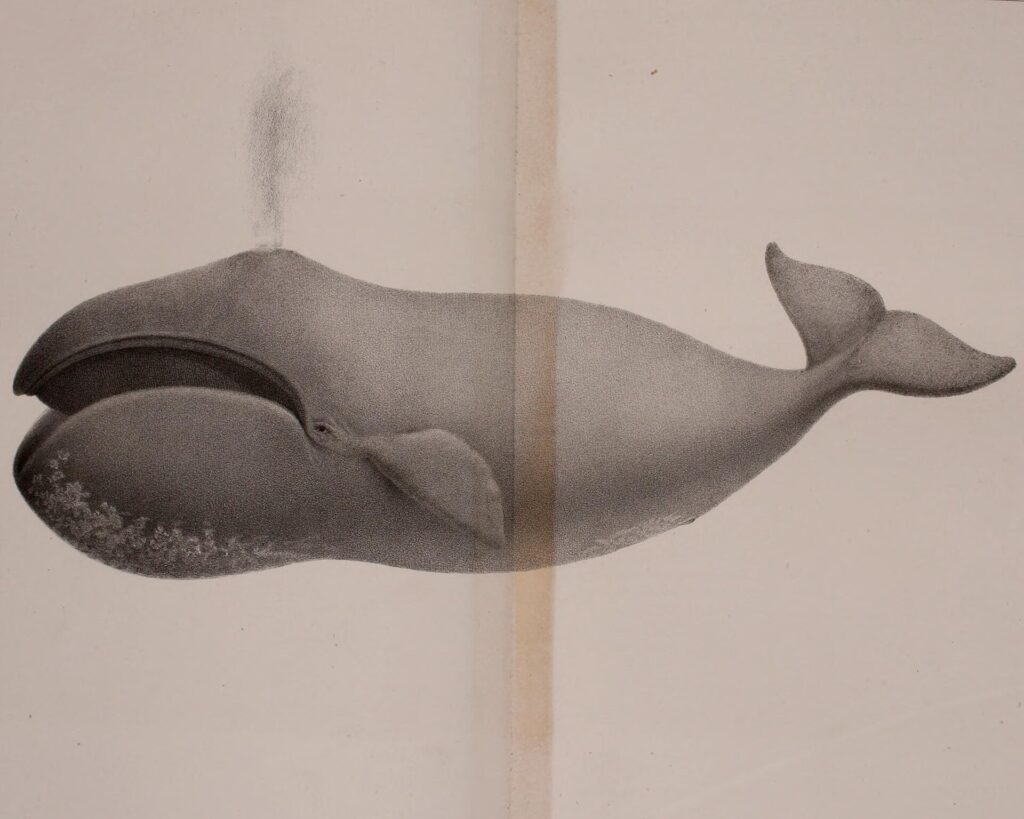
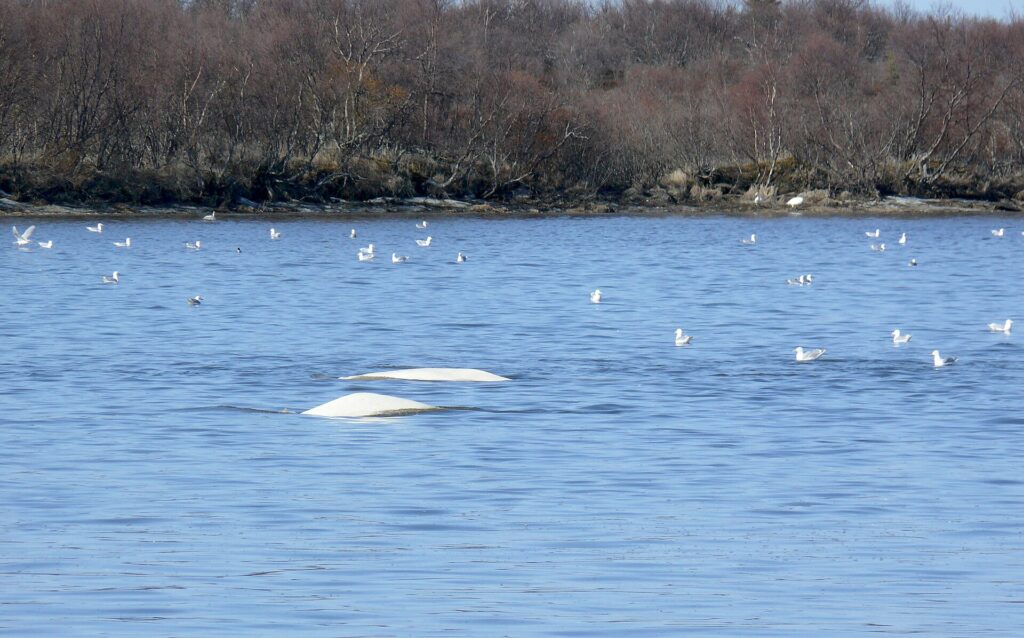
The bowhead whale (Balaena mysticetus) is a large Arctic baleen whale and the official marine mammal of Alaska, designated in 1983. It is the only baleen whale that spends its entire life in Arctic and subarctic waters, and it is considered the longest-living mammal, with individuals living over 200 years. The Bering-Chukchi-Beaufort population, which migrates
Bowhead Whale (Alaska State Marine Mammal) Read More »
The bowhead whale is an Arctic baleen whale, Alaska’s state marine mammal since 1983, that can live over 200 years.
The brown bear (Ursus arctos) is a large bear found across most of Alaska, where the population is estimated at about 30,000, the largest share of the roughly 32,500 brown bears in the United States. Coastal bears that feed on salmon, including the Kodiak bears of the Kodiak Archipelago, grow much larger than interior bears,
Brown Bear in Alaska Read More »
The brown bear is a large bear found across most of Alaska, with a population of about 30,000.
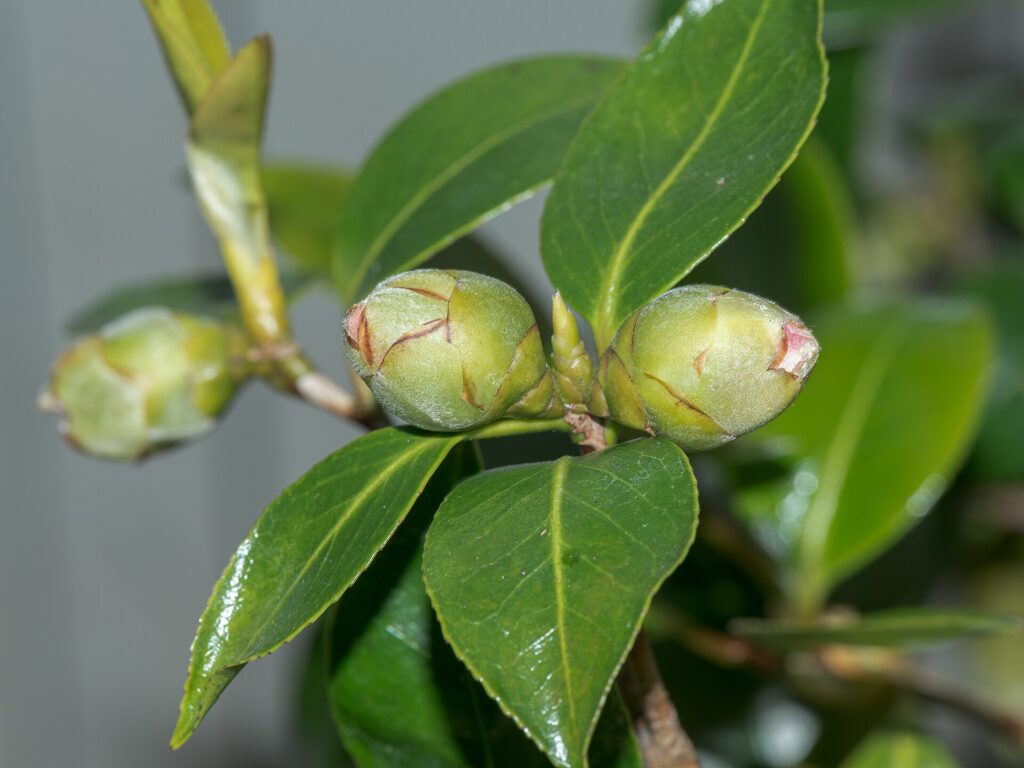
The camellia (Camellia japonica) is the state flower of Alabama. It is an evergreen shrub with glossy dark leaves and large, showy blooms that appear in the cool months. The legislature adopted the camellia as the state flower in 1959, replacing the goldenrod, which had held the title since 1927 [1][2]. This article explains where
Camellia (Alabama State Flower) Read More »
The camellia (Camellia japonica) is an evergreen flowering shrub and the official state flower of Alabama.
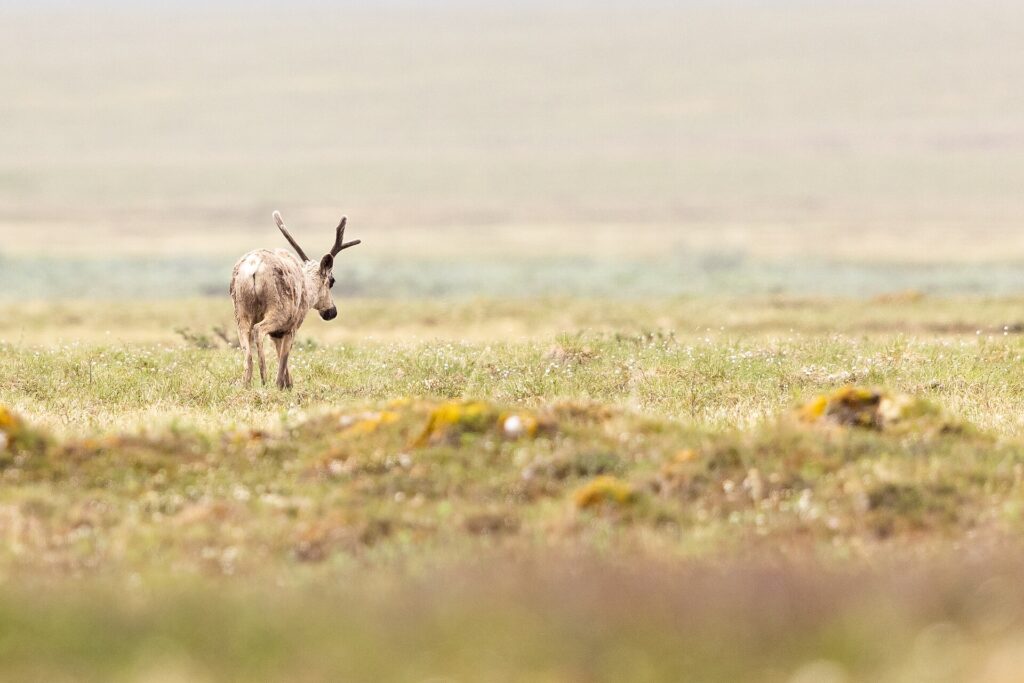
The caribou (Rangifer tarandus) is a medium-sized deer found across northern Alaska, where more than 30 herds roam from the Arctic tundra to the mountains of the south. Seven herds contain most of the state’s caribou, and many of them are now shrinking or not growing. The Porcupine herd, the largest, makes some of the
Caribou in Alaska Read More »
Caribou are migratory deer found in more than 30 Alaska herds, many of which are now declining.
The Chinook salmon, called king salmon in Alaska, is the state fish and the largest Pacific salmon. The sport-caught world record, 44.1 kilograms (97¼ pounds), was taken in the Kenai River, Alaska, on 17 May 1985.[1] A Chinook (king) salmon from Alaska. Photo: Katmai National Park and Preserve / Public domain. Sport record 44.1 kg,
Chinook (King) Salmon Read More »
Alaska’s state fish and the largest Pacific salmon.
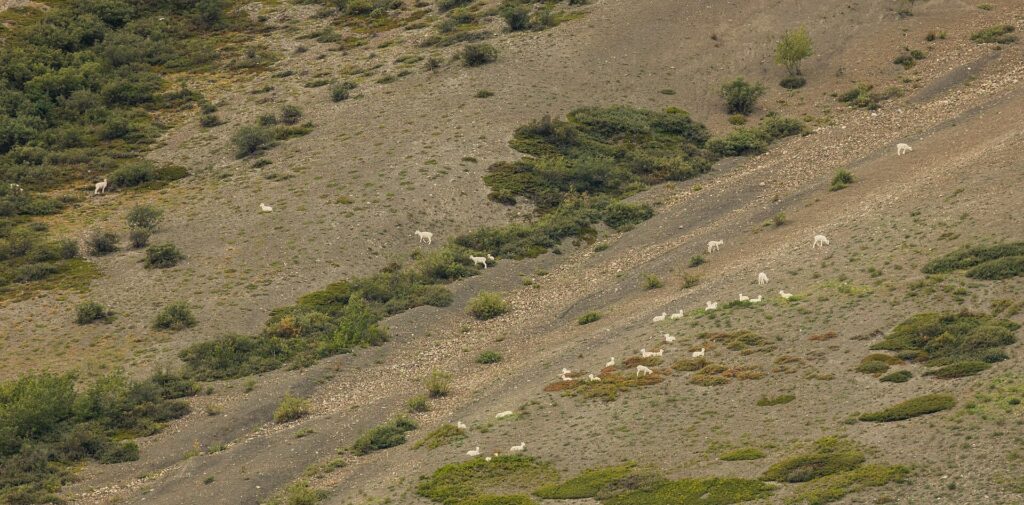
Dall sheep (Ovis dalli) are wild white sheep of the subarctic and arctic mountain ranges of Alaska. Rams carry thick, curling horns, and the species is named for the American naturalist William Healey Dall (1845–1927).[1] A Dall sheep ram on an Alaska mountainside. Photo: Diego Delso / CC BY-SA 4.0. Scientific name Ovis dalli Ram
Dall Sheep Read More »
Alaska’s white mountain sheep.