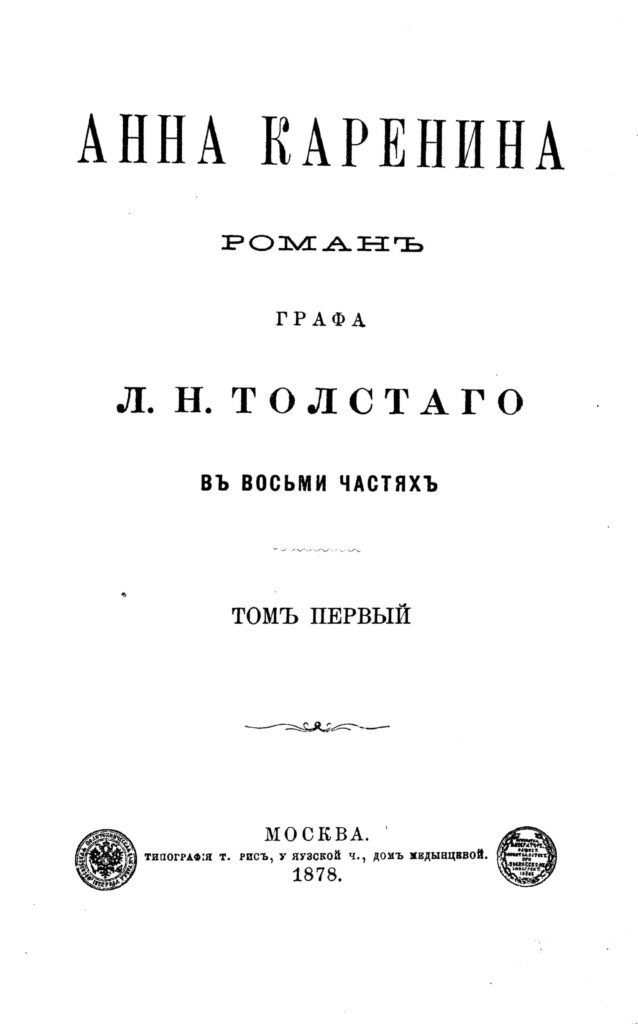
Anna Karenina is a novel by the Russian writer Leo Tolstoy, serialized from 1875 to 1877 and published as a book in 1878. It tells of Anna, a married woman in high society whose love affair with an army officer leads to scandal and tragedy. A second storyline, about the landowner Konstantin Levin, runs alongside
Anna Karenina Read More »
An 1870s novel by Leo Tolstoy that follows the doomed affair of Anna Karenina alongside the life of the landowner Levin.
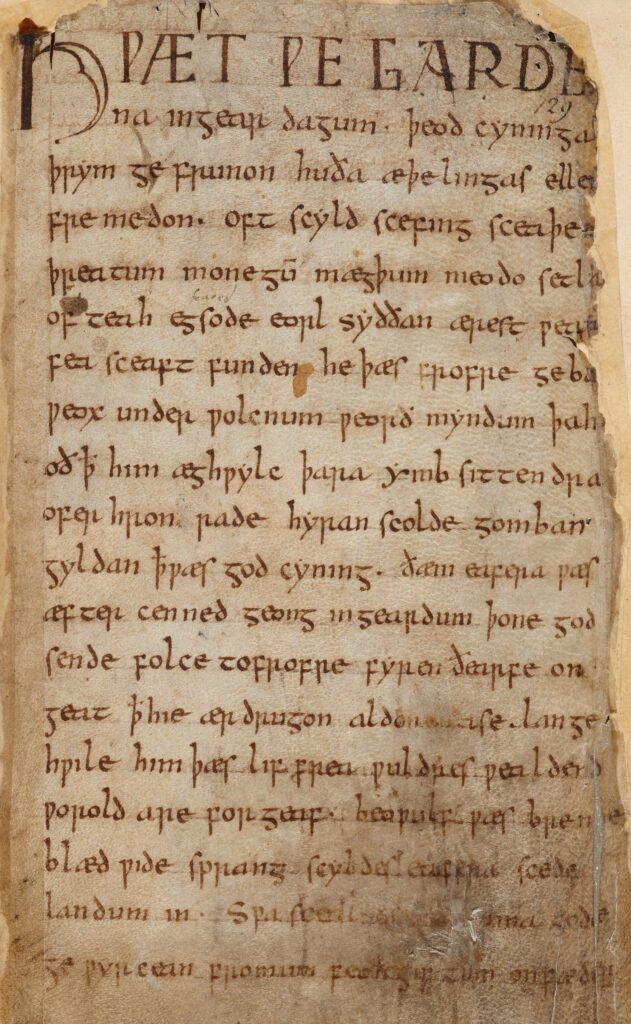
Beowulf is an anonymous Old English heroic poem of more than 3,000 lines about the Geatish warrior Beowulf, who defeats the monster Grendel and Grendel’s mother and, as an old king, fights a dragon. It survives in a single manuscript made around the year 1000 and is one of the oldest long poems in the
Beowulf Read More »
Beowulf is an anonymous Old English heroic poem of more than 3,000 lines about a Geatish warrior and three monster fights.
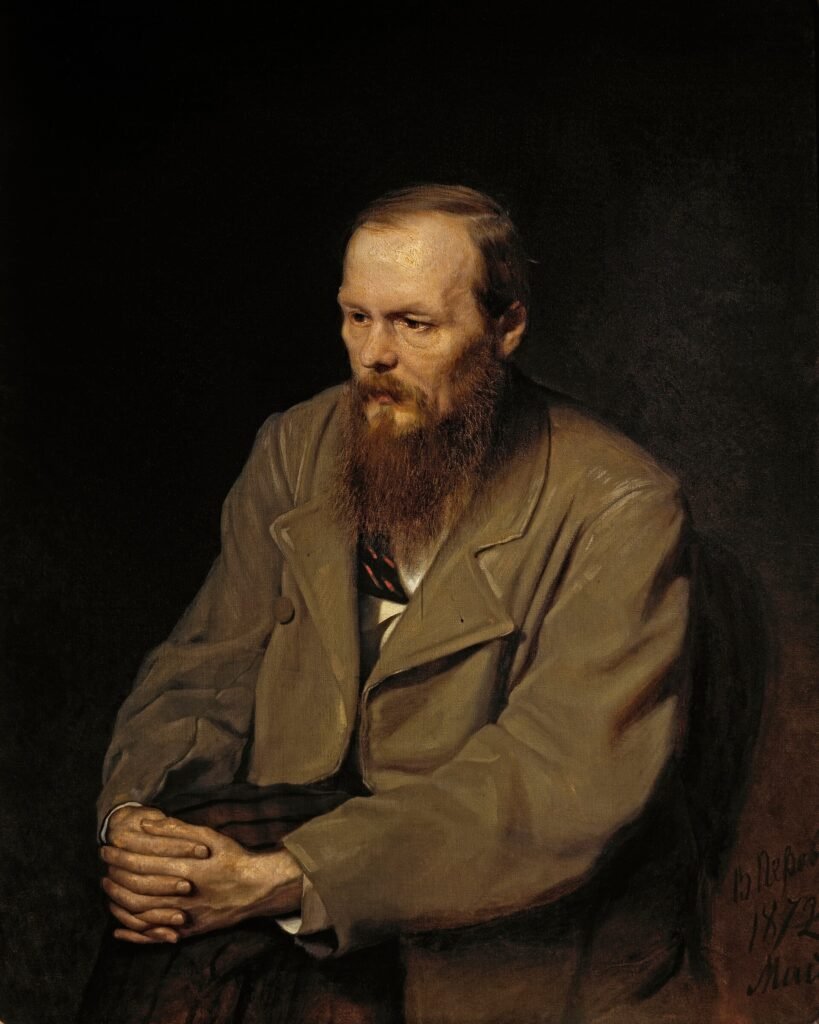
Crime and Punishment is a novel by the Russian writer Fyodor Dostoevsky (1821 to 1881), published in 1866. It follows Rodion Raskolnikov, a poor former law student in St. Petersburg, who plans and carries out the murder of an unscrupulous pawnbroker and is then consumed by confusion, paranoia and guilt. The novel is one of
Crime and Punishment Read More »
An 1866 novel by Fyodor Dostoevsky about a poor student in St. Petersburg who commits a murder and is consumed by guilt.
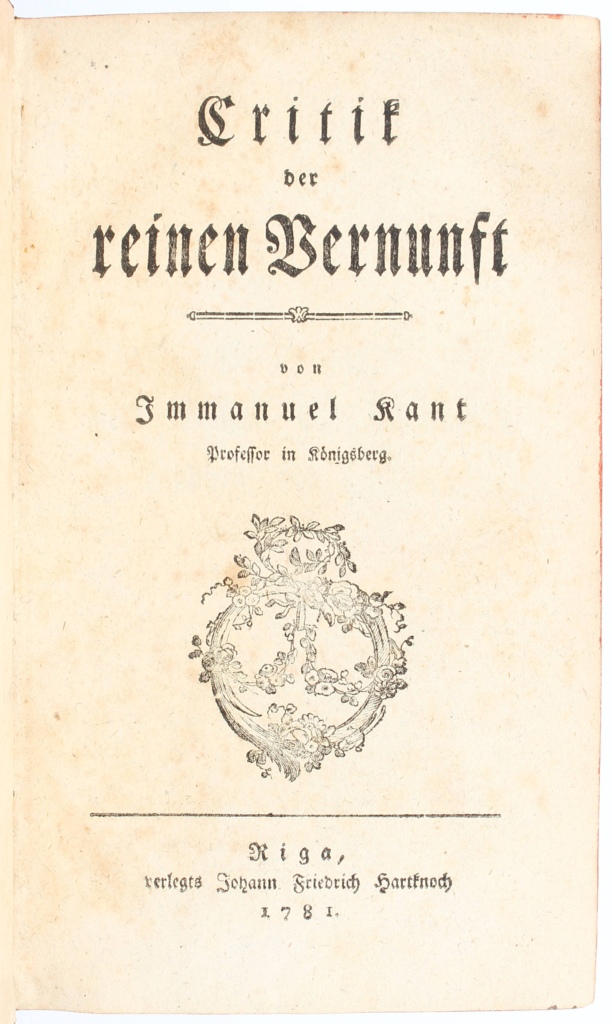
The Critique of Pure Reason is Immanuel Kant’s 1781 work of philosophy that asks what human reason can and cannot know independently of experience. Its answer is that knowledge is limited to the world as it appears to us, and that traditional metaphysical claims about the soul, the universe as a whole and God lie
Critique of Pure Reason Read More »
Critique of Pure Reason is Immanuel Kant's 1781 work arguing that human knowledge is limited to experience and that metaphysics must be reformed.
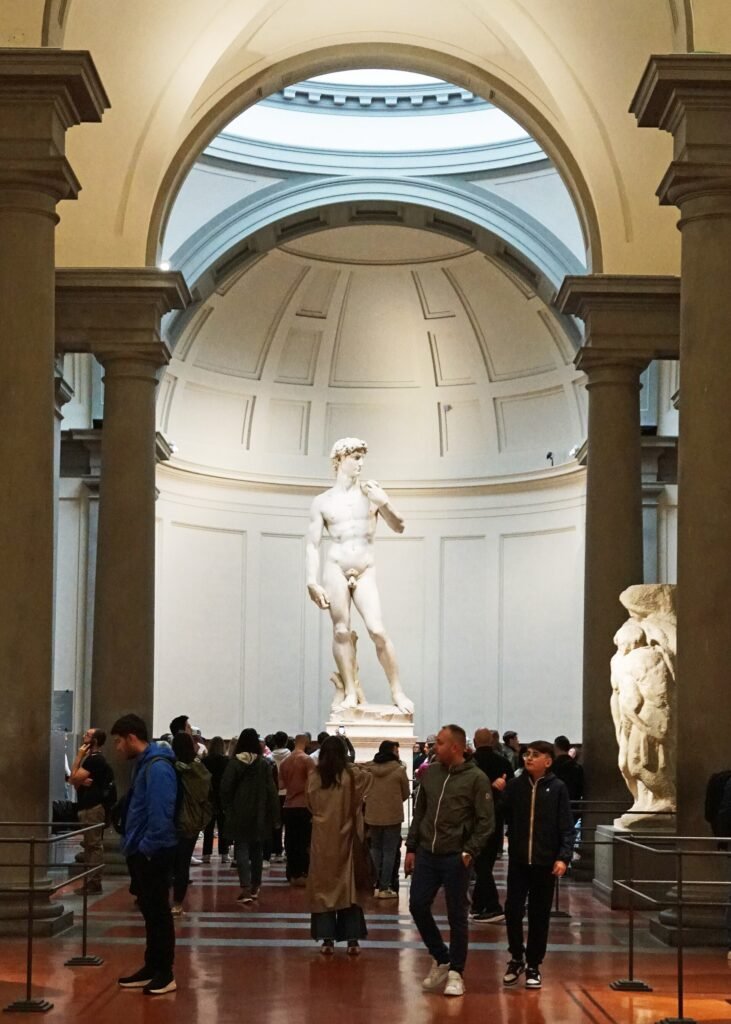
David is a marble statue of the biblical hero David, carved by Michelangelo in Florence between 1501 and 1504. It stands about 5.17 meters, or 17 feet, tall and is displayed in the Galleria dell’Accademia. The statue was commissioned for Florence Cathedral but was placed outside the city’s town hall, where it became a symbol
David (Michelangelo) Read More »
Michelangelo's marble statue of the biblical David, carved in Florence from 1501 to 1504 and displayed in the Galleria dell'Accademia.
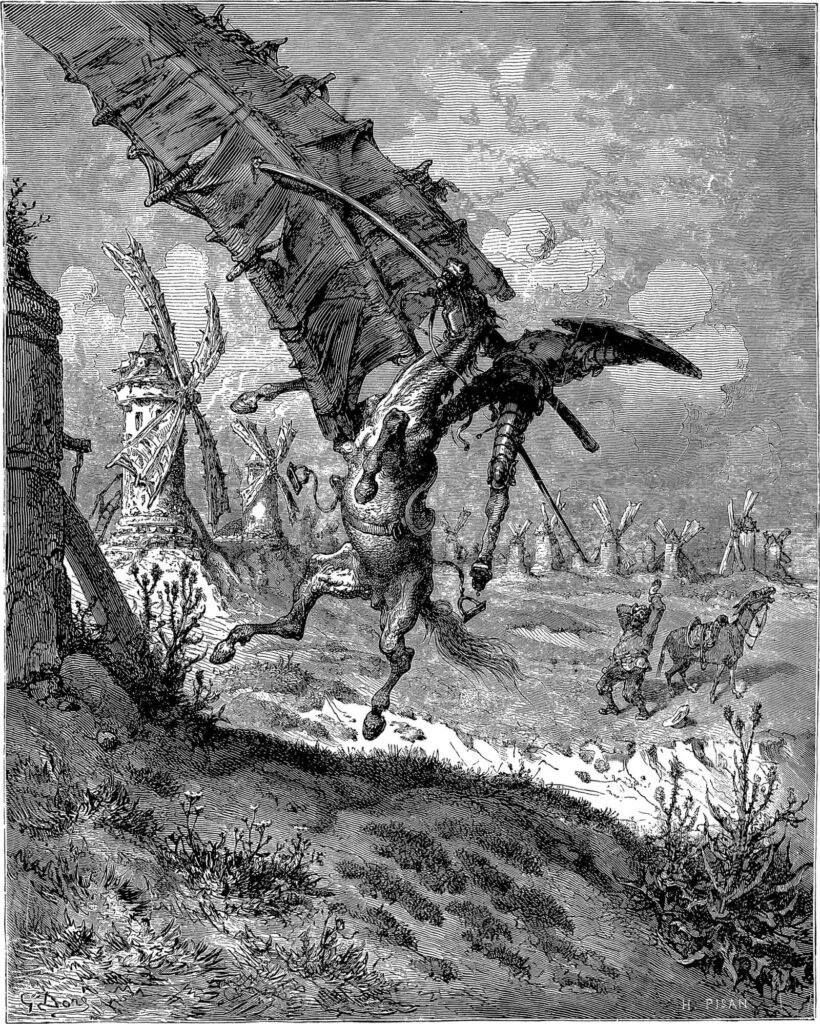
Don Quixote is a Spanish novel by Miguel de Cervantes, published in two parts in 1605 and 1615. Its full title is The Ingenious Gentleman Don Quixote of La Mancha. It follows a middle-aged man who reads so many tales of knights that he loses his judgment and sets out to revive chivalry, accompanied by
Don Quixote Read More »
Spanish novel by Miguel de Cervantes, published in 1605 and 1615, about a gentleman who becomes a knight-errant.
Dracula is a Gothic horror novel by the Irish writer Bram Stoker, first published in London in 1897. It follows a vampire from Transylvania, Count Dracula, who moves to England and is hunted by a small group of allies led by Professor Abraham Van Helsing. The story is told through letters, diary entries and newspaper
Dracula Read More »
Gothic horror novel by Bram Stoker, published in 1897, about a Transylvanian vampire who travels to England and is hunted.
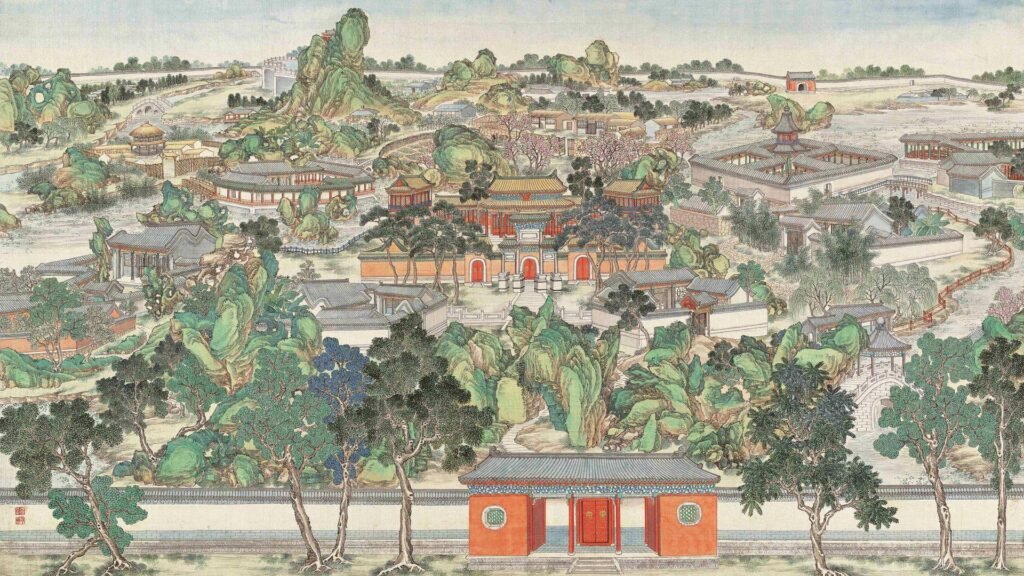
Dream of the Red Chamber, also known as The Story of the Stone and in Chinese as Hongloumeng, is an eighteenth-century Chinese novel attributed to Cao Xueqin. It follows the rise and decline of the wealthy Jia family through the young heir Jia Baoyu and his entangled bond with his cousins Lin Daiyu and Xue
Dream of the Red Chamber Read More »
Eighteenth-century Chinese novel attributed to Cao Xueqin about the decline of the Jia family, also called The Story of the Stone.
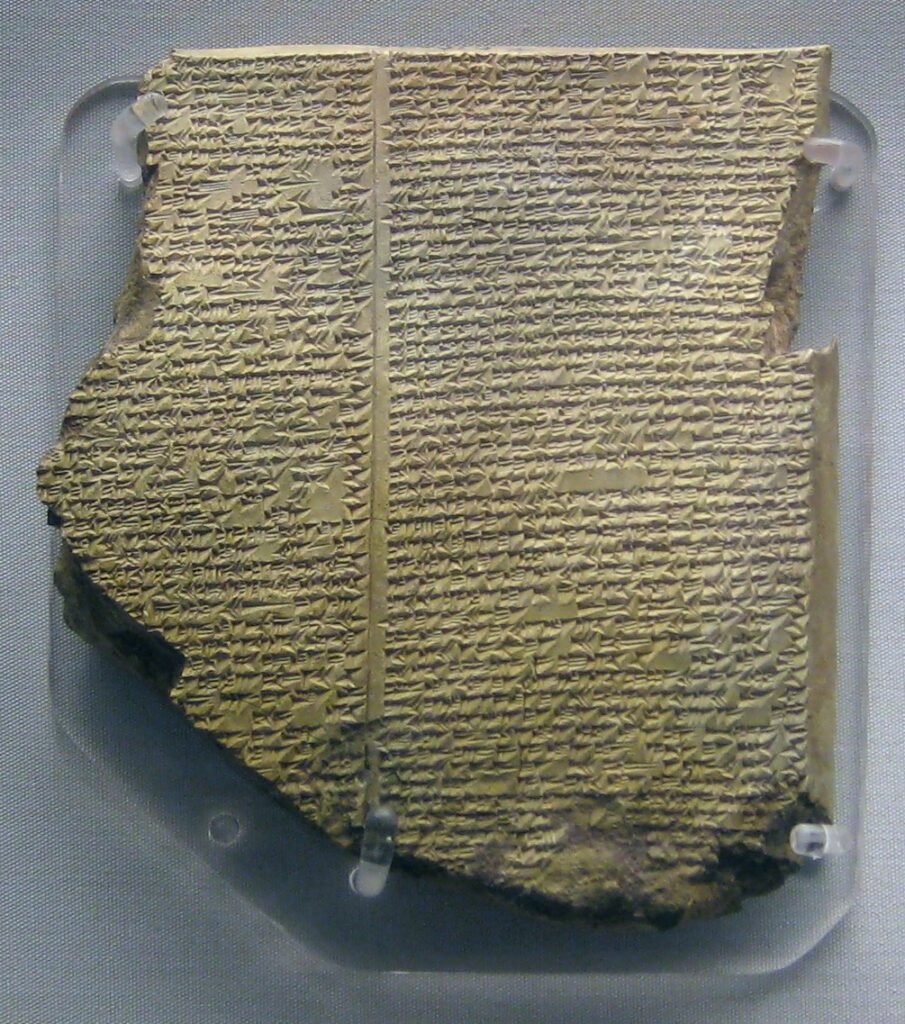
The Epic of Gilgamesh is an ancient Mesopotamian poem about King Gilgamesh of Uruk and his unsuccessful search for immortality. Composed in Akkadian and written on clay tablets, it is considered by many to be the world’s oldest great epic poem. Its best-known surviving form dates to the first millennium BCE, but its roots go
Epic of Gilgamesh Read More »
The Epic of Gilgamesh is an ancient Mesopotamian poem about the king of Uruk and his failed quest for immortality.
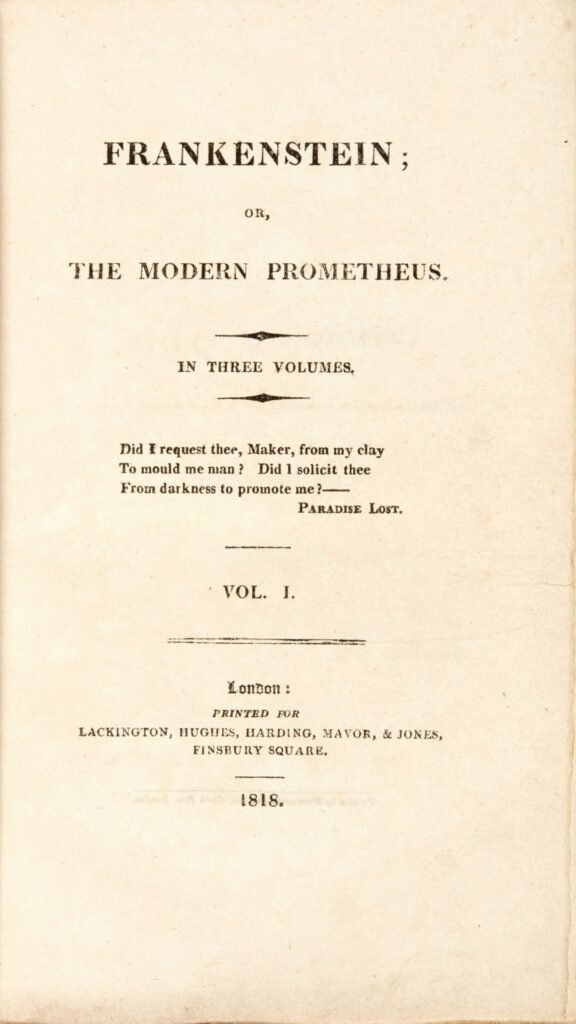
Frankenstein; or, The Modern Prometheus is a novel by the English writer Mary Shelley (1797 to 1851), first published anonymously in 1818. It tells of Victor Frankenstein, a young scientist who builds a living creature from parts of dead bodies and then abandons it, with tragic results for both of them. It is often described
Frankenstein Read More »
An 1818 Gothic novel by Mary Shelley about a scientist who creates a living being and then abandons it.