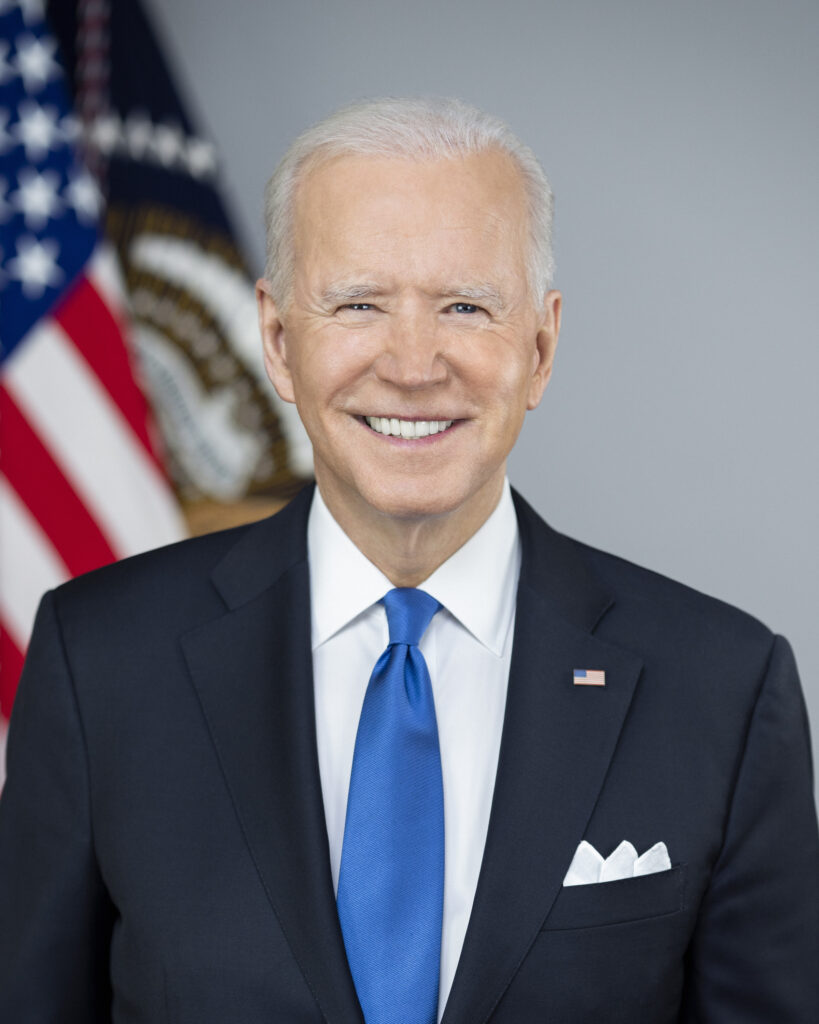
Joe Biden (born 1942) is an American politician who served as the 46th President of the United States from 2021 to 2025, following a lengthy career in the Senate and two terms as vice president under Barack Obama. His decades in public life, spanning more than five decades of elected service, made him one of the most experienced officeholders to reach the presidency in American history.
Joe Biden at a Glance
| Full name | Joseph Robinette Biden Jr. |
| Born | November 20, 1942, Scranton, Pennsylvania |
| Known for | 46th President of the United States; longtime U.S. Senator; vice president under Barack Obama |
| Occupation | Politician, lawyer |
| Major events | 2020 presidential election; COVID-19 pandemic response; withdrawal from Afghanistan |
| Political party | Democratic |
| Nationality | American |
Early Life and Education
Biden was born in Scranton, Pennsylvania, and moved with his family to Claymont, Delaware, as a child, a state he would later represent for decades in the Senate. He attended the University of Delaware, where he studied history and political science, and later earned a law degree from Syracuse University College of Law before returning to Delaware to practice law.
Entry into Politics
Biden began his political career on the New Castle County Council in Delaware before winning election to the United States Senate in 1972 at the age of 29, becoming one of the youngest senators in American history. His early Senate career was marked by personal tragedy when his first wife and infant daughter died in a car accident shortly after his election, a loss that shaped his approach to public life as he was sworn into office from his sons’ hospital bedside.
Senate Career
Biden served in the United States Senate for 36 years, representing Delaware from 1973 to 2009, during which he chaired the Senate Judiciary Committee and later the Senate Foreign Relations Committee. His long Senate tenure included work on criminal justice legislation, including the 1994 Violent Crime Control and Law Enforcement Act, and extensive involvement in shaping American foreign policy through his committee leadership.
Presidential Campaigns Before 2020
Biden sought the Democratic presidential nomination twice before his successful 2020 campaign, first in 1988 and again in 2008, though neither bid advanced to the general election. His 2008 campaign ended early in the primary process, but it led directly to his selection as Barack Obama’s running mate later that year, placing him on the national ticket for the first time.
Vice Presidency Under Obama
Biden served two terms as vice president under President Barack Obama from 2009 to 2017, taking on significant policy roles including oversight of the implementation of the American Recovery and Reinvestment Act following the 2008 financial crisis. He also played a central role in foreign policy discussions and served as a close advisor to Obama throughout both administrations, building a reputation as an experienced hand in both domestic and international affairs.
The 2020 Presidential Campaign
Biden won the presidency in 2020, defeating incumbent Donald Trump in an election held amid the COVID-19 pandemic that saw record levels of both early and mail-in voting. His campaign emphasized a return to institutional norms and experienced governance, drawing on his decades of experience in the Senate and as vice president to position himself as a steady leader during a period of national crisis.
Response to the COVID-19 Pandemic
Biden’s early presidency focused heavily on the ongoing COVID-19 pandemic, overseeing the continued distribution of vaccines developed under the prior administration and signing the American Rescue Plan, a major economic relief package aimed at addressing the pandemic’s economic effects. His administration worked to expand vaccine access and testing capacity while navigating the economic recovery from the pandemic’s disruptions to employment and supply chains.
Infrastructure and Economic Legislation
Biden signed the Infrastructure Investment and Jobs Act in 2021, a major bipartisan law directing substantial federal funding toward roads, bridges, broadband expansion, and other infrastructure projects across the country. He also signed the Inflation Reduction Act in 2022, which included significant investments in clean energy and provisions addressing prescription drug costs and corporate taxation.
Withdrawal from Afghanistan
Biden oversaw the withdrawal of American military forces from Afghanistan in August 2021, ending nearly two decades of U.S. military involvement in the country following agreements reached during the prior administration. The withdrawal was followed by the rapid collapse of the Afghan government and a chaotic evacuation effort at Kabul’s airport, becoming one of the most closely examined episodes of his presidency.
Foreign Policy and International Relations
Biden’s foreign policy emphasized rebuilding alliances with NATO and other international partners following a period of strained relations, while his administration provided substantial military and economic assistance to Ukraine following Russia’s full-scale invasion in February 2022. He also worked to strengthen diplomatic and economic ties with Indo-Pacific allies amid growing strategic competition with China.
Supreme Court and Judicial Appointments
Biden appointed Ketanji Brown Jackson to the Supreme Court in 2022, making her the first Black woman to serve on the nation’s highest court. His administration also prioritized appointing a historically diverse slate of judges to federal appellate and district courts throughout his presidency, reflecting a broader focus on judicial diversity.
The 2024 Election and End of Term
Biden ended his re-election campaign in July 2024, withdrawing from the race after a shortened campaign season and endorsing Vice President Kamala Harris as the Democratic nominee. Harris went on to lose the general election to Donald Trump, bringing Biden’s presidency to a close in January 2025 after a single term in office.
Economic Recovery and Job Growth
Biden’s presidency coincided with a period of significant job growth as the economy recovered from the disruptions of the pandemic, with his administration frequently highlighting employment gains and manufacturing investment tied to the infrastructure and clean energy legislation he signed. His economic policy, often referred to as Bidenomics, emphasized federal investment in domestic manufacturing, including semiconductor production through the CHIPS and Science Act, alongside efforts to strengthen labor unions and expand collective bargaining protections.
Climate and Energy Policy
Biden rejoined the Paris Climate Agreement on his first day in office, reversing a withdrawal initiated by the prior administration, and made climate policy a central focus of his domestic agenda. The Inflation Reduction Act included the largest federal investment in clean energy in American history, directing hundreds of billions of dollars toward renewable energy production, electric vehicle incentives, and emissions reduction programs across the economy.
Legacy
Joe Biden is remembered for a political career spanning more than five decades, from his early Senate election in 1972 through his vice presidency and ultimately the presidency itself, making him a central figure in American government across multiple eras. His presidency is studied for its major legislative achievements in infrastructure and economic policy as well as for the significant foreign policy challenges of the Afghanistan withdrawal and the war in Ukraine.
References
Frequently Asked Questions
What is Joe Biden best known for? He is best known for serving as the 46th President of the United States from 2021 to 2025, following a long career in the Senate and two terms as vice president under Barack Obama.
How long did Joe Biden serve in the Senate? He represented Delaware in the United States Senate for 36 years, from 1973 to 2009, before becoming vice president.
What major legislation did Biden sign as president? He signed the Infrastructure Investment and Jobs Act and the Inflation Reduction Act, both major pieces of economic and infrastructure legislation.
Did Joe Biden run for re-election in 2024? He withdrew from the race in July 2024 and endorsed Vice President Kamala Harris as the Democratic nominee in his place.
Editorially reviewed by Specialty Digest Editorial TeamLast reviewed November 29, 2026Researched and drafted with AI assistanceReport an issue