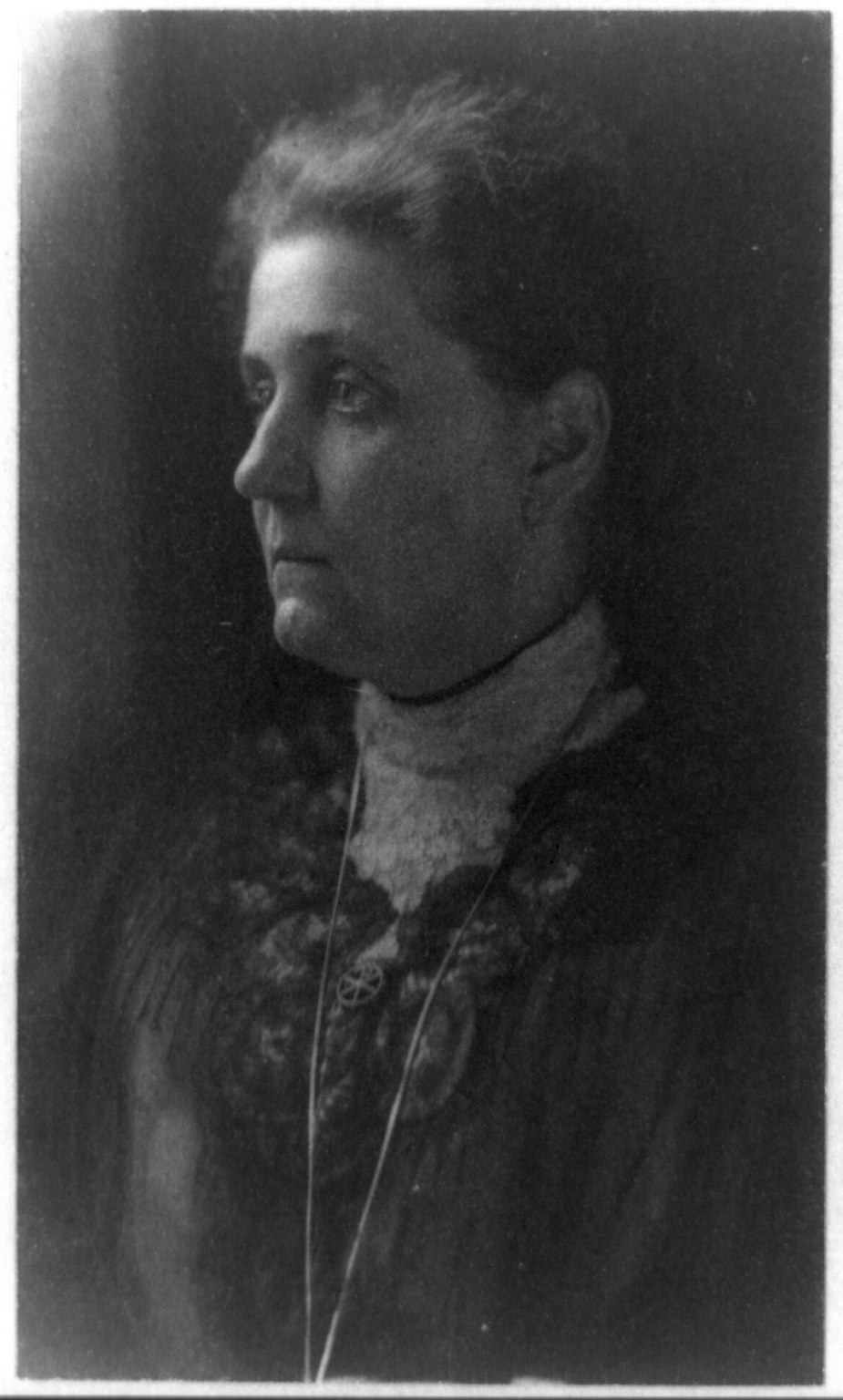
Jane Addams (1860-1935) was an American social reformer, author, and peace activist who co-founded Hull House, one of the first and most influential settlement houses in the United States, and became the first American woman to receive the Nobel Peace Prize. A pioneering figure in the fields of social work and international peace advocacy, Addams dedicated her life to improving conditions for immigrants, workers, and the urban poor while championing women’s suffrage and international cooperation.
Jane Addams at a Glance
| Full name | Laura Jane Addams |
| Born | September 6, 1860, Cedarville, Illinois, United States |
| Died | May 21, 1935, Chicago, Illinois, United States |
| Known for | Co-founding Hull House; first American woman to win the Nobel Peace Prize, 1931 |
| Occupation | Social reformer, author, peace activist |
| Major events | Founding of Hull House 1889; women’s suffrage advocacy; Nobel Peace Prize 1931 |
| Nationality | American |
Early Life and Education
Jane Addams was born in Cedarville, Illinois, to a prosperous and politically engaged family, and she pursued higher education at Rockford Female Seminary, where she developed a strong commitment to social service and civic engagement. Her early adulthood included extensive travel through Europe, during which she encountered settlement house work in London that would profoundly shape her later career in the United States.
Founding of Hull House
In 1889, Addams co-founded Hull House in Chicago alongside her close collaborator Ellen Gates Starr, establishing one of the first settlement houses in the United States dedicated to providing social, educational, and cultural services to immigrant and working-class communities. Hull House quickly grew into a vast complex offering kindergarten classes, adult education courses, art studios, and numerous other programs designed to improve the lives of Chicago’s working poor.
Social Reform and Advocacy
Addams used Hull House as a base for broader social reform efforts, advocating for improved labor conditions, child labor laws, public health measures, and better housing standards for the urban poor. Her work helped establish the foundations of professional social work as a field and influenced significant legislative reforms at both the local and national levels regarding workplace safety and sanitation standards.
Leadership in the Settlement House Movement
As one of the most prominent figures in the American settlement house movement, Addams worked to connect academic research with practical social intervention, collaborating with sociologists, economists, and other professionals to study urban poverty and develop evidence-based solutions. Her approach helped establish settlement houses as important sites of social investigation and reform throughout American cities during the Progressive Era.
Advocacy for Women’s Suffrage
Addams was an active and influential advocate for women’s suffrage, serving as vice president of the National American Woman Suffrage Association and using her public platform to argue that women’s political participation was essential for addressing the social problems she encountered in her reform work. Her advocacy connected the suffrage movement to broader questions of social justice and municipal reform.
International Peace Activism
Following the outbreak of World War I, Addams became increasingly devoted to international peace activism, helping to found the Woman’s Peace Party in 1915 and later serving as the first president of the Women’s International League for Peace and Freedom. Her peace advocacy, which included organizing international conferences and lobbying government officials, represented a significant expansion of her reform work onto the global stage.
The Nobel Peace Prize
In 1931, Addams became the first American woman awarded the Nobel Peace Prize, an honor that recognized her decades of work in both domestic social reform and international peace advocacy. The award affirmed her status as one of the most respected social reformers and peace activists of her era, even though her antiwar stance had made her a controversial figure in the years immediately following World War I.
Writing and Public Intellectual Work
Addams was also a prolific author, writing numerous books and articles that articulated her philosophy of social reform and documented her experiences at Hull House, including her widely read memoir that brought her reform philosophy to a broad national audience. Her writing helped establish her as one of the leading public intellectuals of the Progressive Era, shaping national conversations about poverty, immigration, and social responsibility.
Expansion of Hull House Programs
Under Addams’s leadership, Hull House expanded to include a wide range of innovative programs, including one of the first public playgrounds in Chicago, a labor museum celebrating immigrant craft traditions, and a bureau that provided legal aid and employment assistance to neighborhood residents. These programs served as models that were replicated by settlement houses throughout the United States.
Influence on Social Work as a Profession
Addams’s methods and philosophy at Hull House significantly influenced the development of social work as a recognized academic discipline and professional field, as she helped bridge the gap between charitable volunteer work and systematic, research-based social intervention. Her collaborative approach to addressing urban poverty became a foundational model for social work education and practice in the decades that followed.
Later Life and Continued Activism
Addams remained active in both social reform and peace work until her death in 1935, continuing to lead Hull House and participate in international peace organizations even as her health declined in her final years. Her sustained commitment to these causes over more than four decades established her as one of the most consistent and influential reform voices of her generation.
Commemoration
Addams has been honored extensively since her death, including the naming of schools, parks, and public buildings after her, as well as her inclusion on numerous lists recognizing the most influential Americans of the twentieth century. Hull House itself has been preserved as a museum, allowing visitors to learn about her pioneering social work and the broader settlement house movement she helped lead.
Relationships with Fellow Reformers
Addams built extensive working relationships with other prominent reformers, social scientists, and intellectuals of her era, collaborating closely with figures such as Florence Kelley and Julia Lathrop on labor and child welfare initiatives that grew out of their shared work at Hull House. These collaborative networks helped amplify the impact of her reform efforts, connecting Hull House to a broader national movement for progressive social change that extended well beyond Chicago.
Legacy
Jane Addams remains one of the most significant figures in American social reform history, remembered for her pioneering work at Hull House, her advocacy for women’s suffrage, and her groundbreaking achievement as the first American woman to win the Nobel Peace Prize. Her integration of social reform, intellectual inquiry, and peace activism established a model of engaged citizenship that continues to influence social work and advocacy today.
References
- New World Encyclopedia – Jane Addams
- History.com – Jane Addams
- History.com – Jane Addams (Women’s History)
Frequently Asked Questions
What is Jane Addams best known for? She is best known for co-founding Hull House, a pioneering settlement house in Chicago, and for becoming the first American woman to win the Nobel Peace Prize in 1931.
What was Hull House? It was a settlement house founded in Chicago in 1889 that provided social, educational, and cultural services to immigrant and working-class communities.
Why did Jane Addams win the Nobel Peace Prize? She was recognized for her decades of work in social reform and international peace activism, including founding the Women’s International League for Peace and Freedom.
Did Jane Addams support women’s suffrage? Yes, she was an active advocate who served as vice president of the National American Woman Suffrage Association.
Editorially reviewed by Specialty Digest Editorial TeamLast reviewed November 29, 2026Researched and drafted with AI assistanceReport an issue