Tort law is the branch of civil law that defines when one person can be held legally responsible for causing harm to another, outside of any contract between them. A tort is a civil wrong, and the harm it covers extends well beyond physical injury to include emotional, economic, and reputational damage, as well as
Tort Law Read More »
The branch of civil law governing when one party can be held liable for causing harm to another outside of any contract.
In simple terms The total fertility rate is the number of children a woman would have if she lived through all her childbearing years and bore children at the rates observed in a single year. It is reported as births per woman. The phrase would have is doing the work. No real woman lives her
Total fertility rate Read More »
The total fertility rate is the number of children a woman would have at one year's age-specific birth rates.
Overview A tour operator assembles individual travel components into a packaged product, then sells that package to consumers directly or through travel agents. Types of Operators Outbound operators sell international or long-distance trips to travelers in their home market, while inbound operators focus on receiving and servicing visitors arriving in a specific destination. Supplier Relationships
Tour Operator Read More »
A tour operator is a business that assembles and sells package travel experiences, combining transportation, accommodation, and activities into a single bookable product.
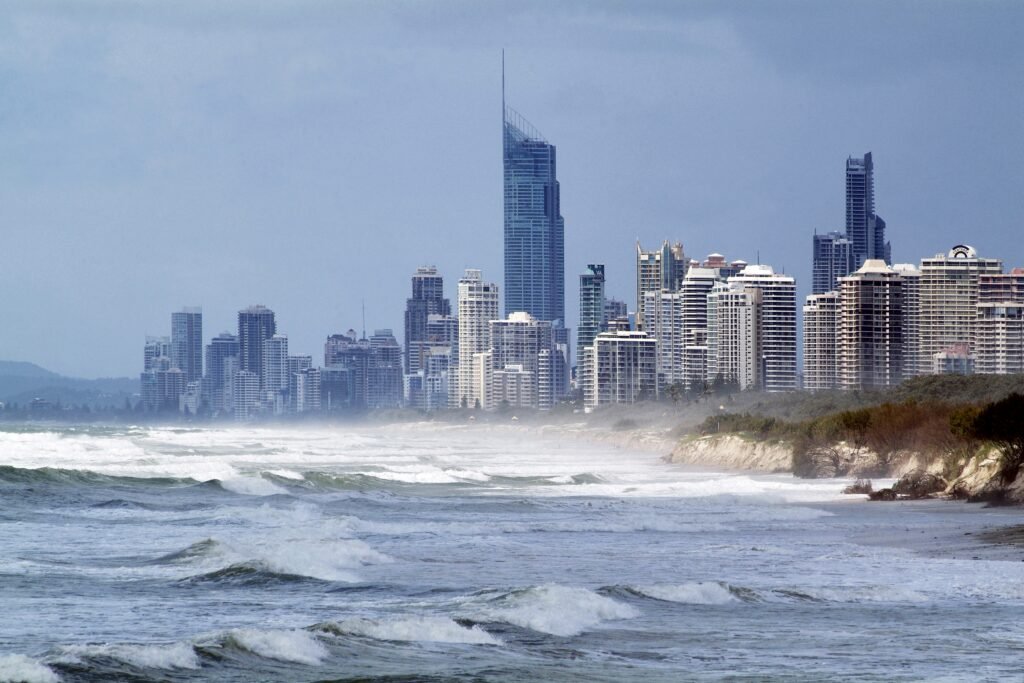
Dimensions of Carrying Capacity Tourism carrying capacity refers to the threshold beyond which additional visitors begin to meaningfully degrade a destination physical environment, ecological systems, local economy, or the social fabric and quality of life experienced by resident populations. Planners typically analyze carrying capacity across several distinct dimensions, including physical capacity, which concerns the literal
Tourism Carrying Capacity Read More »
Tourism carrying capacity is the maximum number of visitors a destination can accommodate at a given time without causing unacceptable deterioration of its physical, ecological, economic, or social environment.
Assessment Categories Tourism impact assessment is the structured process of evaluating how tourism activity and development affect a destination across several interconnected dimensions, typically grouped into economic, environmental, and sociocultural impact categories. Economic impact analysis examines factors such as direct visitor spending, employment generated by tourism businesses, and the degree to which tourism revenue circulates
Tourism Impact Assessment Read More »
Tourism impact assessment is the systematic evaluation of the environmental, economic, and social effects that tourism development or visitor activity has on a destination.
Levels and Objectives Tourism policy and planning encompasses the strategic decisions governments and destination authorities make to shape how tourism develops within their jurisdiction, operating simultaneously at national levels, where broad goals such as overall visitor targets and infrastructure investment priorities are set, and at regional and local levels, where more specific decisions about zoning,
Tourism Policy and Planning Read More »
Tourism policy and planning is the process by which governments and destination authorities establish strategic goals, regulations, and development frameworks to guide the growth and management of tourism in a given area.
Purpose and Methodology A tourism satellite account addresses a fundamental measurement challenge in tourism economics, which is that tourism does not correspond to a single industry category in standard national economic accounting systems, since visitor spending flows across many distinct sectors including transportation, accommodation, food service, and recreation, each of which also serves substantial non-tourism
Tourism Satellite Account Read More »
A tourism satellite account is a standardized statistical framework used by national governments to measure the economic contribution of tourism to a country gross domestic product and employment.
Causes and Consequences Tourism seasonality describes the tendency of visitor arrivals to concentrate heavily in specific periods of the year rather than distributing evenly across all twelve months, a pattern driven primarily by climate conditions that make certain destinations more appealing during particular seasons, combined with school holiday calendars and public holiday scheduling that determine
Tourism Seasonality Read More »
Tourism seasonality refers to the uneven distribution of visitor arrivals and tourism activity across the calendar year, typically concentrated in specific peak periods driven by climate, holidays, or school schedules.
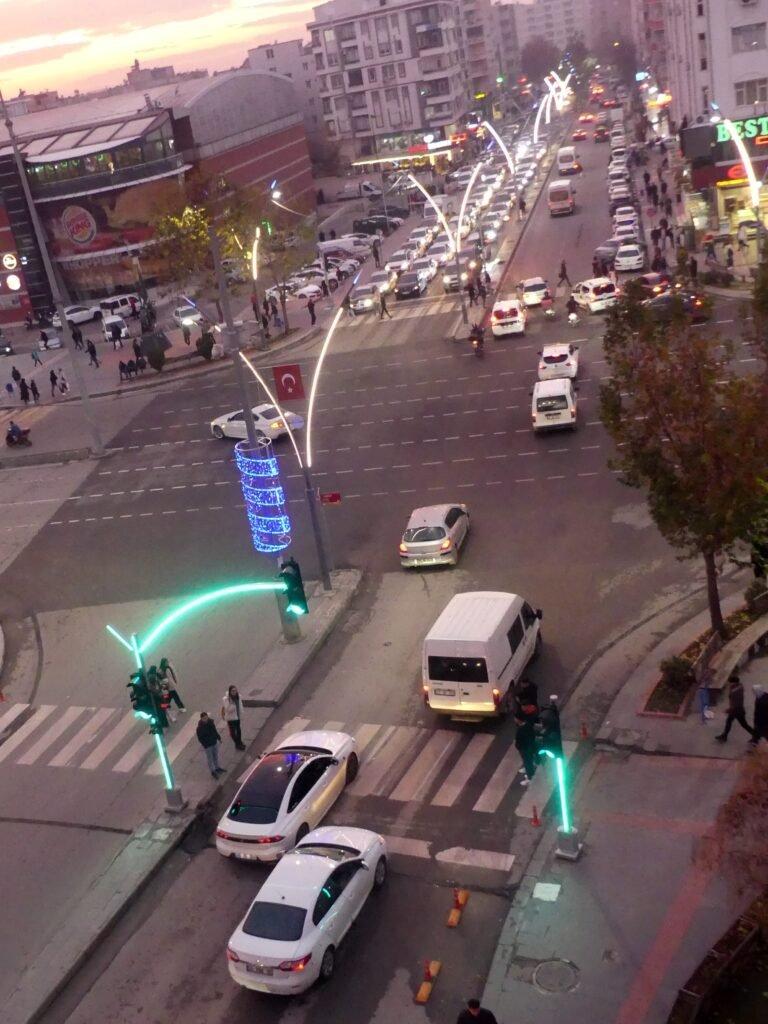
Traffic engineering is the branch of civil engineering concerned with the design, operation, and management of roads, intersections, and traffic control systems to move people and vehicles safely and efficiently. It sits at the intersection of infrastructure design and real-time systems operation, covering everything from how wide a lane should be and where a traffic
Traffic engineering Read More »
The civil engineering discipline that designs and manages roads, intersections, and signals for safe, efficient travel.
Tragedy is a genre of drama, and by extension a broader literary mode, that depicts the serious downfall of a central character, traditionally a person of high status, through a combination of personal failing, circumstance, and forces beyond their full control, producing an outcome that is sorrowful but also meant to provoke deep reflection in
Tragedy Read More »
A genre of drama depicting the serious downfall of a central character through a mix of personal failing and circumstance, meant to provoke deep reflection.