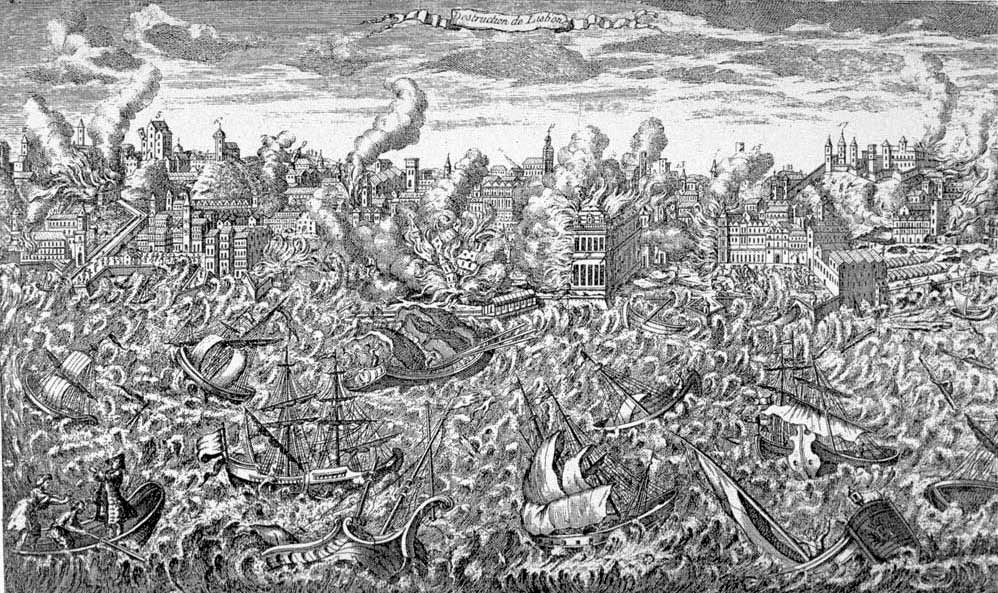
The 1755 Lisbon earthquake was a great earthquake that struck off the coast of Portugal on the morning of 1 November 1755, followed by fires and a tsunami that devastated the capital, Lisbon. Estimates of the dead range from about 10,000 to well over 30,000, and the disaster reshaped European thought, science and city planning.
1755 Lisbon earthquake Read More »
Great Atlantic earthquake of 1 November 1755 that, with fires and a tsunami, destroyed much of Lisbon and killed tens of thousands.
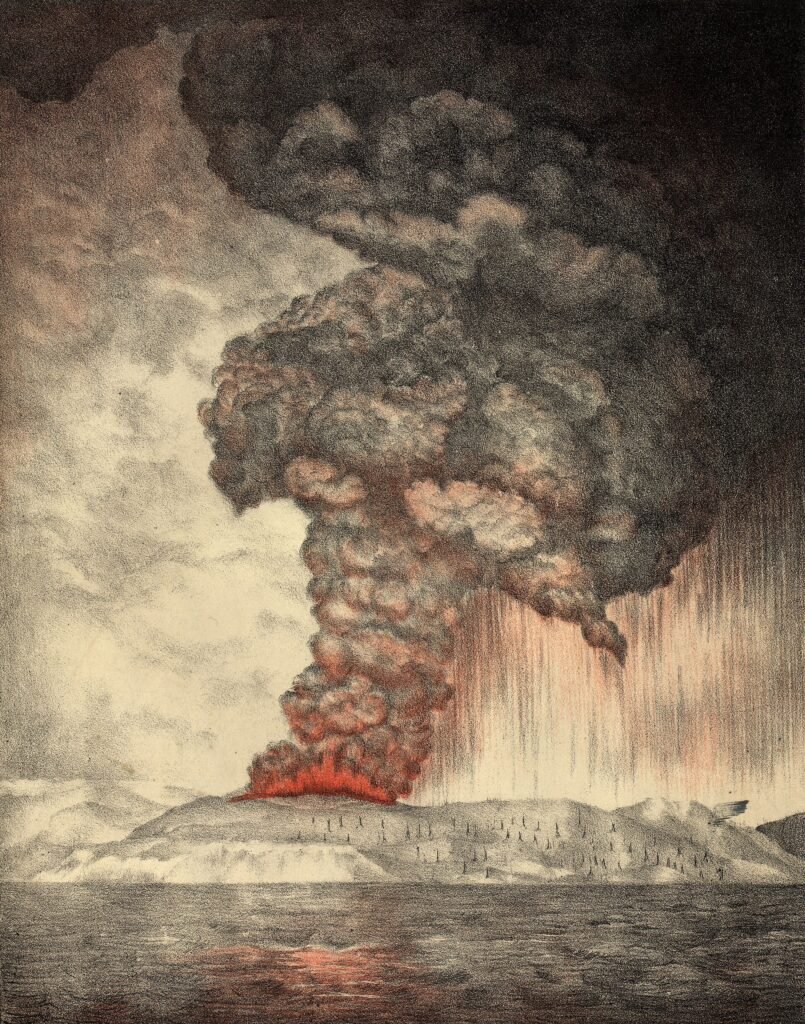
The 1883 eruption of Krakatoa was a catastrophic volcanic explosion in the Sunda Strait, between the Indonesian islands of Java and Sumatra, that reached its peak on 26 and 27 August 1883. It destroyed most of Krakatau Island and killed about 36,000 people, mostly in tsunamis that struck nearby coasts. The blast was heard thousands
1883 eruption of Krakatoa Read More »
Catastrophic volcanic eruption in Indonesia's Sunda Strait on 26 and 27 August 1883 that destroyed most of Krakatau Island and killed about 36,000 people.
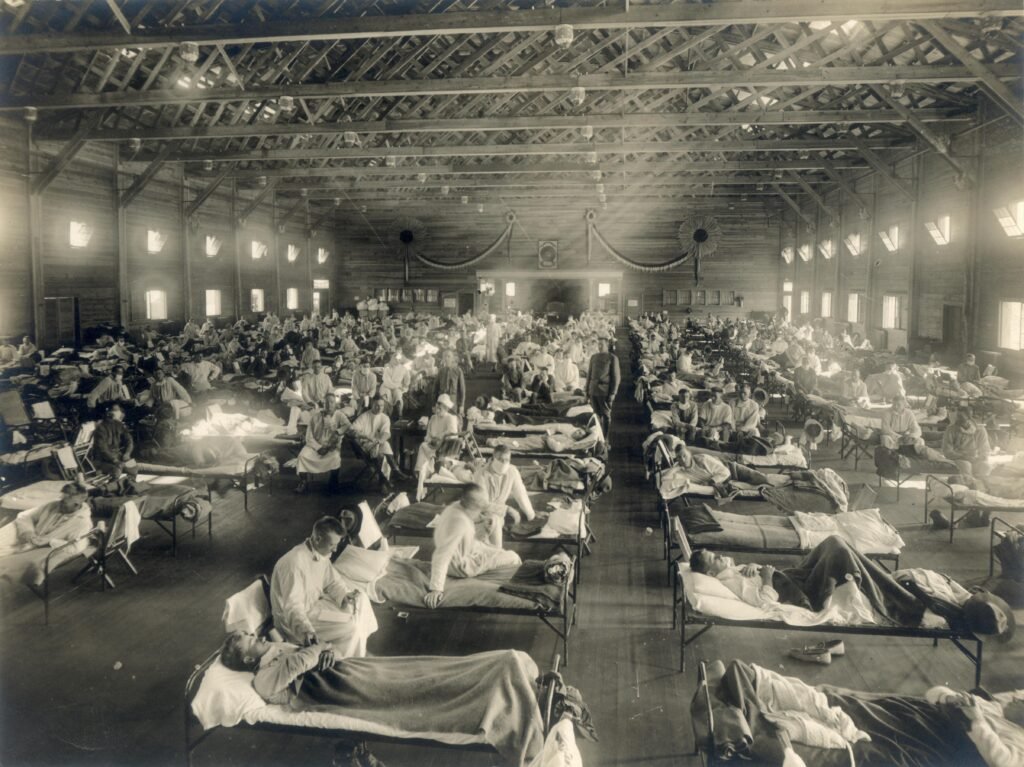
The 1918 influenza pandemic was a worldwide outbreak of influenza A (H1N1) that lasted from 1918 into 1919 and is often called the Spanish flu. The Centers for Disease Control and Prevention (CDC) estimates that about 500 million people, roughly one third of the world’s population, were infected, and that at least 50 million died,
1918 influenza pandemic Read More »
A global H1N1 influenza outbreak in 1918 and 1919 that infected about 500 million people and killed at least 50 million.
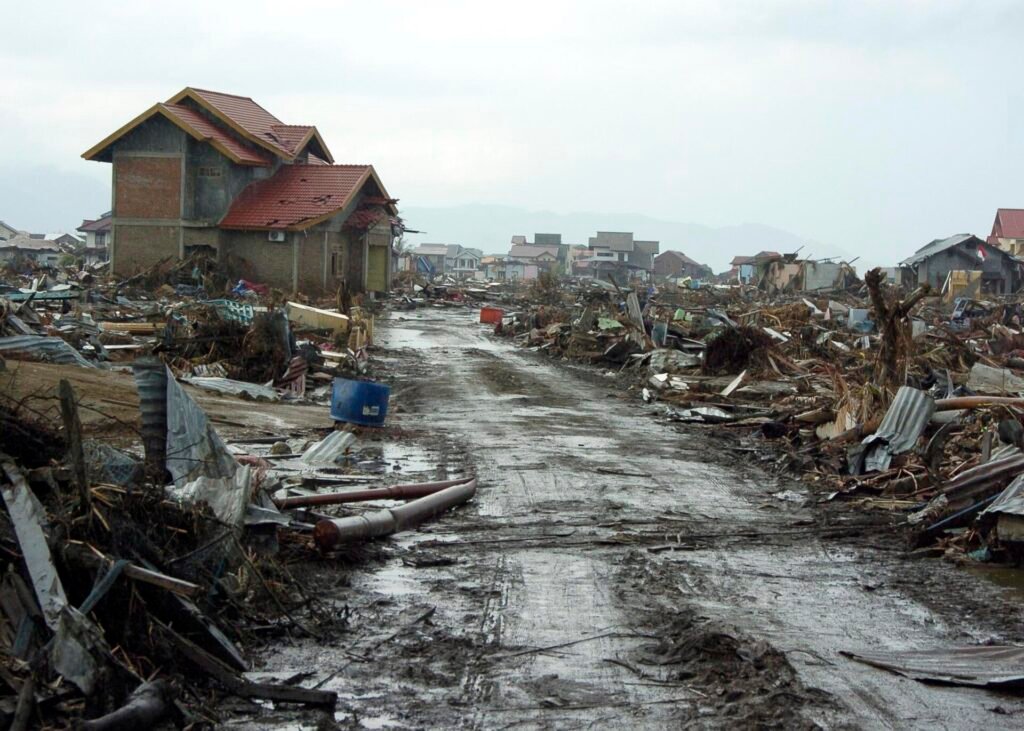
The 2004 Indian Ocean earthquake and tsunami was a magnitude 9.1 undersea earthquake off the west coast of Sumatra, Indonesia, on 26 December 2004, followed by tsunami waves that struck coastlines around the Indian Ocean. The United Nations has estimated that about 227,000 people were killed in fourteen countries, making it the deadliest tsunami in
2004 Indian Ocean earthquake and tsunami Read More »
Magnitude 9.1 undersea earthquake off Sumatra on 26 December 2004 whose tsunami killed an estimated 227,000 people or more in fourteen countries.
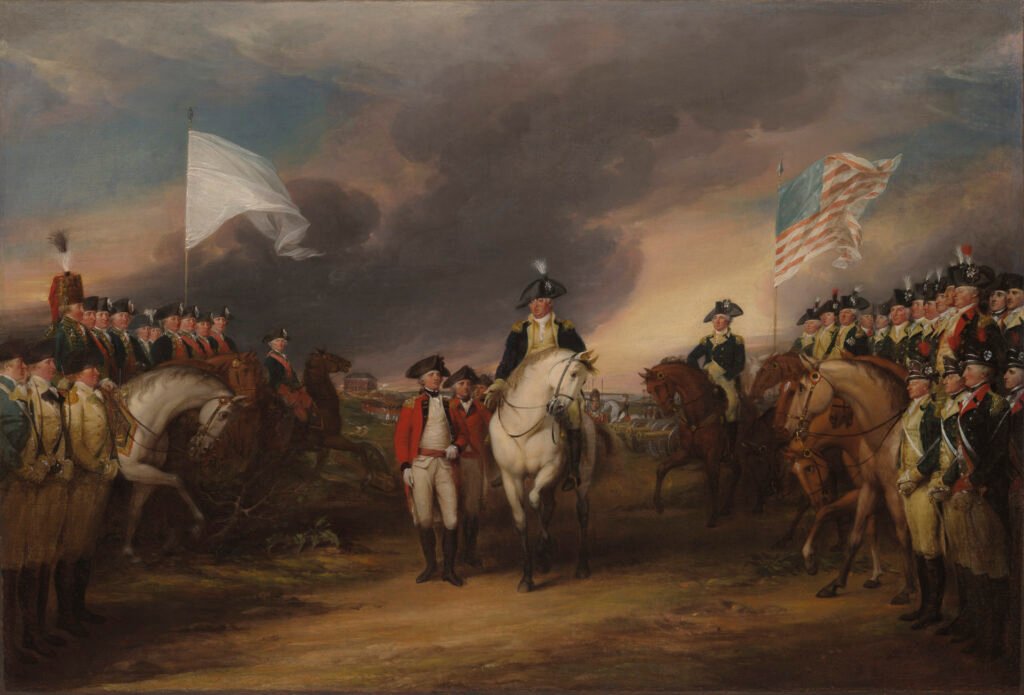
The American Revolution was the political upheaval and war, fought from 1775 to 1783, in which thirteen British colonies in North America broke away from Great Britain and became the United States. It grew out of disputes over taxation and self-government, turned into open war when fighting broke out in Massachusetts on 19 April 1775,
American Revolution Read More »
The American Revolution was the 1775 to 1783 conflict in which thirteen British colonies won independence and formed the United States.
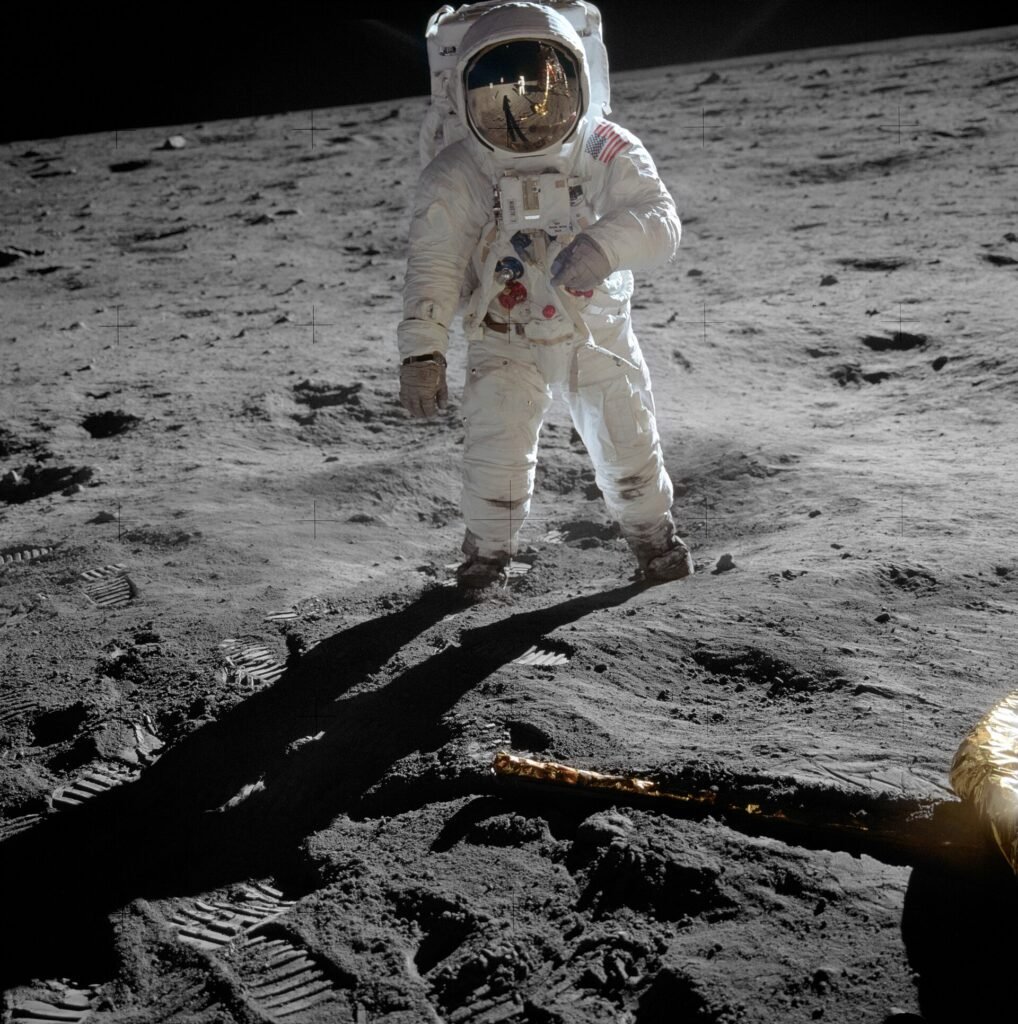
The Apollo 11 moon landing was the first time humans landed on the Moon. The astronauts Neil Armstrong and Buzz Aldrin set the lunar module Eagle down in the Sea of Tranquility on 20 July 1969. [1] The NASA mission met a national goal set by President John F. Kennedy in 1961, and the crew
Apollo 11 moon landing Read More »
The Apollo 11 moon landing was the first crewed landing on the Moon, completed by Armstrong and Aldrin on 20 July 1969.
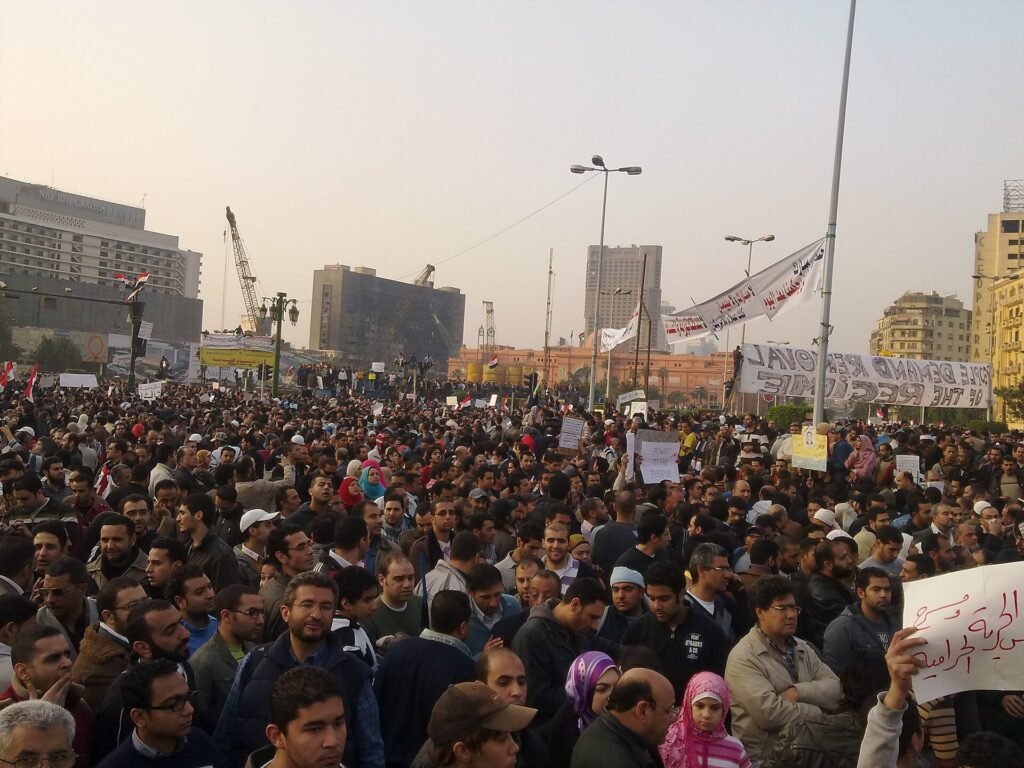
The Arab Spring was a wave of protests and uprisings against authoritarian governments that began in Tunisia in December 2010 and spread across the Middle East and North Africa in 2011. It removed long-serving rulers in Tunisia, Egypt, Libya and Yemen, and it led to civil wars in Libya, Yemen and Syria. Background to the
Arab Spring Read More »
A wave of protests and uprisings that began in Tunisia in December 2010 and toppled rulers in Tunisia, Egypt, Libya and Yemen in 2011.
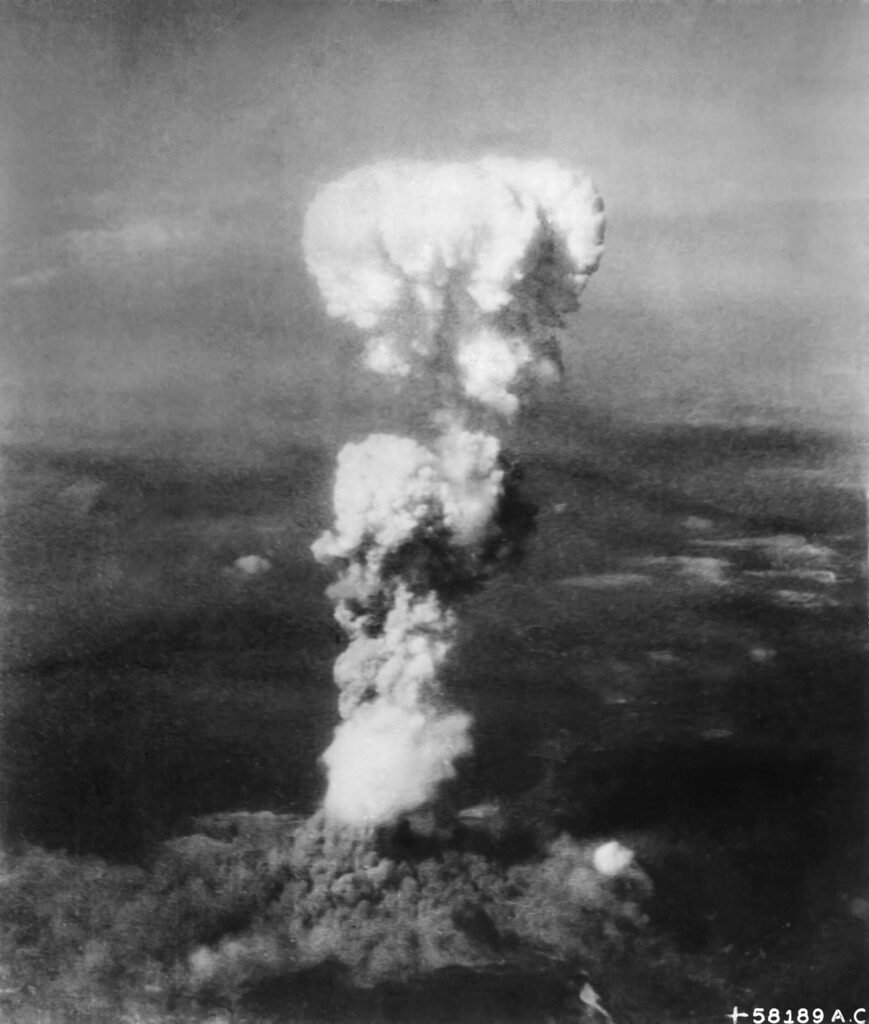
The atomic bombings of Hiroshima and Nagasaki were the first and only uses of nuclear weapons in war. The United States dropped a uranium bomb on Hiroshima on 6 August 1945 and a plutonium bomb on Nagasaki on 9 August 1945, killing tens of thousands of people at once and many more in the following
Atomic bombings of Hiroshima and Nagasaki Read More »
The US atomic bombings of two Japanese cities on 6 and 9 August 1945, the only use of nuclear weapons in war, days before Japan surrendered.
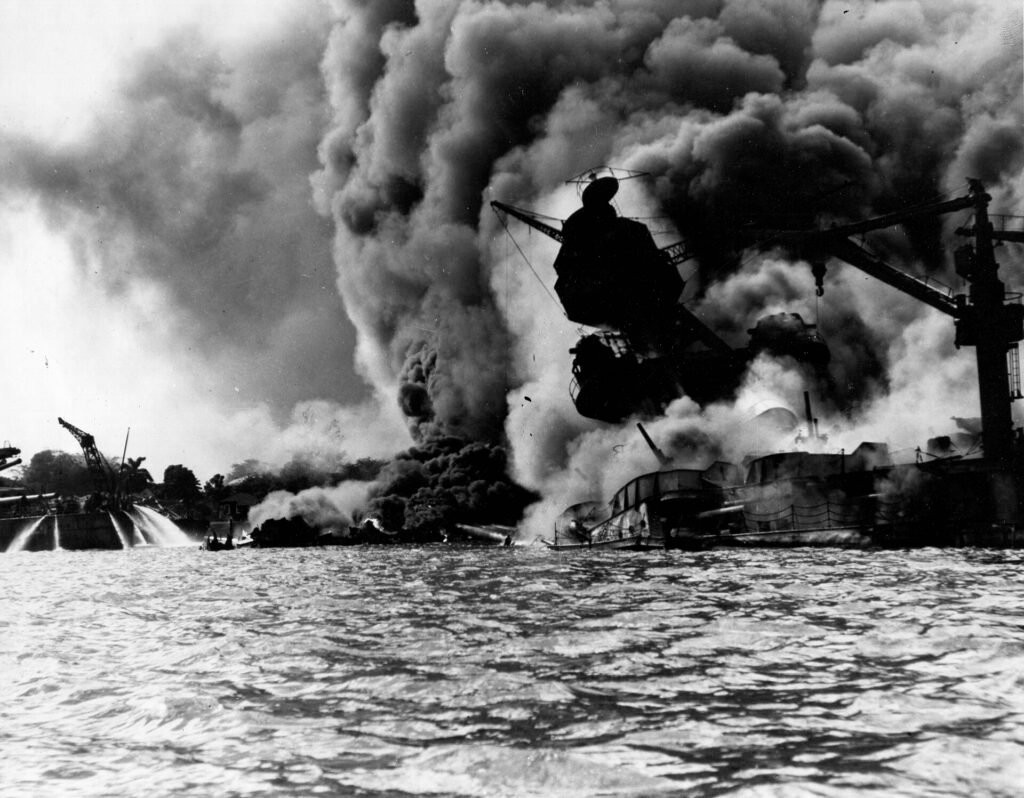
The attack on Pearl Harbor was a surprise Japanese air and naval strike on the United States Pacific Fleet at Oahu, Hawaii, on Sunday, 7 December 1941. More than 2,400 Americans were killed, and the United States entered World War II the following day. The raid sank or damaged many ships and aircraft, but the
Attack on Pearl Harbor Read More »
The surprise Japanese air raid on the US Pacific Fleet in Hawaii on 7 December 1941, which brought the United States into World War II.
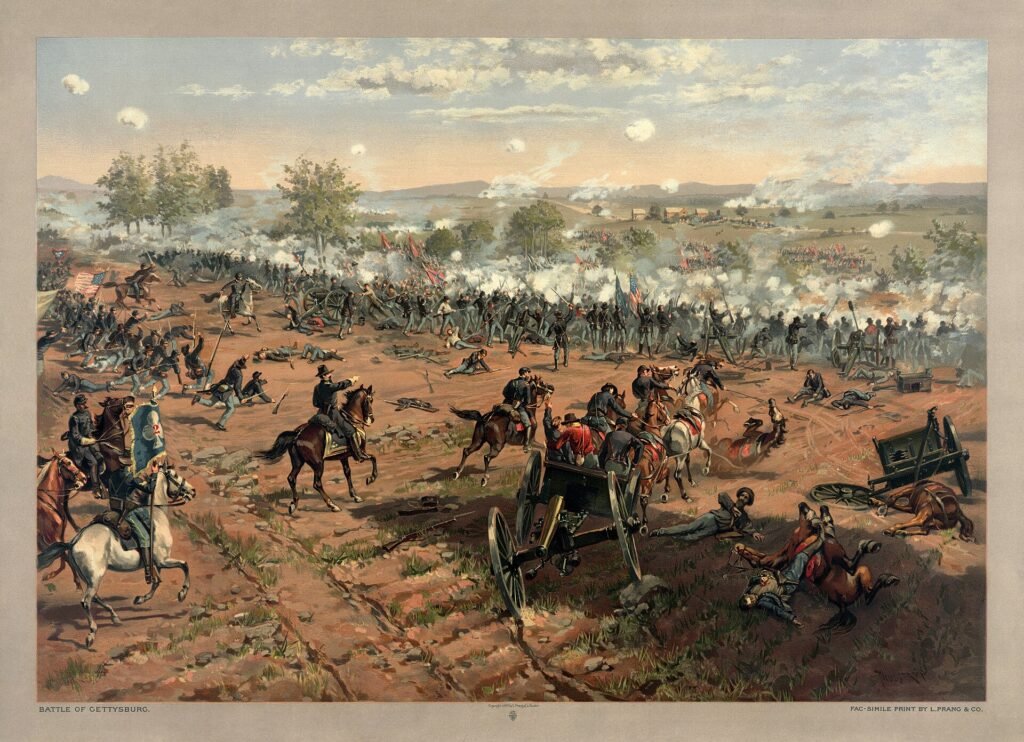
The Battle of Gettysburg was fought from 1 to 3 July 1863 around the town of Gettysburg, Pennsylvania, between the Union Army of the Potomac and the Confederate Army of Northern Virginia. It was the largest battle of the American Civil War and, by most estimates, the bloodiest, with more than 50,000 casualties. The Union
Battle of Gettysburg Read More »
The Battle of Gettysburg was the 1 to 3 July 1863 Civil War battle in Pennsylvania that ended Robert E. Lee's invasion of the North.