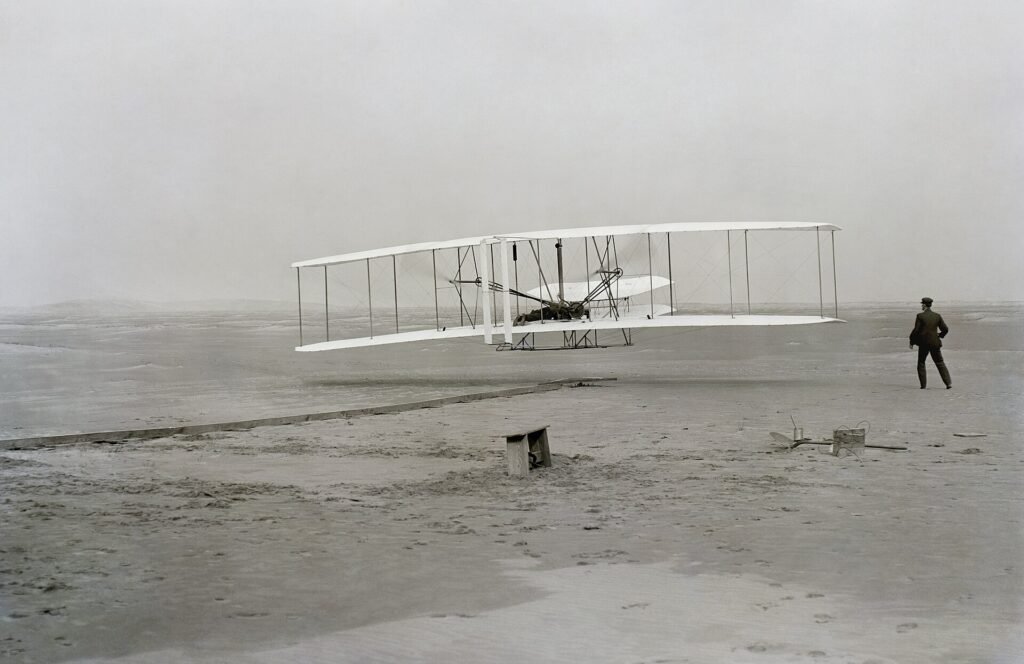
An airplane is a powered, fixed-wing aircraft that is heavier than air and flies because its wings produce lift as it moves forward. The first sustained and controlled flight of such a machine was made by Orville and Wilbur Wright on 17 December 1903 at Kill Devil Hills, near Kitty Hawk, North Carolina. History of
Airplane Read More »
A powered, fixed-wing aircraft heavier than air; the Wright brothers made the first sustained, controlled flight on 17 December 1903.
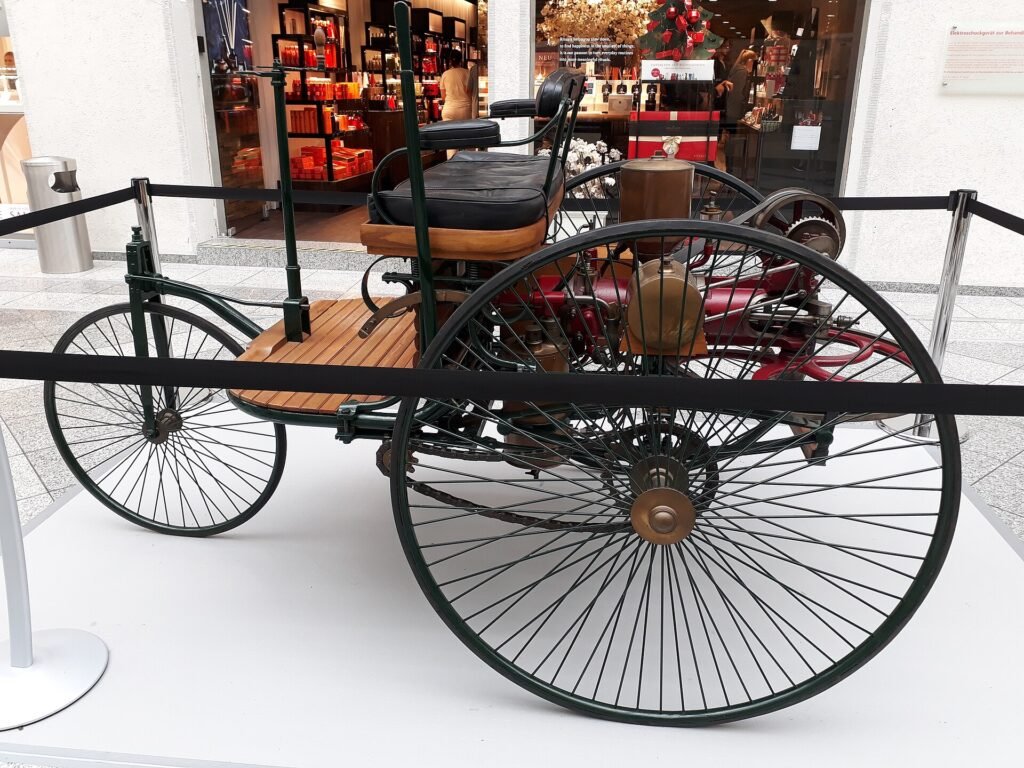
An automobile, or car, is a self-propelled road vehicle designed to carry people, usually with four wheels and its own engine or motor. The Benz Patent-Motorwagen, patented by Karl Benz in 1886, is widely recognized as the first practical automobile, and Henry Ford’s moving assembly line later made cars affordable to millions. History of the
Automobile Read More »
A self-propelled road vehicle for carrying people; the Benz Patent-Motorwagen of 1886 is widely seen as the first practical car.
Bakelite is a hard, heat-resistant plastic made from phenol and formaldehyde, and it was the first fully synthetic plastic. The Belgian-born chemist Leo Baekeland developed it in 1907, and it went on to appear in telephones, radios, car parts and many other everyday goods. History of Bakelite Leo Hendrik Baekeland was born in 1863 and
Bakelite plastic Read More »
The first fully synthetic plastic, a hard, infusible material made from phenol and formaldehyde and developed by Leo Baekeland in 1907.
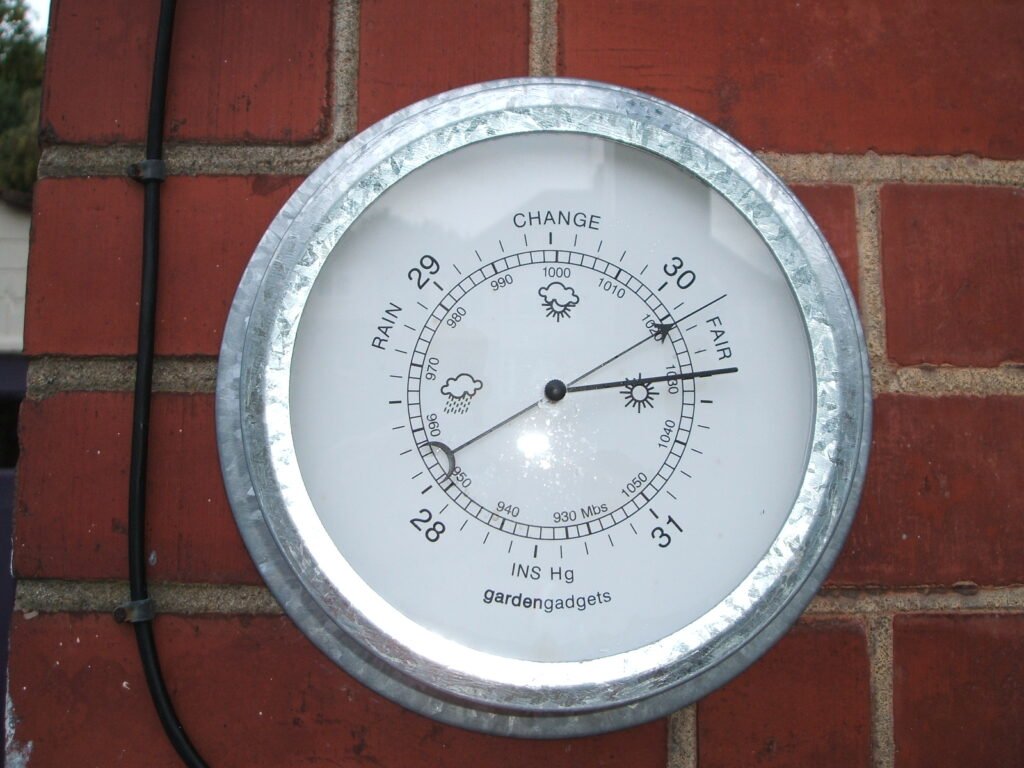
A barometer is an instrument that measures atmospheric pressure, the force of the air pressing on a surface. The first working version, a column of mercury held up in a glass tube, was built in Italy in the 1640s by Evangelista Torricelli. Barometers are now used mainly in weather forecasting and for measuring altitude. History
Barometer Read More »
A barometer measures atmospheric pressure; Torricelli built the first mercury version in the 1640s, and aneroid models followed in 1843.
The Bessemer process is an industrial method of turning molten pig iron into steel by blowing air through it. Patented by the English inventor Henry Bessemer in 1855, it was the first inexpensive way to make steel in large quantities. History of the Bessemer process Before the process existed, only cast iron and wrought iron
Bessemer process Read More »
An industrial method that makes steel from molten pig iron by blowing air through it, patented by Henry Bessemer in 1855.
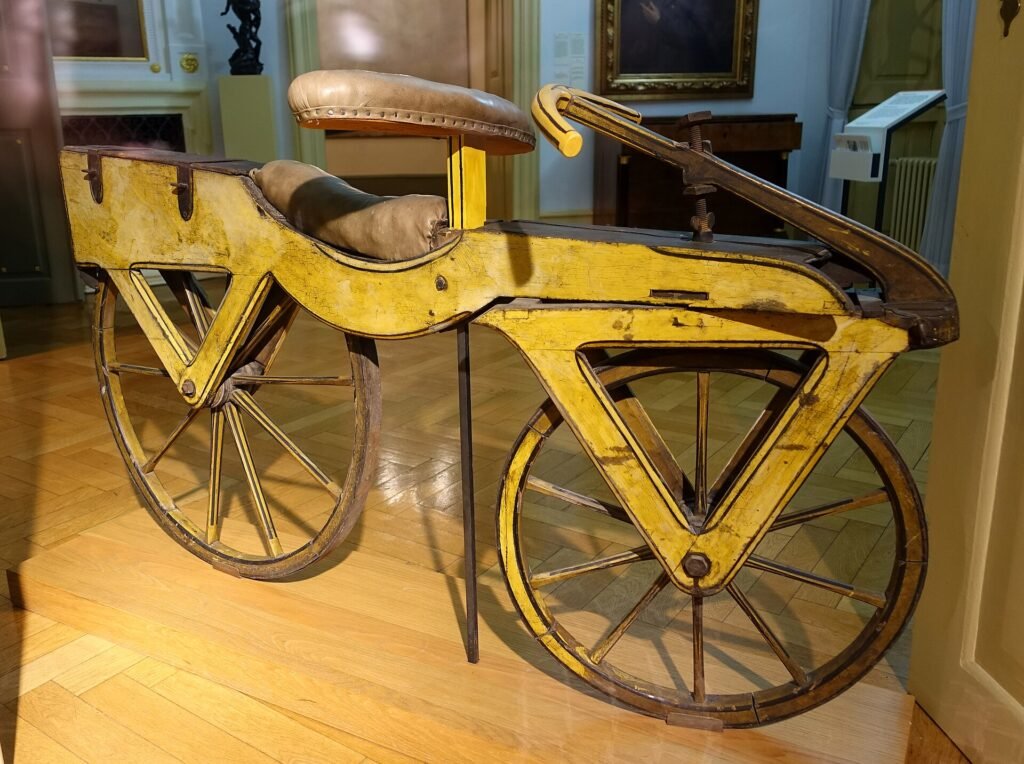
The bicycle is a human-powered vehicle with two wheels in line, a frame, a saddle, handlebars for steering and, in its modern form, pedals that drive the rear wheel through a chain. Its direct ancestor is the wooden running machine that Karl von Drais rode in Mannheim, Germany, on June 12, 1817, and the design
Bicycle Read More »
A two-wheeled, pedal-driven vehicle that grew from Karl von Drais's 1817 running machine into the chain-driven safety bicycle of 1888.
A camera is a device that records an image by focusing light onto a light-sensitive surface, which may be a chemically coated plate or film or an electronic sensor. The idea began with the camera obscura, a darkened chamber that projects a scene through a small opening, and it became photography in the 1820s and
Camera Read More »
A device that records an image by focusing light onto a light-sensitive surface, from early chemical plates to modern electronic sensors.
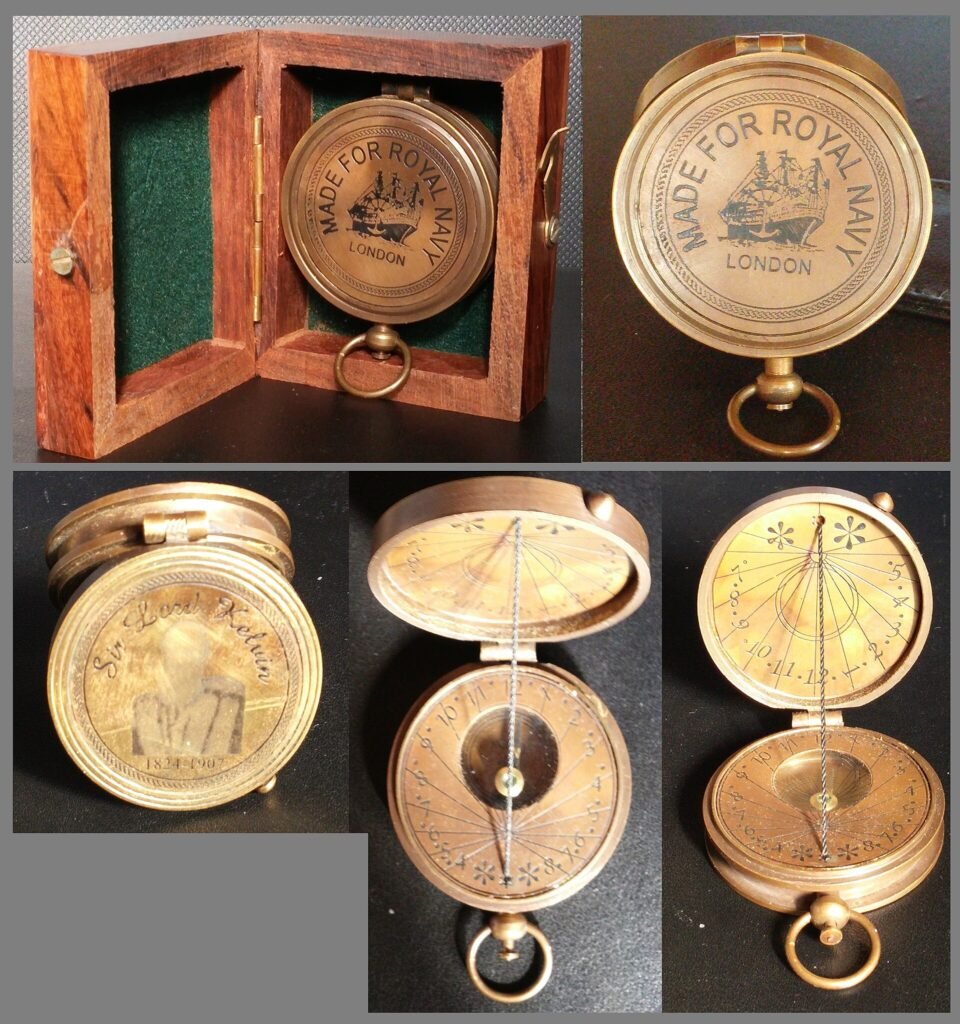
A compass is a navigational instrument with a freely turning magnetized needle or card that lines up with Earth’s magnetic field and so shows direction. Magnetic compasses were first described in China, were being used at sea by the 12th century, and became standard equipment for navigation around the world. History of the compass Lodestone,
Compass Read More »
A navigational instrument whose magnetized needle aligns with Earth's magnetic field to show direction, first described in China.
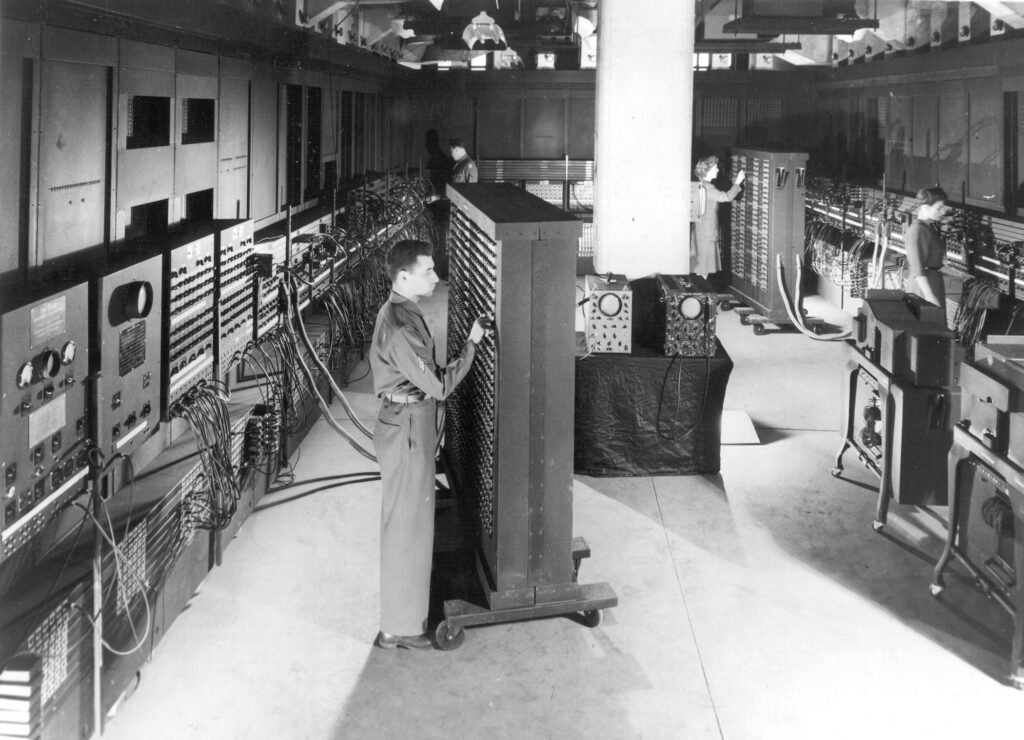
A computer is a machine that carries out arithmetic and logical operations automatically by following a set of instructions called a program. The modern electronic computer took shape during and just after World War II. Which machine counts as the first computer depends on the definition used, because several machines built between the 1930s and
Computer Read More »
A machine that carries out arithmetic and logical operations automatically by following stored instructions, with no single inventor.
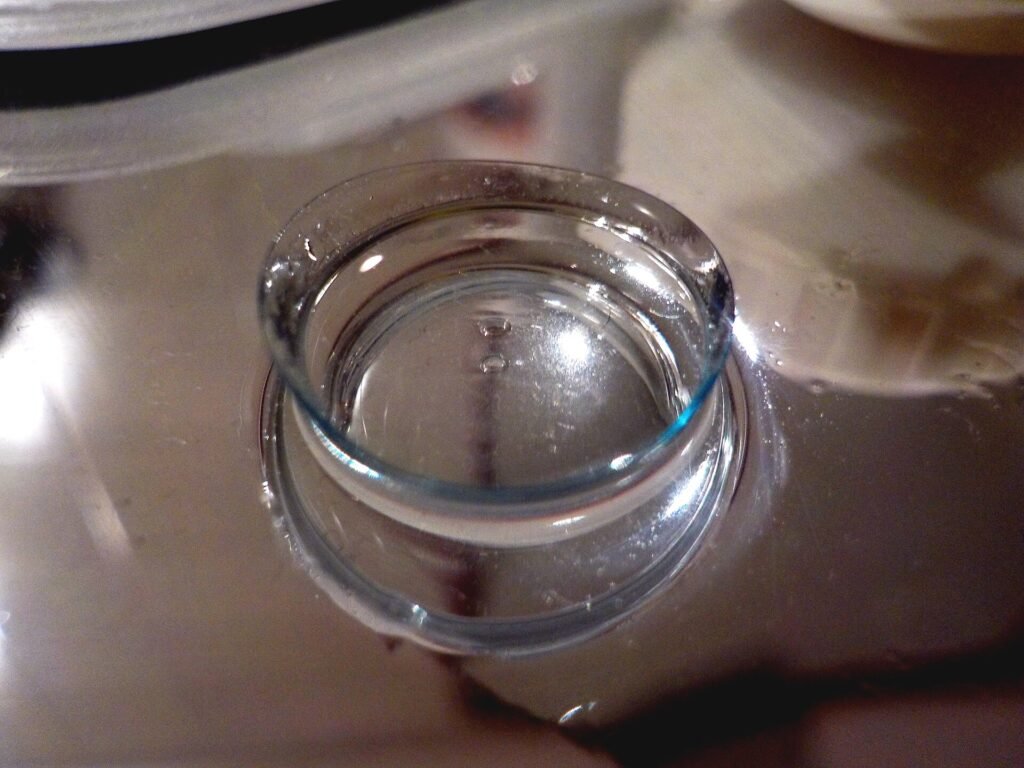
A contact lens is a thin lens worn on the eye to correct vision, and the Czech chemist Otto Wichterle is credited with the soft hydrogel lens that most wearers use today. The U.S. Food and Drug Administration (FDA) groups lenses into two general categories, soft and rigid gas permeable. The history involves several earlier
Contact lens Read More »
A contact lens is a thin lens worn on the eye to correct vision, with soft hydrogel versions developed by Otto Wichterle.