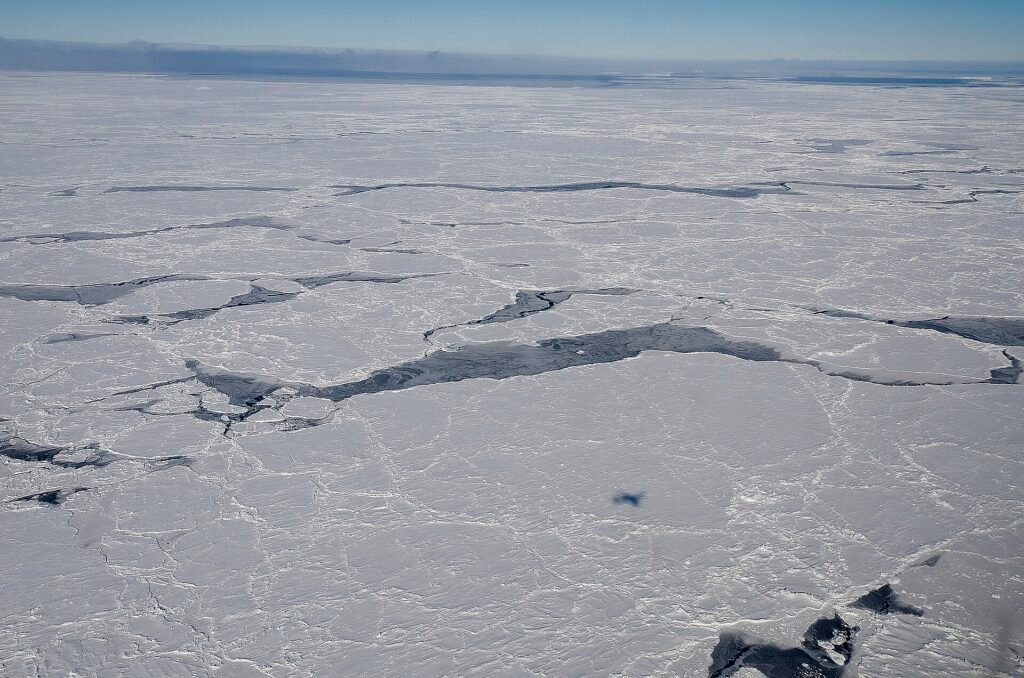
Antarctica was first sighted by people in January 1820, during voyages by Russian and British ships that had set out to explore the far southern ocean. Fabian von Bellingshausen is generally credited with the earliest sighting, but other captains were close behind, and who came first has long been disputed. Background For centuries geographers had
Discovery of Antarctica Read More »
Antarctica was first sighted in January 1820, most likely by Fabian von Bellingshausen, with Edward Bransfield seeing the peninsula days later.
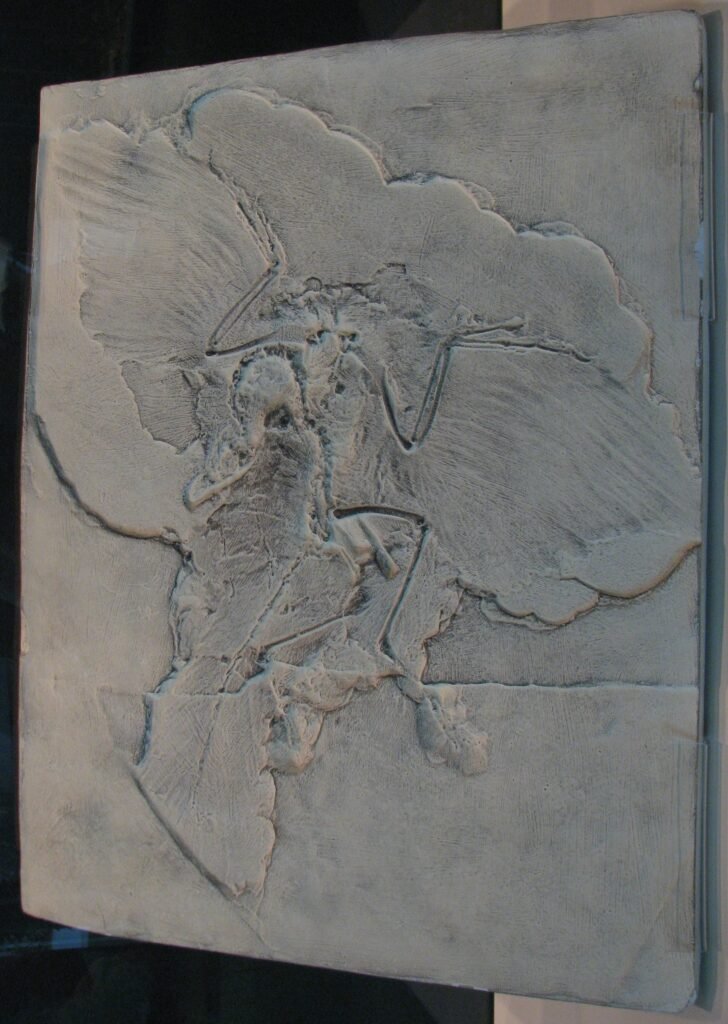
Archaeopteryx is a small feathered dinosaur of the Late Jurassic whose fossils were first found in 1861 in the Solnhofen limestone of Bavaria, Germany. The find combined dinosaur and bird features in one animal and became one of the best-known examples of a transitional fossil. Background The Solnhofen Limestone is a fine-grained rock formed about
Discovery of Archaeopteryx Read More »
The 1861 find of feathered fossils in Bavaria showed an animal with both dinosaur and bird features, now a classic transitional fossil.
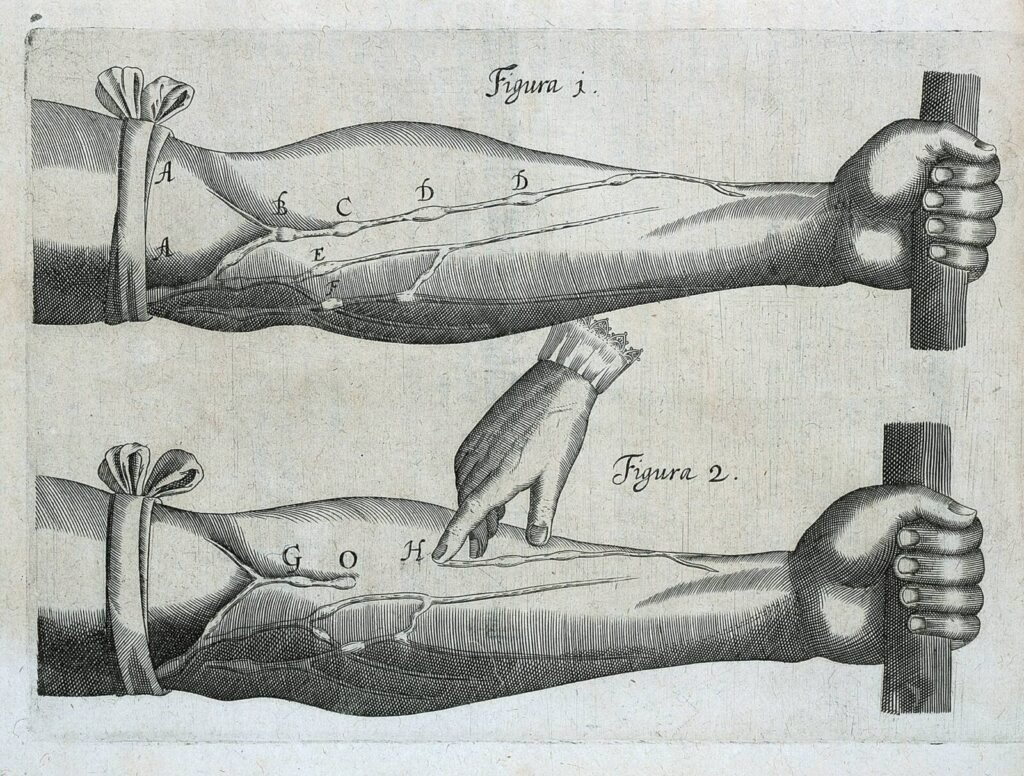
The discovery of blood circulation was the demonstration, published by the English physician William Harvey in 1628, that the heart pumps blood in a continuous loop around the body. Before Harvey, most physicians believed the body made blood from food and used it up. His short book De Motu Cordis overturned a view of the
Discovery of blood circulation Read More »
Seventeenth-century demonstration by William Harvey that the heart pumps blood in a continuous circuit around the body.
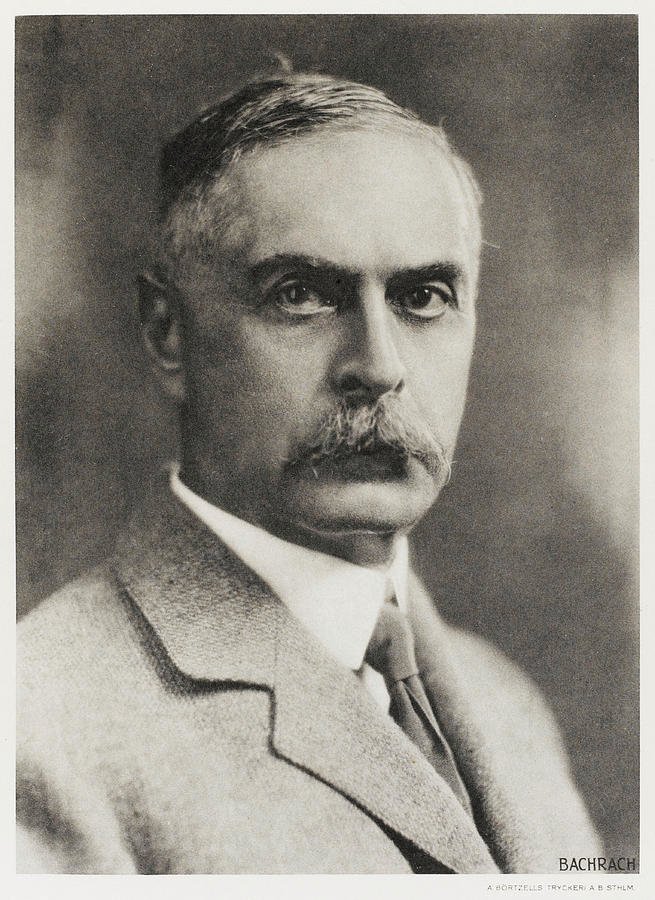
The discovery of blood types was Karl Landsteiner’s finding in 1901 that human blood falls into distinct groups, now called the ABO system, because the red blood cells of some people clump when mixed with the blood serum of others. It explained why many early transfusions failed, made safe transfusion possible and earned him the
Discovery of blood types Read More »
The 1901 finding by Karl Landsteiner that human blood falls into groups, which explained failed transfusions and made safe transfusion possible.
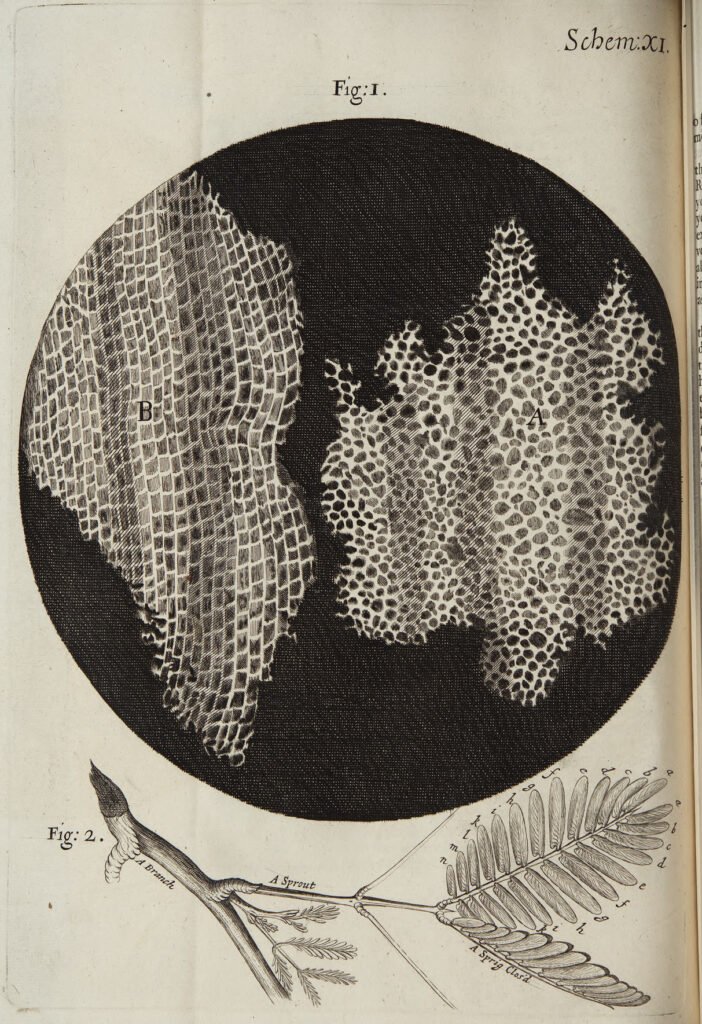
The discovery of cells began in 1665, when the English scientist Robert Hooke examined a thin slice of cork under a microscope and described its honeycomb-like chambers as “cells.” A few years later the Dutch merchant Antony van Leeuwenhoek became the first person to observe living single-celled organisms, which he called animalcules. Their work opened
Discovery of cells Read More »
The 1665 description of cork cells by Robert Hooke and the 1670s observation of living microorganisms by Antony van Leeuwenhoek.
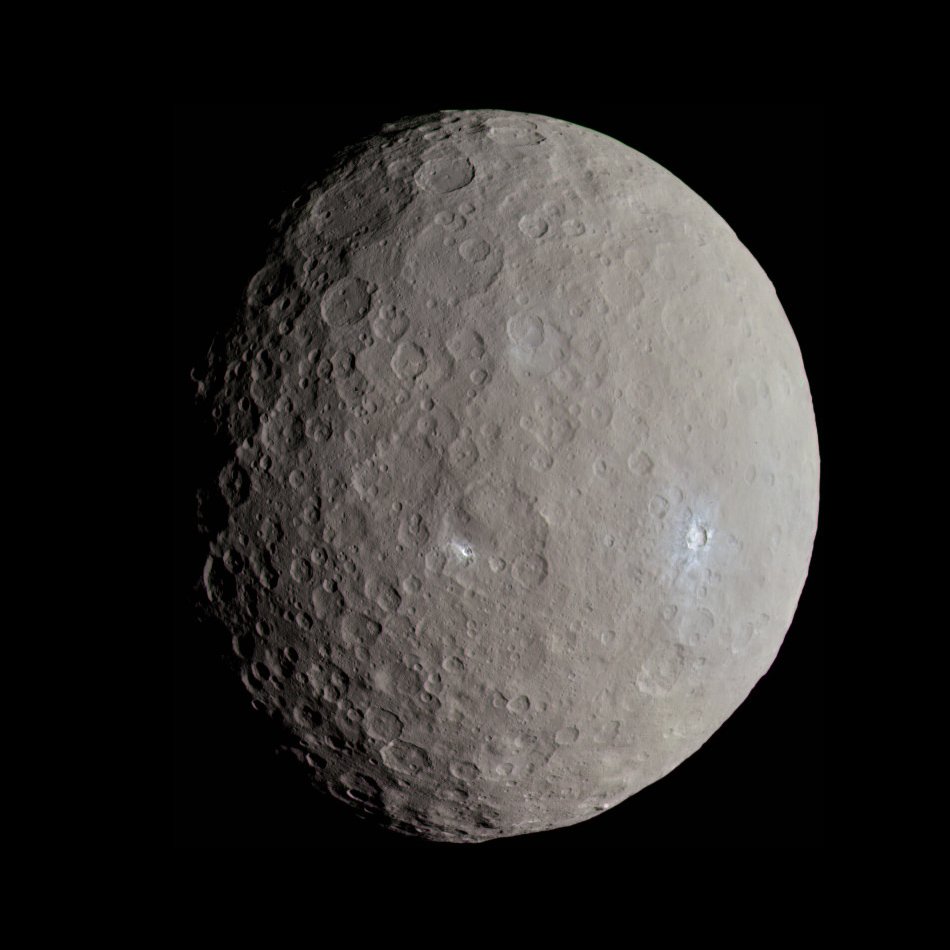
The discovery of Ceres was the first sighting of a body in what is now called the asteroid belt. The Italian astronomer Giuseppe Piazzi found it from the Palermo Observatory in Sicily on 1 January 1801. It was first counted as a planet, later grouped with the asteroids, and reclassified as a dwarf planet in
Discovery of Ceres Read More »
The sighting of Ceres by Giuseppe Piazzi on 1 January 1801, the first body found in the asteroid belt, now a dwarf planet.
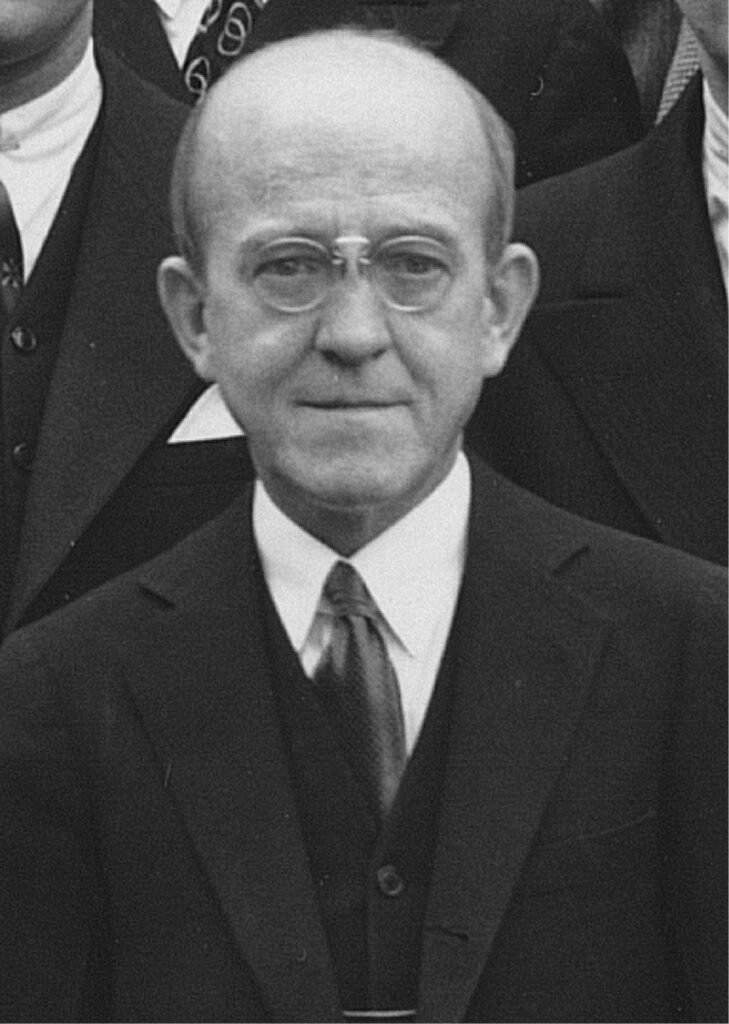
The discovery of DNA as genetic material was a series of experiments between 1928 and 1952 that showed that deoxyribonucleic acid, and not protein, carries hereditary information. Frederick Griffith’s 1928 bacterial transformation experiment set the stage, Oswald Avery, Colin MacLeod and Maclyn McCarty identified DNA as the active substance in 1944, and Alfred Hershey and
Discovery of DNA as genetic material Read More »
The 1928 to 1952 experiments by Griffith, Avery, MacLeod, McCarty, Hershey and Chase that showed DNA, not protein, carries heredity.
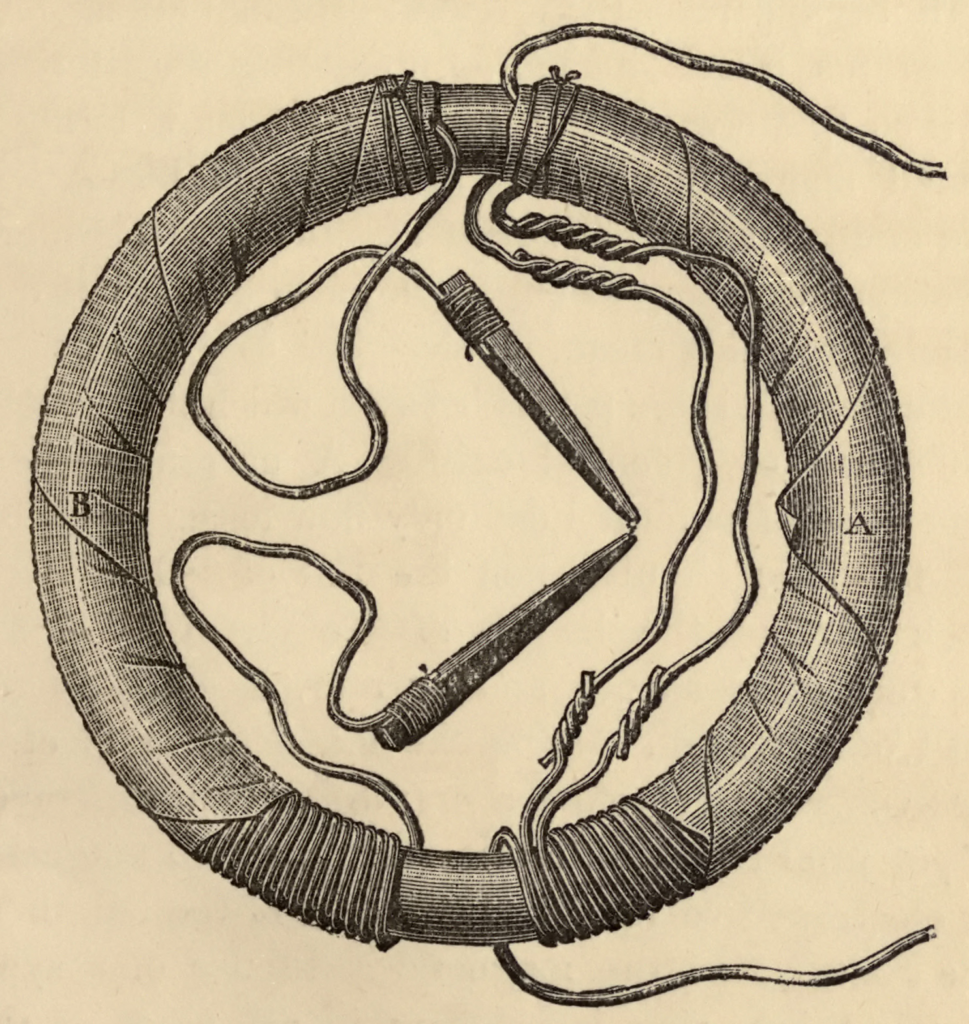
Electromagnetic induction is the production of an electric current by a changing magnetic field, an effect Michael Faraday demonstrated in 1831. It is the principle behind generators and transformers and therefore behind almost all electric power. Background During the 1820s Faraday tried to discover how to make electricity from magnetism. Hans Christian Ørsted had shown
Discovery of electromagnetic induction Read More »
Michael Faraday’s 1831 finding that a changing magnetic field produces an electric current, the principle behind generators and transformers.
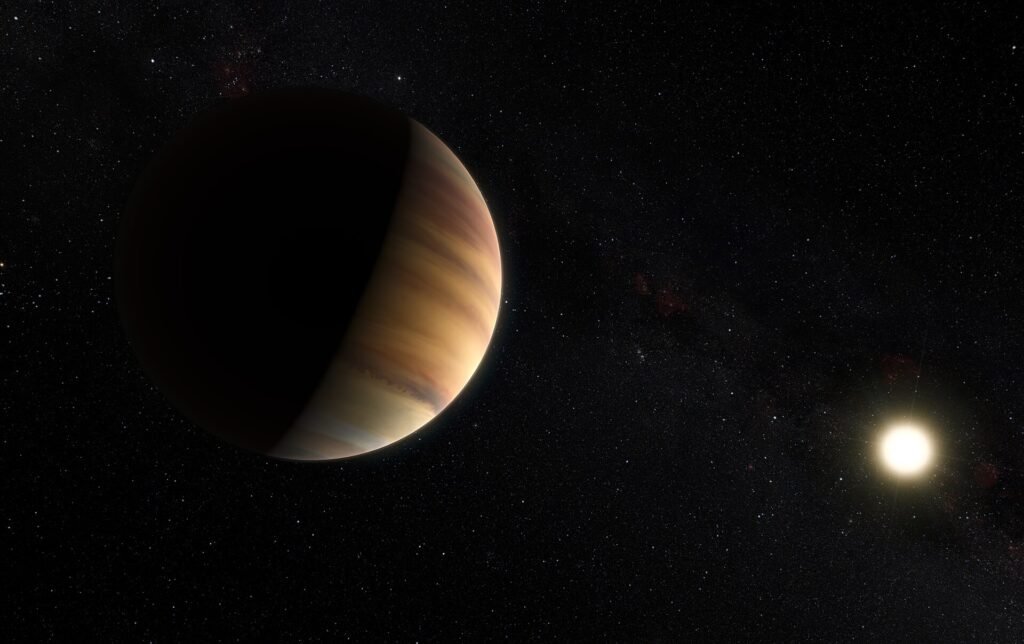
The discovery of exoplanets, planets that orbit stars other than the Sun, entered a new phase on 6 October 1995, when Michel Mayor and Didier Queloz announced 51 Pegasi b. It was the first planet confirmed around a Sun-like star. Since then, NASA has confirmed more than 6,000 exoplanets, and Mayor and Queloz shared the
Discovery of Exoplanets Read More »
The 1995 announcement of 51 Pegasi b by Michel Mayor and Didier Queloz, the first planet confirmed around a Sun-like star outside our solar system.
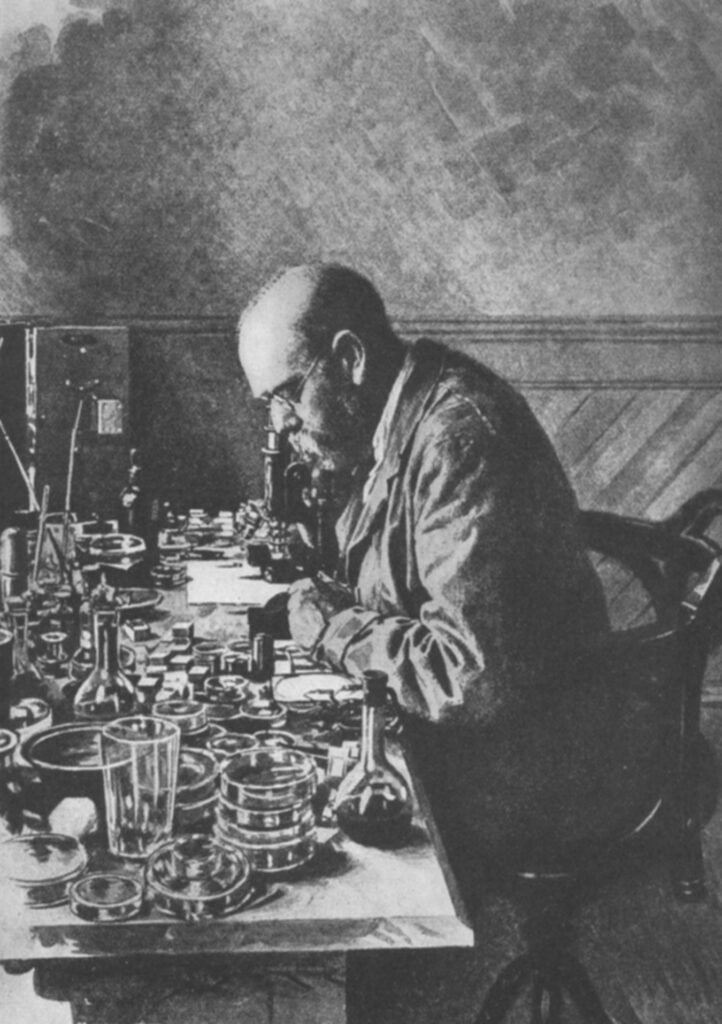
The discovery of germ theory was the 19th-century recognition that specific microorganisms cause specific infectious diseases. It grew from the work of Ignaz Semmelweis, John Snow, Louis Pasteur and Robert Koch, and it replaced the older belief that disease arose from bad air. Background For most of history the dominant explanation was miasma theory, the
Discovery of germ theory Read More »
The 19th-century finding that specific microbes cause infectious disease, built on the work of Semmelweis, Snow, Pasteur and Koch.