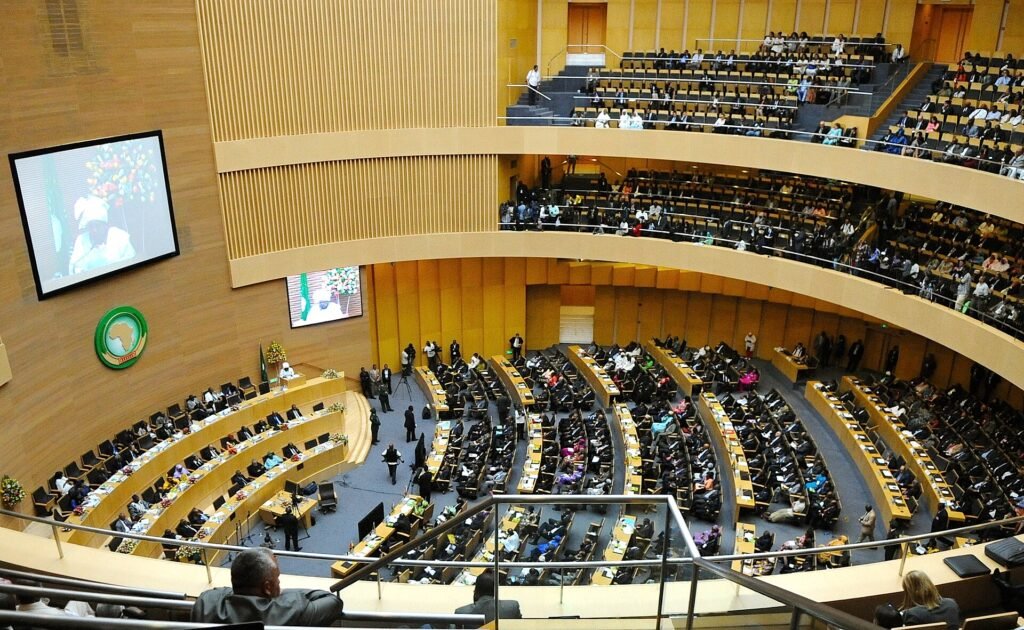
The African Union, or AU, is a continental organization of 55 member states that works for political and economic integration, peace and development across Africa. It was officially launched in July 2002 in Durban, South Africa, as the successor to the Organisation of African Unity. Its secretariat, the AU Commission, is based in Addis Ababa,
African Union Read More »
The African Union is a continental organization of 55 member states, launched in 2002 to promote African integration, peace and development.
Amnesty International is a global human rights movement that researches abuses, campaigns for victims and presses governments and companies to respect people’s rights. It was founded in London in 1961 by the British lawyer Peter Benenson and received the Nobel Peace Prize in 1977. History of Amnesty International Amnesty International began in 1961 as a
Amnesty International Read More »
Amnesty International is a global human rights movement, founded in London in 1961, that researches abuses and campaigns to end them.
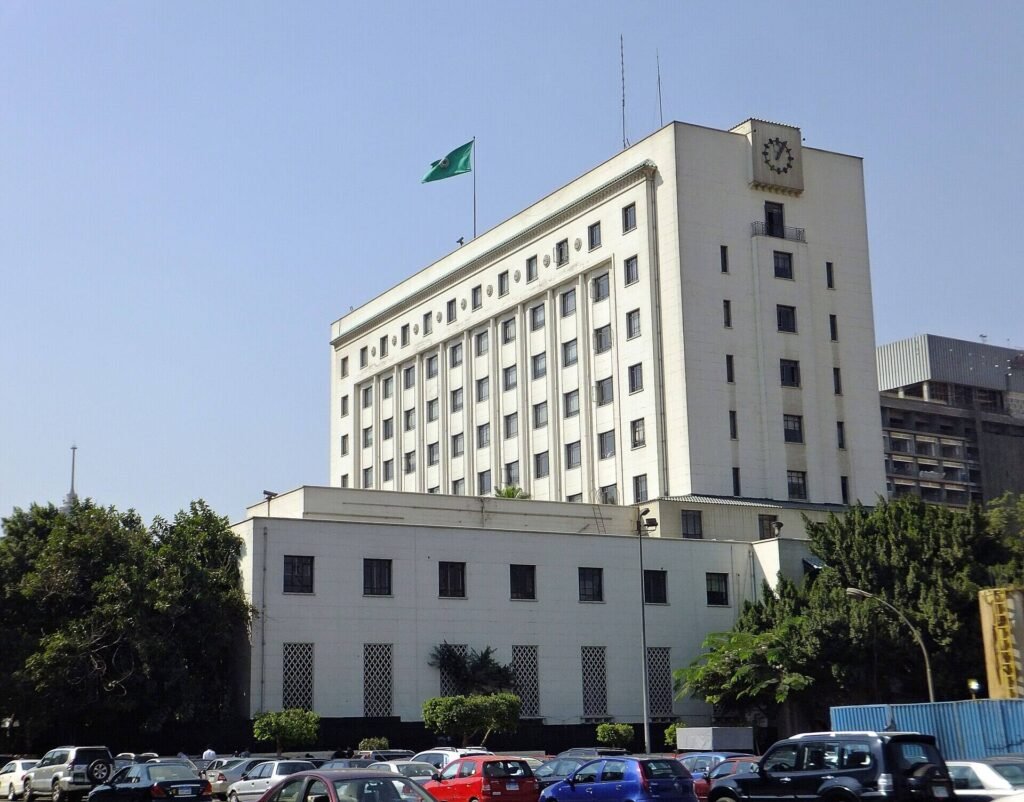
The League of Arab States, usually called the Arab League, is a regional organization of Arab countries founded in Cairo in 1945. Its founding Pact commits members to closer cooperation on political, economic, cultural and social matters while safeguarding each member’s independence and sovereignty. The organization has 22 members. History of the Arab League Arab
Arab League Read More »
The Arab League is a regional organization of 22 Arab states founded in Cairo in 1945 to coordinate political, economic and cultural cooperation.
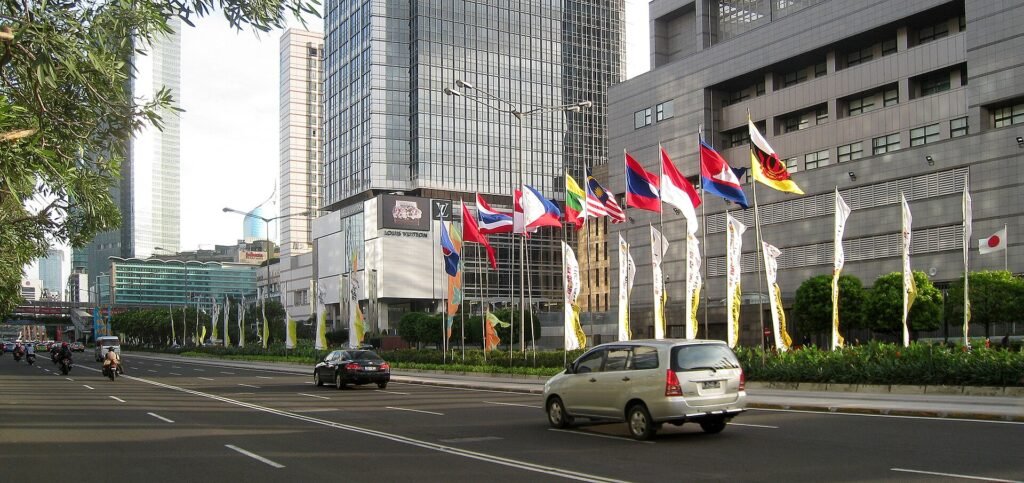
The Association of Southeast Asian Nations, or ASEAN, is a regional organization of 11 member states that promotes economic, political and security cooperation in Southeast Asia. It was established on 8 August 1967 in Bangkok, Thailand, and its secretariat is in Jakarta, Indonesia. Timor-Leste became the 11th member on 26 October 2025. History of ASEAN
ASEAN Read More »
ASEAN is a regional organization of 11 Southeast Asian countries, founded in Bangkok in 1967 to promote economic, political and security cooperation.
The Centers for Disease Control and Prevention (CDC) is the national public health agency of the United States, headquartered in Atlanta, Georgia. It is one of the major operating components of the Department of Health and Human Services, and it tracks disease, investigates outbreaks and publishes health data and guidance. History of the CDC The
Centers for Disease Control and Prevention Read More »
The Centers for Disease Control and Prevention is the national public health agency of the United States, based in Atlanta since its founding in 1946.
CERN, the European Organization for Nuclear Research, is an intergovernmental laboratory on the Franco-Swiss border near Geneva that studies the fundamental particles of matter. Founded in 1954, it has 25 member states and operates the Large Hadron Collider, the world’s largest and most powerful particle accelerator. History of CERN CERN’s origins go back to the
CERN Read More »
CERN is the European intergovernmental particle physics laboratory near Geneva, founded in 1954, home to the Large Hadron Collider.
The Commonwealth of Nations, usually called the Commonwealth, is a voluntary association of 56 independent countries across Africa, Asia, the Americas, Europe and the Pacific. It has its roots in the British Empire, and its modern form dates from the London Declaration of April 1949. About 2.7 billion people live in Commonwealth countries, and its
Commonwealth of Nations Read More »
The Commonwealth of Nations is a voluntary association of 56 independent countries, rooted in the British Empire and modernized by the 1949 London Declaration.
Doctors Without Borders, known internationally as Médecins Sans Frontières (MSF), is an independent medical humanitarian organization that provides emergency health care to people affected by conflict, epidemics, disasters and exclusion from care. It was founded in Paris in 1971 by a group of doctors and journalists and received the Nobel Peace Prize in 1999. History
Doctors Without Borders Read More »
Doctors Without Borders, or Médecins Sans Frontières, is an independent medical humanitarian organization founded in Paris in 1971.
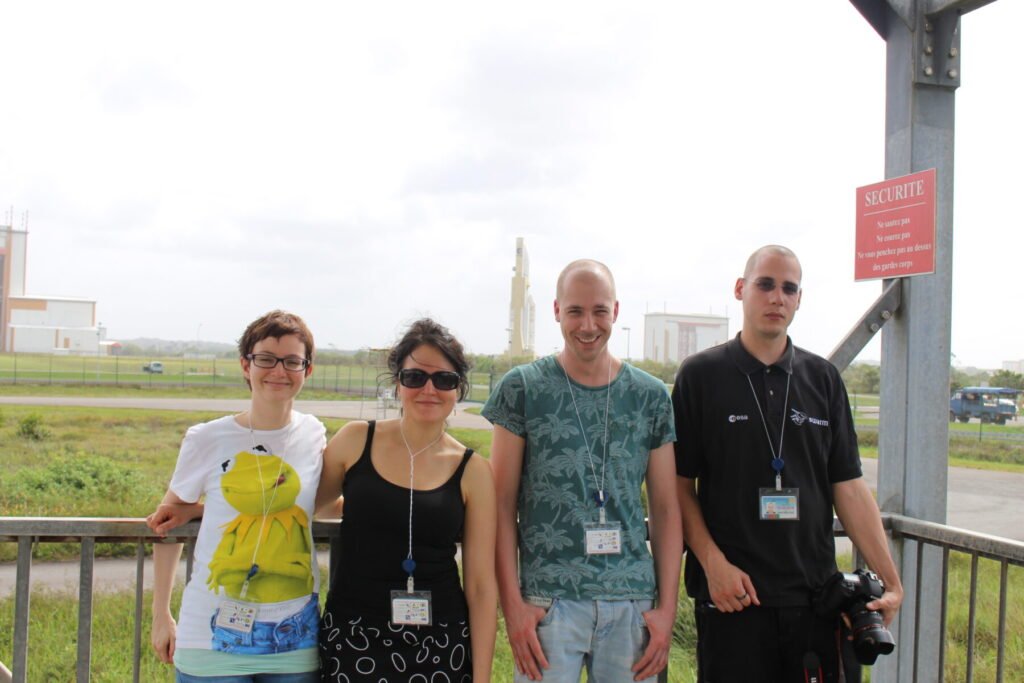
The European Space Agency (ESA) is an intergovernmental organization, headquartered in Paris, through which European countries pool their money and expertise for space science, Earth observation, launchers and human spaceflight. Its convention was signed on 30 May 1975 by ten founding states, and it now has 23 member states. History of the European Space Agency
European Space Agency Read More »
The European Space Agency is an intergovernmental organization in Paris through which 23 European states run joint space science, launcher and Earth observation programs.
The European Union, or EU, is a political and economic union of 27 European countries that share common institutions, a single market and, for many members, a common currency. It grew out of the European Coal and Steel Community of 1951 and was formally created by the Maastricht Treaty, signed on 7 February 1992. Its
European Union Read More »
The European Union is a political and economic union of 27 European countries with a single market, shared institutions and a common currency for many members.