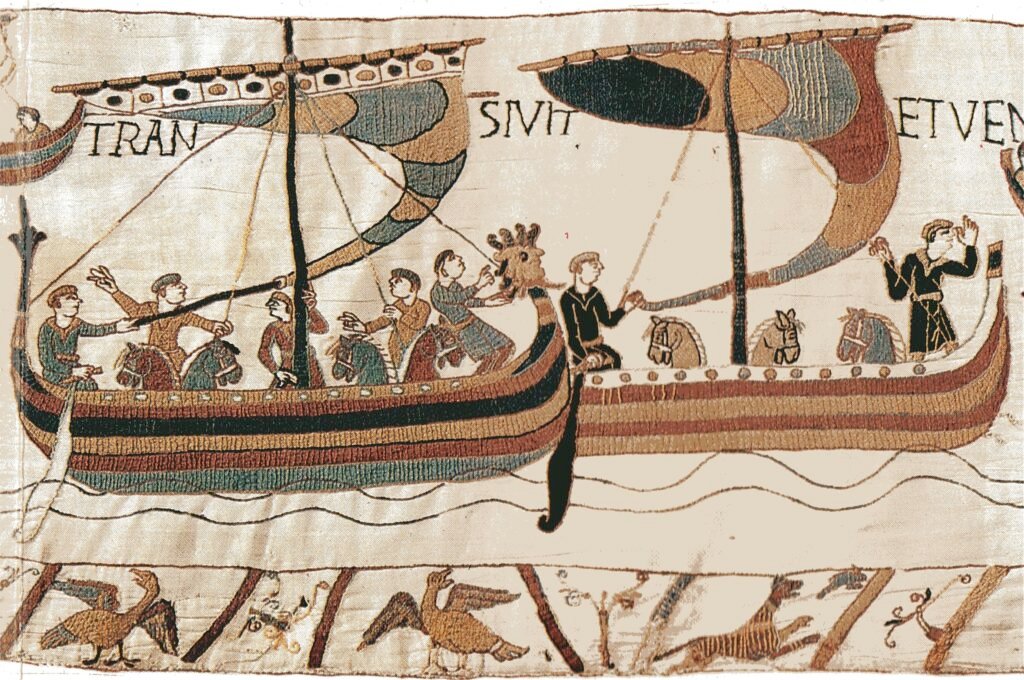
William the Conqueror Lands in England
A duke with a disputed claim to a foreign throne rowed ashore at a quiet English bay, and within three weeks a king was dead and a country’s ruling class had changed for good.
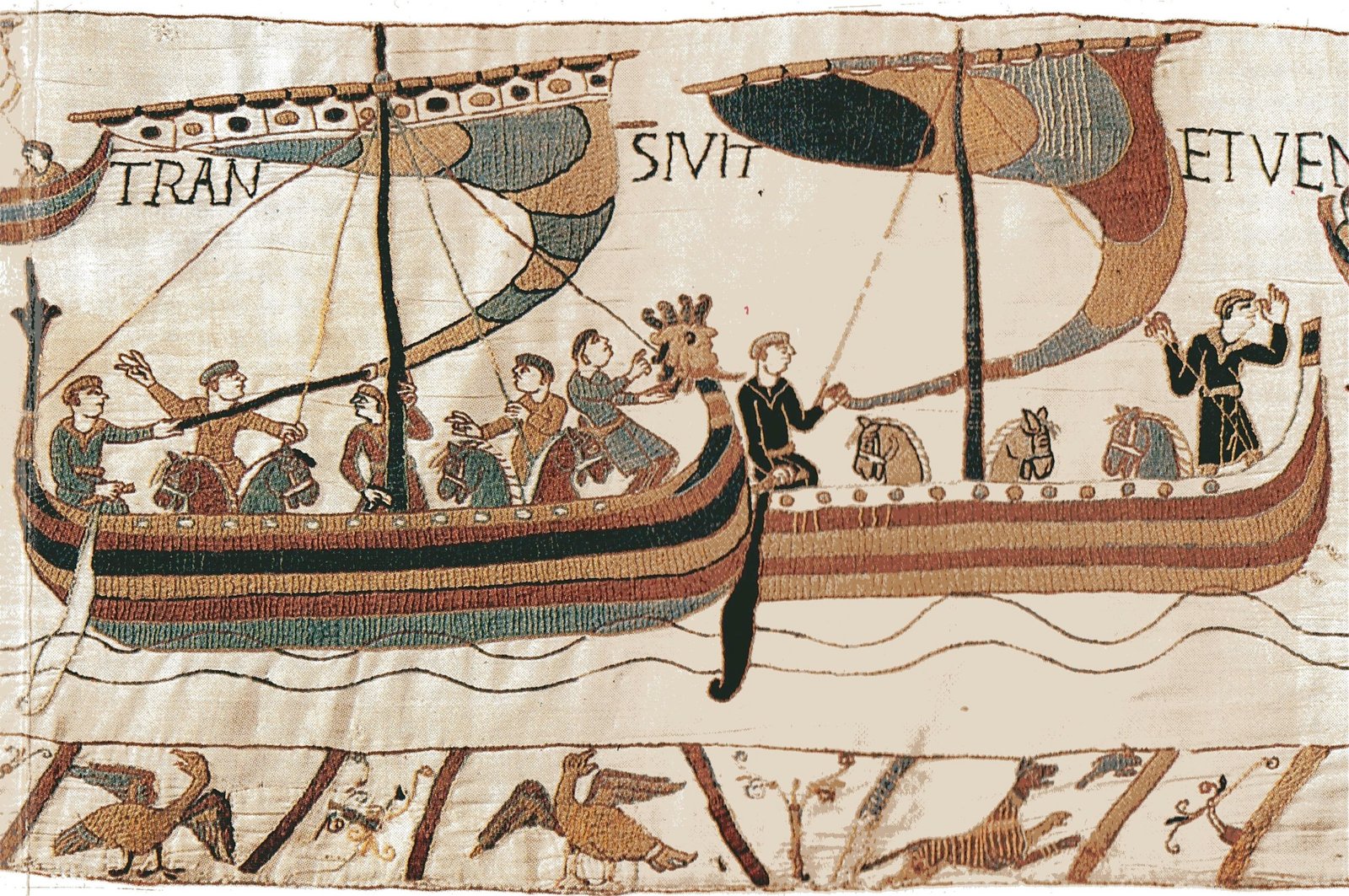
On September 28, 1066, William, Duke of Normandy, landed his invasion fleet at Pevensey Bay on England’s south coast, three days after King Harold II had crushed a Norwegian invasion far to the north at Stamford Bridge. William’s troops fortified the site’s old Roman fort walls, then marched east toward Hastings to wait.
Harold marched his exhausted army roughly two hundred miles south in under two weeks to meet the new threat, arriving with no time to rest. On October 14, he was killed at the Battle of Hastings, and William claimed the English crown.
Conquest that lasts rarely ends with the battle. William secured a fortified beachhead and supply line before Harold’s army even arrived, then followed his victory with decades of castle building and the exhaustive Domesday land survey, the paperwork that made a military win permanent.
People Behind the Story
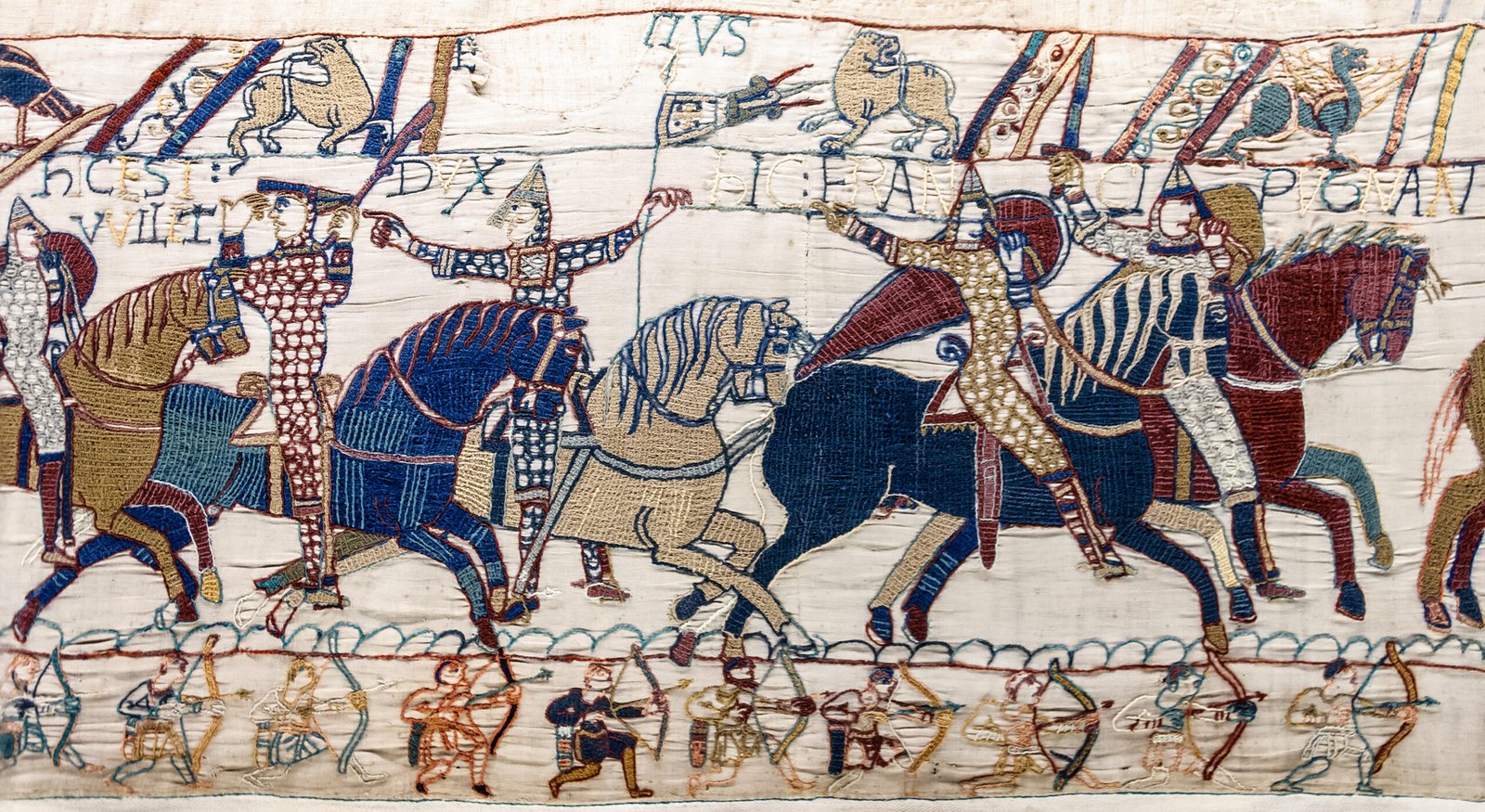
Claimed the English throne on the strength of a promise he said King Edward the Confessor made him years earlier. Contemporary chroniclers put his invasion fleet at 700 to 1,000 ships, though historians consider that inflated; modern estimates size his army at 7,000 to 12,000 men.
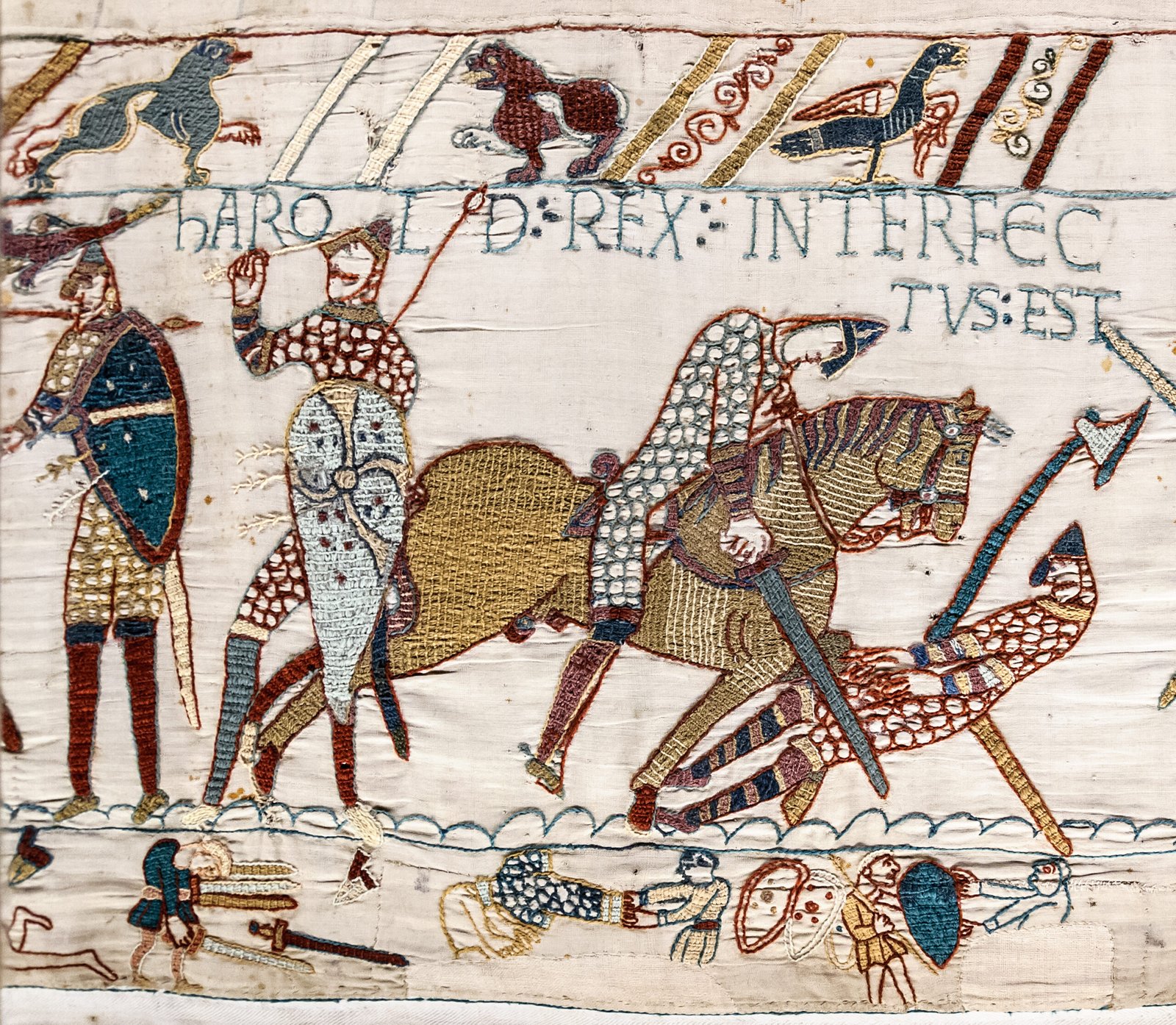
Crowned king in January 1066 after Edward’s death, Harold had just destroyed a separate Norwegian invasion at Stamford Bridge on September 25. He marched his army south to face William instead of waiting for reinforcements, and died with two of his brothers at Hastings on October 14.
Key Moments
King Harold II destroys an invading Norwegian army under Harald Hardrada at the Battle of Stamford Bridge in Yorkshire.
William’s fleet lands at Pevensey Bay; his forces fortify the old Roman fort there and march on toward Hastings.
Harold’s army is defeated at the Battle of Hastings. The king and two of his brothers, Gyrth and Leofwine, are killed in the fighting.
William is crowned King of England at Westminster Abbey.
The Domesday Book records the ownership of nearly every parcel of land in England, the survey that turned military conquest into lasting administrative control.
Did you know? Within twenty years of the conquest, only two of the roughly 4,000 Anglo-Saxon landowners recorded before 1066 still held their estates; nearly all the rest had passed to about 200 Norman nobles and 100 bishops and monasteries.