Defining and Measuring Animal Welfare
Animal welfare science applies rigorous empirical methods to assess the physical and psychological wellbeing of animals under human care, moving the concept of welfare from a purely philosophical or intuitive judgment toward a measurable, evidence-based discipline. Researchers in this field draw on physiology, ethology, and increasingly cognitive science to develop indicators that can reliably distinguish between animals experiencing good welfare and those experiencing poor welfare, even when the animals themselves cannot directly report their internal state.
The Five Domains Model
The Five Domains model, developed by welfare scientists, provides a widely adopted framework organizing welfare assessment into nutrition, environment, health, behavior, and the resulting mental state these four physical domains collectively produce. This structure explicitly links physical conditions to the animal’s subjective experience, recognizing that welfare ultimately concerns how an animal feels, while still grounding assessment in observable, measurable physical and behavioral indicators rather than unverifiable claims about animal consciousness.
Physiological and Behavioral Indicators
Welfare scientists measure physiological stress indicators such as cortisol levels, heart rate variability, and immune function markers alongside behavioral indicators including stereotypic repetitive behaviors, which often signal chronic stress or understimulation in captive or confined animals. No single indicator provides a complete picture of welfare status, so researchers typically combine multiple measures to build a more reliable composite assessment, recognizing that any individual measure can be influenced by factors unrelated to welfare, such as normal physiological variation or acute, non-chronic stress responses.
Positive Welfare and Quality of Life
Contemporary welfare science increasingly emphasizes assessing positive experiences, including play behavior, exploration, and voluntary engagement with enriching stimuli, rather than focusing exclusively on minimizing negative states such as pain, fear, and hunger. This shift reflects growing recognition that an absence of suffering does not necessarily equate to good welfare, and that animals likely benefit from genuinely positive experiences in ways that matter for their overall quality of life beyond simple survival and basic needs satisfaction.
Applications Across Animal Use Contexts
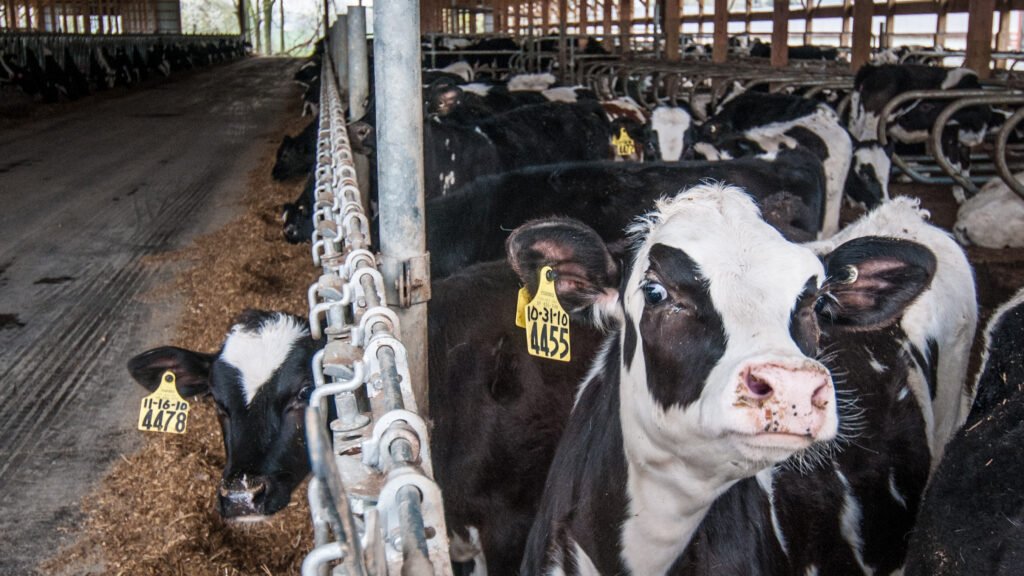
Animal welfare science informs practice across diverse contexts, including agriculture, zoos, laboratories, and companion animal care, each presenting distinct welfare challenges and assessment needs. Welfare scientists work with industry groups, regulators, and certification bodies to translate research findings into practical welfare standards and assessment protocols, bridging the gap between academic research and the real-world conditions under which animals are kept, handled, and cared for across these varied settings.
Training and Professionalization of Welfare Science
Animal welfare science has grown into a recognized academic discipline, with dedicated university programs, peer-reviewed journals, and professional societies supporting rigorous training for welfare scientists entering agricultural, zoo, laboratory, and companion animal sectors. This professionalization has strengthened the scientific credibility of welfare assessment, helping distinguish evidence-based welfare claims from marketing-driven or anecdotal assertions that previously dominated much public discussion of animal welfare conditions.
Integrating Welfare Science into Policy
Policymakers increasingly draw on welfare science research when crafting regulations and certification standards, though translating complex scientific findings into clear, enforceable legal or audit standards presents ongoing challenges. Effective policy integration requires close collaboration between welfare scientists, industry stakeholders, and regulators, balancing scientific rigor against the practical need for standards that can be consistently measured and enforced across diverse facility types and operational contexts.
Welfare Assessment in Zoo and Companion Animal Contexts
Animal welfare science methods originally developed for agricultural contexts have been increasingly adapted for zoo and companion animal welfare assessment, requiring modification since captive wildlife and companion species often present different baseline behaviors, housing considerations, and stress indicators than livestock. Zoo welfare scientists, for example, must account for highly individual variation in wild-origin species that may have limited domestication history compared to the more standardized breeds typically studied in agricultural welfare research.
Limitations of Current Welfare Science
Despite considerable methodological advancement, animal welfare science continues to face limitations, including persistent uncertainty about subjective emotional experience in species quite different from humans, practical difficulty measuring welfare continuously rather than through periodic snapshot assessment, and the challenge of weighing multiple, sometimes conflicting welfare indicators into an overall welfare judgment. Researchers continue developing more sophisticated, validated composite welfare indices intended to address these persistent methodological challenges more rigorously over time.
Collaboration Across Disciplines
Animal welfare science increasingly draws on collaboration with veterinary medicine, animal behavior research, and even engineering disciplines developing new monitoring technologies, reflecting the genuinely interdisciplinary nature of rigorous welfare assessment. This collaborative approach has strengthened the field’s scientific foundation while also helping translate research findings more effectively into practical standards that industry, regulators, and certification bodies can realistically implement and consistently verify across diverse operational settings.
As measurement tools continue to improve, welfare science is likely to provide increasingly precise, actionable guidance for the many industries and institutions responsible for animal care decisions.
Ultimately, the discipline’s growing rigor benefits animals, industry, and the broader public seeking trustworthy information about animal care conditions.
That trust, once established, tends to reinforce continued investment in rigorous, transparent welfare research across every sector that relies on it.
Every stakeholder benefits when that trust holds firm.
That shared commitment matters most of all in the end.
Nothing else comes close in importance.
Funding agencies increasingly require welfare science input when evaluating grant proposals involving animal subjects, further embedding the discipline into mainstream research practice.
That steady institutional embedding seems likely to continue for the foreseeable future.
That trajectory shows no sign of slowing.
Momentum like this rarely reverses once established.
That outcome benefits everyone with a stake in animal care.
That benefit extends well into the future.
Key facts
- Array
Quick checkWhy has animal welfare science moved beyond simply measuring the absence of suffering toward also assessing positive experiences?Show answer
Researchers increasingly recognize that an animal free from obvious pain or distress is not necessarily experiencing good welfare, since genuine wellbeing also depends on opportunities for positive experiences such as play, exploration, and choice, so modern assessment frameworks like the Five Domains model explicitly evaluate positive mental states alongside the absence of negative ones.
Sources
- Array
Editorially reviewed by Specialty Digest Editorial TeamLast reviewed November 4, 2026Researched and drafted with AI assistanceReport an issue