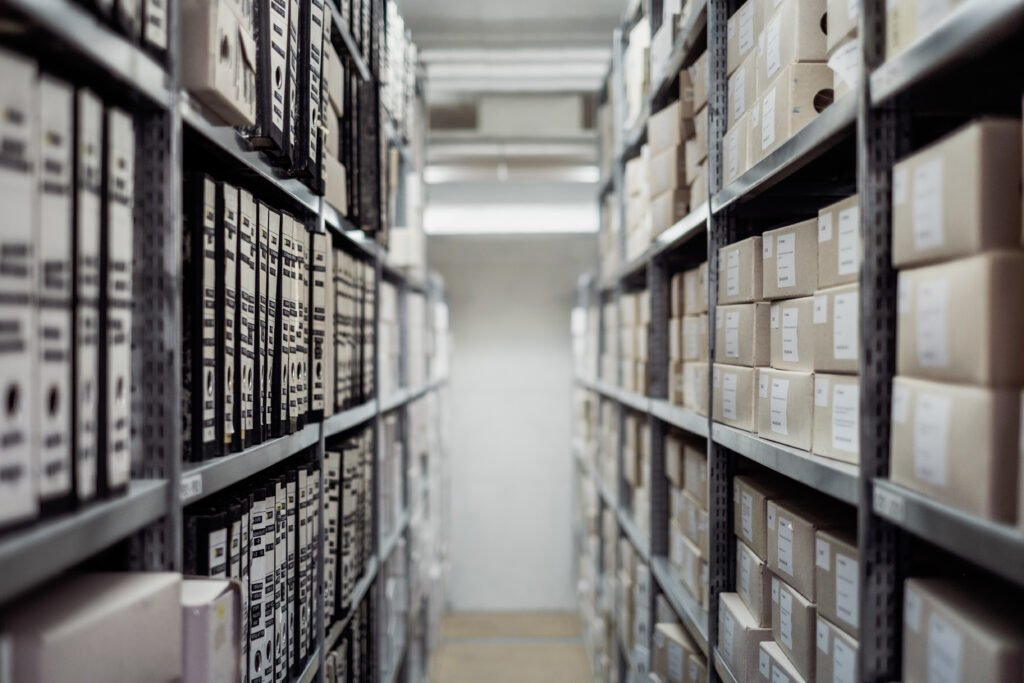
Keeping Records Together by Origin
Archival provenance is the principle that records originating from a single creator, whether an individual, family, or organization, should be maintained as a distinct group rather than being broken apart and reorganized by subject matter. This foundational idea, sometimes called respect des fonds after its French origins, shapes how archives are organized worldwide.
Why Provenance Matters
Keeping a creator records together preserves evidence of how and why those records were created, used, and maintained over time, context that a subject based reorganization would destroy by scattering related documents across many different categories. A researcher examining an organization records benefits enormously from seeing the full body of material as that organization itself kept it.
Provenance in Practice
Archivists apply provenance when deciding how to group incoming records, resisting the temptation to break apart a cohesive collection simply because individual documents within it touch on many different subjects. This practice distinguishes archival description fundamentally from library cataloging, which typically organizes material by subject rather than by the entity that created it.
Provenance and Mixed Collections
Some archival material, particularly older collections assembled before modern archival theory took hold, contains documents from multiple unrelated creators mixed together, posing a challenge for archivists who must decide whether to physically separate the material by true provenance or document the mixed origin while leaving the collection intact as received.
Related Specialties
Archival provenance connects closely with arrangement and description, since establishing provenance is typically the first analytical step before any physical or intellectual organization of a collection can proceed.
Looking Ahead for Provenance Practice
Born digital records complicate traditional provenance analysis, since digital files can be copied, merged, and transformed in ways physical documents cannot, requiring archivists to develop new methods for establishing and documenting provenance in purely digital collections.
International Perspectives on Provenance
While respect des fonds originated in French archival theory and spread widely through Europe and North America, some other archival traditions, including certain Asian and Indigenous record keeping systems, organize material according to different underlying logics that do not map cleanly onto Western provenance based models, prompting ongoing scholarly discussion about how universally this principle should apply.
Practical Guidance for New Archivists
Archivists new to the field benefit from carefully documenting their provenance research as they work, since the reasoning behind a provenance determination, including any uncertainty or conflicting evidence considered, becomes valuable context for future archivists who may need to revisit the same collection.
Provenance Disputes
Occasionally two institutions both claim a legitimate provenance based right to a body of records, particularly when an organization splits, merges, or transfers its functions to a successor body, requiring careful negotiation and documentation to resolve which institution should properly hold custody going forward.
Economic Considerations
Establishing provenance for a large, complex collection can require significant research time, particularly for older material lacking clear internal documentation about its creator, representing a real cost that institutions must weigh against the research value that accurate provenance determination provides.
Looking Ahead for Provenance Research
Digital tools that can analyze document metadata and writing patterns are beginning to assist archivists in establishing provenance for ambiguous collections, supplementing traditional historical research methods with new forms of computational evidence.
Collaborative crowdsourced research projects have also helped some institutions establish provenance for collections too large for professional staff to research thoroughly alone, drawing on volunteer expertise and community knowledge about specific historical contexts.
Practical Guidance for Students
Students learning archival theory benefit from working through real world provenance puzzles using actual finding aids and collection descriptions, since abstract discussion of the principle becomes far more concrete once applied to a genuinely ambiguous historical case with competing creator claims.
Related Processing Decisions
Provenance determinations directly shape later decisions about series structure within a collection, since records belonging to clearly distinct functions or time periods within a single creator overall body of records often warrant separate series even while remaining grouped under that same provenance.
Provenance research sometimes uncovers unexpected connections between seemingly unrelated collections held at different institutions, revealing that records now physically separated once belonged to the same creator before being split apart through historical circumstance.
Professional organizations have published detailed case studies of complex provenance determinations specifically to help train archivists in reasoning through similarly ambiguous situations they may encounter in their own collections.
Collaboration between institutions holding related fragments of a once unified body of records can produce joint finding aids that help researchers understand the full original context even though the physical records themselves remain separated.
Shared provenance research findings, when published, can save other institutions significant duplicated effort when they encounter related material from the same historical creator in their own holdings.
Archival education programs increasingly emphasize case based learning specifically because provenance judgment develops more effectively through exposure to varied real examples than through abstract principle alone.
Institutions that maintain a shared registry of known creator histories across regional archives have made it considerably easier to resolve provenance questions for records that moved between organizations before reaching their current archival home.
Ongoing professional dialogue about provenance in non Western record keeping traditions continues to refine how the principle is applied in genuinely cross cultural archival contexts.
A clear record of past provenance decisions, kept as an internal reference, helps an institution apply consistent reasoning the next time a similarly ambiguous collection arrives.
Collaboration across institutions on shared provenance puzzles continues to strengthen the field collective understanding of complex historical creator relationships.
A short glossary of related terms helps new researchers unfamiliar with archival vocabulary understand provenance in context.
More in Archives & Records Management
Key facts
- One of the foundational principles of modern archival theory
- Keeps records from a single creator together rather than mixing them by subject
- Distinguished from original order, which governs internal sequence within a body of records
Quick checkWhy do archivists organize records by creator rather than by subject?Show answer
Organizing by creator preserves the context in which records were made and used, revealing relationships between documents that a purely subject based arrangement would obscure, since the same creator records often illuminate one another when kept together.
Sources
- Society of American Archivists glossary of archival terminology
Editorially reviewed by Specialty Digest Editorial TeamLast reviewed November 3, 2026Researched and drafted with AI assistanceReport an issue