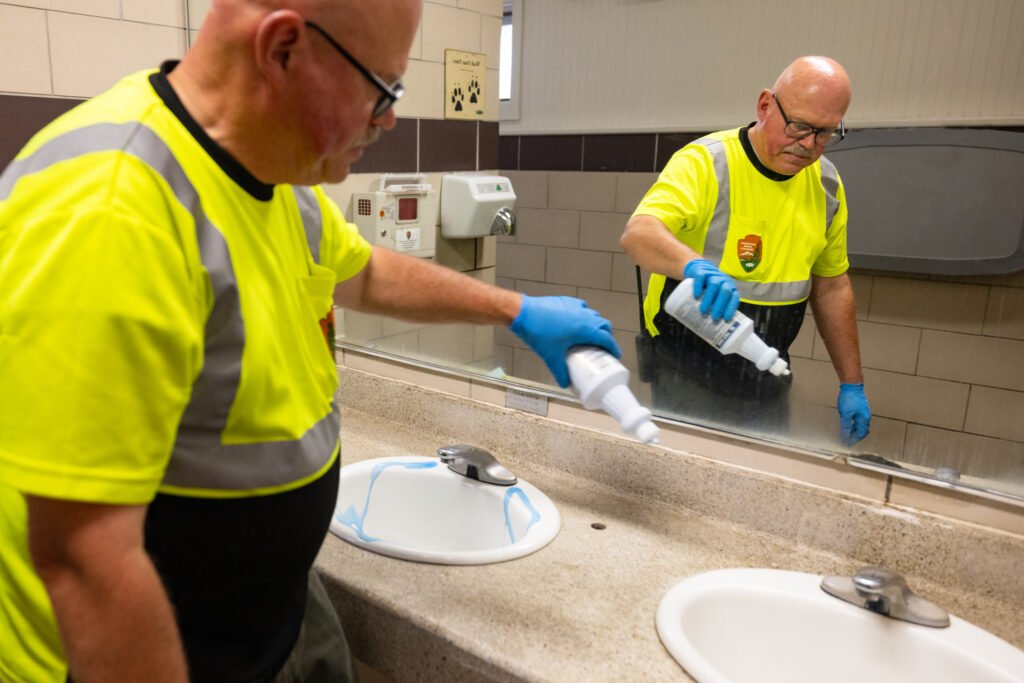
Maintaining Guest-Ready Facilities
Facilities management in hospitality encompasses the ongoing work of maintaining a property physical infrastructure, including heating, ventilation, and air conditioning systems, plumbing and electrical systems, elevators, kitchen equipment, and general building upkeep, all aimed at ensuring the property remains safe, comfortable, and fully operational for guests at all times. Although this work largely happens behind the scenes and out of direct guest view, facilities failures translate immediately and directly into negative guest experience, since a malfunctioning air conditioning system during a heat wave or a safety hazard discovered during a stay can overshadow an otherwise excellent service experience in a guest overall impression.
Preventive maintenance programs, which schedule regular inspection and servicing of equipment and systems before failures occur, represent a central facilities management strategy for avoiding costly and guest-disruptive emergency repairs, requiring facilities teams to balance the upfront cost and scheduling disruption of preventive work against the larger costs and guest experience damage that reactive emergency repairs typically produce. Facilities management in hospitality has also increasingly incorporated energy efficiency and broader sustainability goals, both as a response to rising energy costs and growing guest and corporate expectations around environmental responsibility, leading many properties to invest in more efficient building systems and renewable energy infrastructure as part of their ongoing facilities management strategy.
Regulatory Compliance and Safety
Facilities management in hospitality carries significant regulatory compliance responsibilities, since hospitality properties must adhere to building codes, fire safety regulations, health and sanitation standards, and accessibility requirements that vary considerably across different jurisdictions but uniformly require ongoing attention and documentation to maintain compliance. Regular fire safety system testing, pool and spa water quality monitoring, kitchen health inspections, and elevator safety certifications represent just a sample of the wide range of ongoing compliance obligations facilities management teams must track and maintain across a typical hospitality property.
Failure to maintain these compliance standards carries risks extending well beyond regulatory penalties, since safety failures can result in genuine guest and employee harm, significant legal liability, and severe reputational damage that can affect a property or brand for years following a serious incident. Many hospitality organizations have responded by implementing dedicated compliance tracking software and systematic inspection schedules specifically designed to ensure that the numerous and often technically specialized compliance requirements facilities management must satisfy are not allowed to lapse amid the many competing operational priorities that hospitality facilities teams must balance on a daily basis.
Sustainability Integration
Facilities management teams increasingly incorporate sustainability objectives directly into their core maintenance and capital planning responsibilities, evaluating energy-efficient equipment upgrades, water conservation systems, and waste reduction programs not merely as optional environmental initiatives but as integrated components of standard facilities planning that can also generate meaningful long-term operating cost savings alongside their environmental benefits. This integration reflects growing recognition that sustainability and traditional facilities management cost efficiency goals frequently align rather than compete, since reduced energy and water consumption directly lowers ongoing operating expenses in addition to reducing environmental impact.
Guest and corporate client expectations around hospitality sustainability have also grown considerably, with many corporate travel programs now specifically evaluating hotel sustainability credentials when selecting preferred properties for employee travel, adding a further business incentive beyond direct cost savings for hospitality facilities management teams to prioritize and document sustainability-oriented improvements across their property physical infrastructure and ongoing operational practices.
Capital Planning and Asset Lifecycle
Facilities management extends beyond routine maintenance into longer-term capital planning, requiring facilities teams to forecast when major building systems and equipment will require replacement rather than continued repair, and to build this forecasting into longer-term capital budgets that property owners and operators use to plan major renovation and equipment replacement cycles well in advance rather than reacting only after critical systems fail unexpectedly. This longer-term asset lifecycle planning requires facilities managers to balance the costs of earlier, proactive replacement against the risks and costs of operating aging systems beyond their optimal service life.
Effective capital planning in hospitality facilities management also requires close coordination with ownership and finance teams, since major capital expenditures directly affect property profitability and often require approval processes extending well beyond the facilities management department own authority, making clear communication of the business case, including both risk mitigation and potential operating cost savings, an essential skill for facilities managers seeking timely approval for necessary major capital investments.
Outsourcing vs In-House Facilities Teams
Operators face a recurring decision about whether to maintain an in-house facilities team or outsource maintenance functions to specialized contractors. In-house teams offer faster response times for everyday issues and staff who develop deep familiarity with a specific property building systems, which can be valuable in older buildings with idiosyncratic equipment or layouts that outside contractors would need time to learn.
Outsourcing, by contrast, can provide access to specialized expertise for complex systems, such as elevators, fire suppression, or large-scale HVAC equipment, without the cost of employing full-time specialists who might only be needed occasionally. Many properties adopt a hybrid model, keeping a small in-house team for routine maintenance and guest-facing repairs while contracting out specialized or infrequent work, such as major equipment overhauls or pool resurfacing. The decision often comes down to property size and complexity: large resort properties with extensive grounds and amenities tend to justify larger in-house teams, while smaller properties or those within mixed-use buildings may find outsourcing more cost-effective since they lack the volume of work needed to keep specialized staff fully utilized throughout the year.
More in Hospitality Operations and Management
Key facts
- Covers building systems, safety compliance, and preventive maintenance
- Directly affects guest experience despite operating largely behind the scenes
- Increasingly incorporates energy efficiency and sustainability goals
Related concepts
Quick checkWhy is facilities management considered important to guest experience even though it operates largely out of guest view?Show answer
Facility failures such as a malfunctioning air conditioning system, a safety hazard, or visible disrepair directly and immediately damage guest experience and satisfaction, even though the underlying maintenance work itself usually happens unseen by guests.
Sources
- Hospitality facilities and engineering management literature
Editorially reviewed by Specialty Digest Editorial TeamLast reviewed November 4, 2026Researched and drafted with AI assistanceReport an issue