Causes and Policy Responses
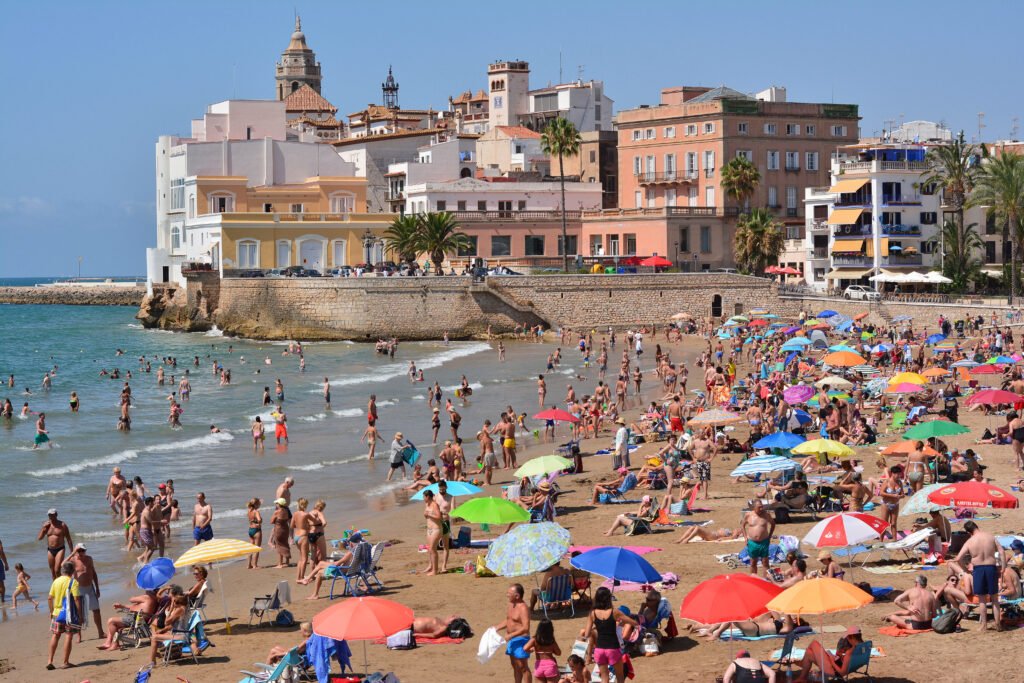
Overtourism describes a condition in which visitor numbers at a destination grow beyond what its physical, ecological, economic, or social carrying capacity can comfortably absorb, producing tangible negative consequences such as overcrowded public spaces, strained infrastructure, environmental degradation at popular natural sites, and declining quality of life for permanent residents who find their daily routines, housing affordability, and access to local services increasingly affected by visitor volume. The term gained widespread popular and media use around 2017, as a number of prominent destinations experienced highly visible visitor surges that drew significant local backlash and international attention.
A commonly cited driver of overtourism in cities specifically is the rapid growth of short-term vacation rental platforms, which some researchers argue reduce the stock of housing available for long-term local residents by converting residential units into tourist accommodation, contributing to rising rents and housing scarcity in affected neighborhoods. In response, a growing number of destinations experiencing overtourism have implemented policy measures including daily visitor caps at specific attractions, tourist taxes designed to both generate revenue and modestly discourage excess visitation, restrictions or outright bans on new short-term rental licenses in certain districts, and active marketing campaigns intended to redirect visitors toward less crowded alternative sites and travel periods.
Case Examples and Lessons
Several cities and natural sites that became closely associated with the overtourism discussion in media coverage and academic literature implemented a range of policy responses that have since been studied as case examples for other destinations facing similar pressures. Some historic European cities facing severe cruise ship passenger volume implemented restrictions on the size or number of ships permitted to dock, while several popular natural attractions introduced strict daily visitor caps enforced through mandatory advance reservations, directly limiting total visitation regardless of demand rather than relying solely on pricing to manage crowding.
Comparative analysis across these cases suggests that the most effective responses generally combine several measures simultaneously, such as visitor caps paired with active efforts to redistribute visitor interest toward lesser-known nearby attractions and off-peak travel periods, rather than relying on any single intervention in isolation. These cases have also demonstrated that overtourism responses implemented only after severe resident backlash tend to be more disruptive and contentious than measures introduced proactively based on carrying capacity analysis, reinforcing the broader planning principle that anticipating and managing visitor growth before it becomes genuinely excessive produces better outcomes than reactive crisis management after significant damage has already occurred.
Resident Perspectives and Backlash
Resident backlash against overtourism has taken various forms across different destinations, ranging from organized public protests and local political movements advocating for stricter visitor limits, to more informal expressions of frustration such as graffiti and social media campaigns directed at perceived excessive tourism, to simple demographic shifts as long-term residents choose to relocate away from areas experiencing the most intense visitor pressure and associated cost of living increases. Researchers studying these dynamics emphasize that resident attitudes toward tourism are rarely uniformly negative even in destinations experiencing significant overtourism pressure, since many residents simultaneously depend on tourism-related employment even as they experience its genuine costs.
This complexity has led tourism researchers and destination managers to increasingly emphasize nuanced resident sentiment tracking over time, rather than treating backlash as a simple binary outcome, recognizing that the same resident population can hold genuinely mixed views, welcoming the economic benefits tourism provides while still objecting to specific problems such as noise, crowding, or housing cost pressure linked to visitor volume. Destinations that have successfully reduced overtourism tensions have often done so by directly addressing these specific, concrete resident grievances rather than attempting a single broad policy response to what residents themselves frequently describe as a combination of distinct, more narrowly defined problems.
Outlook
As more destinations study and adapt the policy responses pioneered by early overtourism case examples, the field is likely to continue refining a shared toolkit of proven interventions, even as each destination must still tailor its specific response to its own particular mix of attractions, visitor patterns, and community priorities.
Distinguishing Overtourism from Simple Popularity
Tourism researchers emphasize an important distinction between a destination simply being highly popular, which need not in itself constitute a problem, and genuine overtourism, which specifically involves visitor volume exceeding carrying capacity in ways that produce measurable negative consequences for residents, the environment, or the visitor experience itself. A destination can host very large absolute visitor numbers without experiencing overtourism if its infrastructure, management systems, and carrying capacity have been developed to accommodate that volume sustainably, while a much smaller destination with limited infrastructure can experience significant overtourism problems at a comparatively modest absolute visitor count.
This distinction matters for policy purposes, since treating all high-visitation destinations as automatically experiencing overtourism risks obscuring the more precise diagnosis needed to design effective responses, while conversely dismissing legitimate overtourism concerns simply because a destination overall visitor numbers remain lower than some other famous example risks leaving genuine, locally significant problems unaddressed. Tourism researchers generally recommend evaluating overtourism relative to a specific destination own carrying capacity and resident tolerance thresholds rather than through simple cross-destination visitor count comparisons that fail to account for vastly different infrastructure and management contexts.
Ultimately, addressing overtourism effectively requires destinations to move beyond treating high visitor numbers as an unqualified success and toward a more nuanced view that weighs visitor volume against genuine carrying capacity and resident wellbeing, informed by the growing body of case evidence from destinations that have already navigated this challenge.
Key facts
- Array
Quick checkWhat specific housing-related issue is commonly associated with overtourism?Show answer
The expansion of short-term vacation rentals is commonly associated with overtourism, since it can reduce the supply of housing available to local long-term residents and drive up rents.
Sources
- Array
Editorially reviewed by Specialty Digest Editorial TeamLast reviewed November 4, 2026Researched and drafted with AI assistanceReport an issue