In simple terms
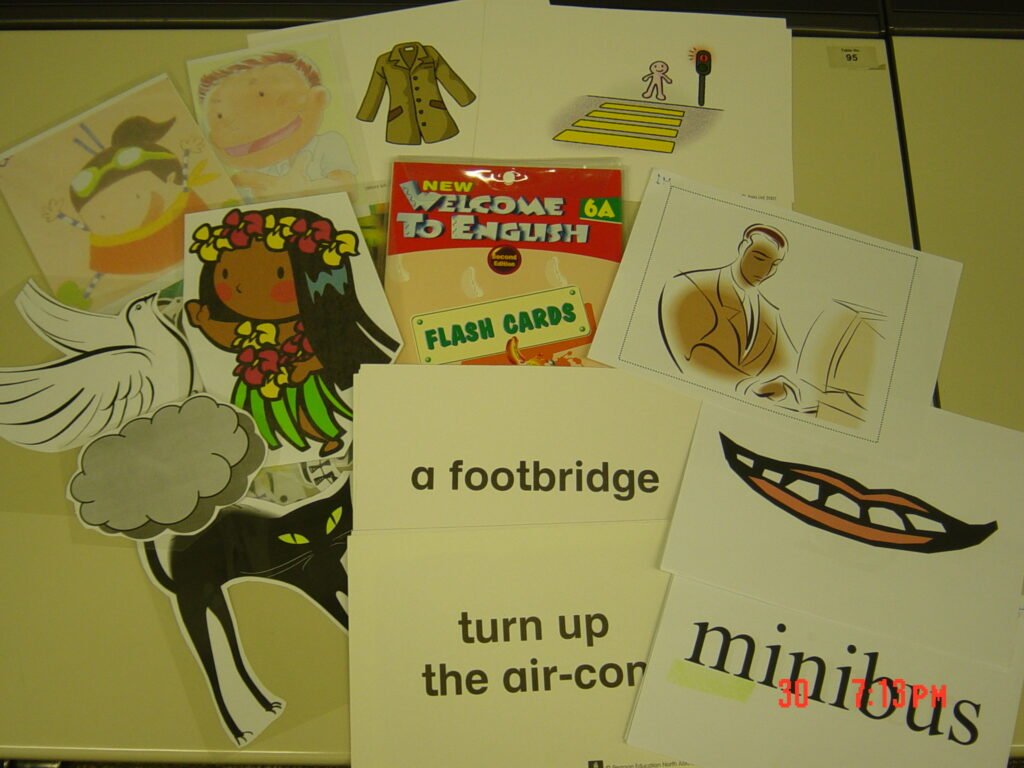
Retrieval practice is deliberately pulling information out of memory in order to learn it, rather than putting more information in. Answering a question from memory, closing the book and writing down what you can recall, working through flashcards: all retrieval.
The counterintuitive part is that it beats rereading, which is the method most students actually choose. Recalling something changes the memory rather than simply checking it. [1]
How it works
Each successful recall strengthens the route back to that memory, which is why a test is a learning event and not only a measurement. [1]
The evidence is unusually strong for education research. A meta-analysis of 159 studies found an overall effect size of g = 0.50, with 81 percent of comparisons favoring retrieval practice over repeated study. [1] Effect size here is a standardized way of stating how big a difference is, and 0.50 is a moderate, practically meaningful gap.
Timing changes the picture. The benefit is larger when the final test is further away: g = 0.69 at delays of more than a day, against g = 0.41 within a day. [1] Test people minutes later and rereading can look better; wait a week and the order reverses.
It holds outside the laboratory. In fifth-grade Italian history lessons, pupils who were quizzed scored about 67 percent on a test seven days later, against 41 to 49 percent for pupils who reread the same material. [2]
Why it matters
Rereading feels productive and retrieval feels hard, which is why learners often choose the weaker method. The practical consequence is that quizzing yourself, with feedback afterwards, counts as studying rather than as testing. [1][2]
Boundary conditions remain open. Researchers are still working out the trade-off between making retrieval effortful enough to help and so hard that it fails, and findings on the best spacing schedules are inconsistent. [1] In that fifth-grade study, spacing sessions one day or four days apart made no significant difference. [2]
Where you will see it
- Flashcard apps and self-quizzing tools
- Low-stakes weekly quizzes in schools and universities [2]
- Medical and professional revision courses [1]
- Language learning apps built around recall prompts
Example
Instead of rereading the chapter she closed it, wrote down everything she could remember, and then checked what she had missed.
Often confused with
Spaced repetition is about when you review. Retrieval practice is about what you do when you review. They are usually combined, but they are separate ideas. [2]
Key facts
- Retrieval practice means recalling information from memory in order to learn it, not only to measure what is already known.12
- A meta-analysis of 159 studies found an overall effect size of g = 0.50, with 81 percent of comparisons favoring retrieval practice over repeated study.1
- The benefit is larger at longer delays: g = 0.69 when the final test came more than a day later, against g = 0.41 within a day.1
- In fifth-grade Italian history lessons, quizzed pupils scored about 67 percent on a test after seven days, against 41 to 49 percent for pupils who reread.2
- Findings on the best spacing schedule are inconsistent, and in that classroom study spacing sessions one or four days apart made no significant difference.12
Related concepts
Quick checkWhy does retrieval practice beat rereading?Show answer
Recalling a memory strengthens it, and the advantage grows the longer the delay before the final test.
Sources
- Learning and Memory: A Comprehensive Reference, second edition. Retrieval-Based Learning: A Decade of Progress, by Jeffrey D. Karpicke, volume 2, pages 487 to 514. 2017 (accessed 28 September 2026)
- Frontiers in Psychology. Retrieval practice enhances learning in real primary school settings, whether distributed or not, by L. Franzoi, V. Cembrani, C. Mulatti and B. Treccani, volume 16, article 1632206. 2025 (accessed 28 September 2026)
Editorially reviewed by Specialty Digest Editorial TeamLast reviewed September 28, 2026Researched and drafted with AI assistanceReport an issue