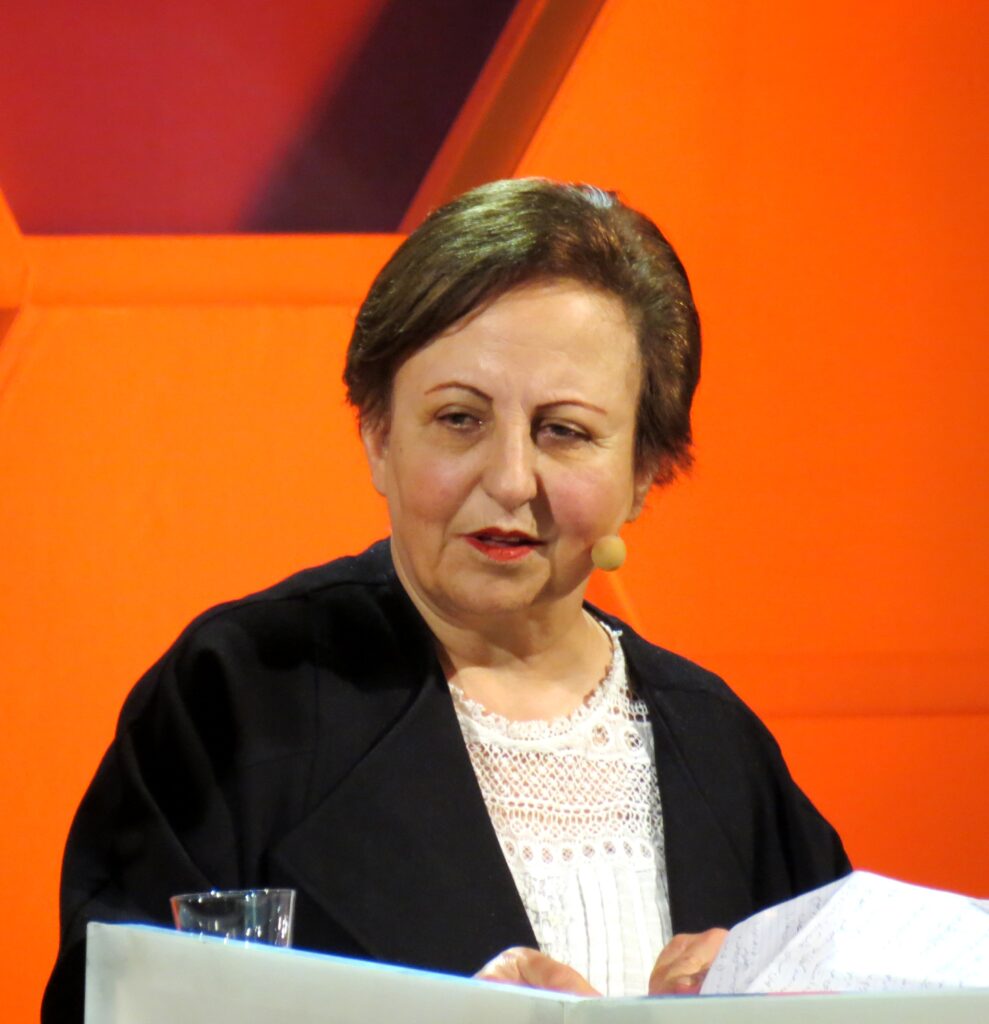
Shirin Ebadi (born 1947) is an Iranian lawyer and human rights activist who became the first Iranian and the first Muslim woman to receive the Nobel Peace Prize, awarded to her in 2003 for her efforts to promote democracy and human rights, particularly the rights of women and children, in Iran. Her career as a judge, lawyer, and advocate established her as one of the most significant human rights figures to emerge from the Middle East in the modern era.
Shirin Ebadi at a Glance
| Full name | Shirin Ebadi |
| Born | June 21, 1947, Hamadan, Iran |
| Known for | Advocacy for human rights and democracy in Iran; Nobel Peace Prize laureate 2003 |
| Occupation | Lawyer, human rights activist, former judge |
| Major events | Became one of Iran’s first female judges 1969; awarded Nobel Peace Prize 2003 |
| Nationality | Iranian |
Early Life and Education
Shirin Ebadi was born in Hamadan, Iran, into a family that placed significant value on education, and she pursued legal studies at the University of Tehran, where she earned her law degree. Her academic performance during these early years was notable, and she continued her studies at the university level to earn a doctorate in private law, establishing the strong legal foundation that would support her subsequent career.
Pioneering Judicial Career
In 1969, Ebadi became one of the first female judges in Iran, a significant achievement at a time when women’s participation in the Iranian judiciary was still a relatively recent development. She rose through the judicial ranks over the following years, eventually becoming the president of a city court bench in Tehran, a position that placed her among the most senior female legal officials in the country.
Removal from the Judiciary
Following the Iranian Revolution of 1979, the new government determined that women were unsuited to serve as judges under its interpretation of Islamic law, resulting in Ebadi’s removal from her judicial position along with other female judges in the country. This significant professional setback redirected her career toward legal practice and human rights advocacy, areas in which she would ultimately have an even greater impact.
Transition to Legal Advocacy
After her removal from the judiciary, Ebadi was initially restricted to clerical work within the legal system before eventually being permitted to practice law as an attorney, a transition that allowed her to apply her legal expertise toward representing clients in cases involving human rights issues. She increasingly focused her legal practice on defending political dissidents, journalists, and others whose rights had been challenged under the post-revolutionary legal system.
Advocacy for Women’s and Children’s Rights
Throughout her career as a lawyer, Ebadi became particularly known for her advocacy on behalf of women’s and children’s rights within the Iranian legal system, taking on cases that highlighted legal inequalities affecting these groups. Her work in this area included efforts to reform laws affecting child custody, domestic violence, and other issues disproportionately affecting women and children under Iranian family law.
Founding of Human Rights Organizations
Ebadi played a significant role in establishing various organizations dedicated to protecting human rights in Iran, including groups focused on defending the rights of children and promoting broader awareness of human rights issues within Iranian society. These organizational efforts extended her influence beyond individual legal cases, allowing her to contribute to broader structural and educational initiatives aimed at advancing human rights protections.
The Nobel Peace Prize
In 2003, Ebadi was awarded the Nobel Peace Prize in recognition of her efforts for democracy and human rights, with particular emphasis on her work for the rights of women and children, becoming the first Iranian and the first Muslim woman to receive the honor. The award brought significant international attention to her human rights work and to the broader struggle for legal reform and civil liberties within Iran during this period.
International Recognition and Advocacy
Following her Nobel Peace Prize, Ebadi continued her human rights advocacy on an increasingly international stage, speaking and writing extensively about human rights conditions in Iran and the broader Middle East while continuing to represent clients facing legal challenges related to political and civil rights. Her international visibility following the award significantly amplified the reach of her advocacy work beyond what would have been possible through domestic legal practice alone.
Life in Exile
In the years following political unrest in Iran, Ebadi found it increasingly difficult to continue her work safely within the country and began spending extended periods outside Iran, eventually settling into a life largely conducted from abroad while continuing her advocacy work. This period of displacement reflected the broader challenges faced by prominent human rights defenders operating in politically restrictive environments, even those who had received significant international recognition for their work.
Writing and Public Engagement
Ebadi has authored several books and numerous articles addressing human rights conditions in Iran, legal reform, and the broader struggle for democratic governance in the Middle East, drawing on her extensive legal background and personal experience. Her writing has served as an important resource for international audiences seeking to understand the legal and social challenges facing human rights advocates working within restrictive political systems.
Defense Center for Human Rights
Ebadi was among the founders of the Defense Center for Human Rights, an organization established to provide legal assistance and advocacy support for individuals in Iran whose civil rights had been violated, particularly political prisoners and activists facing prosecution. The center’s work represented a significant institutional effort to formalize and expand the kind of legal advocacy Ebadi had long conducted individually, extending protections to a broader range of clients facing similar legal challenges.
Influence on International Human Rights Discourse
Ebadi’s case and her sustained advocacy work contributed significantly to international discourse regarding the compatibility of human rights principles with Islamic legal traditions, a subject on which she wrote and spoke extensively throughout her career. Her perspective, grounded in both her legal training and her personal experience navigating Iran’s post-revolutionary legal system, offered a distinctive voice in ongoing international conversations about religion, law, and human rights.
Legacy
Shirin Ebadi remains one of the most significant figures in the history of human rights advocacy in the Middle East, remembered as a pioneering female judge and for her sustained legal and public advocacy on behalf of women, children, and political dissidents in Iran. Her status as the first Iranian and first Muslim woman to win the Nobel Peace Prize established a legacy that continues to inspire human rights advocates working within similarly challenging political and legal environments.
References
Frequently Asked Questions
What is Shirin Ebadi best known for? She is best known for her human rights advocacy in Iran and for becoming the first Iranian and first Muslim woman to win the Nobel Peace Prize in 2003.
Why was Shirin Ebadi removed from her judicial position? Following the Iranian Revolution of 1979, the new government determined women were unsuited to serve as judges, resulting in her removal along with other female judges.
What areas of human rights did Ebadi focus on? She focused particularly on the rights of women and children within the Iranian legal system, along with broader advocacy for democracy and civil liberties.
Why did Shirin Ebadi win the Nobel Peace Prize? She won in 2003 for her efforts toward democracy and human rights, with particular emphasis on the rights of women and children in Iran.
Editorially reviewed by Specialty Digest Editorial TeamLast reviewed November 29, 2026Researched and drafted with AI assistanceReport an issue