The Centers for Disease Control and Prevention (CDC) is the national public health agency of the United States, headquartered in Atlanta, Georgia. It is one of the major operating components of the Department of Health and Human Services, and it tracks disease, investigates outbreaks and publishes health data and guidance. History of the CDC The
Centers for Disease Control and Prevention Read More »
The Centers for Disease Control and Prevention is the national public health agency of the United States, based in Atlanta since its founding in 1946.
Doctors Without Borders, known internationally as Médecins Sans Frontières (MSF), is an independent medical humanitarian organization that provides emergency health care to people affected by conflict, epidemics, disasters and exclusion from care. It was founded in Paris in 1971 by a group of doctors and journalists and received the Nobel Peace Prize in 1999. History
Doctors Without Borders Read More »
Doctors Without Borders, or Médecins Sans Frontières, is an independent medical humanitarian organization founded in Paris in 1971.
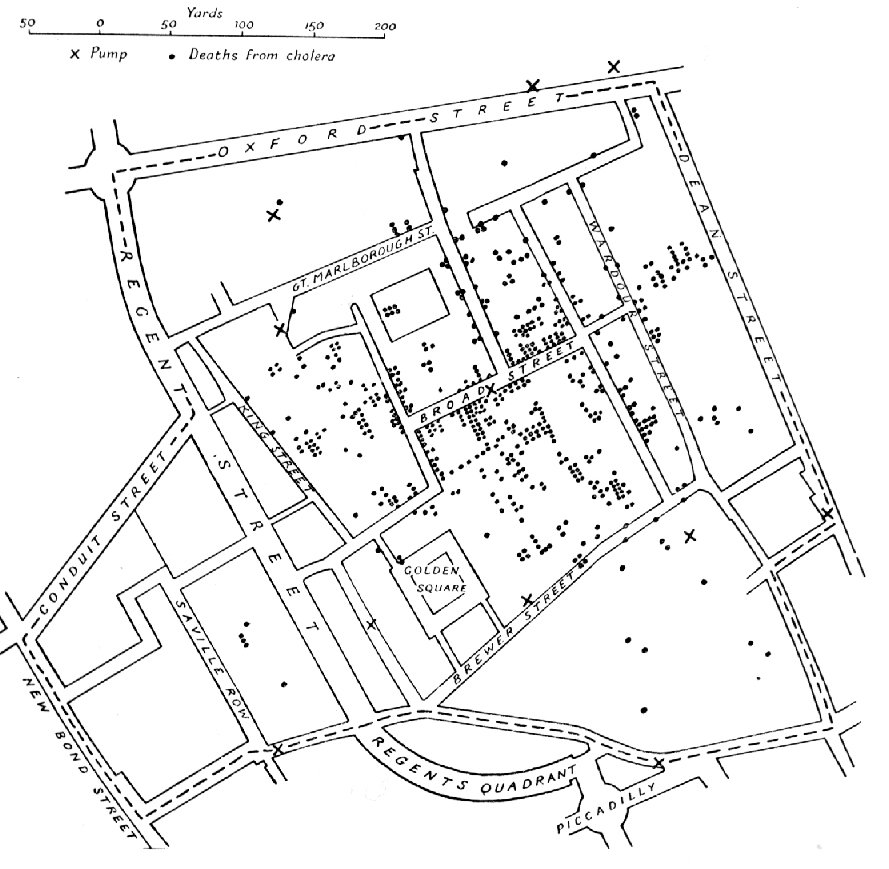
Epidemiology is the study of how diseases and other health events are distributed across populations, along with the factors that determine that distribution, with the ultimate goal of controlling health problems and improving public health. Rather than focusing on diagnosing or treating a single patient, epidemiologists examine patterns across groups of people, looking at who
Epidemiology Read More »
The study of how diseases and health events are distributed across populations and what drives that distribution.
Florence Nightingale (1820 to 1910) was an English nurse, reformer and statistician who is regarded as the founder of modern nursing. She became famous for her work in army hospitals during the Crimean War and later used data and public campaigns to improve sanitation, hospital design and nurse training. Early life of Florence Nightingale Florence
Florence Nightingale Read More »
Florence Nightingale was an English nurse and statistician who founded modern nursing after her work in Crimean War hospitals.
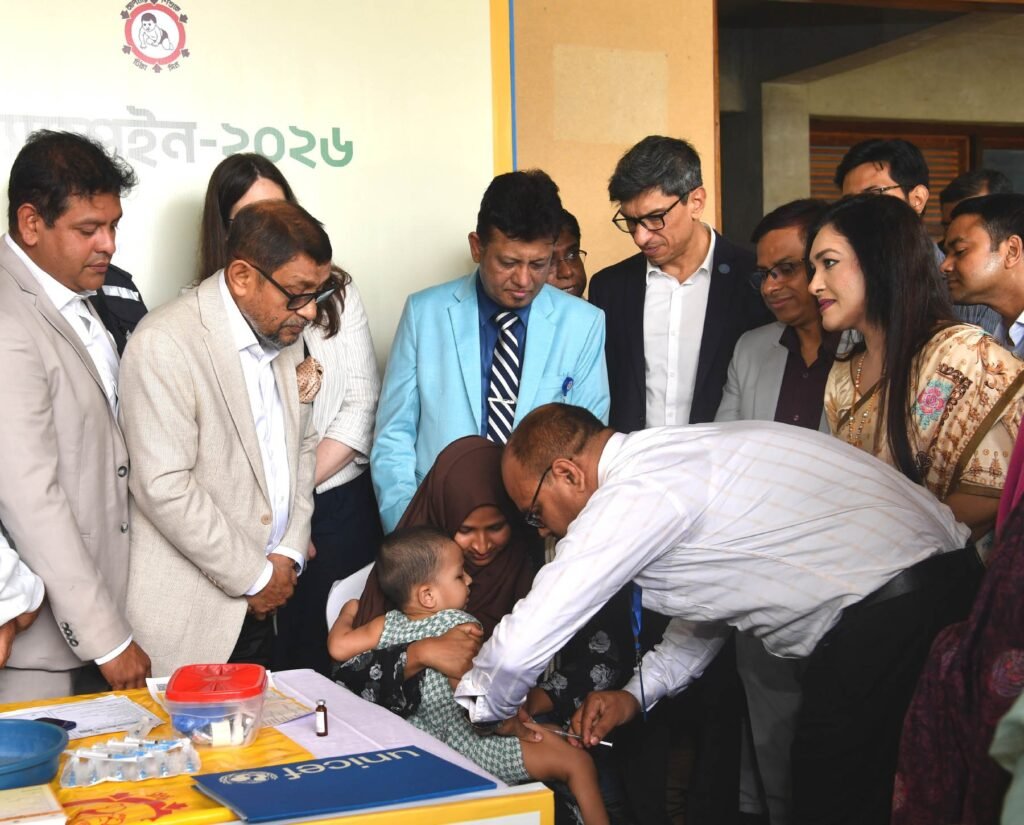
In simple terms Herd immunity, also called population immunity, is the indirect protection that reaches people once enough of those around them are immune to a disease. The immunity itself comes from vaccination or from previous infection. WHO supports reaching it through vaccination, not by allowing a disease to spread through a population. How it
Herd immunity Read More »
Herd immunity is the indirect protection people get from an infectious disease once enough of the population around them is immune.
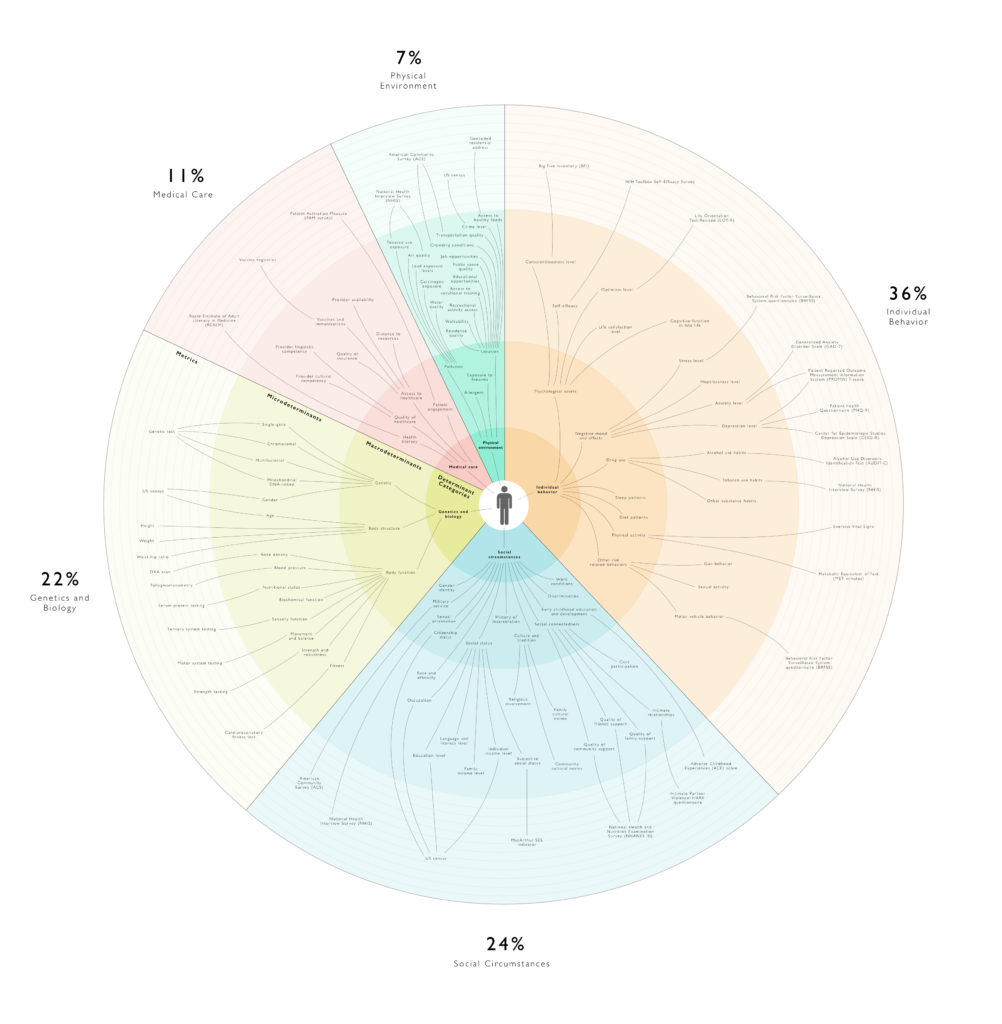
Social determinants of health are the non-medical conditions in which people are born, grow, live, work, and age that significantly shape health outcomes, often having as much or more influence on a population’s overall health than clinical medical care provided by hospitals and clinics. These factors include economic stability, education, the physical neighborhood and built
Social determinants of health Read More »
The non-medical conditions in which people live that significantly shape health outcomes, often more than clinical care itself.
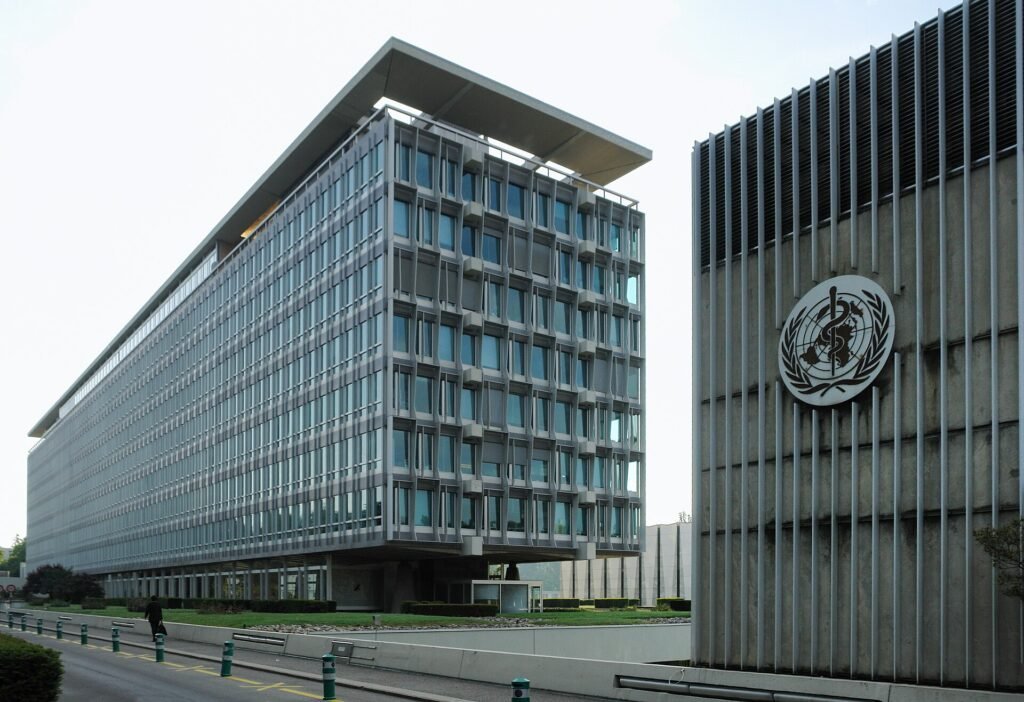
The World Health Organization (WHO) is the specialized agency of the United Nations responsible for international public health. Headquartered in Geneva, Switzerland, it has 194 member states and sets health standards, coordinates responses to outbreaks and supports national health systems. [1][3] History and founding The idea came up at the 1945 San Francisco conference that
World Health Organization Read More »
The World Health Organization is the United Nations agency for international public health, with 194 member states and headquarters in Geneva.