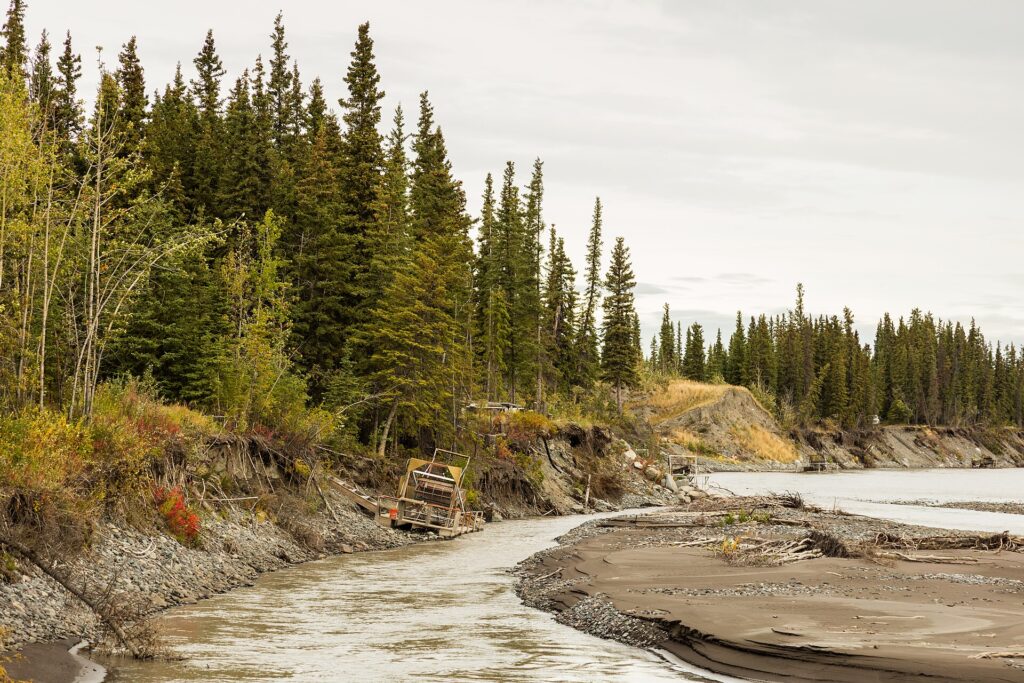
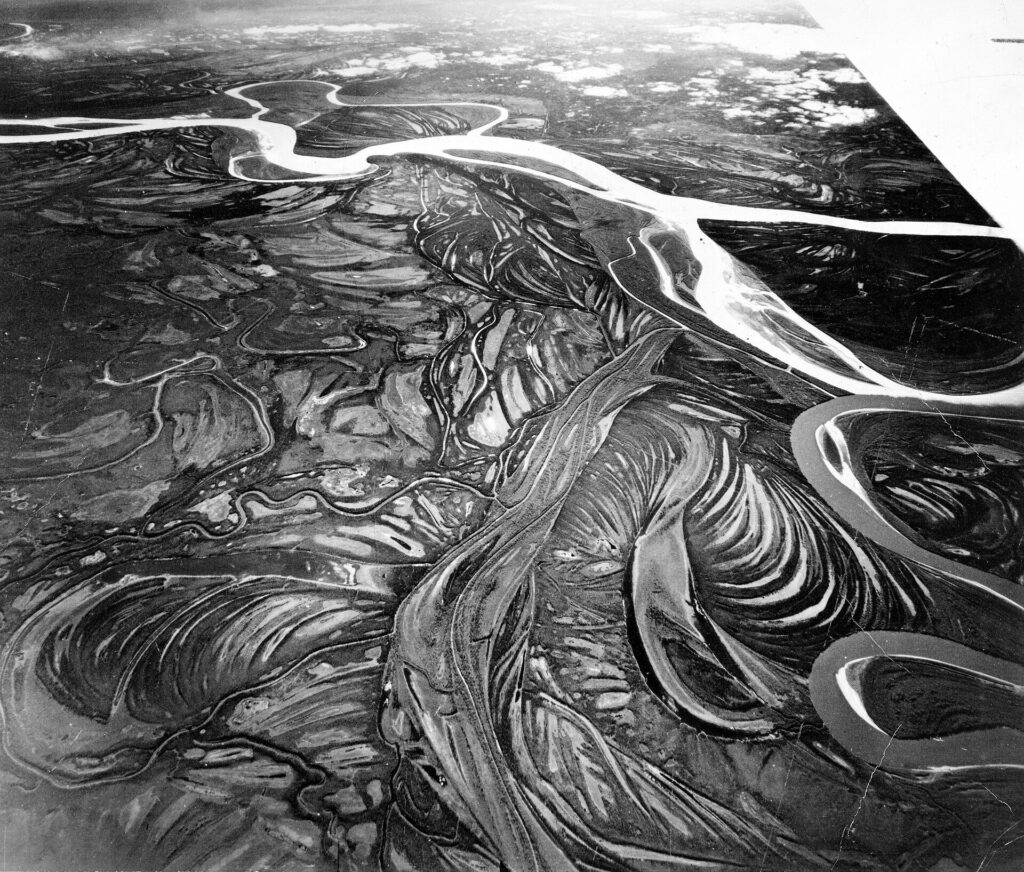
The Ahtna are an Athabascan people of the Copper River region of southern Alaska, in a homeland they call Atna Nenn’. The name comes from the local name for the Copper River. About 1,427 people are counted, all in Alaska, and about 80 are believed to speak the Ahtna language. Their closest linguistic relatives are
Ahtna People Read More »
The Ahtna are an Athabascan people of Alaska’s Copper River region, with about 1,427 members.
The Alabama (Alibamu) and Koasati (Coushatta) peoples are two closely related Native nations of the Southeast. Both spoke Muskogean languages, both descended from the Mississippian-period peoples of about 800 to 1500 CE, and both lived in central Alabama near the meeting of the Coosa and Tallapoosa rivers during the colonial era. The Alabama gave their
Alabama and Koasati (Coushatta) Peoples and Languages Read More »
The Alabama (Alibamu) and Koasati (Coushatta) peoples are closely related Muskogean-speaking nations whose homeland included central Alabama.
The Alaska Athabaskan peoples are eleven Indigenous groups who speak Northern Athabaskan languages and are considered the original inhabitants of the Alaska Interior. They number about 6,400 and include the Ahtna, Dena’ina, Gwich’in, Koyukon, Tanana, Tanacross, Upper Tanana, Upper Kuskokwim, Deg Hit’an, Holikachuk and Hän. They were formerly known as Tinneh, meaning “people,” and many
Alaska Athabaskan Peoples Read More »
Alaska’s eleven Athabaskan peoples, about 6,400 people, are the original inhabitants of the Alaska Interior.
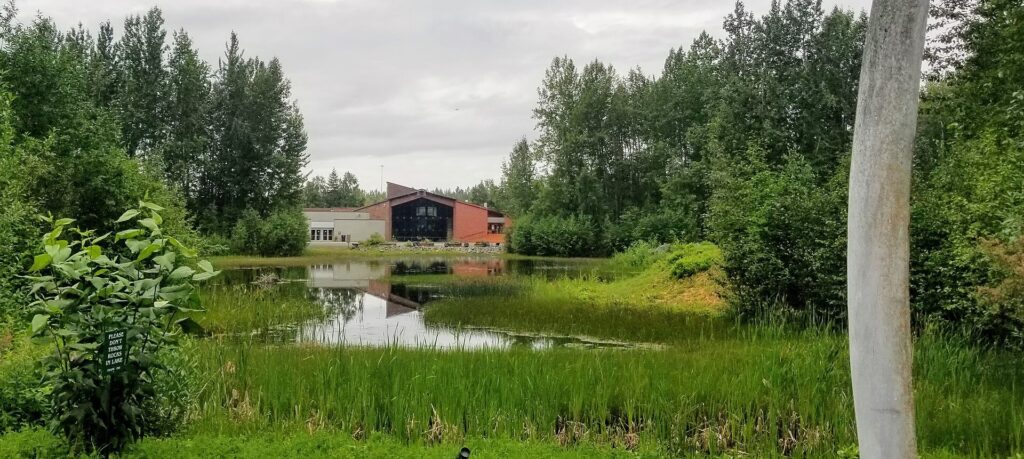
The Alaska Native Heritage Center is an educational and cultural institution in Anchorage, Alaska, that opened in 1999 to share the heritage of 11 major Alaska Native cultural groups. Set on 26 wooded acres about 10 miles from downtown Anchorage, it combines an indoor Hall of Cultures, outdoor village sites around Lake Tiulana and live
Alaska Native Heritage Center Read More »
The Alaska Native Heritage Center is an Anchorage cultural institution, opened in 1999, sharing 11 Alaska Native cultures.
Alaska Native peoples are the Indigenous inhabitants of Alaska, whose ancestors arrived from Asia thousands of years ago and whose descendants today make up roughly 15 percent of the state population. They include the Iñupiat, Yupik, Unangax̂ (Aleut), Alutiiq, Eyak, Tlingit, Haida, Tsimshian and several Athabaskan peoples, and they speak languages from the Eskaleut and
Alaska Native Peoples (Overview) Read More »
Alaska Native peoples are the Indigenous inhabitants of Alaska, including the Iñupiat, Yupik, Aleut, Athabaskan, Tlingit, Haida and Tsimshian.
The Alutiiq, also called Sugpiaq, are an Alaska Native people of the Prince William Sound, the outer Kenai Peninsula, the Kodiak Archipelago and the Alaska Peninsula. Their homelands date back over 7,500 years, and their language, Sugcestun, belongs to the Yup’ik branch of the Eskaleut family. More than 4,000 Alutiiq live in Alaska, and many
Alutiiq (Sugpiaq) People Read More »
The Alutiiq, or Sugpiaq, are an Alaska Native people of the Kodiak Archipelago, Prince William Sound and the Alaska Peninsula.
The Cherokee in Alabama settled the northeastern part of the state in the last quarter of the eighteenth century, after war and land cessions pushed Lower Town Cherokees north and west. By 1782 they were settling present-day Madison, Jackson, Marshall, DeKalb, Cherokee and Etowah counties, and as far west as Colbert County [1]. The Cherokee
Cherokee in Alabama Read More »
The Cherokee settled northeast Alabama in the late 1700s, where Sequoyah developed the Cherokee syllabary at Wills Town before the 1838 removal.
The Chickasaw were a Native nation whose traditional homeland spanned northwestern Alabama, northern Mississippi and southwestern Tennessee. They spoke a dialect of the Western Muskogean language family and, in the eighteenth century, numbered roughly 2,000 to 5,000 people living in about ten towns concentrated near present-day Tupelo, Mississippi [1]. Their lands in Alabama were ceded
Chickasaw in Alabama Read More »
The Chickasaw were a Muskogean-speaking nation whose homeland included northwest Alabama; the Treaty of Pontotoc Creek (1832) ceded their remaining lands.
The Choctaw were a large Native nation whose homeland covered much of Mississippi and western Alabama. By the turn of the nineteenth century they numbered at least 15,000 people, claimed millions of acres, and lived in some 50 towns [1]. They spoke dialects of a Muskogean language and called themselves Chahtas. A series of treaties
Choctaw in Alabama Read More »
The Choctaw were a Muskogean-speaking nation of Mississippi and western Alabama; the Treaty of Dancing Rabbit Creek (1830) ceded their last Alabama lands.
The culture of Alaska blends the living traditions of Alaska Native peoples, who make up about 15 percent of the state’s roughly 730,000 residents, with influences from Russian, American and other settlers. Alaska has more than 10,000 years of human history, 20 distinct Native cultures, 229 federally recognized tribes and about 300 dialects. Its arts,
Culture of Alaska Read More »
Alaska’s culture centers on its 20 Alaska Native cultures and their arts, festivals and subsistence traditions.