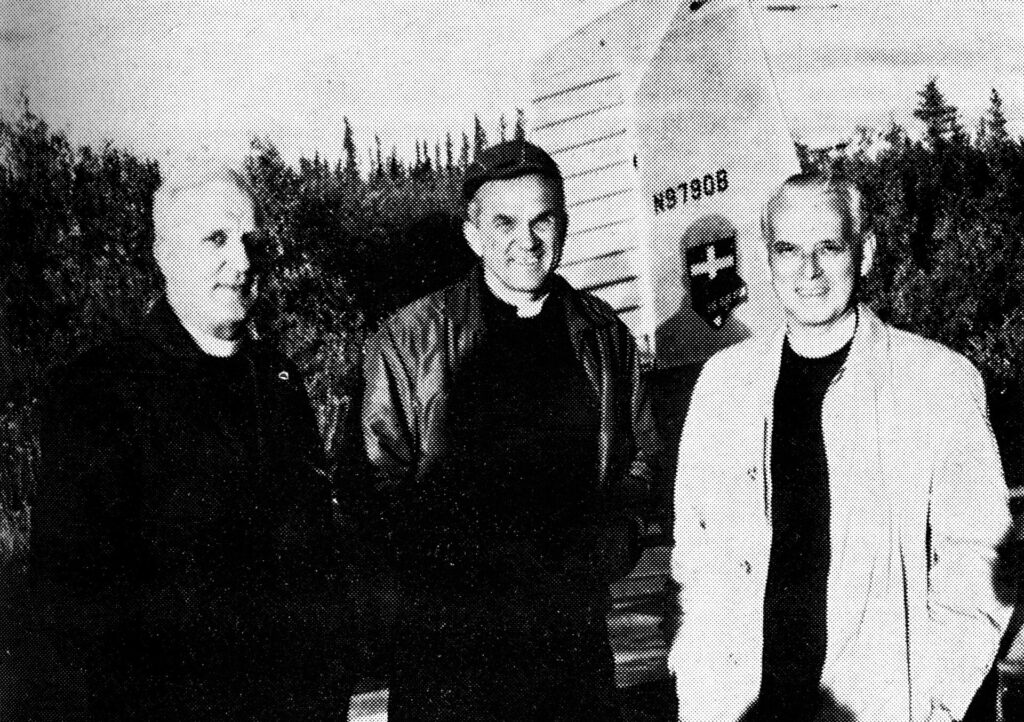
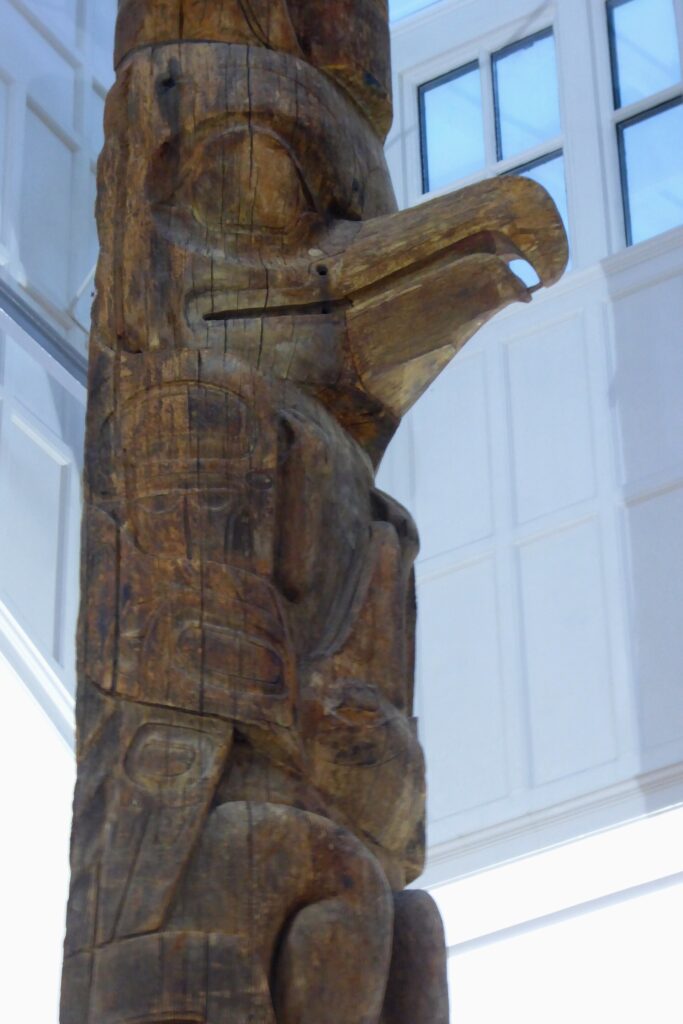
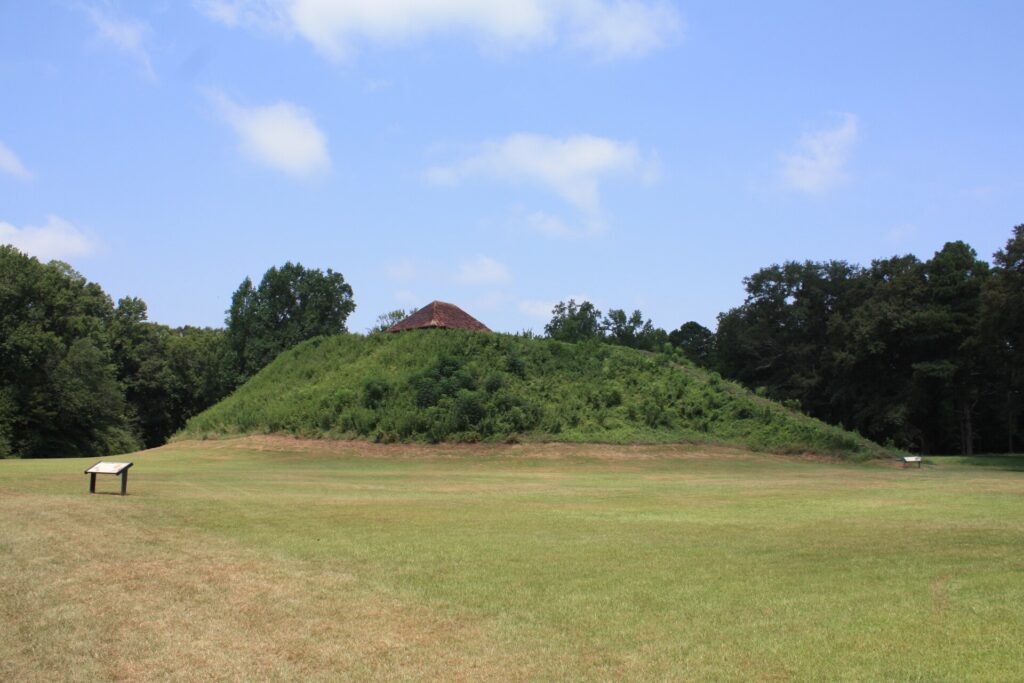
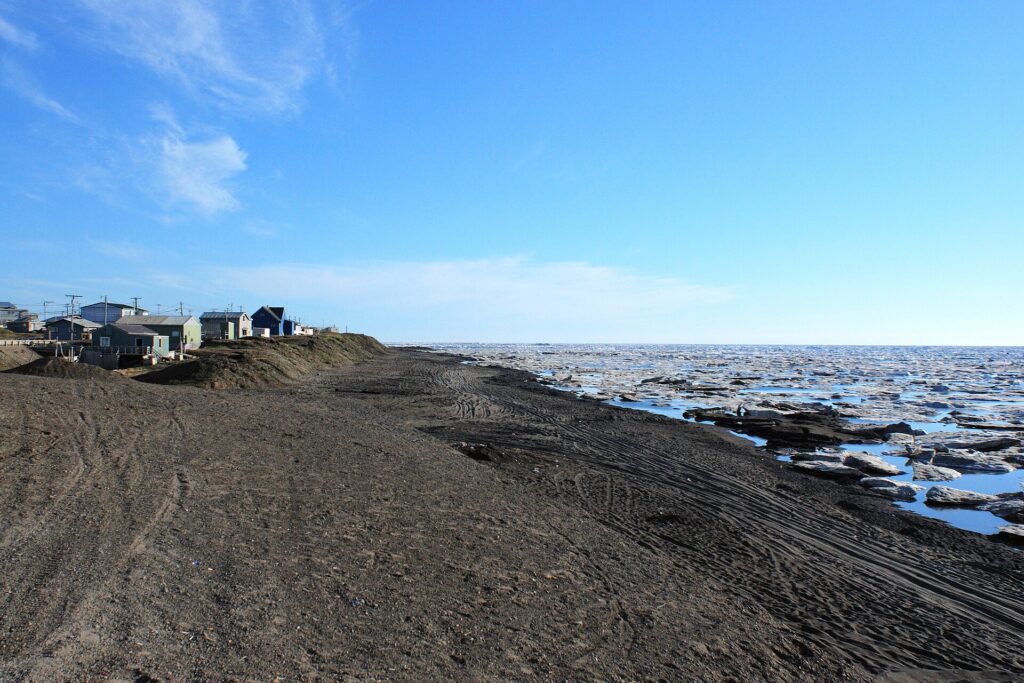
The Dena’ina are the original inhabitants of south-central Alaska, with a homeland of more than 41,000 square miles around Cook Inlet that includes the site of present-day Anchorage. They are an Athabascan people numbering about 1,400, and their language, Dena’ina, is one of eleven Alaska Athabascan languages. Anchorage named its convention center the Dena’ina Civic
Dena’ina People Read More »
The Dena’ina are an Athabascan people of the Cook Inlet region of south-central Alaska, including Anchorage.
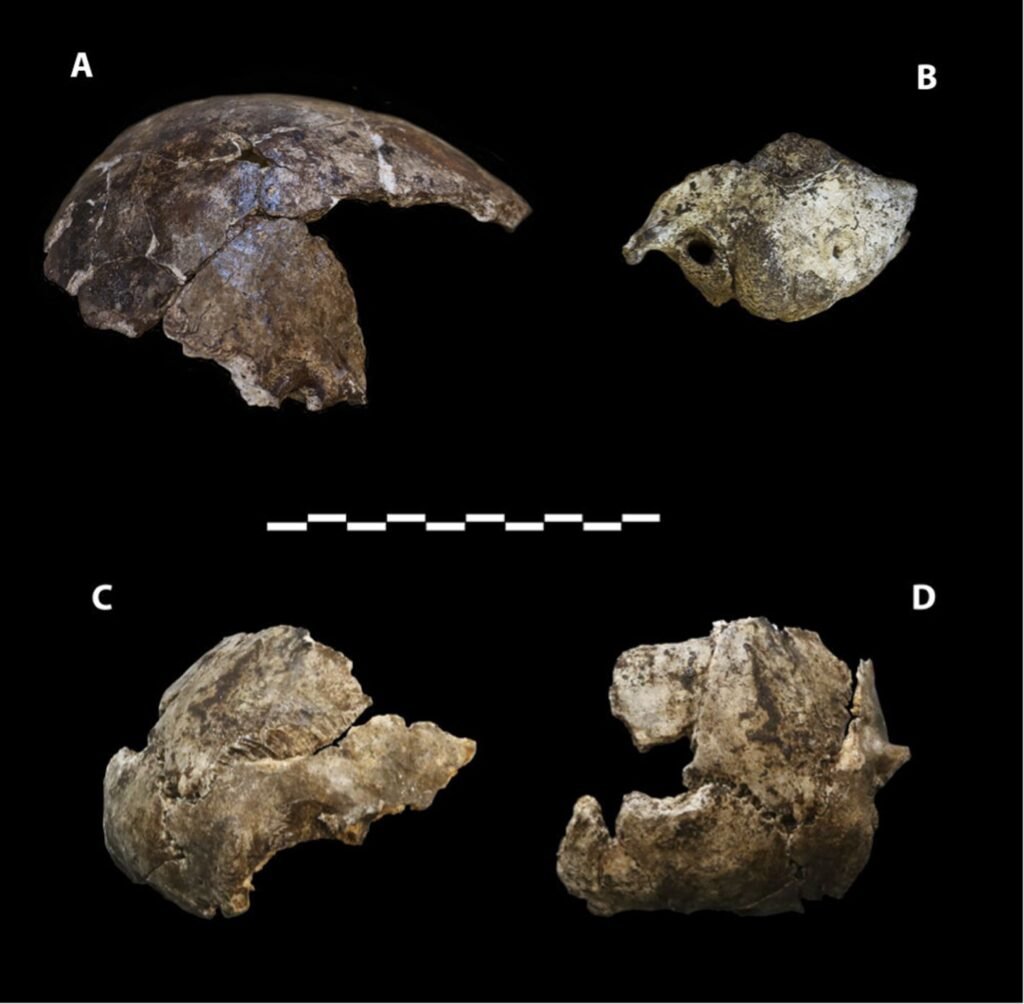
The discovery of Homo naledi was the finding of a previously unknown human relative in the Dinaledi Chamber of the Rising Star cave system in South Africa, first recognized in October 2013. It was announced to the world on 10 September 2015 in the journal eLife by a team led by Lee Berger. The Dinaledi
Discovery of Homo naledi Read More »
The 2013 finding of a new small-brained human relative in the Dinaledi Chamber, Rising Star cave, South Africa, announced in 2015.
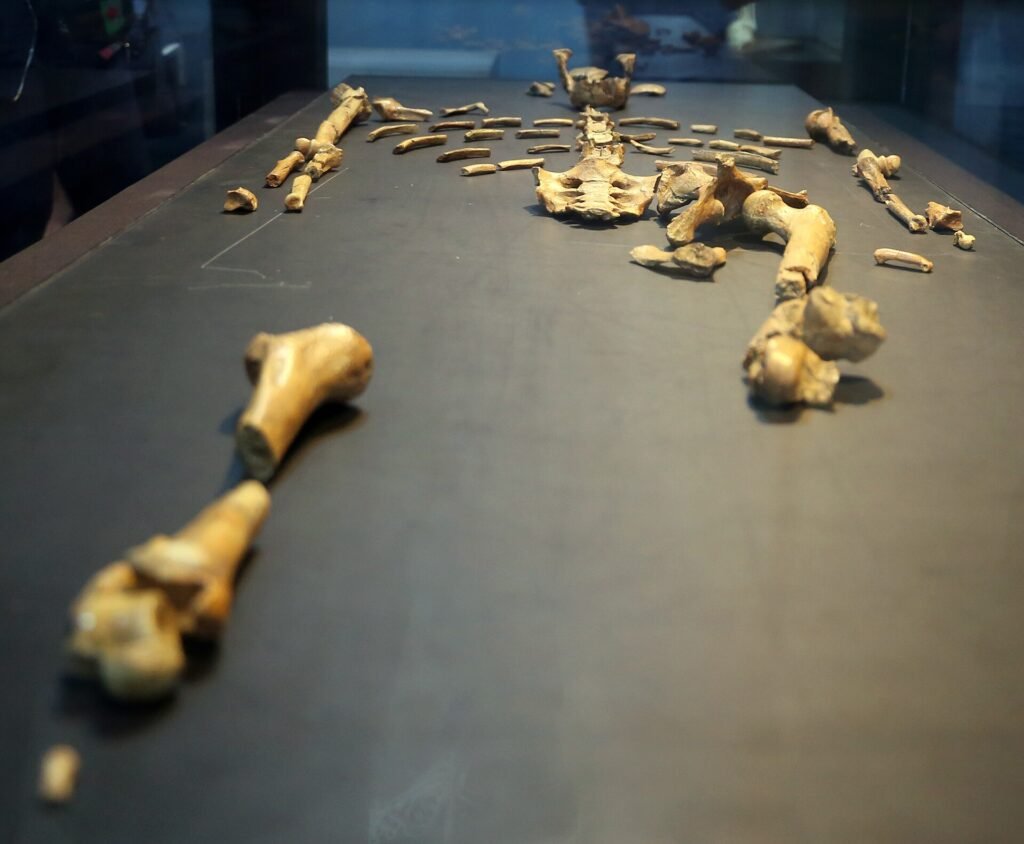
The discovery of Lucy was the finding of a 3.2 million-year-old fossil skeleton of the early human relative Australopithecus afarensis at Hadar, Ethiopia, on 24 November 1974. The paleoanthropologist Donald Johanson spotted the first bone while surveying with a graduate student, Tom Gray. Lucy is about 40 percent of a single skeleton, and in 2024
Discovery of Lucy Read More »
The 24 November 1974 finding at Hadar, Ethiopia, of Lucy, a 3.2 million-year-old Australopithecus afarensis skeleton, by Donald Johanson's team.
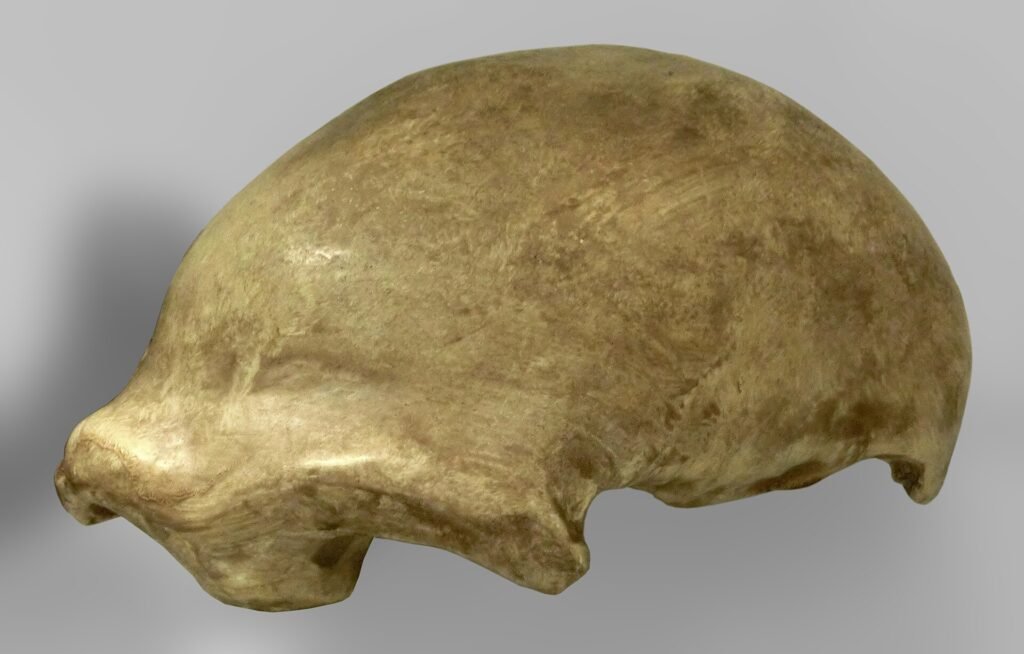
The discovery of Neanderthals began in 1856, when fossils from a cave in the Neander Valley of Germany became the first specimen to be recognized as an early human fossil. In 1864 the geologist William King named the species Homo neanderthalensis, making it the first fossil hominin species to receive a scientific name. Neanderthals lived
Discovery of Neanderthals Read More »
The recognition of Neanderthals as an early human species, beginning with the 1856 fossils from the Neander Valley in Germany and the 1864 naming by William King.
The Gwich’in are an Athabaskan-speaking people who live mostly north of the Arctic Circle in northern Alaska, the Yukon and the Northwest Territories. Place names suggest they have lived in the region since the early Holocene, about 8,000 years ago. Caribou, especially the Porcupine herd, are central to Gwich’in identity and subsistence, and Arctic Village
Gwich’in People Read More »
The Gwich’in are an Athabaskan people of northern Alaska and Canada for whom the Porcupine caribou herd is central.
The Haida are an Indigenous people of the Northwest Coast whose traditional territory includes Haida Gwaii, off British Columbia, and the southern half of Prince of Wales Island in Southeast Alaska. In the early eighteenth century Haida from K’iis Gwaii migrated north and settled next to Tlingit territory, and these settlers became the Kaigani Haida.
Haida People of Alaska Read More »
The Haida are a Northwest Coast Indigenous people; the Kaigani Haida live on southern Prince of Wales Island in Alaska.
Indigenous peoples of Alabama have lived in the region for more than 10,000 years, from the Paleoindian period through the present day. By the 1500s, several historic nations had formed, including the Cherokee, Choctaw, Creek (Muscogee) and Chickasaw, along with smaller groups such as the Alabama, Koasati (Coushatta) and Yuchi peoples [1]. The most visible
Indigenous Peoples of Alabama (Overview) Read More »
Indigenous peoples have lived in Alabama for more than 10,000 years, including the Creek, Cherokee, Choctaw, Chickasaw, Alabama and Koasati nations.
The Iñupiat are the Inuit people of Alaska’s Arctic coast, the North Slope, the Seward Peninsula and Northwest Alaska. Their homeland, Iñupiat Nunaat, runs from Norton Sound on the Bering Sea to the Canadian border. Descended from the Thule culture, the Iñupiat are known for hunting the bowhead whale, for the language Iñupiaq, and for
Iñupiat Read More »
The Iñupiat are the Inuit people of Alaska’s North Slope, Northwest Arctic and Seward Peninsula, known for bowhead whaling and the Iñupiaq language.
The MOWA Band of Choctaw Indians is a Native American community in south Washington County and north Mobile County, Alabama, near Citronelle, Mount Vernon and McIntosh. The name MOWA comes from the first two letters of each county. The Encyclopedia of Alabama cites a population of about 3,600 [1]. The state recognized the band as
MOWA Band of Choctaw Indians Read More »
The MOWA Band of Choctaw Indians is a state-recognized Choctaw community in south Washington and north Mobile counties, Alabama.
The Muscogee (Creek) people were a confederacy of many cultural groups that lived across what is now Alabama and Georgia. Descended from Mississippian-period peoples, they organized into 30 to 60 self-identifying towns, called talwa in the Muskogean language, along rivers such as the Chattahoochee, Tallapoosa and Coosa [1]. English traders gave them the name “Creek.”
Muscogee (Creek) People in Alabama Read More »
The Muscogee (Creek) people were a confederacy of 30 to 60 towns whose homeland included the Coosa, Tallapoosa and Chattahoochee river valleys of Alabama.