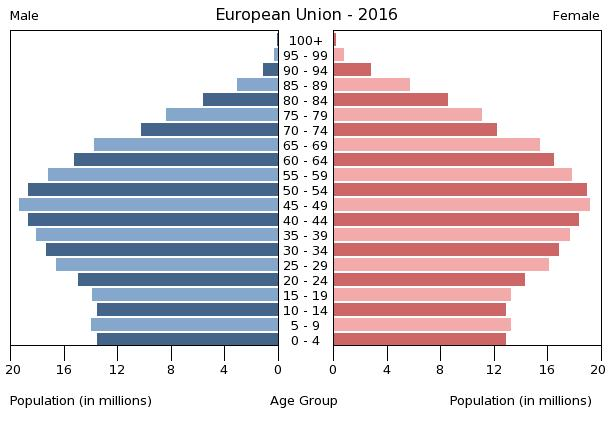
In simple terms The old-age dependency ratio compares the number of older people with the number of people of working age. In the World Bank’s version it counts people older than 64 against those aged 15 to 64, reported as dependents per 100 working-age people. A rising ratio means fewer working-age people for every older
Old-age dependency ratio Read More »
The old-age dependency ratio counts people older than 64 for every 100 people of working age, 15 to 64.
Oman is a sultanate on the southeastern coast of the Arabian Peninsula, bordered by Saudi Arabia, the United Arab Emirates, and Yemen, with coastlines on the Arabian Sea and the Gulf of Oman. Where Is Oman Located? Oman sits on the southeastern edge of the Arabian Peninsula, where it has traded across the Indian Ocean
Oman: Geography, History, Culture and Key Facts Read More »
Oman is a sultanate on the southeastern Arabian Peninsula, bordered by Saudi Arabia, the UAE, and Yemen.
What and Where Osaka Is Osaka is a city on Osaka Bay in the Kansai region of central Japan, built around the mouths of the Yodo and Yamato rivers. It is the seat of Osaka Prefecture and had a population of 2,811,565 across an area of 225.34 square kilometers as of 2025, making it one
Osaka: Japan’s Kitchen City Read More »
Osaka is a port city on Osaka Bay and the historic commercial and culinary capital of western Japan.
What and Where Is Oslo? Oslo is the capital and largest city of Norway, sitting at the head of the Oslofjord on the country’s southeastern coast. As of mid-2026, the municipality counted 729,437 residents, by far Norway’s largest population center. Oslo is both a city and a county, with a population density of roughly 1,709
Oslo: Norway’s Historic Capital Read More »
Oslo is the capital of Norway, located at the head of the Oslofjord on the country's southeastern coast.
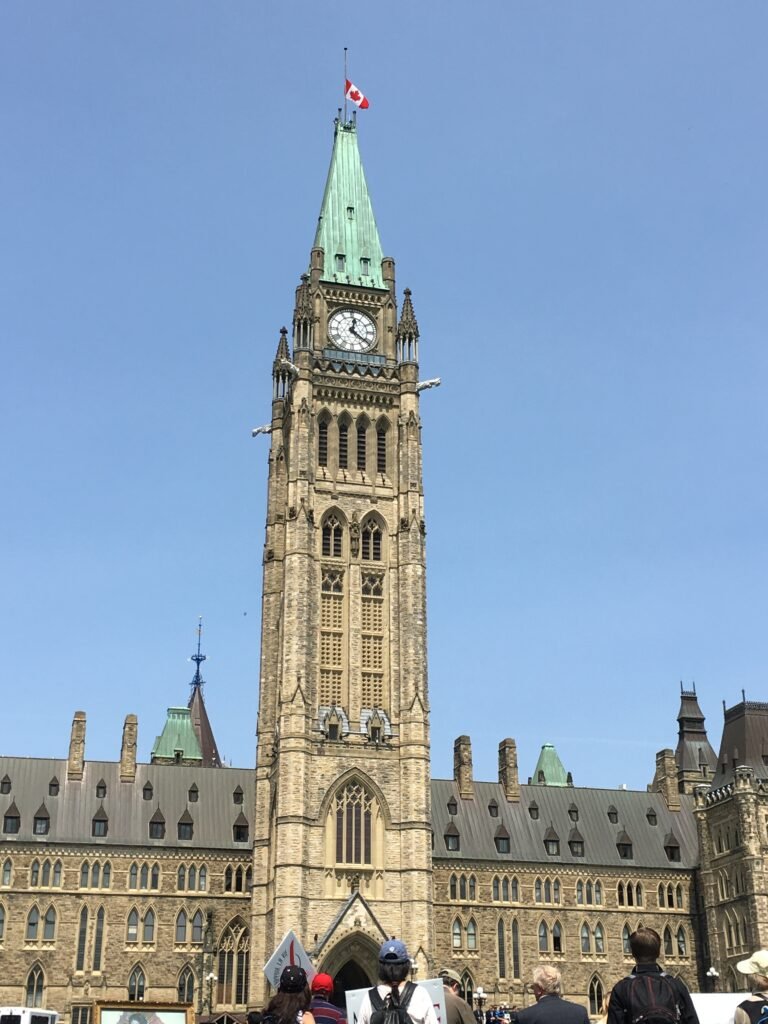
Ottawa is the capital of Canada, situated on the south bank of the Ottawa River in eastern Ontario, directly across the water from Gatineau, Quebec. Chosen as the seat of government in the mid-19th century partly for its position straddling the French and English halves of the colony, it is now home to Parliament Hill
Ottawa: Canada’s Capital on the Rideau Canal Read More »
Ottawa is the capital of Canada, located on the Ottawa River across from Gatineau, Quebec, and home to the UNESCO-listed Rideau Canal.
Pakistan is a South Asian country of roughly 240 million people, bordered by India, China, Afghanistan, and Iran, with a coastline on the Arabian Sea. It is home to the world’s second-highest mountain, one of the world’s oldest urban civilizations, and one of the largest militaries in South Asia, and it plays an outsized role
Pakistan: Geography, History, Culture and Key Facts Read More »
Pakistan is a South Asian nation of about 240 million people, home to K2, the Indus Valley civilization, and a nuclear-armed military.
What and Where Is Palau? Palau is a small island nation in the western Pacific Ocean, part of the Caroline Islands chain in the region known as Micronesia. The country is made up of roughly 340 islands, islets, and atolls, only nine of which are permanently inhabited, and has a population of approximately 18,000 people,
Palau: Geography, History, Culture and Key Facts Read More »
Palau is a western Pacific island nation famed for the UNESCO-listed Rock Islands, exceptional coral reef biodiversity, and pioneering ocean conservation policy.
Palestine refers to the West Bank and the Gaza Strip, two separate territories in the eastern Mediterranean region of the Middle East. The Palestinian Authority administers parts of this territory under interim arrangements dating to the 1990s, and the United Nations General Assembly recognizes it as a non-member observer state under the name “State of
Palestine: Geography, History and Political Status Read More »
Palestine refers to the West Bank and Gaza Strip, a Palestinian territory in the Middle East whose statehood and borders remain internationally disputed.
Panama is a narrow, S-shaped country in Central America best known as the site of the Panama Canal, the artificial waterway that joins the Atlantic and Pacific Oceans and reshaped global trade for more than a century. Where Is Panama Located? Panama sits at the narrowest point of the land bridge connecting North and South
Panama: Geography, History, Culture and Key Facts Read More »
Panama is a narrow Central American nation joining North and South America, home to the canal linking the Atlantic and Pacific.
Papua New Guinea is an island country in the southwestern Pacific Ocean that occupies the eastern half of the island of New Guinea, along with the Bismarck Archipelago, Bougainville, and hundreds of smaller islands. It is one of the most culturally and linguistically diverse nations on Earth, a fact documented across decades of linguistic and
Papua New Guinea: Geography, History, Culture and Key Facts Read More »
Papua New Guinea is a Pacific island nation of extraordinary linguistic and cultural diversity, occupying the eastern half of New Guinea and its surrounding islands.